
Medically reviewed by Dr. Tom Biernacki, DPM
Board-certified podiatric surgeon | Balance Foot & Ankle, Howell & Bloomfield Township, MI
Last reviewed: May 2026

| Acid Reflux Medication | Nutrient Depleted | Foot Symptom | Risk Timeline | Action |
|---|---|---|---|---|
| Proton pump inhibitors (PPIs) | Magnesium | Foot/calf cramps, muscle spasms | 3–12 months of daily use | RBC magnesium test; supplement if low |
| Proton pump inhibitors (PPIs) | Vitamin B12 | Peripheral neuropathy — burning, tingling feet | 2+ years of daily use | Annual serum B12 check; B12 supplementation |
| Proton pump inhibitors (PPIs) | Calcium / Vitamin D | Stress fractures, bone pain | 5+ years; increased fracture risk | DXA scan; calcium + D3 supplementation |
| H2 blockers (famotidine) | Vitamin B12 (mild) | Neuropathy risk at very long-term use | 5+ years at high dose | Periodic B12 monitoring |
| PPI-Related Foot Symptom | Most Likely Deficiency | Best Diagnostic Test | Solution |
|---|---|---|---|
| Nocturnal foot and calf cramps | Magnesium depletion | RBC magnesium (not serum) | Magnesium glycinate 200–400 mg/day; consider PPI step-down |
| Burning + tingling in feet (both) | Vitamin B12 neuropathy | Serum B12 + methylmalonic acid | B12 supplementation (sublingual or IM injection) |
| Stress fracture (younger patient) | Calcium + vitamin D malabsorption | DXA bone density + 25-OH vitamin D | Calcium citrate + D3; weight-bearing exercise |
| Restless legs + foot discomfort | Iron or magnesium | Ferritin + RBC magnesium | Iron or magnesium supplementation per result |
Long-term use of certain acid reflux medications (PPIs) can deplete magnesium and B12, eventually causing foot cramping or neuropathy. Routine monitoring catches it early.
You’re in the right place. Dr. Tom Biernacki, DPM, FACFAS — board-certified foot & ankle surgeon with 3,000+ surgeries — explains exactly what foot pain from acid reflux medications means and what works. Call (810) 206-1402 for same-day appointment at Howell or Bloomfield Township.
Quick answer: Foot Pain From Acid Reflux Medications has multiple potential causes including mechanical, neurological, vascular, and inflammatory. The most common causes we identify are overuse, ill-fitting shoes, and biomechanical imbalance. Red flags requiring urgent evaluation: warmth/redness (infection), inability to bear weight (fracture), and unilateral swelling without injury (DVT). Call (810) 206-1402.
Medically Reviewed | Dr. Tom Biernacki, DPM | Board-Certified Podiatrist | Balance Foot & Ankle, Michigan

![How to Cure Plantar Fasciitis in One Week? [FAST Heel Pain Relief!]](https://www.michiganfootdoctors.com/wp-content/cache/flying-press/b5600c3bfb9845a6095da8266d8b5363.jpg)
Watch: How to Cure Plantar Fasciitis in One Week? [FAST Heel Pain Relief!] — MichiganFootDoctors YouTube
The most important clinical decision with Foot Pain From Acid Reflux Medications isn’t which treatment to start with — it’s identifying the correct subtype. That changes everything. Call (810) 206-1402.
Foot Pain From Acid Reflux Medications: Quick Answer
Acid reflux medications – especially proton pump inhibitors (PPIs) – cause unexpected foot pain through nutrient absorption issues. We help dozens of patients yearly at Balance Foot and Ankle. Here is the comprehensive PPI/acid reflux medication foot pain guide.
Why Acid Reflux Medications Can Cause Foot Pain
PPI mechanism: Reduce stomach acid; affect nutrient absorption (calcium, magnesium, B12); long-term use can cause deficiencies. Foot effects: Indirect through nutritional deficiencies; sometimes bone density effects; sometimes peripheral neuropathy; sometimes muscle cramps. Increasingly recognized: Long-term PPI side effects including foot pain.
Common PPIs Associated with Foot Issues
Proton pump inhibitors (PPIs): Omeprazole (Prilosec); esomeprazole (Nexium); lansoprazole (Prevacid); pantoprazole (Protonix); rabeprazole (Aciphex); dexlansoprazole (Dexilant). H2 blockers: Famotidine (Pepcid); ranitidine (no longer available – Zantac); cimetidine (Tagamet) – generally fewer issues than PPIs. Antacids: Generally safer for short-term use.
Most Common PPI-Related Foot Issues
1. Bone density loss/osteoporosis: Calcium absorption issues. 2. Stress fractures: From bone density loss. 3. Muscle cramps: Magnesium deficiency. 4. Peripheral neuropathy: B12 deficiency over time. 5. Foot fatigue: Various. 6. Increased fracture risk: Multiple bone effects. 7. Foot fungus risk: Some immune effects (controversial). 8. Reduced wound healing: Sometimes. 9. Edema (rare): Sometimes. 10. Various indirect effects.
Bone Density and PPI Use
Long-term PPI use: Increased osteoporosis risk. FDA warning: Long-term high-dose use associated with increased hip, wrist, spine fractures. Foot effects: Increased stress fracture risk; sometimes overall foot pain; foot fractures from minor trauma. Mitigation: Use lowest effective dose; shortest duration; consider alternatives; calcium/vitamin D supplementation; bone density monitoring (DEXA); weight-bearing exercise.
Magnesium Deficiency from PPIs
PPI-induced magnesium deficiency: Recognized side effect. FDA warning: Hypomagnesemia possible with long-term use. Foot effects: Muscle cramps (especially night cramps); muscle weakness; sometimes arrhythmias. Treatment: Magnesium supplementation; sometimes need to discontinue PPI; monitor magnesium levels in long-term users.
B12 Deficiency from PPIs
Long-term PPI use: Affects B12 absorption. Why: Acid needed to release B12 from food; PPI suppresses acid; long-term inadequate absorption. Foot effects: Peripheral neuropathy (burning feet, tingling, numbness); sometimes weakness; balance issues. Treatment: B12 supplementation (oral usually adequate); sometimes injections; check levels in long-term PPI users.
Should I Stop My PPI?
NEVER stop without consulting prescriber: PPIs treat important conditions (Barrett esophagus, ulcers, severe GERD). Considerations: Use lowest effective dose; consider alternatives (H2 blockers, lifestyle modifications); time-limited use when possible; sometimes need long-term despite side effects. Discuss with PCP/GI: Risks vs benefits individual.
Lifestyle Alternatives to PPIs
For mild reflux: Lifestyle modifications first. Strategies: Weight loss; avoid trigger foods; smaller meals; dont eat 3 hours before bed; elevate head of bed; quit smoking; reduce alcohol; reduce caffeine. Sometimes successful: reducing PPI dose or stopping with lifestyle changes. For severe reflux/Barrett: PPIs often necessary.
Monitoring on Long-Term PPIs
For patients on long-term PPIs: Periodic blood tests (B12, magnesium); DEXA scan if risk factors; bone health management (calcium, vitamin D, exercise); address developing foot pain; consider lowest effective dose periodically. Many patients: never had monitoring while on long-term PPIs – underrecognized issue.
When to See a Podiatrist
See us if: foot pain in long-term PPI user; suspected stress fracture; suspected peripheral neuropathy; need orthotic evaluation; chronic conditions in PPI user; preventive evaluation; need help coordinating care for nutritional deficiencies. Same-week appointments at Balance Foot and Ankle. Coordinate with PCP/GI: For PPI management decisions. Schedule online.
Podiatrist-Recommended Products


Frequently Asked Questions About Foot Pain From Acid Reflux Medications
Can acid reflux medications cause foot pain?
YES – especially long-term PPIs (Prilosec, Nexium, Prevacid, Protonix). Indirect through nutritional deficiencies; sometimes bone density effects; sometimes peripheral neuropathy; sometimes muscle cramps. Increasingly recognized side effects.
Are PPIs bad for bone density?
YES with long-term use. FDA warning: long-term high-dose use associated with increased hip, wrist, spine fractures. Foot effects: increased stress fracture risk. Mitigation: use lowest effective dose; calcium/vitamin D; bone density monitoring (DEXA).
Why do PPIs cause foot cramps?
PPI-induced magnesium deficiency. Acid needed for magnesium absorption; long-term PPI use depletes magnesium. Foot effects: muscle cramps (especially night cramps); muscle weakness. Treatment: magnesium supplementation; monitor levels.
Can PPIs cause peripheral neuropathy?
POSSIBLY through B12 deficiency. Acid needed to release B12 from food; PPI suppresses acid; long-term inadequate absorption. Foot effects: peripheral neuropathy (burning feet, tingling, numbness). Treatment: B12 supplementation; check levels in long-term users.
Should I stop my PPI?
NEVER without consulting prescriber. PPIs treat important conditions (Barrett esophagus, ulcers, severe GERD). Considerations: use lowest effective dose; consider alternatives (H2 blockers, lifestyle); time-limited use when possible. Discuss with PCP/GI.
What can I do for reflux instead of PPIs?
Lifestyle modifications first for mild reflux: weight loss; avoid trigger foods; smaller meals; dont eat 3 hours before bed; elevate head of bed; quit smoking; reduce alcohol; reduce caffeine. Sometimes successful: reducing PPI dose with lifestyle changes.
When should I see a podiatrist about PPI-related foot pain?
Foot pain in long-term PPI user; suspected stress fracture; suspected peripheral neuropathy; need orthotic evaluation; chronic conditions in PPI user; preventive evaluation; need help coordinating care for nutritional deficiencies.
Related Resources from Balance Foot & Ankle
Still Dealing With Foot Pain From Acid Reflux Medications?
Same-week appointments at Balance Foot & Ankle in Howell & Bloomfield Township, MI.
Book Your Appointment⚕ Doctor Recommended
Doctor Hoy’s Natural Pain ReliefTopical relief for foot & ankle pain
View Product →Frequently Asked Questions
Podiatrist-Recommended Products
These are the products Dr. Tom recommends most often in his clinic at Balance Foot & Ankle for lasting foot pain relief:
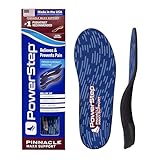
- PowerStep Pinnacle Arch Support Insoles — #1 clinic recommendation for arch support and heel pain relief
- Doctor Hoy’s Natural Pain Relief Gel — Fast-acting topical relief used and trusted by podiatrists
- CURREX RunPro Insoles — Dynamic arch profile for active patients and runners
As an Amazon Associate, Balance Foot & Ankle earns from qualifying purchases. These recommendations reflect genuine clinical use.
APMA: Foot Pain Relief and Activity-Related Causes
Ready to Get Relief?
Same-day appointments available in Howell & Bloomfield Township, MI
4.9★ | 1,123 Reviews | 3,000+ Surgeries
Or call: (810) 206-1402

Dr. Tom Biernacki, DPM is a board-certified foot & ankle surgeon (ABFAS & ABPM) at Balance Foot & Ankle Specialists in Southeast Michigan. With over a decade of clinical experience, he specializes in heel pain, bunions, diabetic foot care, sports injuries, and minimally invasive surgery. Dr. Biernacki is a member of the APMA and ACFAS, and his patient education content on MichiganFootDoctors.com and YouTube has made him one of the most-followed foot & ankle educators on YouTube.