
Medically reviewed by Dr. Tom Biernacki, DPM
Board-certified podiatric surgeon | Balance Foot & Ankle, Howell & Bloomfield Township, MI
Last reviewed: May 2026

| Long COVID Foot Symptom | Underlying Mechanism | Diagnostic Test | Management |
|---|---|---|---|
| Burning / tingling feet | Small fiber neuropathy | Skin punch biopsy; QSART | Gabapentin, duloxetine, alpha-lipoic acid |
| Foot + ankle swelling | Dysautonomia / POTS | Tilt table test; standing HR/BP | Compression socks; salt + fluid loading; midodrine |
| Hypersensitive feet (touch painful) | Small fiber neuropathy / central sensitization | Clinical; skin biopsy | Desensitization; topical agents |
| Cold/hot feet sensations | Autonomic dysregulation | Clinical assessment | Dysautonomia treatment; compression |
| Plantar fasciitis (new onset) | Deconditioning + return to activity | Clinical exam | Standard PF protocol: orthotics, night splint, stretch |
| Long COVID Foot Care Strategy | For Symptom | Action | Evidence |
|---|---|---|---|
| Compression socks (20–30 mmHg) | Dysautonomia swelling | Wear from morning; remove at night | Good for POTS management |
| Cushioned accommodative shoes | Small fiber neuropathy | Max cushion; avoid minimalist shoes | Good — reduces hypersensitive surface contact |
| Gradual activity return | Post-COVID deconditioning | 10% activity increase per week; avoid sudden loading | Standard post-viral rehab principle |
| Alpha-lipoic acid | Neuropathy | 600 mg/day — antioxidant neuroprotection | Moderate — used for diabetic neuropathy also |
| Podiatry + neurology co-management | Complex neuropathic foot | Coordinated care team | Best practice for complex neuropathy |
Long COVID foot pain — burning, tingling, or aching that persists weeks or months after recovery — is a recognized small-fiber neuropathy pattern with growing treatment options.
You’re in the right place. Dr. Tom Biernacki, DPM, FACFAS — board-certified foot & ankle surgeon with 3,000+ surgeries — explains exactly what foot pain from long COVID means and what works. Call (810) 206-1402 for same-day appointment at Howell or Bloomfield Township.
Quick answer: Foot Pain From Long Covid has multiple potential causes including mechanical, neurological, vascular, and inflammatory. The most common causes we identify are overuse, ill-fitting shoes, and biomechanical imbalance. Red flags requiring urgent evaluation: warmth/redness (infection), inability to bear weight (fracture), and unilateral swelling without injury (DVT). Call (810) 206-1402.
![How to Cure Plantar Fasciitis in One Week? [FAST Heel Pain Relief!]](https://www.michiganfootdoctors.com/wp-content/cache/flying-press/b5600c3bfb9845a6095da8266d8b5363.jpg)
Watch: How to Cure Plantar Fasciitis in One Week? [FAST Heel Pain Relief!] — MichiganFootDoctors YouTube
The most important clinical decision with Foot Pain From Long Covid isn’t which treatment to start with — it’s identifying the correct subtype. That changes everything. Call (810) 206-1402.
Foot Pain From Long Covid: Quick Answer
Long COVID can cause unexpected foot pain through multiple mechanisms – peripheral neuropathy, autonomic dysfunction, and post-viral effects. We help dozens of long COVID patients yearly at Balance Foot and Ankle. Here is the comprehensive long COVID foot pain guide.
Why Long COVID Causes Foot Pain
Long COVID mechanisms: Post-viral peripheral neuropathy; autonomic dysfunction; vascular effects; chronic inflammation; sometimes microclots; deconditioning from acute illness; sometimes mast cell activation. Foot effects: Various; often unexpected; sometimes new chronic conditions; varies tremendously between patients. Increasingly recognized: post-COVID foot symptoms in many patients.
Most Common Long COVID Foot Issues
1. COVID toes: Distinctive skin changes (purple, swollen toes). 2. Peripheral neuropathy: Burning, tingling, numbness. 3. Foot fatigue: Common with post-exertional malaise. 4. Plantar fasciitis (new onset): Sometimes. 5. Foot/ankle swelling: Various causes. 6. Autonomic dysfunction (POTS): Foot symptoms common. 7. Cold feet: Common; circulation effects. 8. Deconditioning effects: Weakness affecting feet. 9. Joint pain: Sometimes. 10. Various skin changes: COVID-related.
COVID Toes
“COVID toes”: Distinctive condition during/after COVID. Pattern: Purple, swollen, tender toes; sometimes blisters; often after illness; can affect single toes or multiple; often resolves over weeks-months. Mechanism: Likely vascular/inflammatory; sometimes resembles chilblains. Treatment: Usually self-limiting; sometimes topical steroids; warmth helps; avoid cold; sometimes need vascular evaluation. Many patients: Resolve over weeks to months.
Post-COVID Peripheral Neuropathy
Post-COVID neuropathy: Recognized complication. Pattern: Burning, tingling, numbness in feet; bilateral; sometimes hands; varies in severity; can be chronic. Mechanism: Direct viral effect on nerves; immune-mediated; vascular damage to small nerves. Treatment: Standard neuropathy treatments (gabapentin, duloxetine, etc.); B12/vitamin supplementation if deficient; sometimes IV immunoglobulin for autoimmune cases.
POTS and Long COVID
POTS (Postural Orthostatic Tachycardia Syndrome): Common in long COVID. Foot symptoms: Cold feet; foot color changes; foot/leg swelling when standing; sometimes burning. Mechanism: Autonomic dysfunction; pooling of blood in legs/feet. Treatment: Salt and fluid increases (with cardio approval); compression stockings (significant benefit); medications; cardiac/autonomic specialist sometimes needed.
Microclots and Vascular Changes
Long COVID and microclots: Theory; ongoing research. Possible foot effects: Cold feet; color changes; sometimes pain with activity; sometimes cyanosis. Evaluation: Vascular evaluation if symptoms; sometimes specialized testing. Treatment: Sometimes anticoagulation considered (research evolving); compression therapy; address symptoms.
Deconditioning and Foot Effects
Long COVID deconditioning: Common. Foot effects: Foot/leg weakness; reduced exercise tolerance; balance issues; sometimes new foot pain when increasing activity; gradual return to activity. Strategies: Pacing (very important in long COVID); gradual progression; address foot conditions; quality footwear; cross-training when possible.
Pacing for Long COVID
Critical concept: Post-exertional malaise (PEM) common in long COVID. Pacing: Avoid pushing through; rest before exhaustion; gradual progression; respect bad days; energy conservation. Foot care implications: Dont overdo foot exercises; gradual orthotic break-in; address developing foot pain promptly; rest vs push debate critical.
When to See a Podiatrist for Long COVID Foot Issues
Long COVID foot care: Often complex. Considerations: Multidisciplinary approach; coordinate with PCP and long COVID specialists; address specific foot conditions; orthotic evaluation; sometimes specialized testing; address each system involved.
Treatment Approach
Long COVID foot pain: Often requires comprehensive approach. Components: Address specific foot conditions; pace activities; quality footwear; sometimes orthotics; address vascular issues; address autonomic issues; nutritional support; sometimes specialized treatments. Patience essential: long COVID often slow recovery; foot symptoms may improve over months.
When to See a Podiatrist
See us if: long COVID foot pain affecting daily activities; suspected COVID toes; suspected post-COVID neuropathy; need orthotic evaluation; chronic conditions appearing after COVID; need comprehensive foot evaluation; coordinate care with long COVID team. Same-week appointments at Balance Foot and Ankle. Long COVID requires multidisciplinary care. Schedule online.
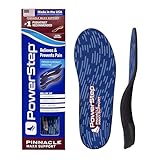
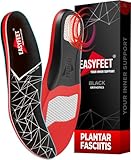
Podiatrist-Recommended Products


Frequently Asked Questions About Foot Pain From Long Covid
Can long COVID cause foot pain?
YES – through multiple mechanisms: post-viral peripheral neuropathy; autonomic dysfunction; vascular effects; chronic inflammation; sometimes microclots; deconditioning from acute illness. Various foot effects; often unexpected; sometimes new chronic conditions.
What are COVID toes?
Distinctive condition during/after COVID. Pattern: purple, swollen, tender toes; sometimes blisters; often after illness; can affect single toes or multiple; often resolves over weeks-months. Mechanism: likely vascular/inflammatory; sometimes resembles chilblains.
Can COVID cause peripheral neuropathy?
YES – recognized complication. Pattern: burning, tingling, numbness in feet; bilateral; sometimes hands; varies in severity; can be chronic. Mechanism: direct viral effect on nerves; immune-mediated; vascular damage to small nerves.
What is POTS in long COVID?
Postural Orthostatic Tachycardia Syndrome – common in long COVID. Foot symptoms: cold feet; foot color changes; foot/leg swelling when standing; sometimes burning. Mechanism: autonomic dysfunction; pooling of blood in legs/feet. Treatment: compression stockings significant benefit.
Why are my feet so weak after COVID?
Long COVID deconditioning common. Foot/leg weakness; reduced exercise tolerance; balance issues; sometimes new foot pain when increasing activity. Strategies: pacing (very important); gradual progression; address foot conditions; quality footwear.
What is pacing for long COVID?
Critical concept – post-exertional malaise (PEM) common. Pacing: avoid pushing through; rest before exhaustion; gradual progression; respect bad days; energy conservation. Foot care: dont overdo; gradual orthotic break-in; rest vs push debate critical.
When should I see a podiatrist about long COVID foot pain?
Long COVID foot pain affecting daily activities; suspected COVID toes; suspected post-COVID neuropathy; need orthotic evaluation; chronic conditions appearing after COVID; need comprehensive foot evaluation; coordinate care with long COVID team.
Related Resources from Balance Foot & Ankle
Still Dealing With Foot Pain From Long Covid?
Same-week appointments at Balance Foot & Ankle in Howell & Bloomfield Township, MI.
Book Your Appointment⚕ Doctor Recommended
Doctor Hoy’s Natural Pain ReliefTopical relief for foot & ankle pain
View Product →What is Foot pain?
Foot pain is a common foot/ankle condition that affects mobility and quality of life. Understanding the underlying cause is the first step in successful treatment. Our podiatrists at Balance Foot & Ankle perform a hands-on biomechanical exam, review your activity history, and use diagnostic imaging when appropriate to identify the root cause—not just treat the symptom. Many patients have been told to “rest and ice” without a deeper diagnostic workup; our approach is different.
Symptoms and warning signs
Common signs of foot pain include pain that worsens with activity, morning stiffness, swelling, tenderness when palpated, and difficulty bearing weight. If you experience sudden severe pain, inability to walk, visible deformity, numbness or color change, contact our office the same day or visit urgent care—these can signal a more serious injury such as a fracture, tendon rupture, or vascular compromise. Diabetics with any foot wound should seek same-day care.
Conservative treatment options
Most cases of foot pain respond to non-surgical care: structured rest, supportive footwear changes, custom orthotics, targeted stretching and strengthening protocols, anti-inflammatory medications when medically appropriate, and in-office procedures such as ultrasound-guided injections. We also offer advanced therapies including MLS laser therapy, EPAT/shockwave, regenerative injections, and image-guided procedures. Treatment is sequenced from least invasive to most invasive, and we explain the rationale at every step.
When is surgery considered?
Surgery is reserved for cases that fail 3-6 months of well-structured conservative care, when there is structural pathology (severe deformity, complete tear, advanced arthritis), or when imaging shows damage that will not heal without intervention. Our surgeons have performed 3,000+ foot and ankle procedures and prioritize minimally-invasive techniques whenever appropriate. We discuss recovery timelines, return-to-activity milestones, and realistic outcome expectations before any procedure is scheduled.
Recovery timeline and prevention
Recovery from foot pain varies based on severity and chosen treatment path. Conservative cases often improve within 4-8 weeks with consistent adherence to the protocol. Post-procedural recovery may range from a few days (in-office procedures) to several months (reconstructive surgery). Long-term prevention involves footwear assessment, activity modification, structured strengthening, and regular check-ins with your podiatrist if you have a history of recurrence. We provide written home-exercise plans and digital follow-up support.
Ready to feel better?
Same-week appointments available in Howell and Bloomfield Township, Michigan.
Book Your VisitIn-Office Treatment at Balance Foot & Ankle
If home treatment isn’t providing relief for your foot pain from long covid, our podiatry team at Balance Foot & Ankle can help with same-day evaluations and advanced in-office care.
NCBI: Long COVID — Musculoskeletal & Foot Symptoms
Ready to Get Relief?
Same-day appointments available in Howell & Bloomfield Township, MI
4.9★ | 1,123 Reviews | 3,000+ Surgeries
Or call: (810) 206-1402

Dr. Tom Biernacki, DPM is a board-certified foot & ankle surgeon (ABFAS & ABPM) at Balance Foot & Ankle Specialists in Southeast Michigan. With over a decade of clinical experience, he specializes in heel pain, bunions, diabetic foot care, sports injuries, and minimally invasive surgery. Dr. Biernacki is a member of the APMA and ACFAS, and his patient education content on MichiganFootDoctors.com and YouTube has made him one of the most-followed foot & ankle educators on YouTube.