
Medically reviewed by Dr. Tom Biernacki, DPM
Board-certified podiatric surgeon | Balance Foot & Ankle, Howell & Bloomfield Township, MI
Last reviewed: May 2026

| Airport Foot Pain Cause | Why It Happens | Prevention | Relief Strategy |
|---|---|---|---|
| Hard floor fatigue | Concrete/marble has zero shock absorption | Cushioned shoes + insoles | Foot elevation, massage |
| Unexpected high step count | Large airports = 1–3 miles per connection | Track early, pace yourself | Rest periods + seat massage |
| Prolonged sitting → swelling | Venous pooling in lower legs | Compression socks | Calf raises, ankle circles |
| Rushing with heavy bags | Altered gait under load | Checked luggage, rolling carry-on | Distribute weight evenly |
| Pressure changes (flying) | Altitude-related fluid shift | Stay hydrated, avoid alcohol | Elevate when seated |
| Layover Duration | Foot Care Priority | Recommended Action |
|---|---|---|
| <1 hour (tight connection) | Minimize damage — move efficiently | Supportive shoes, pace yourself |
| 1–3 hours | Prevent swelling from sitting | Alternate sitting/walking, ankle exercises |
| 3–6 hours | Active recovery between flights | Compression socks, foot elevation, shoe removal |
| 6+ hours | Treat like a long workday on feet | Airport lounge (feet up), calf stretching, hydration |
Airport layover foot pain comes from a specific combination — long hours seated, swelling, hard floors when you do walk, and unsupportive travel shoes. The fix is mostly about movement during the wait.
You’re in the right place. Dr. Tom Biernacki, DPM, FACFAS — board-certified foot & ankle surgeon with 3,000+ surgeries — explains exactly what foot pain from airport layovers means and what works. Book online for a same-day appointment at Howell or Bloomfield Township — or call (810) 206-1402.
Quick answer: Foot Pain From Airport Layover has multiple potential causes including mechanical, neurological, vascular, and inflammatory. The most common causes we identify are overuse, ill-fitting shoes, and biomechanical imbalance. Red flags requiring urgent evaluation: warmth/redness (infection), inability to bear weight (fracture), and unilateral swelling without injury (DVT). Book online or call (810) 206-1402.
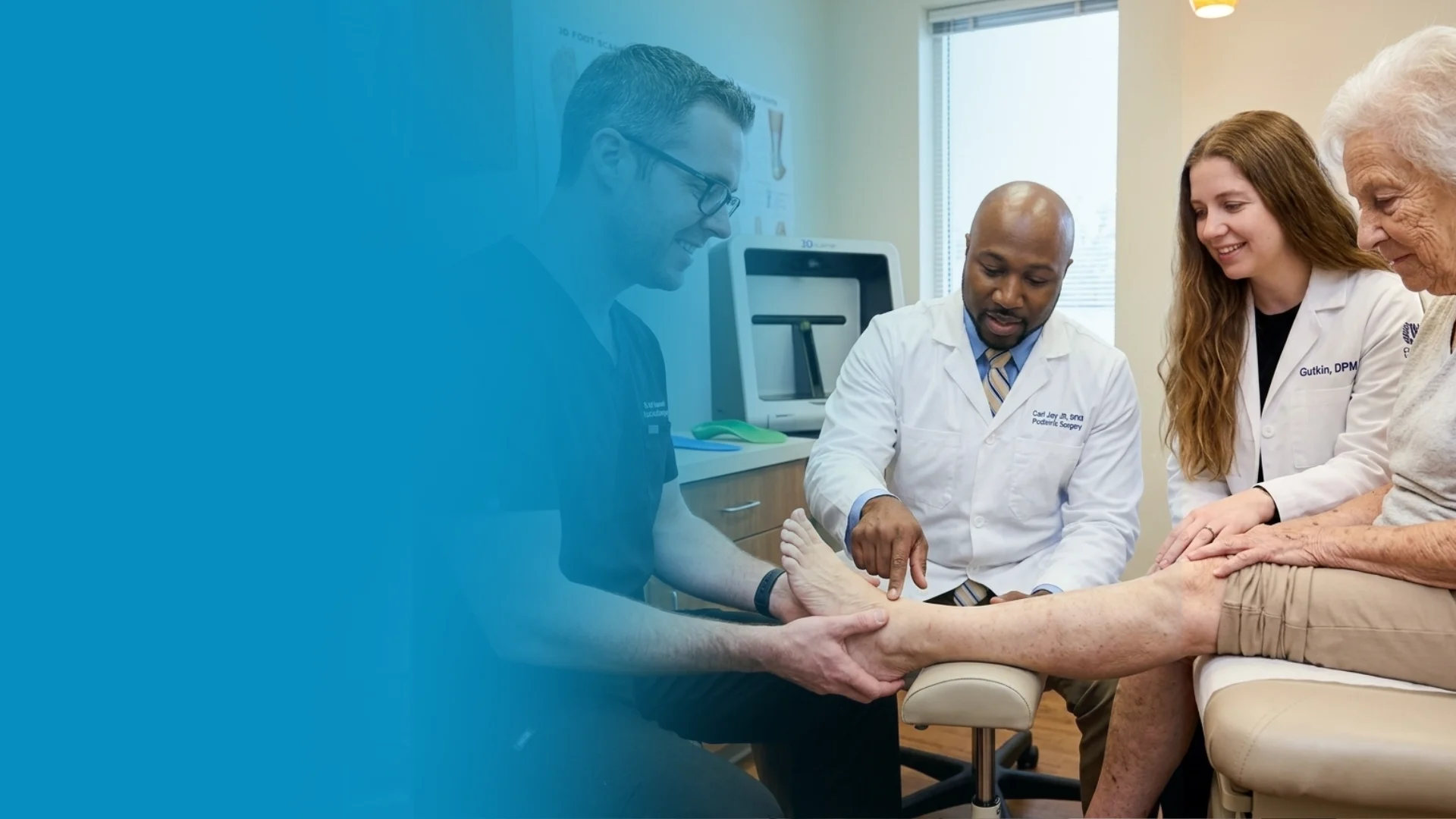
Watch: How to Cure Plantar Fasciitis in One Week? [FAST Heel Pain Relief!] — MichiganFootDoctors YouTube
The most important clinical decision with Foot Pain From Airport Layover isn’t which treatment to start with — it’s identifying the correct subtype. That changes everything. Call (810) 206-1402.
Foot Pain From Airport Layover: Quick Answer
Long airport layovers cause significant foot pain through prolonged sitting/walking, hard airport floors, and DVT risk. We help dozens of frequent travelers yearly at Balance Foot and Ankle. Here is the comprehensive airport layover foot care guide.
Why Airport Layovers Cause Foot Pain
Layover demands: Sometimes 3-12+ hours; combination of walking and sitting; hard airport floors; sometimes inadequate seating; sometimes long walks between gates; cumulative with travel days; sometimes overnight layovers; jet lag complicates. Different from regular airport time: More extended exposure; sometimes multiple layovers per trip.
Most Common Layover Foot Issues
1. DVT risk: Significant from sitting + flights. 2. Foot/ankle swelling: Universal. 3. Foot fatigue: Common. 4. Plantar fasciitis flare: From hard airport floors. 5. Achilles issues: From walking demands. 6. Blisters: Sometimes from travel shoes. 7. Calf cramps: Common. 8. Foot/ankle stiffness: From sitting. 9. Numbness: From sitting position. 10. Sometimes ankle sprains: From rushing through airports.
DVT Risk During Layovers
DVT risk: Major concern with layover travel. Why: Combination of long flight + sitting at gate + connecting flight; cumulative immobility; dehydration. RED FLAGS: Calf pain (often unilateral); calf swelling; warmth; redness; sometimes shortness of breath (PE – emergency). Prevention: Walk during layovers; ankle pumps; hydration; compression socks (recommended); avoid alcohol; aspirin for high-risk (consult PCP).
Productive Layover Strategies
Use layover for foot/leg health: Walk concourses (good built-in exercise); ankle exercises in seat; calf stretches against wall; sometimes airport gyms (some major airports); shower facilities at some airports allow refresh. For long layovers: Sometimes worth leaving airport (if visa allows) for walking tour of city.
Best Airport Layover Footwear
Recommendations: Comfortable supportive shoes; quick on/off (security); easy with swelling. Top picks: Vionic Tide; Hoka Bondi 8 (slip-on options); Skechers Slip-Ins; Allbirds; comfortable athletic shoes. Avoid: Heels; flip-flops (no support, security delays); brand new shoes; uncomfortable dress shoes.
Compression Socks for Layovers
Compression socks: Excellent for travelers. Benefits: Reduce DVT risk; reduce foot/leg swelling; improve circulation; reduce foot fatigue. Recommended: 15-20 mmHg general use; 20-30 mmHg for high-risk travelers. Wear: During flights and layovers; sometimes off when in destination. Brands: Sigvaris; Sockwell; Comrad; CEP. Critical for long international travel.
Foot Care Kit for Layovers
Essentials: Hydrocolloid bandages (Compeed); ibuprofen; foot powder; spare socks; lip balm; hand sanitizer; small water bottle (refill after security). For long flights: Compression socks accessible; ear plugs/eye mask; comfortable scarf/jacket; foot care items easily accessible.
Multi-Layover International Trips
International trips with multiple layovers: Especially demanding. Strategies: Compression socks throughout; layover walking; address developing foot pain; rest properly during layovers; sometimes need to find quiet rest area. For multi-day travel: Foot health critical; sometimes consider direct flights worth premium.
Sleep at Airport Considerations
Sleeping at airport during layover: Common. Foot considerations: Awkward sleeping position can cause foot/ankle stiffness; sometimes circulation issues; cold airport temperatures. Solutions: Travel pillow; sometimes sleeping pods (some airports); appropriate clothing; foot positioning when possible; brief walk after sleep to address stiffness.
When to See a Podiatrist
See us if: chronic travel-related foot pain; suspected DVT (urgent – emergency room); persistent post-travel foot/leg swelling; chronic conditions affecting travel; need orthotic evaluation; need travel shoe recommendations; need pre-trip evaluation for major travel; severe foot conditions developing during travel. Same-week appointments at Balance Foot and Ankle. Schedule online.
Podiatrist-Recommended Products

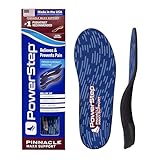
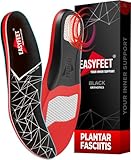

Frequently Asked Questions About Foot Pain From Airport Layover
Why do my feet hurt during airport layovers?
Sometimes 3-12+ hours; combination of walking and sitting; hard airport floors; sometimes inadequate seating; sometimes long walks between gates; cumulative with travel days; sometimes overnight layovers; jet lag complicates.
Are blood clots a risk from airport layovers?
YES – major concern. Combination of long flight + sitting at gate + connecting flight; cumulative immobility; dehydration. RED FLAGS: calf pain, swelling, warmth, redness; sometimes shortness of breath. Prevention: walk during layovers; compression socks; hydration.
Should I wear compression socks for layovers?
YES – excellent for travelers. Reduce DVT risk; reduce foot/leg swelling; improve circulation; reduce foot fatigue. 15-20 mmHg general use; 20-30 mmHg for high-risk travelers. Brands: Sigvaris, Sockwell, Comrad, CEP.
What should I do during a long layover?
Walk concourses (good built-in exercise); ankle exercises in seat; calf stretches against wall; sometimes airport gyms (some major airports); shower facilities at some airports. For long layovers: sometimes worth leaving airport for walking tour.
What shoes are best for airport travel?
Comfortable supportive shoes; quick on/off (security); easy with swelling. Top picks: Vionic Tide; Hoka Bondi 8 (slip-on options); Skechers Slip-Ins; Allbirds; comfortable athletic shoes. Avoid heels, flip-flops, brand new shoes.
How do I sleep comfortably at an airport?
Travel pillow; sometimes sleeping pods (some airports); appropriate clothing; foot positioning when possible; brief walk after sleep to address stiffness. Awkward sleeping position can cause foot/ankle stiffness; circulation issues; cold airport temperatures.
When should I see a podiatrist about travel foot pain?
Chronic travel-related foot pain; suspected DVT (urgent – emergency room); persistent post-travel foot/leg swelling; chronic conditions affecting travel; need orthotic evaluation; need travel shoe recommendations; need pre-trip evaluation for major travel.
Related Resources from Balance Foot & Ankle
- Foot Pain After Traveling Airport
- Compression Socks for Feet
- Foot Pain From European Vacation
- Custom Orthotics
Still Dealing With Foot Pain From Airport Layover?
Same-week appointments at Balance Foot & Ankle in Howell & Bloomfield Township, MI.
Book Your Appointment⚕ Doctor Recommended
Doctor Hoy’s Natural Pain ReliefTopical relief for foot & ankle pain
View Product →In-Office Treatment at Balance Foot & Ankle
If home treatment isn’t providing relief for your foot pain from airport layover, our podiatry team at Balance Foot & Ankle can help with same-day evaluations and advanced in-office care.
APMA: Foot Pain Relief and Activity-Related Causes
Ready to Get Relief?
Same-day appointments available in Howell & Bloomfield Township, MI
4.9★ | 1,123 Reviews | 3,000+ Surgeries
Or call: (810) 206-1402

Dr. Tom Biernacki, DPM is a board-certified foot & ankle surgeon (ABFAS & ABPM) at Balance Foot & Ankle Specialists in Southeast Michigan. With over a decade of clinical experience, he specializes in heel pain, bunions, diabetic foot care, sports injuries, and minimally invasive surgery. Dr. Biernacki is a member of the APMA and ACFAS, and his patient education content on MichiganFootDoctors.com and YouTube has made him one of the most-followed foot & ankle educators on YouTube.