

You are in the right place. Dr. Tom Biernacki, DPM, FACFAS — board-certified foot & ankle surgeon with 3,000+ surgeries — explains exactly what Sever’s disease means and what actually works. Call (810) 206-1402 for a same-week appointment at our Howell or Bloomfield Township office.
Quick answer: Severs Disease is a clinical condition that responds to evidence-based treatment when caught early. Symptoms include pain, swelling, and altered function. Diagnosis requires clinical exam, often imaging. Treatment ladder: conservative care first (4-6 weeks), then targeted interventions if needed. Call (810) 206-1402.
Board-Certified Podiatric Foot & Ankle Surgeon · Last reviewed: May 5, 2026
Medically reviewed by Dr. Tom Biernacki, DPM
Board-certified podiatric surgeon | Balance Foot & Ankle
Last reviewed: April 2026
If your child woke up limping after soccer practice, refuses to walk barefoot, or squeezes the sides of their heel in pain — there’s a very good chance they have Sever’s disease. In our clinic, it’s the single most common reason parents bring their young athletes in during growth spurts, and it’s almost always completely fixable without surgery, injections, or prolonged rest.
The frustrating part for parents is that standard X-rays often look “normal,” and kids may be told to simply “rest.” But rest alone is rarely the answer. Understanding what’s actually happening inside that heel — and treating it correctly — means the difference between a child sitting on the sidelines for months and one back on the field in weeks.
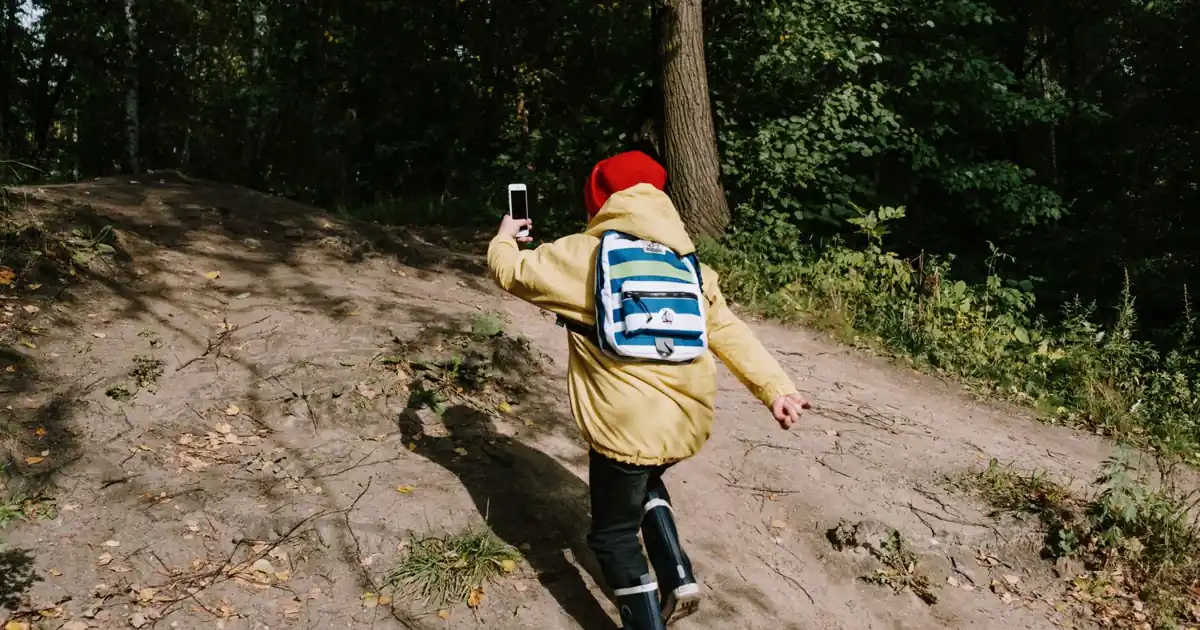 Sever's disease heel pain in children – calcaneal apophysitis treatment, Balance Foot & Ankle, Howell MI” width=”1200″ height=”630″ loading=”eager” fetchpriority=”high” decoding=”async”>
What Is Sever’s Disease?
Sever’s disease (formally called calcaneal apophysitis) is inflammation of the growth plate at the back of the heel bone (calcaneus). It has nothing to do with an actual disease — it was simply named after Dr. James Warren Sever, who first described it in 1912. The condition is completely benign and self-limiting, meaning it goes away on its own once the growth plate closes, typically by age 15–16.
The heel’s growth plate is a strip of cartilage at the back of the calcaneus where new bone is actively being produced during childhood. This cartilage is softer and more vulnerable than mature bone. During a growth spurt, the leg bones (tibia and fibula) lengthen faster than the Achilles tendon can stretch to accommodate them. This creates tremendous traction stress where the Achilles tendon inserts into the growth plate — causing micro-tears, inflammation, and the characteristic heel pain your child is experiencing.
In our clinic, we diagnose Sever’s disease by clinical examination — the squeeze test (compressing the sides of the heel bone) almost always reproduces the pain precisely. X-rays can show fragmentation of the apophysis, but we interpret these cautiously because normal growth plates can appear fragmented and still be completely painless.
Key takeaway: Sever’s disease is not dangerous and always resolves with skeletal maturity. The goal of treatment is to manage pain, maintain activity, and prevent the condition from derailing your child’s athletic development.
Symptoms of Sever’s Disease
Sever’s disease symptoms are very specific in their pattern, and parents often notice them before the child does. The pain is almost always bilateral in about 60% of cases — both heels hurt — though one side is usually worse. Symptoms typically come on gradually over days to weeks, often coinciding with a growth spurt or the start of a new sports season.
- Heel pain during or after activity: Pain is worst with running, jumping, and cutting movements. It often eases with rest and returns when activity resumes.
- Morning stiffness and pain: The first steps out of bed in the morning are frequently the most painful. This is because the Achilles tendon tightens overnight and pulls on the inflamed growth plate when weight-bearing resumes.
- Limping: Many children unconsciously toe-walk (walking on the balls of their feet) to offload the heel and reduce pain. If you notice your child walking oddly after practice, Sever’s is high on our differential.
- Pain when the heel is squeezed: Pinching the sides of the heel bone (the squeeze test) is almost universally positive in Sever’s disease and very specific to this condition.
- Swelling and warmth: Mild swelling and warmth over the back and bottom of the heel are common. This is not the dramatic swelling you’d see with a fracture, but a subtle puffiness.
- Reluctance to participate in sports: Children don’t always communicate pain well. A previously enthusiastic soccer player who suddenly “doesn’t want to practice” may be protecting a sore heel.
- Pain that improves with rest: Unlike stress fractures, Sever’s pain responds well to rest. If pain is constant even without weight-bearing, we look for other diagnoses.
Sever’s usually settles with load management and time. But heel pain in a child that persists on rest days, wakes them at night, or comes with swelling is not Sever’s. Our sister site Heel Guide covers how a child’s heel pain is told apart from the conditions Sever’s is mistaken for.
What Causes Sever’s Disease?
The root cause of Sever’s disease is a biomechanical mismatch: rapid bone growth outpacing soft tissue flexibility during puberty. However, several factors dramatically increase risk, and identifying them helps us design a targeted treatment plan for your child.
Primary cause — growth plate vulnerability during rapid growth: The apophysis is open and vulnerable from approximately age 8 to 15 in girls and age 8 to 16 in boys (girls mature earlier). Peak incidence is ages 10–13 for girls and 12–14 for boys, corresponding to peak height velocity during puberty.
Achilles tendon tightness: The most modifiable risk factor. When the calf muscles (gastrocnemius and soleus) are tight, they pull relentlessly on the heel’s growth plate with every step. Children who are less flexible in their ankles — measured as limited dorsiflexion — are significantly more likely to develop Sever’s disease.
High-impact sports participation: Soccer, basketball, gymnastics, cross-country running, and football involve repetitive heel strike and push-off forces. In our clinic, soccer players are our most common Sever’s patients because of the combination of running volume and hard cleated surfaces.
Foot structure abnormalities: Flat feet (overpronation) increase stress on the Achilles-calcaneal junction by altering the mechanical line of pull. High-arched feet (cavus foot) concentrate load on the heel. Both structural types increase Sever’s risk compared to neutral foot posture.
Training load spikes: Sever’s disease commonly flares at the start of a new sports season when a child goes from low activity to intense training without adequate conditioning. Sudden increases in mileage, intensity, or surface hardness are classic triggers.
Inadequate footwear: Worn-out athletic shoes lose their cushioning and heel support. Children often resist replacing shoes because they’re attached to a favorite pair — but worn-down cushioning translates directly to increased load on the growth plate.
How Is Sever’s Disease Diagnosed?
Diagnosing Sever’s disease is primarily a clinical process — a careful history and physical examination are more valuable than any imaging study. When a child between ages 8 and 15 presents with activity-related heel pain and a positive squeeze test, Sever’s disease is the diagnosis until proven otherwise. In our clinic, we can typically confirm the diagnosis within the first few minutes of the examination.
Clinical examination: We assess heel tenderness specifically at the posterior-inferior calcaneus (the back and bottom of the heel bone where the apophysis lives), range of motion of the ankle, Achilles tendon flexibility using the Silfverskiöld test (distinguishing gastrocnemius tightness from combined gastrocnemius-soleus tightness), and gait analysis. We look for toe-walking, limping, and compensatory movement patterns that indicate pain avoidance.
X-rays: We obtain heel X-rays primarily to rule out other conditions — calcaneal stress fracture, bone cysts, foreign bodies, and rarely, bone tumors. The growth plate fragmentation sometimes seen on X-ray in Sever’s disease can also appear in completely asymptomatic children, so we don’t rely on it for diagnosis. What we are looking for on X-ray is anything that shouldn’t be there.
MRI: We rarely need MRI for straightforward Sever’s disease. If a child’s pain doesn’t respond to 6–8 weeks of appropriate treatment, MRI helps us look for stress fractures, osteomyelitis (bone infection), or other pathology mimicking Sever’s disease.
Differential diagnosis: Conditions we consider and rule out include calcaneal stress fracture (uncommon but possible in high-mileage runners), plantar fasciitis (rare in children, more common in adults), Achilles tendinopathy at the insertion, subtalar joint conditions, bone cysts, and referred pain from the knee or hip.
Sever’s Disease Treatment Options
Sever’s disease treatment is progressive — we start with the simplest, least invasive interventions and only advance if needed. The vast majority of children respond beautifully to conservative care and return to full sports participation within 4–8 weeks.
Phase 1: Immediate pain management and load reduction (Weeks 1–2)
We don’t recommend complete rest — it’s rarely necessary and causes fitness loss and frustration. Instead, we reduce the painful activities by 50% and substitute lower-impact alternatives. Swimming and cycling are excellent during this phase because they maintain cardiovascular fitness without heel impact. Ice applied for 15 minutes after activity reduces inflammation effectively. NSAIDs (ibuprofen or naproxen) used short-term under pediatric guidance help break the pain-inflammation cycle.
Phase 2: Heel cups, orthotics, and footwear (Weeks 1–8, ongoing)
Heel cups are our most immediately effective tool for Sever’s disease. They elevate the heel by 3–6mm, reducing tension on the Achilles tendon at its insertion point, and cushion the growth plate from impact. We recommend high-density silicone heel cups worn in all shoes — not just athletic shoes. Tuli’s Heavy Duty Heel Cups are the gold standard we prescribe most frequently in our clinic:
For children with flat feet or overpronation, a prefabricated orthotic that provides both heel cushioning and arch support is more appropriate than a heel cup alone. We like PowerStep Pinnacle GREEN for older children (shoe size 6+) and PowerStep Pinnacle Kids for younger athletes:
Footwear is critical — we check that athletic shoes have adequate heel cushioning (press your thumb into the heel counter; you should feel firm resistance) and replace them when worn past 300–400 miles or 6 months of regular use, whichever comes first. For cleated sports, we recommend adding aftermarket insoles to cleats because standard cleat footbeds provide almost no cushioning.
Phase 3: Stretching and strengthening program (Weeks 2–8)
Once pain is controlled, stretching the Achilles tendon and calf musculature is the single most important long-term treatment. We teach the standing wall stretch (knee straight for gastrocnemius, knee bent for soleus), holding each stretch 30 seconds, performed 3 times per day. Children respond quickly to stretching — it’s common to gain 5–10 degrees of ankle dorsiflexion within 2–3 weeks of consistent work. Strengthening exercises focus on toe raises and eccentric calf work to build tendon resilience.
A compression sock or sleeve worn during activity improves proprioception and provides mild compressive support to the heel region. We recommend these for children who want to continue playing during treatment:
Phase 4: Advanced interventions (if needed)
Children who don’t respond to 8 weeks of conservative care may benefit from a short period (2–4 weeks) of immobilization in a CAM walker boot to completely offload the growth plate and break a stubborn inflammatory cycle. This works extremely well — most children report significant pain reduction within the first week of boot wear. Cortisone injections are generally avoided in children because of the theoretical risk of growth plate damage, though the evidence on this is limited. We have never needed surgery for Sever’s disease in our practice.
⚠️ When to bring your child to a podiatrist:
- Heel pain that persists beyond 2 weeks despite rest, ice, and heel cups
- Pain that is constant even without walking or weight-bearing
- Swelling, redness, or warmth that spreads beyond the heel
- Child is limping persistently or refusing to put any weight on the foot
- Pain after a specific injury or fall (rule out fracture)
- Symptoms in a child under 7 or over 16 (unusual age range for Sever’s — other diagnoses more likely)
- Nighttime pain that wakes your child from sleep (red flag for bone tumors)
Return to Sports After Sever’s Disease
The question every parent and child asks is: “When can they play again?” In our experience, return to sport is guided by function, not a fixed number of weeks. We clear children to return to full activity when they can jog pain-free, perform single-leg calf raises without pain, and cut and jump without favoring the affected heel. This typically occurs 4–8 weeks from the start of appropriate treatment.
We do not require complete absence of symptoms to return to play. A child who is at 90% pain-free and has good calf flexibility can typically return with heel cups in place and a plan to continue stretching. We explain to families that some mild discomfort with the first few weeks of return to sports is expected — this is different from sharp, worsening pain that indicates the child isn’t ready yet.
Recurrence during the same growing season is common, particularly when activity levels jump suddenly. We counsel families to monitor training load carefully, continue the heel cup and stretching program through the entire athletic season, and replace athletic footwear on schedule. Children who follow this protocol almost never need to sit out extended periods.
Key takeaway: The goal is not zero pain before returning — it’s controlled, improving pain with functional capacity. Children who are cleared properly return stronger and more resilient than those who wait for complete resolution.
The Most Common Mistake We See With Sever’s Disease
The most common mistake we encounter is complete activity restriction without addressing the underlying biomechanics. Parents and coaches are told to “rest the child” — so the child sits out for 4–6 weeks, the pain improves because the growth plate isn’t being stressed, and then they return to sports without any flexibility work, supportive footwear, or load management strategy. The result is predictable: Sever’s comes roaring back within 2–3 weeks of return to sport.
Rest is a temporary pain management tool, not a treatment. The actual treatment is improving Achilles tendon flexibility, cushioning the heel, correcting footwear and biomechanics, and gradually reloading the growth plate in a controlled way. Children who get this complete treatment approach often do not need to stop playing at all — they manage symptoms while continuing to participate at a modified intensity.
The second most common mistake is using adult orthotics in children’s shoes. Adult orthotics are not sized or designed for growing feet, often don’t fit correctly, and can create new problems while failing to address the heel-specific cushioning need. We prescribe or recommend pediatric-specific devices.
In-Office Treatment at Balance Foot & Ankle
If home treatment isn’t providing relief for your foot and ankle conditions, our podiatry team at Balance Foot & Ankle can help with same-week evaluations and advanced in-office care.
Doctor Hoy’s Natural Pain Relief Gel
Natural topical pain relief I use in our clinic. Arnica + camphor formula — apply directly to the area 3–4x daily. ($20–25)
Shop Doctor Hoy’s →PowerStep Pinnacle Arch Support Insoles
⭐ 4.7★ | 50K+ Sold
Supports growing heel bones affected by Sever’s disease — reduces Achilles traction on the calcaneal growth plate.
⭐ 4.5★ | 15K+ Sold
Gently stretches the Achilles overnight in Sever’s disease — reduces the tension pulling on the growth plate.
When it comes to footwear, the measured shortlist lives on our review site: Best Shoes for Sever’s Disease (Calcaneal Apophysitis) gives the stack height, heel-to-toe drop and weight for each pick, every figure attributed.
Frequently Asked Questions About Sever’s Disease
Is Sever’s disease permanent? No. Sever’s disease is entirely self-limiting and resolves completely once the heel’s growth plate closes, typically by age 15–16 in girls and 16–18 in boys. There are no long-term consequences and no increased risk of heel problems in adulthood.
Can my child play sports with Sever’s disease? In most cases, yes — with modifications. We don’t advocate complete cessation of sports unless pain is severe or the child is developing a compensatory injury (such as a knee or hip problem from abnormal gait). Managing load, using heel cups, and maintaining flexibility allow most children to continue participating.
Does Sever’s disease show up on X-ray? X-rays may show fragmentation of the heel’s growth plate, but this finding is also present in completely pain-free children and is not diagnostic by itself. We use X-rays primarily to exclude other conditions, not to confirm Sever’s disease.
How long does Sever’s disease last? With appropriate treatment, most children see significant improvement within 4–8 weeks. Without treatment, symptoms can persist for an entire athletic season or recur repeatedly through the growing years. The condition will eventually resolve with skeletal maturity regardless, but it doesn’t have to limit your child’s athletic career in the meantime.
Is Sever’s disease genetic? There is no established genetic component. Risk is primarily biomechanical — foot structure, flexibility, and training load — rather than hereditary. That said, families with flat feet or high arches tend to have multiple children affected because the structural risk factors are inherited even if the condition itself isn’t.
The Bottom Line
Sever’s disease is the most treatable cause of heel pain in young athletes — it resolves on its own with maturity, and aggressive conservative care dramatically shortens recovery time and prevents recurrence. The critical elements are heel cushioning with quality heel cups or orthotics, consistent Achilles tendon stretching, appropriate footwear, and intelligent load management rather than blanket rest. If your child is limping after practice or dreading the first steps each morning, a single podiatry visit can set them on the right track.
At Balance Foot & Ankle, we see young athletes throughout Howell and Bloomfield Township, Michigan, and we take pediatric heel pain seriously. A child’s athletic development is important — we treat Sever’s disease with the urgency it deserves so your child doesn’t miss a season unnecessarily.
Sources
- James WS. “Apophysitis of the os calcis.” New York Med J. 1912;95:1025–1029.
- Ramponi DR, Baker C. “Sever’s disease (calcaneal apophysitis).” Adv Emerg Nurs J. 2019;41(1):10–14.
- Launay F. “Sports-related overuse injuries in children.” Orthop Traumatol Surg Res. 2015;101(1):S139–S147.
- Perhamre S, et al. “Sever’s injury: a clinical diagnosis and incidence in young football players.” Knee Surg Sports Traumatol Arthrosc. 2011;19(9):1547–1552.
- Hendrix CL. “Calcaneal apophysitis (Sever disease).” Clin Podiatr Med Surg. 2005;22(1):55–62.
Is Your Child Limping After Practice?
Same-day pediatric appointments available in Howell & Bloomfield Township, MI
4.9★ | 1,123 Reviews | Pediatric Foot Specialists
Or call: (810) 206-1402
Request a Sever’s Disease Appointment
If your child is limping after practice, walking on their toes to avoid landing on the heel, or asking to sit out of games they normally love, you do not need a referral and you do not need to wait for the season to end. Most children with heel pain are seen within a week at our Howell or Bloomfield Township office, and the majority leave the same visit with a heel cup, a stretching plan, and a realistic answer about how much sport they can keep playing.
Use the form below and our front desk will call you back to confirm a time. If you would rather speak with someone now, call (810) 206-1402.
What the first visit actually looks like
The appointment starts with a hands-on exam. We compress the sides of the heel bone, measure calf and hamstring flexibility, and watch your child walk and rise onto their toes. When the history and the exam both fit calcaneal apophysitis, that is usually enough to make the call. We use on-site digital X-ray only when something does not fit the pattern and we need to exclude a stress fracture, a bone cyst, or another source of heel pain. Films are read during the same visit, so you are not sent to a separate imaging center and asked to come back.
You leave with a written plan rather than a vague instruction to rest: heel cups or custom 3D-scanned orthotics if the foot type calls for them, a specific calf and hamstring routine, an activity level that keeps your child in their sport wherever that is safe, and a clear marker for when to return. Parents of young athletes usually find the related guides useful too — our pediatric podiatrist page for children covers what we treat and how visits are structured, and there are dedicated guides for flat feet in children and ingrown toenails in children.

Dr. Tom Biernacki, DPM is a board-certified foot & ankle surgeon (ABFAS & ABPM) at Balance Foot & Ankle Specialists in Southeast Michigan. With over a decade of clinical experience, he specializes in heel pain, bunions, diabetic foot care, sports injuries, and minimally invasive surgery. Dr. Biernacki is a member of the APMA and ACFAS, and his patient education content on MichiganFootDoctors.com and YouTube has made him one of the most-followed foot & ankle educators on YouTube.
More questions patients ask
What causes heel pain?
Heel pain most commonly results from plantar fasciitis, accounting for ~80% of cases. Other causes include Achilles tendinitis, heel spurs, stress fractures, and Baxter's nerve entrapment. Dr. Biernacki performs thorough biomechanical evaluations. Call 810-206-1402 for a same-day appointment.
How long does plantar fasciitis take to heal?
With proper treatment, most cases improve within 6-12 weeks. Options include custom orthotics, stretching, physical therapy, and injections. For persistent cases, Dr. Biernacki offers shockwave therapy and minimally invasive procedures with 90%+ success rates.
Should I see a podiatrist for heel pain?
Yes. A board-certified podiatrist can accurately diagnose heel pain using X-rays and diagnostic ultrasound, ruling out stress fractures. Early intervention leads to faster recovery. Call 810-206-1402.
Still have a question about coverage or cost? Book online and we will check your benefits before your visit: Book in Howell · Book in Bloomfield Township. Prefer to talk it through first? Call (810) 206-1402.