
Medically reviewed by Dr. Tom Biernacki, DPM
Board-certified podiatric surgeon | Balance Foot & Ankle, Howell & Bloomfield Township, MI
Last reviewed: May 2026
| Injury | Mechanism | Grade/Severity | Return to Play | Prevention |
|---|---|---|---|---|
| Turf toe (Grade 1) | Mild 1st MTP hyperextension | Plantar tenderness; no instability | 3–7 days with rigid plate | Carbon fiber rigid forefoot plate in cleat |
| Turf toe (Grade 2) | Partial plantar plate tear | Swelling; bruising; limited push-off | 10–14 days protected; taping | Rigid plate; adequate cleat stiffness |
| Turf toe (Grade 3) | Complete plantar plate rupture | Instability; may need surgery | 3–6 months | Rigid plate; surgical consultation if unstable |
| Sesamoiditis | Repetitive sesamoid loading at push-off | Focal under-1st-MTP pain | 2–4 weeks with offloading | Sesamoid pad; flexible forefoot cleat |
| Metatarsal stress fracture | Fixed stud focal load; repetitive impact | Progressive dorsal foot pain | 6–8 weeks (imaging required) | Softer stud configuration; rest days |
| Achilles tendinopathy | Flat cleat heel; increased Achilles demand | Posterior ankle/heel pain | Modify training; 4–8 weeks | Gradual transition from training shoes; heel lifts |
| Stud Type | Playing Surface | Metatarsal Pressure | Traction | Best For |
|---|---|---|---|---|
| Firm Ground (FG) — longer conical studs | Natural grass (soft to firm) | Moderate | High on natural grass | Soccer; rugby on natural turf |
| Soft Ground (SG) — removable metal studs | Wet, soft natural grass | Higher (fewer contact points) | Highest traction in mud | Wet weather only; not for hard turf |
| Artificial Ground (AG) — shorter, more studs | Artificial turf (3G/4G) | Lower (pressure distributed) | Good on artificial surfaces | Regular artificial turf users; reduces injury risk on hard surfaces |
| Turf (TF) — rubber nubs/micro-studs | Hard artificial turf; gym | Lowest (very distributed) | Moderate | Hard training surfaces; street use; indoor |
| Multi-Ground (MG) — blended configuration | Natural + artificial | Moderate | Moderate-good on both | Players who use multiple surface types |
Quick answer: Foot Pain From Cleats has multiple potential causes including mechanical, neurological, vascular, and inflammatory. The most common causes we identify are overuse, ill-fitting shoes, and biomechanical imbalance. Red flags requiring urgent evaluation: warmth/redness (infection), inability to bear weight (fracture), and unilateral swelling without injury (DVT). Call (810) 206-1402.
Medically Reviewed | Dr. Tom Biernacki, DPM | Board-Certified Podiatrist | Balance Foot & Ankle, Michigan
Watch: How to Cure Plantar Fasciitis in One Week? [FAST Heel Pain Relief!] — MichiganFootDoctors YouTube
Foot Pain From Cleats: Quick Answer
Cleats are essential for many sports but cause specific foot problems different from regular athletic shoes. Soccer, football, baseball, and lacrosse players all face cleat-related foot issues. We help dozens of cleat-wearing athletes yearly at Balance Foot and Ankle. Here are the issues and solutions.
Why Cleats Cause Specific Foot Problems
Cleat-specific issues: 1. Tight forefoot for ball control. 2. Cleat studs concentrate pressure on specific foot points. 3. Often hard surface beneath foot. 4. Some cleats have inadequate cushioning. 5. Long playing sessions in same shoe. 6. Wet/cold conditions affect circulation. 7. Pre-existing foot conditions worsened. Most cleat foot pain is preventable with proper shoe selection.
Common Cleat-Related Foot Problems
1. Black toenails (subungual hematoma): Most common. Tight cleats; sudden stops cause foot sliding. 2. Mortons neuroma: Forefoot compression. 3. Plantar fasciitis aggravation: Stiff sole; minimal arch support. 4. Pressure-point pain from cleat stud locations. 5. Iselin disease: Adolescent soccer players. 6. Achilles tendinitis: From sport-specific demands. 7. Cold-induced foot pain in late-season football/lacrosse.
Cleats vs Other Sports Footwear
Soccer cleats: Designed for ball control; tightest forefoot; can be hardest on feet. Football cleats: Designed for traction and stability; somewhat looser fit; molded vs detachable studs. Baseball cleats: Metal or molded studs; designed for base running and fielding. Lacrosse cleats: Similar to football cleats; many players wear football cleats. Cleat fit principles: snug but not painful; secure heel; thumb width at toes; comfortable arch.
Custom Insoles for Cleats
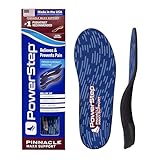
Standard cleat insoles: usually inadequate. Aftermarket cleat insoles: Sole, PowerStep Pinnacle (basketball/cleat), Dr. Scholl (with cleat-appropriate thickness). Custom cleat-specific orthotics: Available from podiatrists; thinner profile than standard custom orthotics; address biomechanical issues during sport. Custom orthotics in cleats: may need modification of standard custom orthotics; discuss with podiatrist.
Address Pre-Existing Conditions Before Sport
Pre-season checklist: Address bunions/hammertoes pre-season; treat plantar fasciitis aggressively pre-season; custom orthotics adjusted for cleats; wide-fitting cleats for foot deformities; pain management plan for chronic conditions. Adolescent athletes: screen for Severs disease (heel) and Iselin disease (5th metatarsal) common in young soccer players.
Lacing and Fit Adjustments
Common solutions: Loosen laces over painful areas; “lace skipping” (skip lace through painful areas); adjust tongue position; consider boots with BOA or speed-lace systems for more precise tension control; appropriate sock layering.
Cold Weather Cleat Considerations
Late-season football, lacrosse, soccer: Cold reduces circulation; cleat material may not provide insulation. Solutions: Thicker thermal socks; toe warmers (chemical); heated insoles for severe cases; address PAD or Raynaud phenomenon if applicable.
Sports-Specific Best Cleat Brands
Soccer: Nike Mercurial (narrow); Adidas Predator (medium); Puma King (wider); Mizuno Morelia (wider). Football: Nike Vapor (skill positions); Under Armour Highlight (linemen); Adidas Adizero (skill). Baseball: New Balance 4040v6; Mizuno Dominant; Under Armour Yard. Lacrosse: Nike Alpha Huarache; Under Armour Spotlight.
When to See a Podiatrist
See us if: cleat-related foot pain persists despite shoe and lacing changes; pre-existing foot conditions limiting sport; suspected fracture (especially ingrown nail with infection signs in soccer/football players); need custom orthotic evaluation for cleats; adolescent athletes with persistent foot pain; pre-season foot evaluation. Book online 24/7 at Balance Foot and Ankle. Schedule online.
Podiatrist-Recommended Products


Frequently Asked Questions About Foot Pain From Cleats
Why do my feet hurt from wearing cleats?
Cleat-specific issues: tight forefoot; cleat stud pressure points; often hard surface beneath foot; inadequate cushioning; long playing sessions; pre-existing conditions worsened.
How do I prevent black toenails from cleats?
Properly fitted cleats (0.5 inches longer than longest toe); proper “heel lock” lacing; trim toenails properly; appropriate technique to prevent sudden stops causing foot sliding.
Should I get custom orthotics for cleats?
Yes for: chronic foot pain; biomechanical issues; serious athletes; pre-existing foot deformities. Cleat-specific custom orthotics or modified standard custom orthotics available.
What sport has the worst cleat foot problems?
Soccer typically – tightest forefoot for ball control. However, all cleat sports cause similar issues. Address with proper fit, custom orthotics, and pre-existing condition management.
What is Iselin disease and is it cleat-related?
Inflammation of growth plate at base of 5th metatarsal in adolescents (ages 9-14). Common in soccer due to peroneus brevis tendon traction. Tight cleats may aggravate.
How do I prevent foot pain in cold weather cleats?
Thicker thermal socks; toe warmers (chemical); heated insoles for severe cases; address underlying PAD or Raynaud; gradual adaptation to cold playing conditions.
When should I see a podiatrist about cleat foot pain?
Pain persists despite shoe/lacing changes; pre-existing conditions limiting sport; suspected fracture; need orthotic evaluation; adolescent athletes with persistent pain; pre-season evaluation for serious athletes.
Related Resources from Balance Foot & Ankle
Still Dealing With Foot Pain From Cleats?
Appointments at Balance Foot & Ankle in Howell & Bloomfield Township, MI.
Book Your Appointment⚕ Doctor Recommended
VitaMedica Arnica GelFragrance-free, non-greasy relief for foot & ankle soreness
View Product →⚠️ Most Common Mistake: Ignoring persistent foot pain and continuing normal activity without evaluation. Early podiatric care prevents minor foot issues from becoming chronic, difficult-to-treat conditions.
Frequently Asked Questions
In-Office Treatment at Balance Foot & Ankle
If home treatment isn’t providing relief for your activity or footwear-related foot pain, our podiatry team at Balance Foot & Ankle can help with expert evaluations and advanced in-office care.
Book online 24/7. (810) 206-1402
🏥 Recommended by Dr. Biernacki — Foundation Wellness Products
These are the same products Dr. Biernacki recommends to his patients at Balance Foot & Ankle in Michigan. Available through our trusted partners.
APMA: Foot Pain Relief and Activity-Related Causes
Ready to Get Relief?
Book online 24/7 in Howell & Bloomfield Township, MI
4.9★ | 1,200+ Reviews | 3,000+ Surgeries
Or call: (810) 206-1402

Dr. Tom Biernacki, DPM is a board-certified foot & ankle surgeon (ABFAS & ABPM) at Balance Foot & Ankle Specialists in Southeast Michigan. With over a decade of clinical experience, he specializes in heel pain, bunions, diabetic foot care, sports injuries, and minimally invasive surgery. Dr. Biernacki is a member of the APMA and ACFAS, and his patient education content on MichiganFootDoctors.com and YouTube has made him one of the most-followed foot & ankle educators on YouTube.