
Medically reviewed by Dr. Tom Biernacki, DPM
Board-certified podiatric surgeon | Balance Foot & Ankle, Howell & Bloomfield Township, MI
Last reviewed: May 2026

| XC Skiing Technique | Foot Stress Focus | Common Injury | Prevention |
|---|---|---|---|
| Classic skiing (diagonal stride) | Ball of foot — heel-to-toe push | Metatarsalgia, plantar fasciitis | Metatarsal pad, heel cushion |
| Skate skiing | Lateral ankle + peroneal tendons | Peroneal tendinopathy, ankle strain | Stiff boot + ankle conditioning |
| Uphill (herringbone) | Achilles + calf — high plantarflexion | Achilles tendinopathy | Calf stretching pre/post ski |
| Downhill tuck (XC terrain) | Sustained quad + foot balance | Foot fatigue, toe cramping | Boot fit + toepiece tension check |
| XC Ski Boot Feature | Importance | What to Check |
|---|---|---|
| Precise heel fit | Critical — heel lift = blisters | Zero heel lift during stride |
| Toe box room | High — cold causes toes to swell | Wiggle room at tips; not tight |
| Sole stiffness (skate vs classic) | High — skate needs stiffer sole | Skate boot: very stiff; classic: semi-flex |
| Insole cushioning | Moderate — OEM insoles are minimal | Replace with thin metatarsal-pad insole |
| Sock compatibility | High — thin XC sock only | Test with intended ski sock, not hiking sock |
Cross-country skiing foot pain is most often from boot pressure points, cold exposure, or arch fatigue. Targeted boot-fitting plus thin-thick sock layering prevents nearly all of it.
You’re in the right place. Dr. Tom Biernacki, DPM, FACFAS — board-certified foot & ankle surgeon with 3,000+ surgeries — explains exactly what foot pain from cross-country skiing means and what works. Call (810) 206-1402 for same-day appointment at Howell or Bloomfield Township.
Quick answer: Foot Pain From Cross Country Skiing has multiple potential causes including mechanical, neurological, vascular, and inflammatory. The most common causes we identify are overuse, ill-fitting shoes, and biomechanical imbalance. Red flags requiring urgent evaluation: warmth/redness (infection), inability to bear weight (fracture), and unilateral swelling without injury (DVT). Call (810) 206-1402.
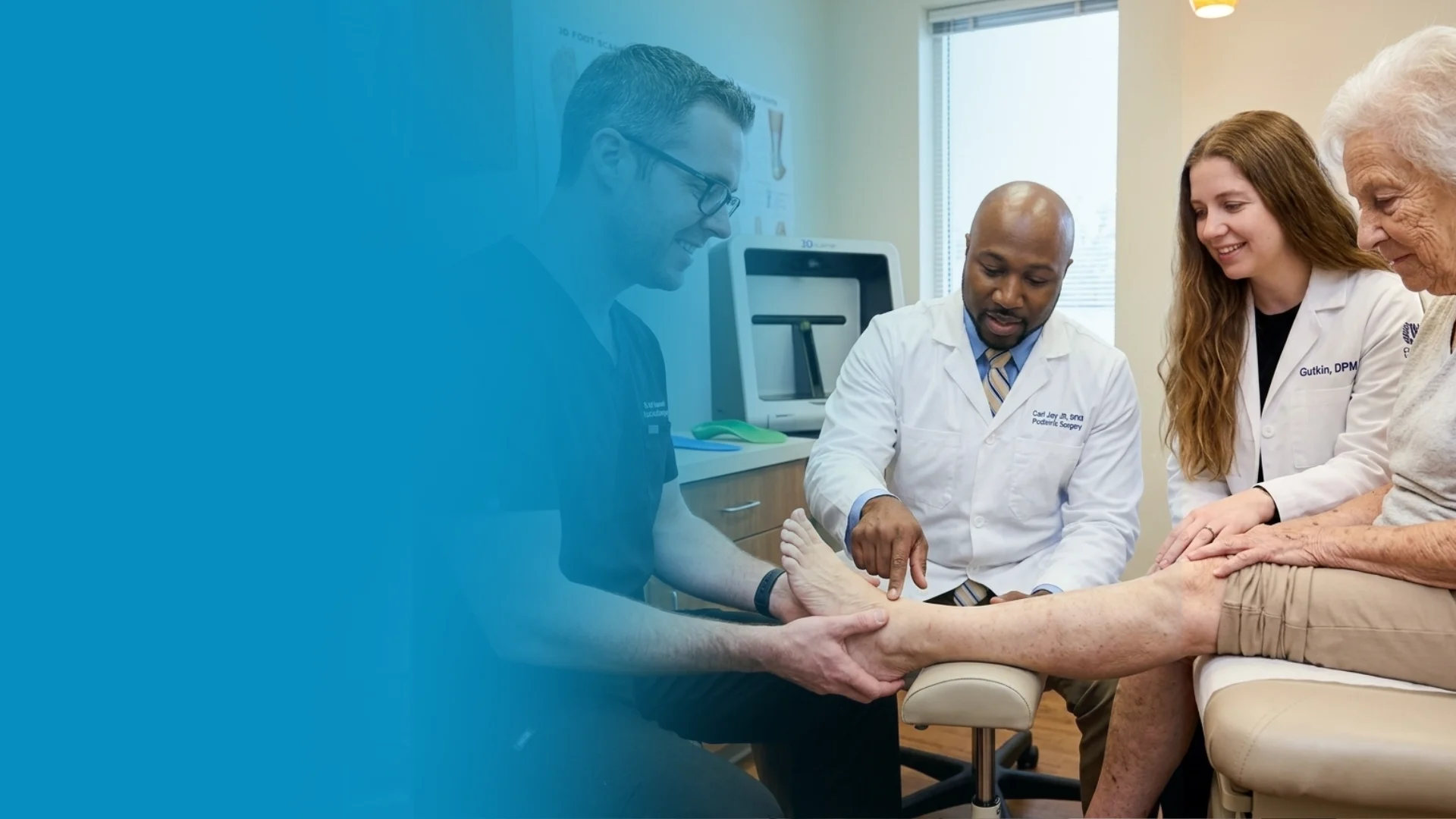
![How to Cure Plantar Fasciitis in One Week? [FAST Heel Pain Relief!]](https://www.michiganfootdoctors.com/wp-content/cache/flying-press/b5600c3bfb9845a6095da8266d8b5363.jpg)
Watch: How to Cure Plantar Fasciitis in One Week? [FAST Heel Pain Relief!] — MichiganFootDoctors YouTube
The most important clinical decision with Foot Pain From Cross Country Skiing isn’t which treatment to start with — it’s identifying the correct subtype. That changes everything. Call (810) 206-1402.
Foot Pain From Cross-Country Skiing: Quick Answer
Cross-country skiing causes specific foot pain through nordic-style movement and ski boots. We help dozens of cross-country skiers yearly at Balance Foot and Ankle. Here is the comprehensive cross-country skiing foot pain guide.
Why Cross-Country Skiing Causes Foot Pain
XC ski demands: Specific boot construction; sustained skiing motion; cold weather; sometimes long-distance touring; classical vs skate technique demands; binding pressure; cumulative training stress. Different from downhill: Less rigid boots; more foot/ankle motion needed; longer endurance demands; different injury patterns.
Most Common XC Ski Foot Issues
1. Foot fatigue: From sustained skiing. 2. Cold feet: Common in winter. 3. Achilles issues: From kick-and-glide motion (classical). 4. Foot pressure points: From boots. 5. Plantar fasciitis flare: Sometimes. 6. Toenail injuries: Sometimes from boot pressure. 7. Ankle stiffness: From boot constraints. 8. Calf cramps: Especially in beginners. 9. Knee/back pain: From mechanics. 10. Foot fungus: From sweaty conditions in boots.
Classical vs Skate Skiing
Classical (kick-and-glide): Traditional XC technique; significant ankle dorsiflexion needed; kick stress on calves. Skate skiing: Newer technique; like ice skating motion; lateral movements; faster typically. Foot demands differ: Classical more Achilles stress; skate more lateral demands. For chronic foot pain: May tolerate one technique better than other.
XC Ski Boot Selection
XC ski boot types: Classical-specific (more flexible); skate-specific (more stable); combi (compromise). Top brands: Salomon; Fischer; Atomic; Madshus; Rossignol; Alpina. Selection: Match to skiing type; quality fit critical; appropriate insulation for conditions; match to binding system. Replace regularly: Quality XC boots last several seasons.
Cold Foot Prevention
Cold feet XC skiing: Common. Solutions: Quality merino wool ski socks; never two sock layers (more cold paradoxically); appropriate boot insulation; sometimes electric heated insoles; breaks indoors when possible; proper layering. Vasoconstriction: Caffeine, nicotine, alcohol worsen cold feet.
Achilles Stress in Classical Skiing
Classical XC and Achilles: Significant stress. Why: Kick-and-glide motion involves powerful Achilles work; sustained throughout ski; cumulative over training. Symptoms: Achilles pain (back of ankle); morning stiffness; pain with calf use. Prevention: Adequate warm-up; gradual progression; calf stretching; address Achilles issues before they become chronic.
Custom Orthotics for XC Skiing
Orthotic considerations: Often beneficial for chronic foot conditions; must fit in XC boots (limited space); thinner profile usually needed. For serious XC skiers: Custom orthotics often help; coordinate with XC ski shop for compatibility; sport-specific design helpful.
Long-Distance XC Touring
Multi-hour or multi-day XC: Significant foot stress. Considerations: Pre-trip foot evaluation if conditions; foot care kit; address developing pain; quality boots properly fitted; sometimes need different boots for touring vs racing; nutrition and hydration. For ultra-distance XC: Especially important to prevent foot crisis.
Pre-Existing Conditions and XC Skiing
XC skiing with foot conditions: Generally well-tolerated. Plantar fasciitis: Sometimes flares; address conditions. Bunions: Sometimes pressure issues with boots. Achilles issues: Sometimes flares with classical skiing. Diabetic foot: Special considerations – daily foot inspection; address minor issues immediately. Address conditions: Before extensive XC season.
When to See a Podiatrist
See us if: chronic XC skiing-related foot pain; pre-existing foot conditions affecting skiing; need orthotic evaluation; recurring foot pain affecting skiing; chronic conditions limiting XC skiing; need boot recommendations; recurring blisters; suspected Achilles tendinopathy; cold feet not improving with measures. Same-week appointments at Balance Foot and Ankle. Schedule online.
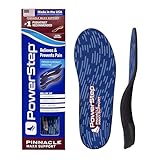
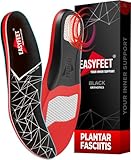
Podiatrist-Recommended Products


Frequently Asked Questions About Foot Pain From Cross-Country Skiing
Why does cross-country skiing hurt my feet?
Specific boot construction; sustained skiing motion; cold weather; sometimes long-distance touring; classical vs skate technique demands; binding pressure; cumulative training stress. Different from downhill – less rigid boots; more foot/ankle motion needed.
Whats the difference between classical and skate XC skiing?
Classical (kick-and-glide): traditional, significant ankle dorsiflexion needed, kick stress on calves. Skate skiing: like ice skating motion, lateral movements, faster typically. Foot demands differ: classical more Achilles stress; skate more lateral demands.
What boots are best for XC skiing?
XC boot types: classical-specific (more flexible); skate-specific (more stable); combi (compromise). Top brands: Salomon; Fischer; Atomic; Madshus; Rossignol; Alpina. Match to skiing type; quality fit critical; appropriate insulation.
How do I keep my feet warm XC skiing?
Quality merino wool ski socks; NEVER two sock layers (more cold paradoxically); appropriate boot insulation; sometimes electric heated insoles; breaks indoors when possible; proper layering. Avoid caffeine, nicotine, alcohol.
Why does my Achilles hurt from classical XC skiing?
Kick-and-glide motion involves powerful Achilles work; sustained throughout ski; cumulative over training. Prevention: adequate warm-up; gradual progression; calf stretching; address Achilles issues before they become chronic.
Can I wear orthotics in XC ski boots?
YES with XC ski boot-appropriate orthotics. Must fit in XC boots (limited space); thinner profile usually needed. For serious XC skiers: custom orthotics often help; coordinate with XC ski shop for compatibility.
When should I see a podiatrist about XC skiing foot pain?
Chronic XC skiing-related foot pain; pre-existing foot conditions affecting skiing; need orthotic evaluation; recurring foot pain affecting skiing; chronic conditions limiting XC skiing; need boot recommendations; recurring blisters; suspected Achilles tendinopathy.
Related Resources from Balance Foot & Ankle
Still Dealing With Foot Pain From Cross-Country Skiing?
Same-week appointments at Balance Foot & Ankle in Howell & Bloomfield Township, MI.
Book Your Appointment⚕ Doctor Recommended
Doctor Hoy’s Natural Pain ReliefTopical relief for foot & ankle pain
View Product →In-Office Treatment at Balance Foot & Ankle
If home treatment isn’t providing relief for your foot pain from cross country skiing, our podiatry team at Balance Foot & Ankle can help with same-day evaluations and advanced in-office care.
APMA: Foot Pain Relief and Activity-Related Causes
Ready to Get Relief?
Same-day appointments available in Howell & Bloomfield Township, MI
4.9★ | 1,123 Reviews | 3,000+ Surgeries
Or call: (810) 206-1402

Dr. Tom Biernacki, DPM is a board-certified foot & ankle surgeon (ABFAS & ABPM) at Balance Foot & Ankle Specialists in Southeast Michigan. With over a decade of clinical experience, he specializes in heel pain, bunions, diabetic foot care, sports injuries, and minimally invasive surgery. Dr. Biernacki is a member of the APMA and ACFAS, and his patient education content on MichiganFootDoctors.com and YouTube has made him one of the most-followed foot & ankle educators on YouTube.