
Medically reviewed by Dr. Tom Biernacki, DPM
Board-certified podiatric surgeon | Balance Foot & Ankle, Howell & Bloomfield Township, MI
Last reviewed: May 2026

| Court Surface | Impact Hardness | Foot Injury Risk | Shoe Priority |
|---|---|---|---|
| Hard court (outdoor) | Very High | Plantar fasciitis, stress fracture, metatarsalgia | Max cushion hard court shoe |
| Indoor hard court | High | Similar to outdoor, slightly less | Indoor court shoe with cushion |
| Clay court | Moderate | Lower overall — ankle sprain from uneven surface | Clay-specific herringbone sole |
| Grass court | Low-Moderate | Ankle sprain (slipping), blister (new shoe) | Grass-specific flat sole |
| Carpet (indoor) | Low | Low impact but high blister risk | Carpet-specific shoe |
| Tennis Foot Condition | Cause | Prevention | Treatment |
|---|---|---|---|
| Plantar Fasciitis | Hard court impact + lateral loading | Cushioned shoes + orthotics + stretch | Night splint, ice, anti-inflammatories |
| Turf Toe | Toe jamming during lunges | Stiff-soled shoe, proper court shoes | Rest, buddy tape, stiff insole |
| Ankle Sprain | Direction change, lateral cut | Ankle-support shoe, ankle exercises | RICE protocol, functional rehab |
| Blisters | Side-to-side sliding in stiff shoes | Break in shoes, wool socks, Body Glide | Hydrocolloid bandage |
| Stress Fracture | High-volume hard court + inadequate cushion | Cushioned shoe, training load management | Rest 6–8 weeks, podiatrist evaluation |
Trampoline park foot pain is common — combining hours of repetitive impact, awkward landings, and the wrong shoes (or no shoes). Most cases resolve with rest, but some lead to stress fractures.
You’re in the right place. Dr. Tom Biernacki, DPM, FACFAS — board-certified foot & ankle surgeon with 3,000+ surgeries — explains exactly what foot pain from a trampoline park means and what works. Call (810) 206-1402 for same-day appointment at Howell or Bloomfield Township.
Quick answer: Foot Pain From Trampoline Park has multiple potential causes including mechanical, neurological, vascular, and inflammatory. The most common causes we identify are overuse, ill-fitting shoes, and biomechanical imbalance. Red flags requiring urgent evaluation: warmth/redness (infection), inability to bear weight (fracture), and unilateral swelling without injury (DVT). Call (810) 206-1402.
Medically Reviewed | Dr. Tom Biernacki, DPM | Board-Certified Podiatrist | Balance Foot & Ankle, Michigan
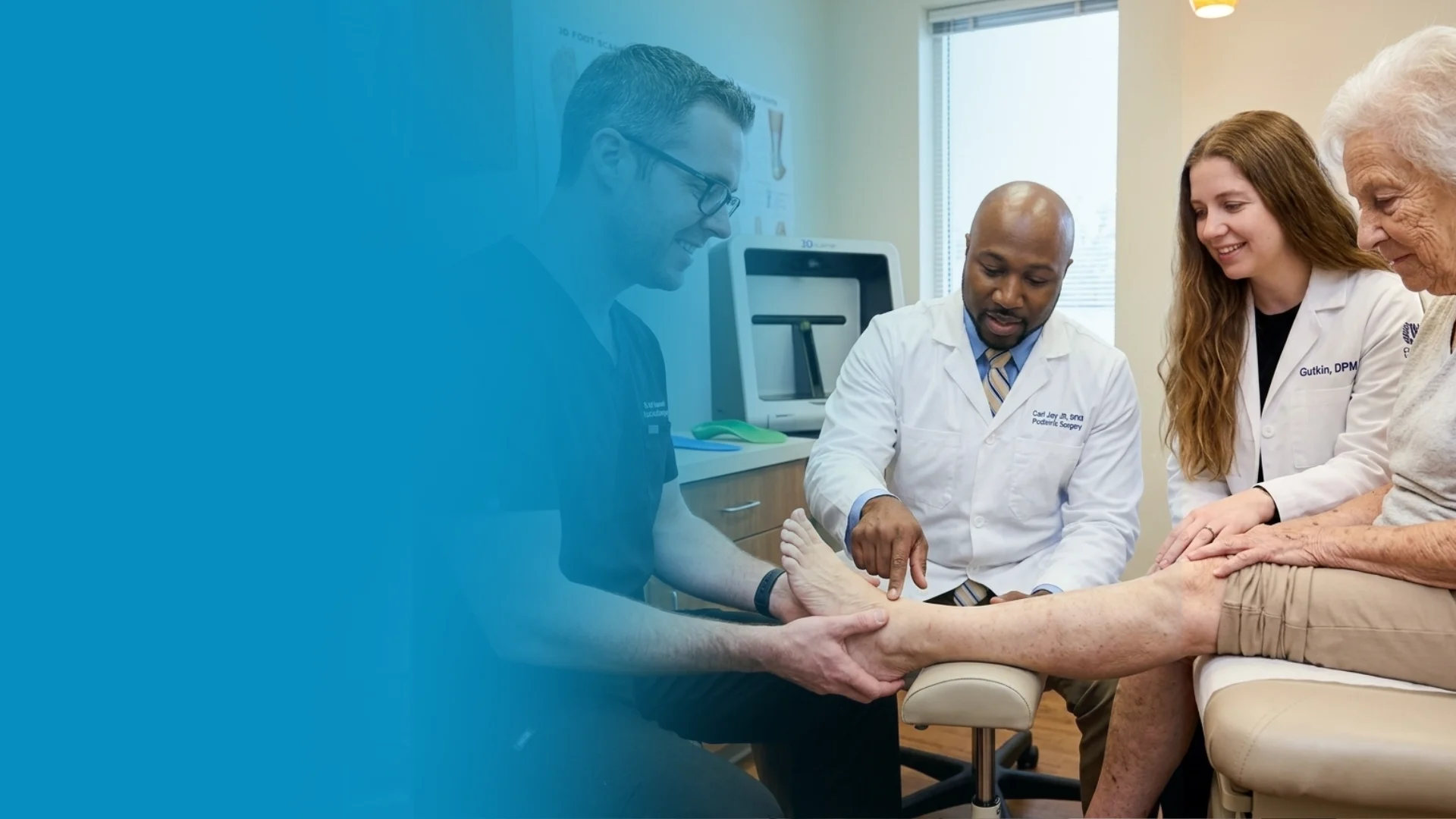
![How to Cure Plantar Fasciitis in One Week? [FAST Heel Pain Relief!]](https://www.michiganfootdoctors.com/wp-content/cache/flying-press/b5600c3bfb9845a6095da8266d8b5363.jpg)
Watch: How to Cure Plantar Fasciitis in One Week? [FAST Heel Pain Relief!] — MichiganFootDoctors YouTube
The most important clinical decision with Foot Pain From Trampoline Park isn’t which treatment to start with — it’s identifying the correct subtype. That changes everything. Call (810) 206-1402.
Foot Pain From Trampoline Park: Quick Answer
Trampoline parks cause significant foot pain – the cumulative bouncing, hard landings, and sometimes inadequate footwear create unique foot stresses. We help dozens of trampoline park enthusiasts yearly at Balance Foot and Ankle. Here is the comprehensive trampoline park foot pain guide.
Why Trampoline Parks Cause Foot Pain
Trampoline park demands: Cumulative bouncing (often hours); high-volume jumping; landing on potentially uneven mat areas; sometimes hard landings on padded edges; barefoot or grip socks; usually 1-2 hour sessions; sometimes high-intensity (battle dodgeball, foam pits). Compared to home trampoline: Often more intense; commercial settings; cumulative damage over visit.
Most Common Trampoline Park Foot Issues
1. Foot fatigue: Universal complaint. 2. Plantar fasciitis flare: From repetitive impact. 3. Achilles tendinitis: From bouncing demand. 4. Ankle sprains: Common, especially from edges. 5. Stress fractures: Sometimes from prolonged sessions. 6. Foot/leg injuries: From landings. 7. Foot/calf cramps: Common. 8. Knee/hip injuries: Sometimes serious. 9. Foot fungus: Sometimes from grip socks/exposure. 10. Catastrophic injuries: Sometimes from extreme stunts.
Trampoline Park Injury Statistics
Trampoline park injuries: Significantly increased. Common injury locations: Lower extremities (feet, ankles, knees, hips); some serious injuries; sometimes spinal injuries. Higher risk: Multiple jumpers per trampoline; double bouncing; foam pits (paradoxically); battle dodgeball; flips and stunts. Awareness: Trampoline parks have higher injury rates than home trampolines.
Best Footwear
Trampoline park footwear: Usually grip socks required (most parks). Sometimes: Athletic shoes allowed (some parks). For chronic foot pain: Sometimes need to coordinate with park policies; quality grip socks; address foot conditions before visit. Brands: Park-branded grip socks; ToeSox; sometimes generic grip socks.
Cumulative Damage Considerations
Trampoline park sessions: Often 1-2 hours of jumping. Cumulative effect: Significant foot stress; sometimes more than expected; foot conditions can flare; sometimes injuries delayed onset. For chronic foot pain: Limit sessions; address conditions before; quality footwear (when allowed); rest days between visits.
Children and Trampoline Parks
Children at trampoline parks: Common but injury risk significant. Considerations: Growth plate considerations; sometimes serious injuries; supervision important; age limits enforced; appropriate areas for age. Foot health: Address foot pain promptly; quality grip socks; appropriate sessions length; supervision during activity.
Specific Trampoline Park Activities
Open jumping: Foot stress from cumulative bouncing. Foam pit: Sometimes ankle/foot injuries from landing. Battle dodgeball: Sometimes injuries from collisions. Wall trampolines: Sometimes injuries from contact. Trampoline basketball: Sometimes ankle sprains. Each activity: Different injury risks.
Custom Orthotics and Trampoline Parks
Cant typically use orthotics in grip socks: No shoe to put orthotic in. For chronic foot pain: Address outside trampoline park; quality everyday shoes with orthotics; sometimes modify trampoline park visits.
When Trampoline Pain Indicates Issue
RED FLAGS: Severe pain not improving over days; suspected stress fracture (localized pinpoint pain); ankle sprain that wont heal; foot/ankle deformity from injury; cant bear weight; severe disproportionate pain. Many trampoline park injuries: Need urgent evaluation.
When to See a Podiatrist
See us if: trampoline park foot pain persists more than a week; suspected stress fracture; recurring ankle sprains from trampoline parks; chronic foot conditions affecting trampoline park visits; need orthotic evaluation; need foot care recommendations; significant foot injury from trampoline park activity. Same-week appointments at Balance Foot and Ankle. Schedule online.
Podiatrist-Recommended Products


Frequently Asked Questions About Foot Pain From Trampoline Park
Why do trampoline parks hurt my feet?
Cumulative bouncing (often hours); high-volume jumping; landing on potentially uneven mat areas; sometimes hard landings on padded edges; barefoot or grip socks; usually 1-2 hour sessions; sometimes high-intensity activities.
Are trampoline parks safe?
INJURY RATES SIGNIFICANT. Common injury locations: lower extremities (feet, ankles, knees, hips); some serious injuries; sometimes spinal injuries. Higher risk: multiple jumpers per trampoline; double bouncing; foam pits; battle dodgeball; flips and stunts.
What should I wear to a trampoline park?
Usually grip socks required (most parks). Sometimes athletic shoes allowed (some parks). For chronic foot pain: coordinate with park policies; quality grip socks; address foot conditions before visit. Brands: park-branded grip socks; ToeSox.
How long should I jump at a trampoline park?
Typical sessions 1-2 hours. Cumulative effect significant – foot stress more than expected; foot conditions can flare. For chronic foot pain: limit sessions; address conditions before; rest days between visits.
Are trampoline parks safe for kids?
INJURY RISK significant. Considerations: growth plate considerations; sometimes serious injuries; supervision important; age limits enforced; appropriate areas for age. Foot health: address foot pain promptly; quality grip socks.
What if I get injured at a trampoline park?
Many trampoline park injuries need urgent evaluation. RED FLAGS: severe pain not improving over days; suspected stress fracture; ankle sprain that wont heal; foot/ankle deformity from injury; cant bear weight.
When should I see a podiatrist about trampoline park foot pain?
Trampoline park foot pain persists more than a week; suspected stress fracture; recurring ankle sprains from trampoline parks; chronic foot conditions affecting visits; need orthotic evaluation; significant foot injury from activity.
Related Resources from Balance Foot & Ankle
Still Dealing With Foot Pain From Trampoline Park?
Same-week appointments at Balance Foot & Ankle in Howell & Bloomfield Township, MI.
Book Your Appointment⚕ Doctor Recommended
Doctor Hoy’s Natural Pain ReliefTopical relief for foot & ankle pain
View Product →Frequently Asked Questions
Podiatrist-Recommended Products
These are the products Dr. Tom recommends most often in his clinic at Balance Foot & Ankle for lasting foot pain relief:
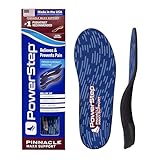
- PowerStep Pinnacle Arch Support Insoles — #1 clinic recommendation for arch support and heel pain relief
- Doctor Hoy’s Natural Pain Relief Gel — Fast-acting topical relief used and trusted by podiatrists
- CURREX RunPro Insoles — Dynamic arch profile for active patients and runners
As an Amazon Associate, Balance Foot & Ankle earns from qualifying purchases. These recommendations reflect genuine clinical use.
In-Office Treatment at Balance Foot & Ankle
If home treatment isn’t providing relief for your foot pain from trampoline park, our podiatry team at Balance Foot & Ankle can help with same-day evaluations and advanced in-office care.
APMA: Foot Pain Relief and Activity-Related Causes
Ready to Get Relief?
Same-day appointments available in Howell & Bloomfield Township, MI
4.9★ | 1,123 Reviews | 3,000+ Surgeries
Or call: (810) 206-1402

Dr. Tom Biernacki, DPM is a board-certified foot & ankle surgeon (ABFAS & ABPM) at Balance Foot & Ankle Specialists in Southeast Michigan. With over a decade of clinical experience, he specializes in heel pain, bunions, diabetic foot care, sports injuries, and minimally invasive surgery. Dr. Biernacki is a member of the APMA and ACFAS, and his patient education content on MichiganFootDoctors.com and YouTube has made him one of the most-followed foot & ankle educators on YouTube.