
Medically reviewed by Dr. Tom Biernacki, DPM
Board-certified podiatric surgeon | Balance Foot & Ankle, Howell & Bloomfield Township, MI
Last reviewed: May 2026

| Condition | Cause | Location | Fix |
|---|---|---|---|
| Hot foot / metatarsalgia | Pedal pressure on metatarsal heads, stiff sole | Ball of foot, burning | Move cleat back, metatarsal pad, wider shoe |
| Plantar fasciitis | Stiff sole + arch loading on climbs | Arch and heel | Orthotics, calf stretching, arch support insole |
| Morton’s neuroma | Forefoot compression, narrow shoe | 3rd–4th toe web space, burning/numbness | Wider shoe, metatarsal pad, cleat position adjustment |
| Achilles tendinopathy | Saddle too low, excessive ankle drop on downstroke | Posterior heel/tendon | Raise saddle, float cleats, calf strengthening |
| Ankle sprain | Foot slipping off flat pedal, trail obstacle | Lateral ankle | RICE; ankle brace for return to riding; consider clipless pedals |
| Heel bruise | Flat pedal pin pressure, rocky landings | Plantar heel | Stiffer sole shoe, heel cup insert, thicker sock |
| Setup Factor | Optimal | Consequence if Wrong |
|---|---|---|
| Cleat fore-aft position | Ball of foot over pedal axle (standard) or mid-foot for pain relief | Too far forward = metatarsal overload; too far back = Achilles strain |
| Saddle height | Slight bend in knee at bottom of stroke (25–35°) | Too low = knee pain + plantar fasciitis; too high = hip rocking + Achilles strain |
| Shoe stiffness (BOA/carbon) | Stiffer = more power transfer but less forgiveness | Very stiff sole + narrow toe box = hot foot syndrome |
| Cleat float | 3–6° float for most riders; fixed for high-volume riders | Zero float = knee tracking issues; too much = power loss |
| Shoe width | Wide enough for natural toe splay under load | Narrow = neuroma, metatarsalgia, toenail trauma |
Rough terrain through stiff soles puts unique stress on feet — here is the prevention plan.
You are in the right place. Dr. Tom Biernacki, DPM, FACFAS — board-certified foot & ankle surgeon with 3,000+ surgeries — explains exactly what foot pain from mountain biking means and what works. Call (810) 206-1402 for same-day appointment at Howell or Bloomfield Township.
Quick answer: Foot Pain From Mountain Biking has multiple potential causes including mechanical, neurological, vascular, and inflammatory. The most common causes we identify are overuse, ill-fitting shoes, and biomechanical imbalance. Red flags requiring urgent evaluation: warmth/redness (infection), inability to bear weight (fracture), and unilateral swelling without injury (DVT). Call (810) 206-1402.
Medically Reviewed | Dr. Tom Biernacki, DPM | Board-Certified Podiatrist | Balance Foot & Ankle, Michigan
Watch: Flat Feet and Heel Pain Best Running Shoes 2026 — MichiganFootDoctors YouTube
The most important clinical decision with Foot Pain From Mountain Biking isn’t which treatment to start with — it’s identifying the correct subtype. That changes everything. Call (810) 206-1402.
Foot Pain From Mountain Biking: Quick Answer
Mountain biking causes unique foot pain – the technical demands, varied terrain, and impact loads create different stresses than road cycling. We help dozens of mountain bikers yearly at Balance Foot and Ankle. Here is the comprehensive mountain biking foot care guide.
Why Mountain Biking Causes Foot Pain
MTB-specific demands: Variable terrain (smooth to technical); impact landings from drops/jumps; standing climbs more common; descent hand/foot pressure; longer rides than road typically; carrying bike on hike-a-bike sections; falls and crashes; weather variability; off-bike walking in cycling shoes. Compared to road cycling: more impact, more variability, more crash risk.
Most Common MTB Foot Injuries
1. Foot impact injuries: From drops, rocks, crashes. 2. Pedal strikes: Foot bruising from pedal contact. 3. Ankle sprains: From falls or unclipping issues. 4. Hot foot: Less common than road but still occurs. 5. Plantar fasciitis: From walking sections in cycling shoes. 6. Achilles tendinitis: From sustained climbing. 7. Stress fractures: Less common but possible. 8. Pedal cleat issues: Specific to cleated pedals. 9. Toe injuries: From rocks, crashes.
Flat vs Clipless Pedals (Major Decision)
Flat pedals: No cleat attachment; can put foot down quickly; better for technical sections (drops, jumps); easier for beginners; some pros prefer. Clipless pedals (SPD): Cleat attaches to pedal; more efficient power transfer; harder to dismount quickly; can cause cleat-related foot issues. For foot pain prone: Often flat pedals more comfortable; sticky shoes (5.10 Stealth rubber) provide grip without cleats. Many MTB pros: use flats for downhill, clipless for cross-country.
MTB Shoe Selection
Flat pedal shoes: 5.10 Freerider (most popular); Specialized 2FO Flat; Bontrager Flatline. Clipless MTB shoes: 5.10 Kestrel; Shimano ME7; Giro Chamber; Specialized 2FO Cliplite. For foot pain prone: Wider models; better ventilation; stiffer sole helps power transfer (and reduces forefoot stress); sometimes custom orthotics. Shoes appropriate for hike-a-bike: especially important for technical riders.
Pedal Strikes and Foot Injuries
Pedal strikes: Foot/ankle hit by pedal during pedaling motion (especially with flat pedals); can cause bruising, lacerations. Causes: Foot positioning errors; flat pedals with pins (sharp); aggressive riding. Prevention: Proper pedaling technique; appropriate pedal selection (smaller pins less injury but less grip); protective socks/shoes; learn proper foot position. Treatment: Ice; elevation; X-ray if significant injury; tetanus current.
Crash and Fall Injuries
MTB falls common: Foot/ankle injuries frequent. Common injuries: Ankle sprains (from clipless dismounts or twisting falls); Lisfranc injuries; metatarsal fractures; toe injuries; foot lacerations. Same-day evaluation needed for: Cant bear weight; severe deformity; inability to move foot/ankle; suspected dislocation; deep wound. Many MTB-related foot injuries: appear minor initially but progress.
Custom Orthotics for MTB
MTB orthotic considerations: Must accommodate impact landings; cant be too rigid; should provide some shock absorption; good for chronic foot pain prevention. Different from road cycling orthotics: Less stiff; more shock absorption; some lateral stability. Worth considering: Chronic foot pain limiting riding; pre-existing foot conditions; long-distance MTB rides; competition.
Foot Care for Multi-Day MTB Trips
Multi-day rides/tours: Significant cumulative foot stress. Strategies: Pre-trip foot conditioning; address pre-existing conditions; backup shoes for camp/hiking; foot care kit (blister treatment, anti-fungal, ibuprofen); ice/elevation in evenings; proper hydration; cross-train pre-trip. Multi-day races (TransAlp, etc.): Even more important; medical podiatry support if available.
When to See a Podiatrist
See us if: MTB-related foot pain persists more than 1-2 weeks; suspected stress fracture from impact; recurring ankle sprains; suspected Lisfranc injury (severe); need orthotic evaluation; chronic conditions affecting MTB; pedal strike with non-resolving injury; pre-trip evaluation for major rides; cleat-related pain. Same-week appointments at Balance Foot and Ankle. Schedule online.
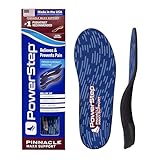
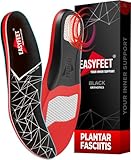
Podiatrist-Recommended Products


Frequently Asked Questions About Foot Pain From Mountain Biking
Why does mountain biking hurt my feet?
Variable terrain; impact landings from drops/jumps; standing climbs more common; descent hand/foot pressure; longer rides; carrying bike on hike-a-bike sections; falls and crashes; off-bike walking in cycling shoes. More impact and variability than road cycling.
Should I use flat or clipless pedals for MTB?
Flat: no cleat, can put foot down quickly, better for technical sections, easier for beginners, some pros prefer. Clipless: more efficient, better power transfer, harder to dismount quickly. For foot pain prone: flat often more comfortable.
What are the best MTB shoes for foot pain?
Flat pedal: 5.10 Freerider, Specialized 2FO Flat, Bontrager Flatline. Clipless: 5.10 Kestrel, Shimano ME7, Giro Chamber. Wider models, better ventilation, stiffer sole for foot pain prone. Custom orthotics often help.
How do I prevent pedal strikes?
Proper pedaling technique; appropriate pedal selection (smaller pins less injury but less grip); protective socks/shoes; learn proper foot position. With flat pedals: especially important to position feet centered.
Are MTB injuries serious for feet?
Can be. Common: ankle sprains (from clipless dismounts or twisting falls); Lisfranc injuries; metatarsal fractures; toe injuries; foot lacerations. Same-day evaluation if cant bear weight, severe deformity, suspected dislocation.
Can I wear orthotics for MTB?
YES with MTB-appropriate orthotics. Must accommodate impact landings; cant be too rigid; should provide shock absorption. Different from road cycling orthotics: less stiff; more shock absorption; some lateral stability.
When should I see a podiatrist about MTB foot pain?
Pain persists more than 1-2 weeks; suspected stress fracture from impact; recurring ankle sprains; suspected Lisfranc injury; need orthotic evaluation; chronic conditions affecting MTB; pedal strike with non-resolving injury; pre-trip evaluation.
Related Resources from Balance Foot & Ankle
Still Dealing With Foot Pain From Mountain Biking?
Same-week appointments at Balance Foot & Ankle in Howell & Bloomfield Township, MI.
Book Your AppointmentFrequently Asked Questions
When should I see a doctor?
See a podiatrist if pain persists past 2 weeks, prevents normal activity, or is accompanied by red-flag symptoms (warmth, swelling, numbness, inability to bear weight).
Can I treat this at home?
Mild cases respond to RICE protocol (rest, ice, compression, elevation), supportive shoes, and OTC anti-inflammatories. Persistent symptoms need professional evaluation.
How long does it take to heal?
Most soft tissue injuries resolve in 2-6 weeks with appropriate care. Bone injuries take 6-12 weeks. Chronic conditions need longer-term management.
⚠️ Most Common Mistake: Ignoring persistent foot pain and continuing normal activity without evaluation. Early podiatric care prevents minor foot issues from becoming chronic, difficult-to-treat conditions.
Frequently Asked Questions
🏥 Recommended by Dr. Biernacki — Foundation Wellness Products
These are the same products Dr. Biernacki recommends to his patients at Balance Foot & Ankle in Michigan. Available through our trusted partners.
In-Office Treatment at Balance Foot & Ankle
If home treatment isn’t providing relief for your foot pain, our podiatry team at Balance Foot & Ankle can help with same-day evaluations and advanced in-office care.
APMA: Foot Pain Relief and Activity-Related Causes
Ready to Get Relief?
Same-day appointments available in Howell & Bloomfield Township, MI
4.9★ | 1,123 Reviews | 3,000+ Surgeries
Or call: (810) 206-1402

Dr. Tom Biernacki, DPM is a board-certified foot & ankle surgeon (ABFAS & ABPM) at Balance Foot & Ankle Specialists in Southeast Michigan. With over a decade of clinical experience, he specializes in heel pain, bunions, diabetic foot care, sports injuries, and minimally invasive surgery. Dr. Biernacki is a member of the APMA and ACFAS, and his patient education content on MichiganFootDoctors.com and YouTube has made him one of the most-followed foot & ankle educators on YouTube.