
Medically reviewed by Dr. Tom Biernacki, DPM
Board-certified podiatric surgeon | Balance Foot & Ankle, Howell & Bloomfield Township, MI
Last reviewed: May 2026

| Symptom | Likely Cause | Cleat Fix | Shoe Fix |
|---|---|---|---|
| Ball of foot burning (hot foot) | Metatarsal head pressure, cleat too far forward | Move cleat toward heel 5–10mm | Wider toe box, metatarsal pad insole |
| Numbness in toes 3–4 | Morton’s neuroma territory, forefoot compression | Move cleat back; add cleat wedge | Wider shoe, loose shoe over metatarsals mid-ride |
| Heel pain / arch pain | Poor arch support, flat insole, saddle too low | N/A | Custom or aftermarket cycling-specific footbed |
| Top of foot pain | Strap or BOA pressure over extensor tendons | N/A | Loosen top strap, reposition BOA dial, tongue pad |
| Big toe numbness | Cleat too far medial, medial nerve compression | Move cleat laterally (outward) | Wider toe box |
| Achilles / posterior heel pain | Saddle too low, ankle over-plantarflexed at bottom | Raise saddle height | Heel wedge insole |
| Cycling Footbed Option | Cost | Best For | Notes |
|---|---|---|---|
| Factory insole (remove and replace) | $0 | Nobody — virtually all factory insoles are flat and ineffective | Replace immediately |
| Superfeet Carbon cycling footbed | ~$50 | Most riders — firm, thin, good arch | Fits most road and MTB shoes |
| Sidas cycling insoles | $40–$80 | Moderate arch support needs | Multiple arch height options |
| G8 2620 Pro Series | ~$60 | Riders who need adjustable arch height | Interchangeable arch inserts |
| Custom podiatric footbed (cycling-specific) | $300–$500 | Chronic pain, complex biomechanics, high-volume riders | Cast or scanned from foot; best long-term outcome |
| Bont heat-moldable insole | $60–$100 | Bont shoe owners; heat-mold for custom fit | Excellent for Bont ecosystem |
Cycling shoes that pinch or rub need fitting tweaks — here is how to dial them in.
You are in the right place. Dr. Tom Biernacki, DPM, FACFAS — board-certified foot & ankle surgeon with 3,000+ surgeries — explains exactly what foot pain from cycling shoes means and what works. Call (810) 206-1402 for same-day appointment at Howell or Bloomfield Township.
Quick answer: Foot Pain From Cycling Shoes has multiple potential causes including mechanical, neurological, vascular, and inflammatory. The most common causes we identify are overuse, ill-fitting shoes, and biomechanical imbalance. Red flags requiring urgent evaluation: warmth/redness (infection), inability to bear weight (fracture), and unilateral swelling without injury (DVT). Call (810) 206-1402.
Watch: Flat Feet and Heel Pain Best Running Shoes 2026 — MichiganFootDoctors YouTube
The most important clinical decision with Foot Pain From Cycling Shoes isn’t which treatment to start with — it’s identifying the correct subtype. That changes everything. Call (810) 206-1402.
Foot Pain From Cycling Shoes: Quick Answer
Cycling shoes cause foot pain in many cyclists – the rigid construction, cleat positioning, and tight fit create unique foot challenges. We help dozens of cyclists yearly at Balance Foot and Ankle. Here is the comprehensive cycling shoe foot pain guide.
Why Cycling Shoes Cause Foot Pain
Cycling shoe demands: Rigid carbon or plastic sole (no foot flexion); tight fit for performance; cleated pedal interface concentrates pressure; minimal cushion (efficiency over comfort); often warmer than open shoes; long-distance rides; specific cleat position determines stress patterns. Trade-off: efficiency requires rigidity which can cause discomfort.
Most Common Cycling Shoe Foot Issues
1. Hot foot (burning forefoot): Most common; pressure-related. 2. Numbness and tingling: Various nerve compressions. 3. Mortons neuroma irritation: From shoe pressure. 4. Sesamoiditis: From cleat positioning. 5. Bunion pain: From narrow toe box. 6. Achilles issues: From shoe heel design. 7. Toe pain: From toe box compression. 8. Knee pain: Foot-related from cleat alignment. 9. Calf strain: From cleat position issues.
Cycling Shoe Categories
Road cycling shoes: Stiffest sole; 3-bolt cleat (Look, Shimano SPD-SL); narrow profile; performance-focused. Mountain biking shoes: 2-bolt SPD cleat (recessed); easier walking; some flex. Triathlon shoes: Often 3-bolt; designed for quick transitions; minimal sock use. Touring/casual cycling shoes: 2-bolt SPD; more comfort focus; can walk in. For foot pain: triathlon and casual shoes often more comfortable; mountain shoes most practical.
Cleat Position Optimization
Standard position: Over ball of foot (1st metatarsal head). Modifications for foot pain: 1. Move back from standard: Reduces forefoot pressure (good for hot foot, sesamoiditis); some elite cyclists use this. 2. Cleat rotation: Match natural foot angle; avoid forced toe-in/out. 3. Wedges: Address forefoot tilt; correct varus/valgus. Professional bike fit: critical for serious cyclists; significant differences in comfort and performance.
Shoe Sizing for Cycling
Cycling shoe sizing: Should be snug but not painful; toes should not press front; wider toe box options exist. Common error: Cycling shoes too small (especially for thermal expansion during long rides). Recommendation: Get fitted at cycling shop; try multiple brands (different lasts); consider wider widths if needed; allow for slight foot expansion during long rides; prioritize comfort over performance for long-distance cycling.
Custom Orthotics for Cycling
Cycling orthotic benefits: Address arch issues; reduce hot foot; improve power transfer; reduce cleat-related issues. Considerations: Lower profile needed (cycling shoe space limited); carbon fiber often used; sport-specific design important. Brands: Specialized SHIM cycling orthotics; eSoles cycling; custom from sports podiatrist. Many serious cyclists use custom orthotics: especially those with chronic foot pain.
Hot Foot Solutions
Hot foot: Most common cycling foot complaint. Multifaceted approach: 1. Loosen shoe straps; 2. Reposition cleats back; 3. Add metatarsal pads; 4. Custom orthotics; 5. Better-ventilated shoes; 6. Periodic out-of-saddle on long rides; 7. Address underlying Mortons neuroma; 8. Stop and remove shoes briefly on long rides; 9. Consider wider shoes; 10. Address pre-existing forefoot conditions.
Bike Fit and Cycling Shoes
Bike fit affects shoe comfort: Saddle position; reach; bar height; cleat position. Common errors: Saddle too low/high (affects foot pressure); excessive reach (forward weight on feet); cleat misalignment. Solutions: Professional bike fit; learn basic principles; address issues with cycling expert; sometimes shoe issues actually bike fit problems.
When to Switch Cycling Shoe Type
Consider switching if: Persistent hot foot despite optimization; chronic foot pain; cant tolerate stiff sole; wider feet not accommodated; ongoing knee/foot issues from cleats; pre-existing severe forefoot deformity. Alternatives: Mountain bike shoes (more flex); platform pedals (no cleats – some recreational cyclists prefer); flat pedal cycling shoes (5.10 brand). Some patients: simply more comfortable with platforms despite efficiency loss.
When to See a Podiatrist
See us if: cycling shoe foot pain persists despite shoe and cleat changes; suspected Mortons neuroma; persistent hot foot; need cycling-specific orthotic evaluation; chronic conditions affecting cycling; need bike fit recommendation; recurring numbness; suspected stress fracture; significant hammertoe/bunion progression. Same-week appointments at Balance Foot and Ankle. Schedule online.
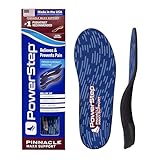
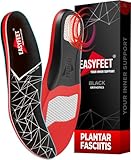
Podiatrist-Recommended Products


Frequently Asked Questions About Foot Pain From Cycling Shoes
Why do cycling shoes hurt my feet?
Rigid sole (no foot flexion); tight fit for performance; cleated pedal interface concentrates pressure; minimal cushion (efficiency over comfort); often warmer than open shoes; specific cleat position determines stress patterns. Trade-off: efficiency requires rigidity.
What is hot foot in cycling?
Burning forefoot during cycling. Most common cycling foot complaint. Multifaceted approach: loosen straps; reposition cleats back; metatarsal pads; custom orthotics; better-ventilated shoes; periodic out-of-saddle; address Mortons neuroma.
Where should cleats be positioned?
Standard: over ball of foot (1st metatarsal head). For foot pain: try moving back slightly (toward middle of foot) – reduces forefoot pressure. Cleat rotation: match natural foot angle. Wedges: address forefoot tilt. Professional bike fit recommended.
What size cycling shoes should I get?
Snug but not painful; toes should not press front; allow for slight foot expansion during long rides. Common error: cycling shoes too small. Get fitted at cycling shop; try multiple brands; consider wider widths if needed.
Can I wear orthotics in cycling shoes?
YES with cycling-specific orthotics. Lower profile needed; carbon fiber often used; sport-specific design important. Brands: Specialized SHIM, eSoles cycling, custom from sports podiatrist. Many serious cyclists benefit significantly.
Should I use cleated or platform pedals?
Cleated: more efficient, better power transfer, but causes hot foot/numbness in some. Platforms: less efficient but comfortable; some recreational cyclists prefer; cycling shoes for flat pedals exist (5.10 brand). Trade-off based on preference and tolerance.
When should I see a podiatrist about cycling shoe foot pain?
Pain persists despite shoe and cleat changes; suspected Mortons neuroma; persistent hot foot; need cycling-specific orthotic evaluation; chronic conditions affecting cycling; need bike fit recommendation; recurring numbness; suspected stress fracture.
Related Resources from Balance Foot & Ankle
Still Dealing With Foot Pain From Cycling Shoes?
Same-week appointments at Balance Foot & Ankle in Howell & Bloomfield Township, MI.
Book Your AppointmentFrequently Asked Questions
When should I see a doctor?
See a podiatrist if pain persists past 2 weeks, prevents normal activity, or is accompanied by red-flag symptoms (warmth, swelling, numbness, inability to bear weight).
Can I treat this at home?
Mild cases respond to RICE protocol (rest, ice, compression, elevation), supportive shoes, and OTC anti-inflammatories. Persistent symptoms need professional evaluation.
How long does it take to heal?
Most soft tissue injuries resolve in 2-6 weeks with appropriate care. Bone injuries take 6-12 weeks. Chronic conditions need longer-term management.
In-Office Treatment at Balance Foot & Ankle
If home treatment isn’t providing relief for your foot pain, our podiatry team at Balance Foot & Ankle can help with same-day evaluations and advanced in-office care.
APMA: Foot Pain Relief and Activity-Related Causes
Ready to Get Relief?
Same-day appointments available in Howell & Bloomfield Township, MI
4.9★ | 1,123 Reviews | 3,000+ Surgeries
Or call: (810) 206-1402

Dr. Tom Biernacki, DPM is a board-certified foot & ankle surgeon (ABFAS & ABPM) at Balance Foot & Ankle Specialists in Southeast Michigan. With over a decade of clinical experience, he specializes in heel pain, bunions, diabetic foot care, sports injuries, and minimally invasive surgery. Dr. Biernacki is a member of the APMA and ACFAS, and his patient education content on MichiganFootDoctors.com and YouTube has made him one of the most-followed foot & ankle educators on YouTube.