
Medically reviewed by Dr. Tom Biernacki, DPM
Board-certified podiatric surgeon | Balance Foot & Ankle, Howell & Bloomfield Township, MI
Last reviewed: May 2026
| Condition | Rebounder Mechanism | Prevention | Treatment |
|---|---|---|---|
| Plantar fasciitis | Forefoot-first landing, arch stretching under impact | Arch support shoes; warm up calf + fascia before session | Rest 3–5 days, ice, stretching, orthotics |
| Metatarsalgia | Sustained ball-of-foot loading during prolonged sessions | Cushioned forefoot shoe; limit session to 20 min initially | Metatarsal pad, activity modification, NSAIDs |
| Achilles tendinopathy | Repetitive calf-Achilles loading, landing with heel drop | Eccentric calf strengthening before program; heel drop landing technique | Eccentric exercises, reduce session frequency |
| Toe hyperextension | Toe catching mesh surface edge | Shoes with reinforced toe box; quality rebounder with solid edge | Buddy tape if mild sprain; rest if severe |
| Stress fracture (metatarsal) | Cumulative impact; sudden increase in rebound volume | 10% weekly intensity increase rule | Offloading boot 4–6 weeks; imaging required |
| Rebounder Footwear Option | Pros | Cons | Best For |
|---|---|---|---|
| Barefoot | Sensory feedback, intrinsic muscle activation | No arch/heel protection, higher fascia stress | Healthy feet, short <10-min sessions |
| Grip socks (trampoline socks) | Non-slip, minimal protection | Zero arch/heel support | Very light bouncing, balance work |
| Minimalist/zero-drop shoes | Ground feel, lightweight | Minimal cushioning — not for impact work without strong feet | Experienced barefoot athletes only |
| Cross-training shoes | Lateral support, moderate cushioning, flat sole for stability | Less forefoot flex than dedicated rebounder shoes | Most recreational rebounders — best all-around |
| Dedicated rebounder shoes (Cellerciser, etc.) | Designed for rebounder biomechanics | Limited use outside rebounder; higher cost | Daily rebounder users with foot pain history |
Mini-trampoline workouts have unique foot demands — here is how to bounce without breaking down.
You are in the right place. Dr. Tom Biernacki, DPM, FACFAS — board-certified foot & ankle surgeon with 3,000+ surgeries — explains exactly what foot pain from rebounder means and what works. Call (810) 206-1402 to book at Howell or Bloomfield Township.
Quick answer: Foot Pain From Rebounder has multiple potential causes including mechanical, neurological, vascular, and inflammatory. The most common causes we identify are overuse, ill-fitting shoes, and biomechanical imbalance. Red flags requiring urgent evaluation: warmth/redness (infection), inability to bear weight (fracture), and unilateral swelling without injury (DVT). Call (810) 206-1402.

Watch: Flat Feet and Heel Pain Best Running Shoes 2026 — MichiganFootDoctors YouTube
Foot Pain From Rebounder: Quick Answer
Mini trampolines (rebounders) are popular low-impact exercise tools – but they can still cause foot pain in many users. We help dozens of rebounder enthusiasts yearly at Balance Foot and Ankle. Here is the comprehensive rebounder foot pain guide.
Why Rebounders Cause Foot Pain
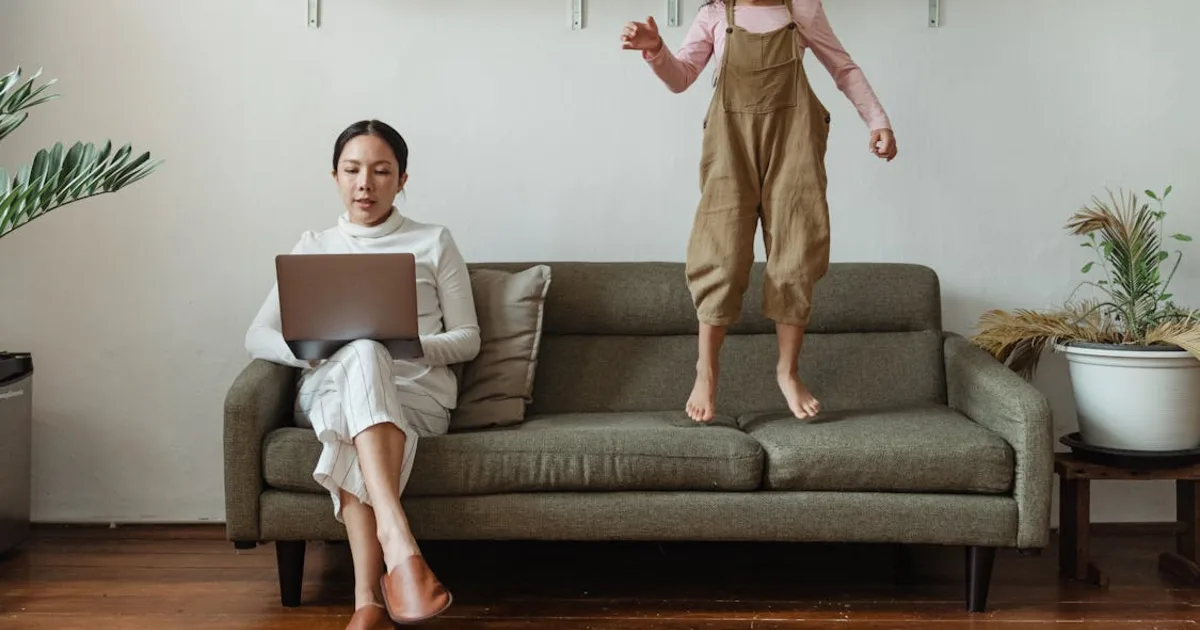
Rebounder demands: Continuous bouncing motion; foot lands on uneven (springy) surface; balance challenges; sustained exercise sessions; often barefoot or in thin shoes; hip and core stabilization demands transmit to feet. Despite low impact: rebounder still causes foot stress in many users; especially beginners or those with foot conditions.
Most Common Rebounder Foot Issues
1. Plantar fasciitis flare: From repetitive bouncing impact. 2. Achilles tendinitis: From bouncing demand on calves. 3. Foot cramps: From intrinsic muscle work. 4. Sesamoiditis: From forefoot loading. 5. Ankle instability: Springy surface challenges. 6. Falls/sprains: Rebounder accidents. 7. Bunion/hammertoe pain: Pressure point aggravation. 8. Calf cramps: Common in beginners. 9. Heel pain: From bouncing impact.
Best Footwear for Rebounder
Options vary: Many rebound enthusiasts go barefoot for proprioception; others prefer cross-trainers for support. Recommendations: Cross-trainers with stable but flexible base (NOT running shoes – too much heel cushion); barefoot or thin shoes for advanced users with strong feet; quality grip socks (Toesox) for hygiene and slight protection. For chronic foot pain: Supportive shoes with arch support; sometimes custom orthotics in shoes.
Form and Position
Proper rebounder form: Land on whole foot (not just toes or heels); soft knees; engaged core; stable base position; balanced movement. Common form errors causing pain: Toe-only landing (forefoot overload); heel-only landing (heel pain); excessive bouncing height (impact); twisting on landing (ankle injury risk); leaning forward (foot mechanics off).
Programming for Rebounder
Beginner approach: Start with 5-10 minutes; gradually increase; 3-4 sessions per week initially; build up gradually. Pain prevention: Quality footwear/orthotic; pre-rebounder warm-up; address pre-existing foot conditions; cross-train; rest days; listen to body. Advanced users: 30-60 minutes possible; daily use OK if no pain; varied workouts (HIIT, dance, etc.); strength training combinations.
Rebounder Selection
Quality matters: Cheap rebounders bottom out and cause more impact; quality rebounders provide proper bounce. Top brands: Bellicon (high-quality, expensive); JumpSport; Cellerciser; Marcy Pro. Features: Spring vs bungee (bungee softer for joints); larger surface (more stable); folding for storage. For foot pain prone: Higher quality rebounder reduces impact and helps prevent foot issues.
Pre-Existing Conditions and Rebounder
Beneficial for many conditions: Plantar fasciitis (sometimes – low impact); flat feet (intrinsic strengthening); general foot weakness; balance issues; ankle stability rehab. May aggravate: Acute plantar fasciitis (initially); active bunion pain; Mortons neuroma; advanced arthritis; recent foot surgery; severe ankle instability without rehab. Approach: Discuss with podiatrist before starting; modify as needed; gradual progression.
Pelvic Floor Considerations
Important for women: Rebounding causes pelvic floor stress; can worsen incontinence in those with weak pelvic floor; often related to childbirth history. Solutions: Pelvic floor strengthening (Kegels); proper form; avoid if severe incontinence until pelvic floor PT; use of supportive products. Otherwise foot mechanics: directly affected by pelvic instability.
When to See a Podiatrist
See us if: rebounder-related foot pain persists more than 1-2 weeks; suspected plantar fasciitis or Achilles issues; recurring ankle sprains from rebounder; need orthotic evaluation; pre-existing conditions worsening with rebounder; need clearance to start rebounder with foot conditions. Book online 24/7 at Balance Foot and Ankle. Schedule online.
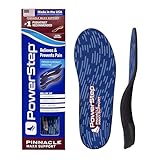
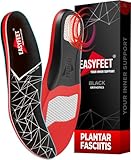
Podiatrist-Recommended Products


Frequently Asked Questions About Foot Pain From Rebounder
Why does rebounding hurt my feet?
Continuous bouncing motion; foot lands on uneven (springy) surface; balance challenges; sustained exercise sessions; often barefoot or thin shoes. Despite low impact, still causes foot stress especially in beginners or those with foot conditions.
Should I wear shoes on a rebounder?
Both options work. Many users go barefoot for proprioception; others prefer cross-trainers for support. For chronic foot pain: supportive shoes with arch support; sometimes custom orthotics. NOT running shoes (too much heel cushion).
Is rebounder good for plantar fasciitis?
Sometimes – lower impact than running. But initially can aggravate. Gradual progression important. Quality supportive shoes/orthotics if used. Some plantar fasciitis sufferers improve with regular rebounder over time; others must avoid temporarily.
What is the best rebounder for foot pain?
Higher quality reduces impact: Bellicon (high-quality, expensive); JumpSport; Cellerciser; Marcy Pro. Bungee softer than springs. Larger surface more stable. Cheap rebounders bottom out and cause more impact.
How long should I rebound for?
Beginners: 5-10 minutes; gradually increase; 3-4 sessions per week initially. Advanced: 30-60 minutes possible; daily use OK if no pain. Address pain early; quality footwear/orthotics; rest days important.
Can rebounding cause incontinence?
YES – rebounding causes pelvic floor stress; can worsen incontinence in those with weak pelvic floor; often related to childbirth history. Solutions: pelvic floor strengthening (Kegels); proper form; pelvic floor PT if severe incontinence.
When should I see a podiatrist about rebounder foot pain?
Pain persists more than 1-2 weeks; suspected plantar fasciitis or Achilles issues; recurring ankle sprains from rebounder; need orthotic evaluation; pre-existing conditions worsening; need clearance to start rebounder.
Related Resources from Balance Foot & Ankle
Still Dealing With Foot Pain From Rebounder?
Appointments at Balance Foot & Ankle in Howell & Bloomfield Township, MI.
Book Your AppointmentFrequently Asked Questions
When should I see a doctor?
See a podiatrist if pain persists past 2 weeks, prevents normal activity, or is accompanied by red-flag symptoms (warmth, swelling, numbness, inability to bear weight).
Can I treat this at home?
Mild cases respond to RICE protocol (rest, ice, compression, elevation), supportive shoes, and OTC anti-inflammatories. Persistent symptoms need professional evaluation.
How long does it take to heal?
Most soft tissue injuries resolve in 2-6 weeks with appropriate care. Bone injuries take 6-12 weeks. Chronic conditions need longer-term management.
In-Office Treatment at Balance Foot & Ankle
If home treatment isn’t providing relief for your foot pain, our podiatry team at Balance Foot & Ankle can help with expert evaluations and advanced in-office care.
APMA: Foot Pain Relief and Activity-Related Causes
Ready to Get Relief?
Book online 24/7 in Howell & Bloomfield Township, MI
4.9★ | 1,200+ Reviews | 3,000+ Surgeries
Or call: (810) 206-1402

Dr. Tom Biernacki, DPM is a board-certified foot & ankle surgeon (ABFAS & ABPM) at Balance Foot & Ankle Specialists in Southeast Michigan. With over a decade of clinical experience, he specializes in heel pain, bunions, diabetic foot care, sports injuries, and minimally invasive surgery. Dr. Biernacki is a member of the APMA and ACFAS, and his patient education content on MichiganFootDoctors.com and YouTube has made him one of the most-followed foot & ankle educators on YouTube.