
Medically reviewed by Dr. Tom Biernacki, DPM
Board-certified podiatric surgeon | Balance Foot & Ankle, Howell & Bloomfield Township, MI
Last reviewed: May 2026
| Spin Foot Pain Type | Cause | During-Class Fix | Long-Term Fix |
|---|---|---|---|
| Hot foot (burning forefoot) | Metatarsal pressure, cleat forward, high cadence | Loosen upper straps; take a flat-foot recovery interval | Move cleat back; metatarsal pad; wider shoe |
| Toe numbness | Narrow shoe, forefoot nerve compression | Briefly loosen shoe; wiggle toes | Wider last shoe; cycling-specific footbed |
| Arch pain | Flat factory insole, no arch support | N/A mid-class | Custom or quality aftermarket cycling insole |
| Top of foot pain | Strap or velcro too tight over extensor tendons | Loosen top strap immediately | Tongue pad; swap to BOA closure for even distribution |
| Heel pain post-class | Saddle too low; plantarflexed ankle at bottom of stroke | Raise saddle height slightly | Bike fit assessment; heel lift insole |
| Cleat Type | Used In | Float | Foot Pain Consideration |
|---|---|---|---|
| SPD (2-bolt, recessed) | Most spin bikes, MTB, commuting | 0–6° (cleat dependent) | Most forgiving; can walk in shoe; easy entry/exit |
| Look Delta (3-bolt) | Peloton, most commercial spin bikes | 9° (standard red cleat) | 9° float = most forgiving for knee/foot alignment |
| Look Keo (3-bolt) | Road bikes; some commercial bikes | 0°, 4.5°, or 9° (cleat color) | Choose 4.5° or 9° float for forefoot pain |
| SPD-SL (3-bolt road) | Road/triathlon; not common in spin | 0°, 2°, or 6° | Select yellow (6°) for maximum float if foot pain present |
Hot foot, numb toes, or arch pain after spin? Cleat position and shoe fit are usually the answer.
You are in the right place. Dr. Tom Biernacki, DPM, FACFAS — board-certified foot & ankle surgeon with 3,000+ surgeries — explains exactly what foot pain from spin class means and what works. Call (810) 206-1402 for same-day appointment at Howell or Bloomfield Township.
Quick answer: Foot Pain From Spin Class has multiple potential causes including mechanical, neurological, vascular, and inflammatory. The most common causes we identify are overuse, ill-fitting shoes, and biomechanical imbalance. Red flags requiring urgent evaluation: warmth/redness (infection), inability to bear weight (fracture), and unilateral swelling without injury (DVT). Call (810) 206-1402.
Medically Reviewed | Dr. Tom Biernacki, DPM | Board-Certified Podiatrist | Balance Foot & Ankle, Michigan
Watch: Flat Feet and Heel Pain Best Running Shoes 2026 — MichiganFootDoctors YouTube
The most important clinical decision with Foot Pain From Spin Class isn’t which treatment to start with — it’s identifying the correct subtype. That changes everything. Call (810) 206-1402.
Foot Pain From Spin Class: Quick Answer
Spin classes (indoor cycling) often cause foot pain – the high-resistance pedaling, sustained position, and clip-in pedal pressure create unique foot stresses. We help dozens of spin enthusiasts yearly at Balance Foot and Ankle. Here is the comprehensive spin class foot pain guide.
Why Spin Class Causes Foot Pain
Spin-specific demands: Sustained position (45-60 min sessions); high-resistance climbing intervals; standing climbs increase foot pressure; clip-in pedals concentrate pressure at single point; rapid cadence sprints; warmer foot temperature (closed shoes, no airflow); often improper bike fit. Different from outdoor cycling: no coasting, more sustained effort, often more intense.
Most Common Spin Class Foot Issues
1. Hot foot (forefoot burning): Most common; from sustained pressure on metatarsal heads. 2. Numbness and tingling: From cleat position and pressure. 3. Mortons neuroma irritation: Common aggravation. 4. Sesamoiditis: From forefoot pressure. 5. Achilles tendinitis: From cycling demands. 6. Bunion pain: From shoe pressure. 7. Knee pain (foot-related): From improper cleat alignment. 8. Calf cramps: Common in beginners. 9. Toe numbness: From shoe tightness.
Hot Foot (Burning Foot Syndrome)
Hot foot: Forefoot burning during cycling. Causes: Sustained pressure on metatarsal heads; nerve compression; tight shoes; cleat position too far forward; insufficient shoe ventilation. Solutions: Loosen shoe straps; reposition cleats further back; metatarsal pads; cooler shoes (more vented); custom orthotics with metatarsal support; periodic out-of-saddle position; address Mortons neuroma if present. Often dramatic improvement with proper interventions.
Cleat Position and Foot Pain
Cleat position critical: Standard position is over ball of foot (1st metatarsal head). Issues: Cleats too far forward (excessive forefoot stress, hot foot); too far back (calf strain); rotation off (knee pain); too narrow stance (hip strain). Adjustment for foot pain: Move cleats slightly back from standard position (toward middle of foot) – reduces forefoot pressure significantly; some research supports this position. Professional bike fit: worth the investment for serious cyclists.
Cycling Shoes for Spin
Spin-appropriate shoes: Compatible with bike pedals (SPD or Look depending on facility); good ventilation; rigid sole for power transfer; comfortable fit but snug. Top brands: Shimano; Giro; Specialized; Pearl Izumi; Bontrager. For foot pain prone: Wider models; better ventilation; stiffer sole (counterintuitively reduces forefoot stress); sometimes custom orthotics in cycling shoes.
Custom Orthotics for Spin/Cycling
Cycling orthotic considerations: Lower profile (cycling shoe space limited); carbon fiber often used; specific to cycling biomechanics; can dramatically reduce hot foot and pressure issues. Many serious spinners benefit: Especially with chronic hot foot; foot pain affecting attendance; pre-existing foot conditions. Sport-specific: Cycling orthotics differ from regular orthotics; cant just use everyday orthotics in cycling shoes.
Out-of-Saddle vs In-Saddle
Out-of-saddle (standing climbs): Increases foot pressure (more weight on feet); good for variation; necessary for some workouts. In-saddle: Less foot pressure; can hold position longer; suspect if mostly seated and getting hot foot. Strategy: Vary position throughout class; relief through position change; proper saddle height affects foot pressure (too low = more forefoot stress).
Bike Fit and Foot Pain
Improper bike fit causes foot pain: Saddle too low (excessive knee flexion, foot pressure); too high (toe pointing, calf strain); too far forward/back (cleat position effective changes). Recommendations: Get professional bike fit if serious cyclist; for casual spin attendees – learn basic adjustment principles; instructors should help with fit at start of class.
Pre-Existing Conditions and Spin
May aggravate: Mortons neuroma (often badly); sesamoiditis; severe bunions; recent foot surgery; advanced metatarsalgia. Sometimes beneficial: Plantar fasciitis (low impact); knee/hip arthritis (low impact); cardiovascular conditioning. Approach: Discuss with podiatrist before starting if foot conditions; modify position/intensity; address foot conditions before adding spin demands.
When to See a Podiatrist
See us if: spin class foot pain persists despite shoe changes; suspected Mortons neuroma (burning between toes); persistent hot foot despite optimization; need cycling shoe orthotic evaluation; recurring foot pain affecting class attendance; pre-existing conditions worsening with spin; need bike fit recommendation referral. Same-week appointments at Balance Foot and Ankle. Schedule online.
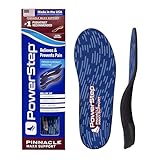
Podiatrist-Recommended Products

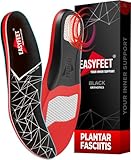

Frequently Asked Questions About Foot Pain From Spin Class
Why do my feet hurt during spin class?
Sustained position (45-60 min); high-resistance climbing; standing climbs increase foot pressure; clip-in pedals concentrate pressure at single point; rapid cadence sprints; warmer foot temperature; often improper bike fit. Different from outdoor cycling.
What is hot foot in cycling?
Forefoot burning during cycling. Causes: sustained pressure on metatarsal heads; nerve compression; tight shoes; cleat position too far forward; insufficient shoe ventilation. Solutions: loosen straps; reposition cleats; metatarsal pads; cooler shoes; custom orthotics.
Where should my cleats be positioned for spin?
Standard: over ball of foot (1st metatarsal head). For foot pain: try moving cleats slightly back from standard (toward middle of foot) – reduces forefoot pressure significantly. Some research supports this position.
What are the best cycling shoes for foot pain?
Wider models; better ventilation; stiffer sole (counterintuitively reduces forefoot stress). Brands: Shimano, Giro, Specialized, Pearl Izumi, Bontrager. Compatible with bike pedals (SPD or Look depending on facility).
Can I wear orthotics in cycling shoes?
YES with cycling-specific orthotics. Lower profile (cycling shoe space limited); carbon fiber often used; specific to cycling biomechanics. Cant use everyday orthotics in cycling shoes – need cycling-specific design.
How do I prevent foot numbness in spin class?
Loosen shoe straps; reposition cleats slightly back; metatarsal pads; cooler shoes; periodic out-of-saddle position; vary position throughout class; address Mortons neuroma if present; custom cycling orthotics for chronic issues.
When should I see a podiatrist about spin class foot pain?
Pain persists despite shoe changes; suspected Mortons neuroma; persistent hot foot despite optimization; need cycling shoe orthotic evaluation; recurring foot pain affecting attendance; pre-existing conditions worsening; need bike fit recommendation.
Related Resources from Balance Foot & Ankle
Still Dealing With Foot Pain From Spin Class?
Same-week appointments at Balance Foot & Ankle in Howell & Bloomfield Township, MI.
Book Your AppointmentFrequently Asked Questions
When should I see a doctor?
See a podiatrist if pain persists past 2 weeks, prevents normal activity, or is accompanied by red-flag symptoms (warmth, swelling, numbness, inability to bear weight).
Can I treat this at home?
Mild cases respond to RICE protocol (rest, ice, compression, elevation), supportive shoes, and OTC anti-inflammatories. Persistent symptoms need professional evaluation.
How long does it take to heal?
Most soft tissue injuries resolve in 2-6 weeks with appropriate care. Bone injuries take 6-12 weeks. Chronic conditions need longer-term management.
⚠️ Most Common Mistake: Ignoring persistent foot pain and continuing normal activity without evaluation. Early podiatric care prevents minor foot issues from becoming chronic, difficult-to-treat conditions.
Frequently Asked Questions
🏥 Recommended by Dr. Biernacki — Foundation Wellness Products
These are the same products Dr. Biernacki recommends to his patients at Balance Foot & Ankle in Michigan. Available through our trusted partners.
In-Office Treatment at Balance Foot & Ankle
If home treatment isn’t providing relief for your foot pain, our podiatry team at Balance Foot & Ankle can help with same-day evaluations and advanced in-office care.
APMA: Foot Pain Relief and Activity-Related Causes
Ready to Get Relief?
Same-day appointments available in Howell & Bloomfield Township, MI
4.9★ | 1,123 Reviews | 3,000+ Surgeries
Or call: (810) 206-1402

Dr. Tom Biernacki, DPM is a board-certified foot & ankle surgeon (ABFAS & ABPM) at Balance Foot & Ankle Specialists in Southeast Michigan. With over a decade of clinical experience, he specializes in heel pain, bunions, diabetic foot care, sports injuries, and minimally invasive surgery. Dr. Biernacki is a member of the APMA and ACFAS, and his patient education content on MichiganFootDoctors.com and YouTube has made him one of the most-followed foot & ankle educators on YouTube.