
Medically reviewed by Dr. Tom Biernacki, DPM
Board-certified podiatric surgeon | Balance Foot & Ankle, Howell & Bloomfield Township, MI
Last reviewed: May 2026
| Shoe Problem | Injury Caused | Pain Location | Fix |
|---|---|---|---|
| Narrow toe box | Morton’s neuroma; bunion aggravation; hammertoe | Ball of foot; between toes; toes | Wide or square toe-box shoe |
| High heel (>2 inches) | Metatarsalgia; plantar fasciitis; Achilles shortening | Ball of foot; heel; Achilles | Limit heel height to <1.5 inches; transition gradually |
| Zero drop / minimal sole | Plantar fasciitis; Achilles tendinopathy; stress fracture | Heel; midfoot; Achilles | Transition gradually; add heel cup; calf stretching |
| Worn-out midsole | Knee/hip pain; plantar fasciitis recurrence; shin splints | Variable; heel | Replace every 300–500 miles or 6 months |
| Too small (length) | Subungual hematoma; ingrown nails; toe pain | Toes; toenails | Add ½ size for running; refit properly |
| No arch support | Plantar fasciitis; PTTD; metatarsalgia | Heel; arch; ball of foot | Add OTC or custom insole |
| Rigid or inflexible sole | Hallux rigidus pain; metatarsal stress | Big toe joint; midfoot | Rocker-bottom modification; more flexible shoe |
| Foot Type | Best Shoe Features | Avoid |
|---|---|---|
| Flat foot / overpronation | Motion control or stability; medial post; firm midsole | Neutral or cushion-only shoes |
| High arch / underpronation | Cushioned neutral shoe; flexible sole; no motion control | Motion control; rigid medial posts |
| Wide forefoot | 2E or 4E width; round or square toe box | Tapered toe; standard D width |
| Plantar fasciitis | Heel counter; arch support; 8–12mm heel-to-toe drop | Zero drop; flat sole; worn midsole |
| Diabetic foot | Extra-depth; seamless interior; Velcro closure | Pointed toe; lace pressure; synthetic tight liners |
| Bunion | Wide toe box; soft upper; low heel | Narrow toe; high heel; pointed tip |
Quick answer: Foot Pain From Shoes has multiple potential causes including mechanical, neurological, vascular, and inflammatory. The most common causes we identify are overuse, ill-fitting shoes, and biomechanical imbalance. Red flags requiring urgent evaluation: warmth/redness (infection), inability to bear weight (fracture), and unilateral swelling without injury (DVT). Call (810) 206-1402.

![How to Cure Plantar Fasciitis in One Week? [FAST Heel Pain Relief!]](https://www.michiganfootdoctors.com/wp-content/cache/flying-press/b5600c3bfb9845a6095da8266d8b5363.jpg)
Watch: How to Cure Plantar Fasciitis in One Week? [FAST Heel Pain Relief!] — MichiganFootDoctors YouTube
The most important clinical decision with Foot Pain From Shoes isn’t which treatment to start with — it’s identifying the correct subtype. That changes everything. Call (810) 206-1402.
Foot Pain From Shoes: Quick Answer
Shoes are the #1 modifiable cause of foot pain – and many patients live with chronic foot problems caused by their shoes without realizing it. The right shoe change often resolves “chronic” foot pain dramatically. We help thousands of patients yearly at Balance Foot and Ankle. Here is how to identify and fix shoe-related foot pain.
Signs Your Shoes Are Causing Foot Pain
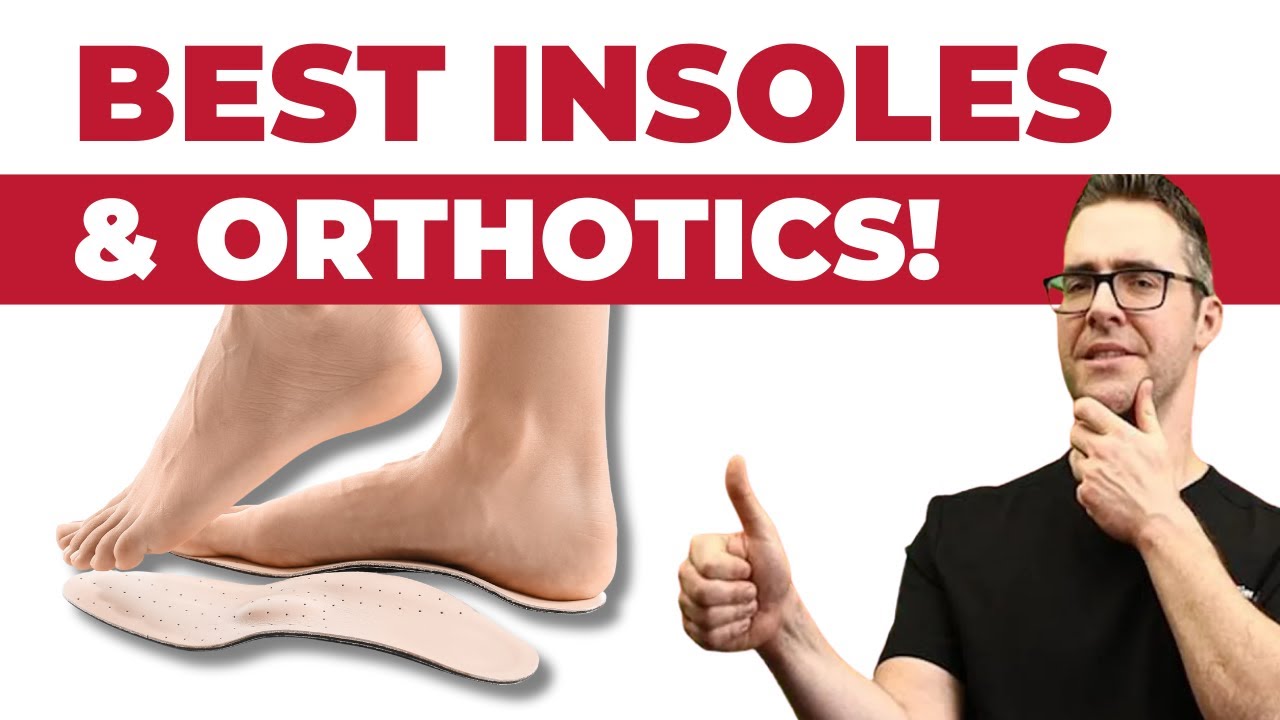
1. Pain develops within hours of putting shoes on; relief shortly after removing. 2. Pain in specific areas matching shoe pressure points (calluses on top of toes; heel pain from rigid heel counter; bunion pain from narrow toe box). 3. Pain occurs in particular shoes but not others (high heels, dress shoes vs athletic shoes). 4. New shoes triggered the pain. 5. Pain worsens with prolonged wear. 6. Pain locations match shoe construction issues. 7. Pain absent on weekends when wearing different shoes.
Common Shoe Problems and Solutions
Tight toe box: Causes bunion pain, hammertoe pain, ingrown nails, blisters, callus formation. Fix: wide-toe-box shoes; shell stretching by cobbler. High heels: Causes ball of foot pain (metatarsalgia); hallux limitus aggravation; calf shortening; Achilles issues. Fix: limit heels to 1.5 inches max; alternate with flatter shoes. Inadequate cushioning: Causes plantar fasciitis; metatarsalgia; impact-related pain. Fix: cushioned athletic shoes; custom orthotics. Worn-out shoes: Causes various pains as cushioning compresses. Fix: replace every 300-500 miles or 6-12 months.
Shoes Causing Specific Conditions
Plantar fasciitis: Worn shoes; flat shoes (Toms, ballet flats); minimalist shoes; flip-flops. Bunion progression: Pointed dress shoes; high heels; tight athletic shoes. Hammertoe progression: Pointed dress shoes; tight shoes. Achilles tendinitis: Flat shoes (sudden change from heels); shoes with rigid heel counter pressing on Achilles; minimalist shoes. Mortons neuroma: Pointed dress shoes; high heels; tight athletic shoes. Ingrown nails: Tight shoes; pointed shoes.
How to Choose Shoes That Prevent Pain
1. Wide enough toe box: thumb width at the toes; toes can wiggle freely. 2. Adequate cushioning: appropriate for your activity level. 3. Stable support: matches your foot type (stability for overpronators, neutral for normal/supinators). 4. Removable insole: room for custom orthotics if needed. 5. Slight rocker geometry: reduces stress on big toe joint. 6. Low heel drop: 4-8mm typically optimal. 7. Quality construction: lasts 300-500 miles for athletic; 6-12 months for daily wear.
Best Shoes for Pain Prevention
Athletic: Hoka Bondi 8 (max cushion); Brooks Adrenaline (stability); Brooks Glycerin (plush cushion); Asics Gel-Nimbus (gel cushion). Walking: New Balance 928v3 (dedicated walker); Vionic Walker (built-in support). Casual: Vionic; Birkenstock Arizona (with arch support). Dress: Allen Edmonds (wide widths available); Cole Haan ZeroGrand. For foot deformities: Drew, Orthofeet, Apex (extra depth and width).
When to Replace Shoes
Athletic shoes: Every 300-500 miles. Track mileage; do not rely on visual wear alone. Daily walking shoes: Every 6-12 months for active wearers. Dress shoes: Every 1-2 years (less mileage). Signs to replace: Visible compression in cushioning; cracking in midsole; worn outsole; uneven wear; gait change due to shoes; return of foot pain after period of relief.
Shoe Modifications That Can Help
1. Custom orthotics: address biomechanical issues; insurance often covers for medical necessity. 2. Heel lifts: for Achilles tendinitis or leg length discrepancy. 3. Shoe stretching: cobbler can stretch leather shoes for bunions or wide feet. 4. Padding additions: metatarsal pads, heel cups, gel inserts. 5. Lace modifications: avoid tight laces causing extensor tendinitis or nerve compression. 6. Insole replacement: replace worn insoles before whole shoe replacement.
Where to Get Properly Fitted
Specialty running stores (Fleet Feet, Road Runner Sports): expert fitting; gait analysis; multiple brands. Department stores (Nordstrom, Macys): full shoe departments with knowledgeable staff. Podiatry offices: in-store diabetic and depth shoes (Medicare billing); custom orthotics. Online with returns (Zappos): try multiple sizes/widths at home. Avoid: general retail (Walmart, Target) for athletic shoes – selection limited and often discount versions.
When to See a Podiatrist
See us if: shoe-related pain persists despite shoe changes; recurring foot problems despite “good shoes”; need custom orthotic evaluation; foot deformity making shoe fitting difficult; diabetic patients needing diabetic shoes (Medicare-covered); pre-event evaluation (vacation, athletic event). Same-week appointments at Balance Foot and Ankle. Professional gait analysis identifies biomechanical issues. Schedule online.
Podiatrist-Recommended Products


In-Office Treatment at Balance Foot & Ankle
If home treatment isn’t providing relief for your activity or footwear-related foot pain, our podiatry team at Balance Foot & Ankle can help with same-day evaluations and advanced in-office care.
Same-day appointments available. (810) 206-1402
Frequently Asked Questions About Foot Pain From Shoes
How do I know if my shoes are causing my foot pain?
Pain develops within hours of wearing; relief after removing; pain in specific areas matching shoe pressure points; pain in particular shoes but not others; new shoes triggered pain; pain absent on weekends in different shoes.
What shoes cause the most foot problems?
High heels (greater than 1.5 inches); pointed dress shoes; flip-flops; minimalist shoes; ballet flats (Toms); cheap athletic shoes; worn-out shoes; shoes too narrow for your foot.
How often should I replace my shoes?
Athletic: every 300-500 miles. Walking: every 6-12 months for active wearers. Dress: every 1-2 years. Replace based on cushioning compression, not just visual wear.
Can shoes cause plantar fasciitis?
Yes – flat unsupportive shoes (Toms, ballet flats), worn-out shoes, minimalist shoes, and walking barefoot all contribute. Supportive cushioned shoes plus custom orthotics often resolve.
What are the best shoes for foot pain?
Depends on cause: maximum cushion (Hoka Bondi); stability (Brooks Adrenaline); plush (Brooks Glycerin). Always with proper width and removable insole for orthotics.
Will high heels cause bunions?
High heels do not directly cause bunions (genetics primary) but accelerate progression. Limit heels to 1.5 inches; wear them only occasionally; alternate with supportive shoes.
When should I see a podiatrist about shoe-related pain?
Persistent pain despite shoe changes; recurring foot problems despite “good shoes”; need orthotic evaluation; foot deformity making fitting difficult; diabetic patient needing proper shoes.
Related Resources from Balance Foot & Ankle
Still Dealing With Foot Pain From Shoes?
Same-week appointments at Balance Foot & Ankle in Howell & Bloomfield Township, MI.
Book Your Appointment⚕ Doctor Recommended
Doctor Hoy’s Natural Pain ReliefTopical relief for foot & ankle pain
View Product →APMA: Shoe-Caused Foot Pain — Causes & Solutions
Ready to Get Relief?
Same-day appointments available in Howell & Bloomfield Township, MI
4.9★ | 1,123 Reviews | 3,000+ Surgeries
Or call: (810) 206-1402

Dr. Tom Biernacki, DPM is a board-certified foot & ankle surgeon (ABFAS & ABPM) at Balance Foot & Ankle Specialists in Southeast Michigan. With over a decade of clinical experience, he specializes in heel pain, bunions, diabetic foot care, sports injuries, and minimally invasive surgery. Dr. Biernacki is a member of the APMA and ACFAS, and his patient education content on MichiganFootDoctors.com and YouTube has made him one of the most-followed foot & ankle educators on YouTube.