
Medically reviewed by Dr. Tom Biernacki, DPM
Board-certified podiatric surgeon | Balance Foot & Ankle, Howell & Bloomfield Township, MI
Last reviewed: May 2026
| Foot Type | Barefoot Walking Risk | Primary Concern | Recommendation |
|---|---|---|---|
| Neutral arch, healthy foot | Low (with gradual adaptation) | Transition stress if sudden | Gradual barefoot exposure acceptable |
| Flat feet (overpronation) | High | Plantar fasciitis, arch strain | Supportive arch footwear; avoid prolonged barefoot |
| High arch (supination) | High | Lateral ankle strain, metatarsal stress | Cushioned shoes; avoid hard surface barefoot |
| Plantar fasciitis history | Very High | Flare with every barefoot step on hard floors | Supportive slippers at home; never barefoot on hard floors |
| Diabetic peripheral neuropathy | Extreme | Undetected cuts, burns, pressure ulcers | Never barefoot — always protective footwear indoors and outdoors |
| Barefoot Surface | Relative Safety | Benefit | Risk |
|---|---|---|---|
| Natural grass (healthy feet) | Moderate | Proprioception, sensory stimulation | Puncture wounds, uneven terrain ankle risk |
| Sand (beach, soft) | Moderate | Intrinsic muscle workout | Overload of Achilles + plantar fascia; burn risk |
| Hard indoor floors (tile, wood) | Low for PF patients | None for foot pain patients | Plantar fasciitis flare; fat pad bruising |
| Concrete (outdoor) | Very Low | None | High impact; fat pad injury; abrasion risk |
| Indoor gym rubber matting | Moderate-High | Proprioception, safe cushioning | Low — appropriate surface for barefoot training |
Quick answer: Foot Pain From Walking Barefoot has multiple potential causes including mechanical, neurological, vascular, and inflammatory. The most common causes we identify are overuse, ill-fitting shoes, and biomechanical imbalance. Red flags requiring urgent evaluation: warmth/redness (infection), inability to bear weight (fracture), and unilateral swelling without injury (DVT). Call (810) 206-1402.
Medically Reviewed | Dr. Tom Biernacki, DPM | Board-Certified Podiatrist | Balance Foot & Ankle, Michigan
Watch: How to Cure Plantar Fasciitis in One Week? [FAST Heel Pain Relief!] — MichiganFootDoctors YouTube
Foot Pain From Walking Barefoot: Quick Answer
Walking barefoot is controversial – some claim health benefits, others develop foot pain from extended barefoot activity. We help dozens of barefoot enthusiasts yearly at Balance Foot and Ankle. Here is the comprehensive barefoot walking foot pain guide.
Why Walking Barefoot Can Cause Foot Pain
Barefoot challenges: Modern surfaces (concrete, tile) hard and unforgiving; lifelong shoe wearers have weakened intrinsic foot muscles; suddenly removing support causes adaptation injuries; environmental hazards (debris, glass, hot surfaces, cold); foot conditions can flare. Trade-off: Some benefits (foot strengthening, proprioception) vs risks (injuries, condition flares, infections).
Most Common Barefoot Walking Foot Issues
1. Plantar fasciitis flare: Most common; from no arch support. 2. Heel pain: From no cushion. 3. Foot fatigue: From sudden change. 4. Achilles issues: From altered mechanics. 5. Calluses: From friction. 6. Foot injuries: Cuts, punctures, foreign bodies. 7. Plantar warts: HPV exposure on wet surfaces. 8. Foot fungus: Surface exposure. 9. Stress fractures: From sudden activity changes. 10. Bunion progression in some: Without support.
Barefoot Movement: Benefits and Limits
Genuine potential benefits: Foot intrinsic muscle strengthening; proprioception improvement; some research suggests benefits for specific conditions; natural foot mechanics. Important caveats: Modern feet not adapted; lifelong shoe wearers especially vulnerable; gradual transition essential; not appropriate for everyone (especially with foot conditions); environment matters.
Diabetic Patients and Barefoot Walking
Diabetic patients: Generally avoid barefoot walking. Why: Cant feel injuries (neuropathy); minor injuries can become serious infections; ulcer risk; sometimes catastrophic foot complications. Recommendation: Always wear protective footwear; daily foot inspection; immediate evaluation of any foot injury. Even at home: Wear protective slippers/shoes.
Pediatric Barefoot Walking
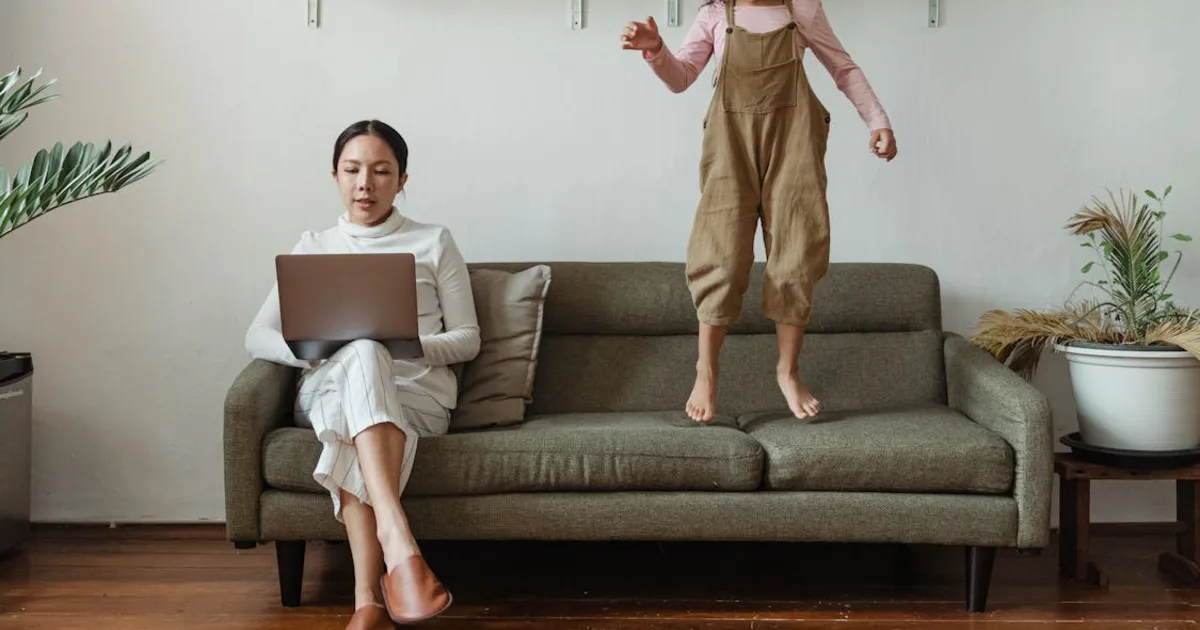
Childrens feet: Often best when frequently barefoot. Benefits: Allows natural foot development; strengthens intrinsic muscles; proprioception; arch development. Considerations: Safe environments only; supervised; address foot pain promptly; appropriate shoes when outside or in unsafe areas. Adolescents: Modern shoe-wearing patterns established; still benefit from some barefoot time.
Beach Walking
Beach barefoot walking: Popular vacation activity. Issues: Sand resistance increases foot/leg muscle work; uneven surface; sometimes hot sand burns; sometimes sharp shells/glass; sometimes long distances. Foot pain after beach walking: Common; from increased muscle work; gradual exposure better than all-day. Tips: Foot care kit at beach; check for cuts; address sunburn on tops of feet; foot rest periodically.
At-Home Barefoot Walking
Home barefoot: Common; usually OK. Issues: Hard tile/wood floors; foot fatigue; sometimes flares plantar fasciitis. Solutions: Quality supportive house slippers if foot pain develops; address pre-existing foot conditions; not just barefoot for plantar fasciitis sufferers; sometimes need to switch to supportive house shoes.
Transitioning to More Barefoot Time
If you want more barefoot: Gradual transition; start with brief periods (15-30 minutes); progress slowly over weeks; foot strengthening exercises; calf stretching; address foot conditions first; back off if pain develops; consider minimalist shoes as transition (Vibram, Xero, Lems). Patience essential: Years of shoe-wearing dont reverse quickly.
When Barefoot Walking Is Risky
Avoid extensive barefoot walking if: Diabetic; peripheral neuropathy; chronic plantar fasciitis; flat feet (severely); recent foot surgery; bunions/hammertoes (advanced); foot ulcer history; chronic ankle instability; specific medical conditions. Safety considerations: Never barefoot in public showers, pools, locker rooms (HPV warts, fungus); never on hot pavement; never in unsafe areas (debris, glass).
When to See a Podiatrist
See us if: barefoot walking causes persistent foot pain; suspected plantar fasciitis from barefoot walking; need transition guidance; need orthotic evaluation; chronic conditions worsening from barefoot; need foot care recommendations; suspected wart or fungal infection; foot injury from barefoot walking. Same-week appointments at Balance Foot and Ankle. Schedule online.
Podiatrist-Recommended Products



Frequently Asked Questions About Foot Pain From Walking Barefoot
Is walking barefoot bad for your feet?
NEUTRAL – depends on circumstances. Modern surfaces hard and unforgiving; lifelong shoe wearers have weakened intrinsic foot muscles; environmental hazards. Some potential benefits (foot strengthening, proprioception) vs risks (injuries, condition flares, infections).
Can walking barefoot cause plantar fasciitis?
YES – especially for those with predisposition. Without arch support, plantar fascia bears more stress. Treatment: address barefoot exposure; supportive shoes; orthotics; standard plantar fasciitis treatment. Many people develop plantar fasciitis after starting barefoot programs.
Should diabetics walk barefoot?
GENERALLY NO. Cant feel injuries (neuropathy); minor injuries can become serious infections; ulcer risk; sometimes catastrophic foot complications. Always wear protective footwear; daily foot inspection; immediate evaluation of any foot injury. Even at home: protective slippers/shoes.
Is barefoot walking good for kids?
OFTEN YES. Allows natural foot development; strengthens intrinsic muscles; proprioception; arch development. Considerations: safe environments only; supervised; address foot pain promptly; appropriate shoes when outside or in unsafe areas.
How do I transition to more barefoot walking?
GRADUAL transition essential. Start with brief periods (15-30 minutes); progress slowly over weeks; foot strengthening exercises; calf stretching; address foot conditions first; back off if pain develops; consider minimalist shoes as transition (Vibram, Xero, Lems).
Where should I never walk barefoot?
Public showers, pools, locker rooms (HPV warts, fungus); hot pavement; unsafe areas with debris/glass; outdoor areas with insects/hazards; commercial establishments. Foot fungus and warts very common from these areas.
When should I see a podiatrist about barefoot walking foot pain?
Persistent foot pain; suspected plantar fasciitis from barefoot walking; need transition guidance; need orthotic evaluation; chronic conditions worsening; need foot care recommendations; suspected wart or fungal infection; foot injury from barefoot walking.
Related Resources from Balance Foot & Ankle
Still Dealing With Foot Pain From Walking Barefoot?
Same-week appointments at Balance Foot & Ankle in Howell & Bloomfield Township, MI.
Book Your Appointment⚕ Doctor Recommended
Doctor Hoy’s Natural Pain ReliefTopical relief for foot & ankle pain
View Product →Frequently Asked Questions
Podiatrist-Recommended Products
These are the products Dr. Tom recommends most often in his clinic at Balance Foot & Ankle for lasting foot pain relief:
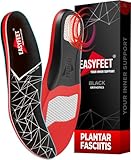
- PowerStep Pinnacle Arch Support Insoles — #1 clinic recommendation for arch support and heel pain relief
- Doctor Hoy’s Natural Pain Relief Gel — Fast-acting topical relief used and trusted by podiatrists
- CURREX RunPro Insoles — Dynamic arch profile for active patients and runners
As an Amazon Associate, Balance Foot & Ankle earns from qualifying purchases. These recommendations reflect genuine clinical use.
PubMed: Walking Barefoot — Benefits and Risks
Ready to Get Relief?
Same-week appointments available in Howell & Bloomfield Township, MI
4.9★ | 1,123 Reviews | 3,000+ Surgeries
Or call: (810) 206-1402

Dr. Tom Biernacki, DPM is a board-certified foot & ankle surgeon (ABFAS & ABPM) at Balance Foot & Ankle Specialists in Southeast Michigan. With over a decade of clinical experience, he specializes in heel pain, bunions, diabetic foot care, sports injuries, and minimally invasive surgery. Dr. Biernacki is a member of the APMA and ACFAS, and his patient education content on MichiganFootDoctors.com and YouTube has made him one of the most-followed foot & ankle educators on YouTube.