
Medically reviewed by Dr. Tom Biernacki, DPM
Board-certified podiatric surgeon | Balance Foot & Ankle, Howell & Bloomfield Township, MI
Last reviewed: May 2026

| Ingredient | Proposed Benefit | Evidence Level | Best Use | Amount per Gallon |
|---|---|---|---|---|
| Warm water (100–110°F) | Vasodilation; muscle relaxation; stiffness | Strong — most of the benefit | All foot pain; stiffness; fatigue | N/A — the base |
| Epsom salt (MgSO₄) | Inflammation; muscle soreness; softening | Moderate — mixed research | Muscle fatigue; arthritis; general soreness | ½–1 cup |
| Table salt (NaCl) | Edema reduction; antiseptic | Moderate — hypertonic osmosis | Ingrown toenails; post-surgical; swelling | 4 teaspoons |
| Apple cider vinegar | Antifungal (surface); pH lowering | Low–Moderate — surface athlete’s foot only | Athlete’s foot skin; not toenail fungus | 1 cup |
| Tea tree oil | Antimicrobial; anti-inflammatory | Low — limited controlled trials | Athlete’s foot; general hygiene | 10–15 drops |
| Peppermint oil | Cooling; analgesic (topical menthol) | Low — aromatherapy + topical sensation | General fatigue; pain sensation reduction | 10 drops |
| Baking soda (NaHCO₃) | Antifungal; softening; odor | Low — limited evidence | Foot odor; athlete’s foot supplemental | 3 tablespoons |
| Foot Condition | Recommended Soak Recipe | How It Helps | What Soak Won’t Fix |
|---|---|---|---|
| Plantar fasciitis | Warm water + Epsom salt (15 min) | Softens fascia for stretching; reduces morning stiffness | Fascial attachment problem — need orthotics + stretching |
| Ingrown toenail (early) | Warm water + 1 tsp table salt (20 min, 3×/day) | Reduces swelling; softens skin; antiseptic | Nail spike — must be removed by podiatrist |
| Athlete’s foot (skin) | Warm water + ACV 1 cup (15 min) | Acidic environment inhibits surface fungus | Established fungal infection — needs antifungal |
| Toenail fungus | NOT recommended as treatment | Cannot penetrate under nail plate | Requires topical Rx (efinaconazole) or oral antifungal |
| Arthritis / stiffness | Warm water + Epsom salt + peppermint oil (20 min) | Heat + magnesium for joint relaxation | Joint degeneration — need orthotics; possible injection |
| Diabetic foot fatigue | Lukewarm water ONLY — 100°F max; 15 min | Circulation; relaxation (if no wounds) | Never soak if any open wound, blister, or ulcer |

Quick answer: Foot Soak Recipe Pain has multiple potential causes including mechanical, neurological, vascular, and inflammatory. The most common causes we identify are overuse, ill-fitting shoes, and biomechanical imbalance. Red flags requiring urgent evaluation: warmth/redness (infection), inability to bear weight (fracture), and unilateral swelling without injury (DVT). Call (810) 206-1402.
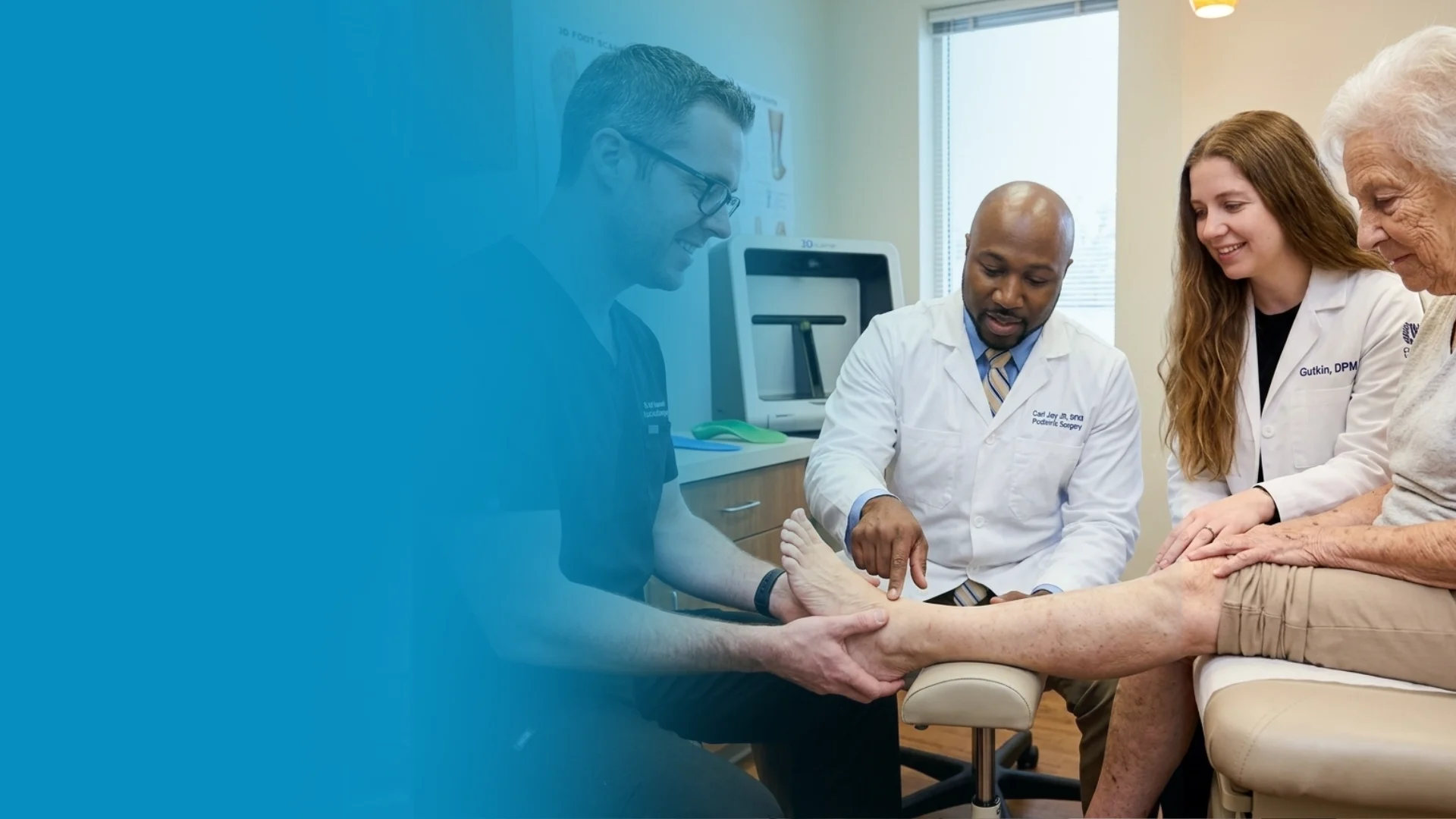
The most important clinical decision with Foot Soak Recipe Pain isn’t which treatment to start with — it’s identifying the correct subtype. That changes everything. Call (810) 206-1402.
Foot Soak Recipes For Pain: Quick Answer
Foot soaks provide affordable, drug-free relief for many foot conditions – but most internet recipes are based on tradition, not evidence. We help thousands of patients yearly at Balance Foot and Ankle and recommend foot soaks regularly. Here are the 9 evidence-based foot soak recipes for specific conditions.
1. Epsom Salt Soak (Sore Aching Feet)
Recipe: 1/2 cup Epsom salt + warm water (38-40C). Soak: 15-20 minutes, 2-3x weekly. What it treats: Sore feet from prolonged standing, mild arthritis flare, post-exercise muscle fatigue. Mechanism: Mostly placebo effect from warm water (Epsom salt does not transdermally absorb significantly), but consistent symptom relief reported. Avoid: open wounds, diabetic neuropathy patients (cannot feel water temperature properly).
2. Vinegar Soak (Athletes Foot, Mild Fungal Issues)
Recipe: 1 part white vinegar + 2 parts warm water. Soak: 15-20 minutes daily for 2 weeks. What it treats: Mild athletes foot, foot odor, mild fungal nail involvement. Mechanism: Acetic acid creates unfavorable pH for fungal growth. Adjunct only – not a substitute for terbinafine for moderate-severe athletes foot. Stop if skin irritation develops.
3. Tea Soak (Hyperhidrosis – Excessive Sweating)
Recipe: Brew 5-6 tea bags (any black or green tea) in 4 cups boiling water; cool and add to soaking basin. Soak: 30 minutes daily for 1 week, then 1-2x weekly maintenance. What it treats: Excessive foot sweating. Mechanism: Tannins in tea constrict sweat glands. Effective for mild-moderate hyperhidrosis; reduces sweating 30-50% in studies.
4. Baking Soda Soak (Foot Odor, Mild Fungal)
Recipe: 4 tablespoons baking soda + warm water. Soak: 15-20 minutes daily. What it treats: Foot odor, mild athletes foot, mild eczema. Mechanism: Alkalinizes skin pH (opposite of vinegar – works for some conditions); deodorizes; mild antifungal. Pair with moisture-wicking socks and antifungal powder for odor.
5. Apple Cider Vinegar Soak (Toenail Fungus)
Recipe: 1 part apple cider vinegar + 1 part warm water. Soak: 15-20 minutes daily for 8-12 weeks. What it treats: Mild toenail fungus (adjunct only). Mechanism: Acidic environment slows fungal growth. Limitations: 5-15% cure rate alone; oral terbinafine has 60-80% cure. Use as adjunct, not primary treatment.
6. Chamomile Soak (Inflamed Skin)
Recipe: Brew 5-6 chamomile tea bags in 4 cups water; cool and add to basin. Soak: 15-20 minutes 1-2x daily. What it treats: Inflamed skin from contact dermatitis, mild eczema, irritation. Mechanism: Anti-inflammatory compounds (bisabolol, chamazulene). Soothing for sensitive skin reactions.
7. Salt Water Soak (Ingrown Toenail)
Recipe: 1 tablespoon salt + 1 cup warm water (small basin). Soak: 15 minutes 2x daily. What it treats: Mild ingrown toenail, post-procedure healing. Mechanism: Hypertonic solution draws out fluid, reduces swelling, mild antibacterial. Combine with cotton wedge under nail edge and proper trimming. See podiatrist if no improvement in 5-7 days or signs of infection.
8. Ginger and Cayenne Soak (Cold Feet)
Recipe: 1 tablespoon grated ginger + 1/2 teaspoon cayenne pepper + warm water. Soak: 15 minutes 2-3x weekly. What it treats: Cold feet, mild Raynaud-like symptoms. Mechanism: Capsaicin and ginger compounds promote vasodilation. Caution: Skin sensitivity test first; avoid if open wounds.
9. Plain Cool Water Soak (Burning Feet)
Recipe: Cool (not cold) water – 18-20C. Soak: 10-15 minutes as needed. What it treats: Burning feet from neuropathy, erythromelalgia, summer heat. Mechanism: Vasoconstriction and reduced peripheral nerve activity. NEVER use ice water – causes vasoconstriction injury and worsens symptoms long-term.
Critical Safety Rules
Diabetics: Test water with hand or thermometer (NEVER feet) – cannot feel burns. Limit soaks to 10-15 minutes. Open wounds: Avoid soaking unless directed by podiatrist. Neuropathy: Always test water temperature. Limit to lukewarm (37-38C maximum). Cardiac/circulatory disease: Avoid hot soaks – can drop blood pressure. Pregnancy: Lukewarm only; avoid hot soaks. Infections: See doctor before soaking infected areas – can spread infection.
When Foot Soaks Are Not Enough
Foot soaks are adjunct treatments, not primary therapy for most conditions. See a podiatrist if: pain persists 2+ weeks despite home treatment; signs of infection develop; conditions worsen; you have diabetes or chronic medical conditions; or unexplained symptoms develop. Same-week appointments at Balance Foot and Ankle.
Frequently Asked Questions About Foot Soak Recipes For Pain
Do Epsom salt foot soaks really work?
The warm water provides most of the benefit. Epsom salt does not significantly absorb through skin. Patients report consistent symptom relief, likely from the warm water and ritual.
What is the best foot soak for sore feet?
Plain warm water (38-40C) for 15-20 minutes works as well as anything. Add 1/2 cup Epsom salt for traditional ritual benefit. Combine with leg elevation afterward.
Can I soak my feet daily?
Yes – daily 15-20 minute soaks are safe for most people. Limit hot water to avoid skin drying. Diabetics should soak for shorter durations and never in hot water.
Will vinegar soaks cure athletes foot?
Mild cases may improve. Moderate-severe athletes foot needs terbinafine cream. Vinegar is adjunct, not primary treatment.
Are foot soaks safe for diabetics?
Yes if you: test water temperature with hand (never feet), use lukewarm water (37C max), limit to 10-15 minutes, dry feet thoroughly, inspect for any new wounds afterward. Avoid soaking if you have any open wound.
How hot should the water be for a foot soak?
Comfortable warm: 38-40C for healthy individuals. Lukewarm: 37C maximum for diabetics, neuropathy patients, elderly. Cool: 18-20C for burning feet syndrome.
What soak helps with toenail fungus?
Apple cider vinegar soaks may help mild cases as adjunct. Severe cases need oral terbinafine. Vinegar alone has 5-15% cure rate; oral medications 60-80%.
Related Resources from Balance Foot & Ankle
Still Dealing With Foot Soak Recipes For Pain?
Same-week appointments at Balance Foot & Ankle in Howell & Bloomfield Township, MI.
Book Your Appointment🧴 Dr. Tom’s At-Home Foot Care Picks
These are the products I recommend most for foot hygiene, skin health, and comfort between office visits.
Antimicrobial moisture-wicking liner for shoes. Prevents sweat buildup that leads to fungal and odor issues. Barefoot feel without the downside.
View on Amazon →
For discomfort associated with skin conditions and soreness. Plant-based arnica + menthol formula. FSA-eligible, no greasy residue.
View on Amazon →
FTC Disclosure: As an Amazon Associate and Foundation Wellness affiliate, we earn from qualifying purchases. This never affects our clinical recommendations.
In-Office Treatment at Balance Foot & Ankle
If home treatment isn’t providing relief for your foot skin condition, our podiatry team at Balance Foot & Ankle can help with same-day evaluations and advanced in-office care.
Same-day appointments available. (810) 206-1402
APMA: Foot Soak Recipes for Pain Relief
Ready to Get Relief?
Same-day appointments available in Howell & Bloomfield Township, MI
4.9★ | 1,123 Reviews | 3,000+ Surgeries
Or call: (810) 206-1402

Dr. Tom Biernacki, DPM is a board-certified foot & ankle surgeon (ABFAS & ABPM) at Balance Foot & Ankle Specialists in Southeast Michigan. With over a decade of clinical experience, he specializes in heel pain, bunions, diabetic foot care, sports injuries, and minimally invasive surgery. Dr. Biernacki is a member of the APMA and ACFAS, and his patient education content on MichiganFootDoctors.com and YouTube has made him one of the most-followed foot & ankle educators on YouTube.