
Medically reviewed by Dr. Tom Biernacki, DPM
Board-certified podiatric surgeon | Balance Foot & Ankle, Howell & Bloomfield Township, MI
Last reviewed: May 2026

| Active Ingredient | Mechanism | Evidence Level | Products | Application |
|---|---|---|---|---|
| Capsaicin 0.025–0.075% | Depletes Substance P from nerve endings | Strong — multiple RCTs | Zostrix, Capsaicin HP, Icy Hot Capsaicin | 3–4× daily; 4–6 weeks for full effect |
| Lidocaine 4% | Sodium channel blockade (local anesthetic) | Strong — well-established anesthetic | LMX4, Aspercreme with Lidocaine | PRN before activity; 30–60 min duration |
| Menthol >3% | TRPM8 receptor activation; gate control | Moderate — counterstimulation effect | Biofreeze, Sombra, Tiger Balm | 2–4× daily as needed |
| Alpha-lipoic acid (topical) | Antioxidant; nerve protection | Low — poor transdermal penetration | Various “neuropathy support” creams | Not recommended topically — use orally instead |
| Camphor | Weak TRPV1 agonist; counterstimulation | Low–Moderate | Icy Hot, Bengay | 2–3× daily; short-term use |
| Supplement / Treatment | Route | Evidence for Neuropathy | Dose |
|---|---|---|---|
| Alpha-lipoic acid | Oral | Strong — multiple RCTs in diabetic neuropathy | 600mg daily |
| Benfotiamine (vitamin B1) | Oral | Moderate — diabetic neuropathy; better absorbed than thiamine | 300mg daily |
| Methylcobalamin (B12) | Oral or injection | Moderate — especially if B12 deficient | 1000mcg daily |
| Acetyl-L-carnitine | Oral | Moderate — nerve regeneration support | 500–1000mg 2× daily |
| Pregabalin (Lyrica) | Oral Rx | Strong — FDA-approved for diabetic neuropathy | Rx; 75–300mg 2× daily |
| Duloxetine (Cymbalta) | Oral Rx | Strong — FDA-approved for diabetic neuropathy | Rx; 60–120mg daily |
| 8% Capsaicin patch (Qutenza) | Topical Rx | Strong — superior to OTC capsaicin | Rx; applied in-office 60 min; repeat q3 months |
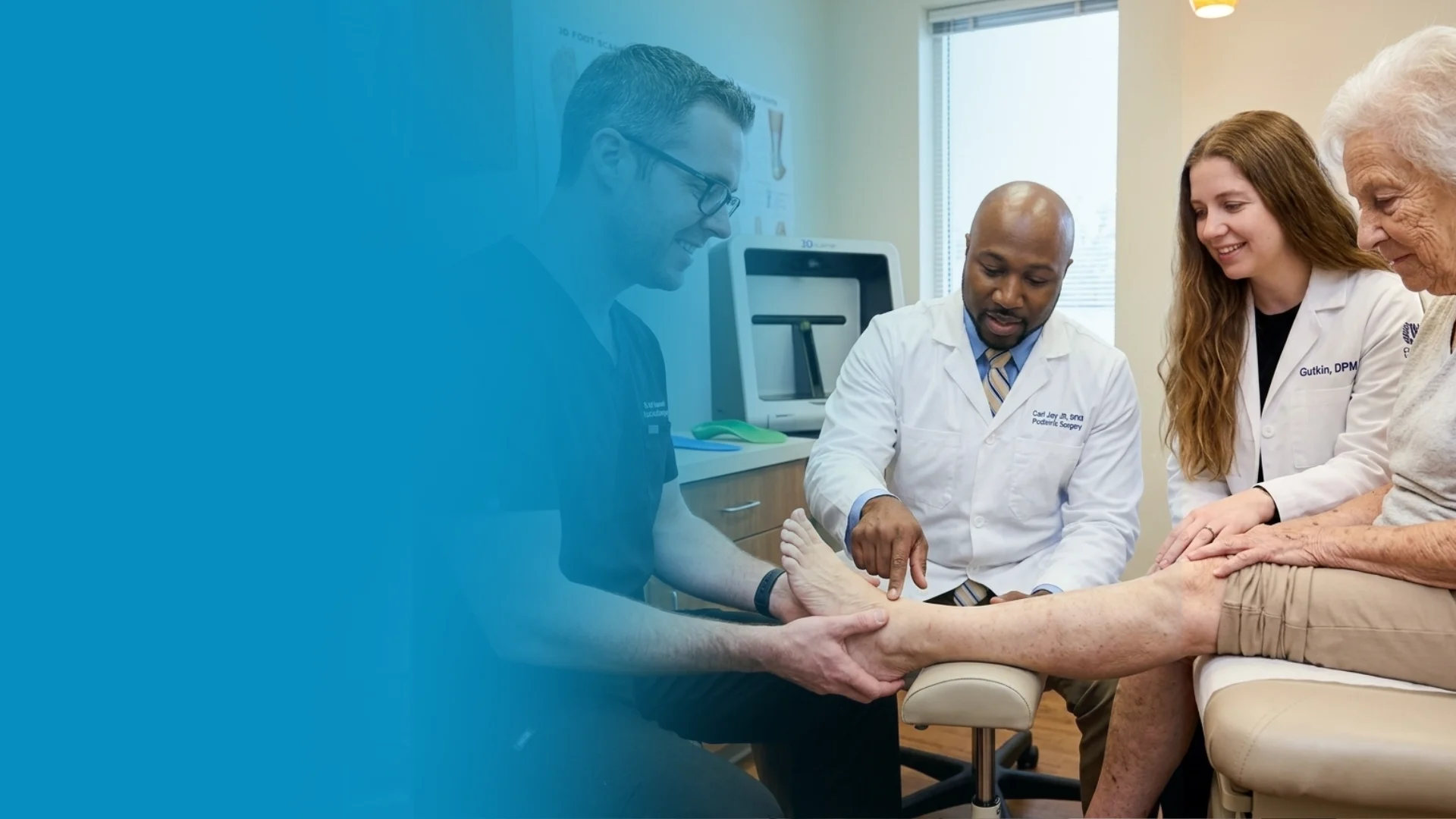

Watch: Peripheral Neuropathy Home Remedies [Leg & Foot Nerve Pain Treatment] — MichiganFootDoctors YouTube
Best Neuropathy Cream Otc: Quick Answer
Topical creams can provide significant relief from diabetic neuropathy without systemic side effects of oral medications. The right cream relieves burning, tingling, and numbness in 60-70% of patients. We help dozens of neuropathy patients monthly at Balance Foot and Ankle. Here are the 8 best OTC neuropathy creams plus prescription alternatives.
Why Topical Treatment for Neuropathy?
Advantages: Direct application to painful area; minimal systemic absorption; can combine with oral medications safely; lower risk of drug interactions; easier to titrate dose. Best for: mild-moderate neuropathy, focal nerve pain, patients who cannot tolerate oral neuropathy medications, supplement to oral therapy. Limitations: Less effective for severe neuropathy than oral; require consistent daily use; effects take 2-4 weeks to peak.
1. Capsaicin Cream 0.025-0.075% (Best Evidence)
Mechanism: Depletes substance P in nerve endings, reducing pain signal transmission. OTC products: Zostrix (0.025%), Capzasin-HP (0.075%). Cost: $10-$15. How to use: Apply 3-4x daily to affected area. Initial burning sensation for first 1-2 weeks (use gloves; do not touch eyes). Peak benefit: 4-6 weeks of consistent use. Effective in 60-70% of patients with mild-moderate neuropathy.
2. Lidocaine 4-5% Patches/Cream
Mechanism: Sodium channel blocker provides numbing effect on small nerve endings. OTC products: Aspercreme with Lidocaine (4%), Salonpas (4%), generic lidocaine cream. Cost: $10-$25. Patches: Available OTC, apply 12 hours on/12 hours off. Best for: focal painful areas. Effects: 1-2 hours after application; lasts 4-12 hours.
3. Menthol Products (Cooling Effect)
Mechanism: Activates TRPM8 cold receptors, providing distraction from pain. OTC products: Doctor Hoy’s Natural Pain Relief, Icy Hot, Tiger Balm. Cost: $5-$15. Best for: immediate symptomatic relief; use as adjunct. Effects: Immediate cooling sensation; lasts 1-2 hours. Not as effective as capsaicin for long-term neuropathy management.
4. Alpha Lipoic Acid Cream
Mechanism: Antioxidant; theoretically reduces oxidative stress in damaged nerves. OTC products: Various brands. Cost: $20-$40. Evidence: Mixed; oral alpha lipoic acid (600mg/day) has stronger evidence than topical. Use as adjunct if patient prefers topical-only treatment.
5. CBD/Hemp Creams (Variable Quality)
Mechanism: Cannabinoid receptor activation; mild anti-inflammatory effect. Quality varies wildly – look for third-party tested products with documented CBD content. Cost: $30-$80. Evidence: Limited but growing; some patients report significant relief. Choose products with full-spectrum hemp extract and 500-1000mg CBD per ounce.
6. Comfortable Numb (Combination Product)
Ingredients: Lidocaine + menthol + camphor. OTC product: Aspercreme Lidocaine (extra strength). Cost: $15-$25. Pros: Multi-modal pain relief in single product; immediate cooling + lidocaine numbing. Cons: Some patients sensitive to menthol or camphor.
7. Magnesium Oil Spray
Mechanism: Magnesium supplementation through skin (transdermal magnesium chloride). Evidence: Limited but anecdotally helpful for some patients with leg cramps and neuropathy. Cost: $15-$25. Use: Spray on legs/feet 2x daily; massage in.
8. Compounded Custom Creams (Prescription)
What: Pharmacy-compounded creams combining gabapentin, ketamine, lidocaine, and other neuropathy medications in topical form. Cost: $50-$150/month with insurance; often not covered. Effectiveness: 70-80% in studies. Custom dosing based on patient response. Discuss with podiatrist or pain specialist for prescription.
Application Tips for Best Results
1. Apply to clean, dry skin. 2. Use gloves to apply capsaicin (avoid eye/mouth contact). 3. Massage in gently. 4. Wait at least 4 hours between applications. 5. Use consistently for 4-6 weeks before judging effectiveness. 6. Combine with diabetes management (tight blood sugar control). 7. Continue oral neuropathy medications as prescribed – topicals are usually adjunct, not replacement. 8. Track response in pain diary.
When to Consider Oral Medications
Topical creams alone usually inadequate for moderate-severe neuropathy. Oral options include: Gabapentin, pregabalin, duloxetine, tricyclic antidepressants (amitriptyline). Combine with topicals for best results. Tight blood sugar control is essential – topicals only treat symptoms, not underlying cause. Schedule a neuropathy evaluation for personalized treatment plan at Balance Foot and Ankle.
Podiatrist-Recommended Products

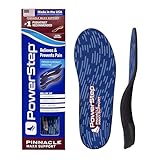
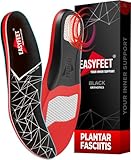

Further reading: Our sister site Managing Neuropathy goes deeper on what a topical can and cannot reach, and the heat combination that burns insensate skin.
In-Office Treatment at Balance Foot & Ankle
If home treatment isn’t providing relief for your neuropathy, our podiatry team at Balance Foot & Ankle can help with expert evaluations and advanced in-office care.
Book online 24/7. (810) 206-1402
Learn about our peripheral neuropathy treatment → | Book online →
Frequently Asked Questions About Best Neuropathy Cream Otc
Do OTC neuropathy creams really work?
Yes for mild-moderate neuropathy – capsaicin cream resolves symptoms in 60-70% of patients. Lidocaine cream provides immediate but shorter-term relief. Severe neuropathy usually needs oral medications too.
What is the best OTC cream for diabetic neuropathy?
Capsaicin (Zostrix or Capzasin-HP) has the strongest evidence. Lidocaine 4% (Aspercreme) for immediate relief. Combine for best results.
How long does it take for neuropathy creams to work?
Lidocaine: 1-2 hours after application. Capsaicin: 4-6 weeks of consistent use for peak benefit. Be patient with capsaicin – initial burning is normal and decreases.
Can I combine neuropathy creams?
Yes – capsaicin (long-term) + lidocaine (acute relief) work well together. Apply 4+ hours apart. Avoid menthol with capsaicin (intensifies burning).
Are there side effects to topical neuropathy creams?
Capsaicin: initial burning, skin redness. Lidocaine: rare allergic reactions, temporary numbness. Stop if persistent skin irritation develops.
Will my insurance cover neuropathy creams?
OTC creams: not covered. Prescription compounded creams: variable coverage; check your plan. Use HSA/FSA funds for OTC creams.
Should I take oral medications too?
For moderate-severe neuropathy: yes. Topical creams alone are usually inadequate. Combine with gabapentin, pregabalin, or duloxetine plus tight blood sugar control.
Related Resources from Balance Foot & Ankle
Still Dealing With Best Neuropathy Cream Otc?
Appointments at Balance Foot & Ankle in Howell & Bloomfield Township, MI.
Book Your Appointment⚕ Doctor Recommended
DASS Compression SocksGraduated compression for circulation & comfort
View Product →American Podiatric Medical Association: Neuropathy
Ready to Get Relief?
Book online 24/7 in Howell & Bloomfield Township, MI
4.9★ | 1,200+ Reviews | 3,000+ Surgeries
Or call: (810) 206-1402

Dr. Tom Biernacki, DPM is a board-certified foot & ankle surgeon (ABFAS & ABPM) at Balance Foot & Ankle Specialists in Southeast Michigan. With over a decade of clinical experience, he specializes in heel pain, bunions, diabetic foot care, sports injuries, and minimally invasive surgery. Dr. Biernacki is a member of the APMA and ACFAS, and his patient education content on MichiganFootDoctors.com and YouTube has made him one of the most-followed foot & ankle educators on YouTube.