
Medically reviewed by Dr. Tom Biernacki, DPM
Board-certified podiatric surgeon | Balance Foot & Ankle, Howell & Bloomfield Township, MI
Last reviewed: May 2026

Quick answer: Healthcare Worker Foot Pain has multiple potential causes including mechanical, neurological, vascular, and inflammatory. The most common causes we identify are overuse, ill-fitting shoes, and biomechanical imbalance. Red flags requiring urgent evaluation: warmth/redness (infection), inability to bear weight (fracture), and unilateral swelling without injury (DVT). Call (810) 206-1402.

The most important clinical decision with Healthcare Worker Foot Pain isn’t which treatment to start with — it’s identifying the correct subtype. That changes everything. Call (810) 206-1402.
Why Healthcare Work Is So Hard on Feet
Healthcare workers — nurses, physicians, physical therapists, surgical technicians, and others — face one of the most demanding combinations of occupational foot stressors of any profession: 8–12 hour shifts on polished concrete and tile floors, rapid transitions between standing, walking, and rushed movement, confined footwear requirements (closed-toe, non-slip, often limited stylistically), and physical demands including patient lifting.
Hospital floors are among the least forgiving walking surfaces in any occupational setting. Polished tile provides zero energy absorption — every footfall transfers full ground reaction force to the foot, ankle, knee, and lumbar spine. Compare this to an outdoor walking surface on grass or asphalt, which provides measurably more compliance.
The statistics reflect this reality: a 2018 survey published in the Journal of the American Podiatric Medical Association found that 63% of nurses reported foot pain affecting their work performance, with plantar fasciitis, metatarsalgia, and ankle pain being the most common complaints.
Footwear Solutions for Medical Professionals
Nursing clogs (Dansko, Sanita) — The most popular occupational footwear in healthcare for good reason. Dansko Professional clogs have an excellent rocker bottom sole that reduces forefoot loading, rigid wooden footbed that prevents excessive flex, and durable leather upper. However, the rigid footbed benefits from a quality cushioning insole addition for full-shift comfort.
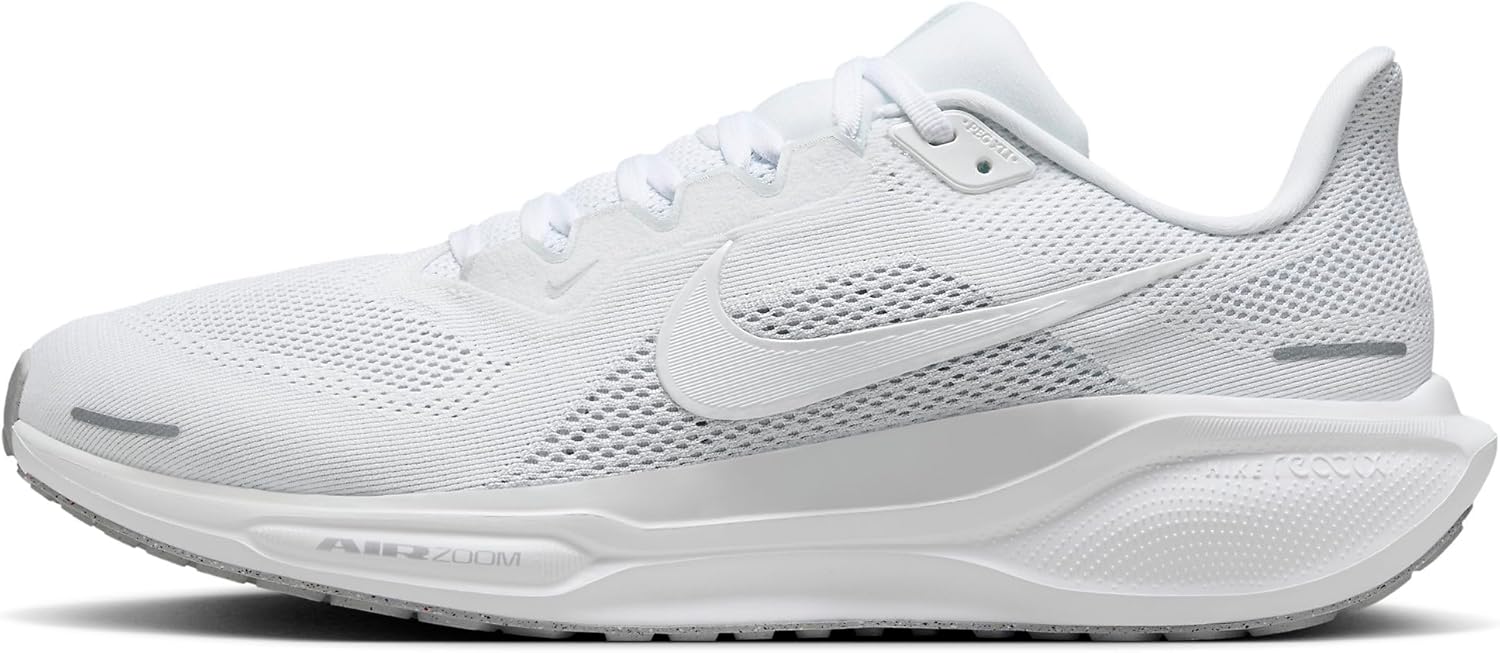
Athletic-style nursing shoes (Hoka, Brooks, New Balance) — Many healthcare workers have shifted to athletic-style shoes, particularly Hoka’s maximalist cushioning models. These provide superior cushioning for long shifts compared to traditional clogs but sacrifice some of the slip-resistance that hospital floors demand. Look for ASTM-rated slip-resistant outsoles.
Compression socks — Healthcare workers should wear graduated compression socks (15–20 mmHg) routinely. They significantly reduce end-of-shift leg fatigue, ankle swelling, and the varicose vein development that commonly accompanies years of prolonged standing.
Between-Shift Recovery for Healthcare Workers
The post-shift recovery routine is as important as in-shift footwear. After a 12-hour shift: remove shoes, elevate feet above heart level for 20–30 minutes, apply a topical analgesic/anti-inflammatory (Doctor Hoy’s) to the most painful areas, stretch calves and plantar fascia, and hydrate adequately (dehydration worsens muscle fatigue and cramping).
Rotating shoe pairs is important for healthcare workers who can’t air out shoes during shifts. Two pairs used on alternate days allows complete moisture evaporation between shifts — reducing bacterial and fungal buildup and maintaining footbed cushioning longer.
If your foot pain persists despite excellent occupational footwear and routine recovery, come see us. Many healthcare workers accept foot pain as an occupational inevitability — but the majority of occupational foot pain is treatable, and treating it early prevents the structural damage that comes from years of walking through pain.
Dr. Tom's Product Recommendations

DASS Medical Compression Socks
⭐ Highly Rated
Medical-grade graduated compression for healthcare workers’ long shifts. Reduces ankle swelling, end-of-shift fatigue, and varicose vein progression in nurses and medical staff.
Dr. Tom says: “DASS compression socks are my #1 recommendation for nurses and healthcare workers. Wear them every shift to protect your legs and feet.”
Nurses, healthcare workers, long-shift standing, ankle swelling prevention, varicose vein support
Known arterial insufficiency — check with your physician before compression
Disclosure: We earn a commission at no extra cost to you.

PowerStep Pinnacle Insoles
⭐ Highly Rated
Add PowerStep to Dansko clogs or athletic nursing shoes for the additional arch support and cushioning that gets healthcare workers through 12-hour shifts.
Dr. Tom says: “I recommend PowerStep inside every healthcare worker’s shoes. It provides the arch support that nursing shoes lack and dramatically reduces shift-ending plantar fasciitis.”
Healthcare workers, nurses, plantar fasciitis prevention, nursing shoe upgrade
Patients with severe flat feet needing custom orthotics — but start with PowerStep
Disclosure: We earn a commission at no extra cost to you.
✅ Pros / Benefits
- Proper nursing shoe + insole + compression socks dramatically reduce occupational foot pain
- Post-shift recovery routine prevents chronic condition development
- Treating foot pain early protects long-term career longevity
- Medicare/insurance often covers podiatric care for healthcare workers
❌ Cons / Risks
- Hospital dress codes may restrict footwear choices
- 12-hour shifts exceed what any footwear system can fully mitigate
- Chronic occupational foot problems may require medical intervention beyond footwear
Dr. Tom Biernacki’s Recommendation
As a healthcare provider myself, I have tremendous respect for nurses and the physical demands they endure. Foot pain is not an acceptable occupational cost — it’s a preventable condition. Get the right shoes, add compression socks and PowerStep insoles, and recover actively after each shift. If your feet are still hurting, call us. We take care of the caregivers.
— Dr. Tom Biernacki, DPM | Board-Certified Podiatric Surgeon | Balance Foot & Ankle
Frequently Asked Questions
What shoes are best for nurses with plantar fasciitis?
Hoka Bondi or Clifton with PowerStep insoles is the combination I recommend most. Dansko with a PowerStep replacement insole is excellent for those who prefer clogs.
Do nurses need custom orthotics?
Many nurses get excellent relief from quality OTC insoles. Nurses with significant flat feet, PTTD, or chronic plantar fasciitis that hasn’t responded to OTC options are good candidates for custom orthotics.
How do you treat swollen legs and feet after nursing shifts?
Elevate feet above heart level for 20-30 minutes post-shift, wear compression socks, stay hydrated, and perform gentle ankle pumps and calf stretches. If swelling is severe or associated with other symptoms, see your doctor.
When Shoes Aren’t Enough — Dr. Tom’s Top 9 Orthotics
About 30% of patients I see for foot pain need MORE than a great shoe — they need a structured insole. Below: my complete 2026 orthotic ranking with pros, cons, and the specific patient I’d give each one to.




⚕ Doctor Recommended
Doctor Hoy’s Natural Pain ReliefTopical relief for foot & ankle pain
View Product →What is Foot pain?
Foot pain is a common foot/ankle condition that affects mobility and quality of life. Understanding the underlying cause is the first step in successful treatment. Our podiatrists at Balance Foot & Ankle perform a hands-on biomechanical exam, review your activity history, and use diagnostic imaging when appropriate to identify the root cause—not just treat the symptom. Many patients have been told to “rest and ice” without a deeper diagnostic workup; our approach is different.
Symptoms and warning signs
Common signs of foot pain include pain that worsens with activity, morning stiffness, swelling, tenderness when palpated, and difficulty bearing weight. If you experience sudden severe pain, inability to walk, visible deformity, numbness or color change, contact our office the same day or visit urgent care—these can signal a more serious injury such as a fracture, tendon rupture, or vascular compromise. Diabetics with any foot wound should seek same-day care.
Conservative treatment options
Most cases of foot pain respond to non-surgical care: structured rest, supportive footwear changes, custom orthotics, targeted stretching and strengthening protocols, anti-inflammatory medications when medically appropriate, and in-office procedures such as ultrasound-guided injections. We also offer advanced therapies including MLS laser therapy, EPAT/shockwave, regenerative injections, and image-guided procedures. Treatment is sequenced from least invasive to most invasive, and we explain the rationale at every step.
When is surgery considered?
Surgery is reserved for cases that fail 3-6 months of well-structured conservative care, when there is structural pathology (severe deformity, complete tear, advanced arthritis), or when imaging shows damage that will not heal without intervention. Our surgeons have performed 3,000+ foot and ankle procedures and prioritize minimally-invasive techniques whenever appropriate. We discuss recovery timelines, return-to-activity milestones, and realistic outcome expectations before any procedure is scheduled.
Recovery timeline and prevention
Recovery from foot pain varies based on severity and chosen treatment path. Conservative cases often improve within 4-8 weeks with consistent adherence to the protocol. Post-procedural recovery may range from a few days (in-office procedures) to several months (reconstructive surgery). Long-term prevention involves footwear assessment, activity modification, structured strengthening, and regular check-ins with your podiatrist if you have a history of recurrence. We provide written home-exercise plans and digital follow-up support.
In-Office Treatment at Balance Foot & Ankle
If home treatment isn’t providing relief for your healthcare worker foot pain, our podiatry team at Balance Foot & Ankle can help with same-day evaluations and advanced in-office care.
APMA: Foot Pain in Healthcare Workers
Ready to Get Relief?
Same-day appointments available in Howell & Bloomfield Township, MI
4.9★ | 1,123 Reviews | 3,000+ Surgeries
Or call: (810) 206-1402

Dr. Tom Biernacki, DPM is a board-certified foot & ankle surgeon (ABFAS & ABPM) at Balance Foot & Ankle Specialists in Southeast Michigan. With over a decade of clinical experience, he specializes in heel pain, bunions, diabetic foot care, sports injuries, and minimally invasive surgery. Dr. Biernacki is a member of the APMA and ACFAS, and his patient education content on MichiganFootDoctors.com and YouTube has made him one of the most-followed foot & ankle educators on YouTube.