
Medically reviewed by Dr. Tom Biernacki, DPM
Board-certified podiatric surgeon | Balance Foot & Ankle, Howell & Bloomfield Township, MI
Last reviewed: May 2026

Quick answer: Standing Desk Foot Pain 2 has multiple potential causes including mechanical, neurological, vascular, and inflammatory. The most common causes we identify are overuse, ill-fitting shoes, and biomechanical imbalance. Red flags requiring urgent evaluation: warmth/redness (infection), inability to bear weight (fracture), and unilateral swelling without injury (DVT). Call (810) 206-1402.

The most important clinical decision with Standing Desk Foot Pain 2 isn’t which treatment to start with — it’s identifying the correct subtype. That changes everything. Call (810) 206-1402.
Why Standing Desks Cause Foot Pain
The standing desk revolution swept offices globally in the 2010s, and with it came an unexpected surge in podiatric complaints. Extended static standing — particularly on hard floors — creates cumulative musculoskeletal stress that’s different from (but sometimes worse than) the stress of prolonged sitting.
The problem isn’t standing itself — it’s static standing without adequate cushioning, support, or movement. When you stand still in one position, you activate a relatively small number of muscle groups continuously without the postural variation that walking naturally provides. The plantar fascia, plantar heel, metatarsal heads, Achilles, and lower legs are the most common sites of pain.
Most standing desk users dramatically underestimate their barefoot floor surface contact. Hard office floors (tile, polished concrete, thin carpet) provide essentially zero cushioning. Without an anti-fatigue mat AND proper footwear, even moderate standing duration produces measurable muscle fatigue and early inflammatory changes in the plantar fascia.
The Correct Standing Desk Setup for Foot Health
Anti-fatigue mat — The single most important piece of standing desk equipment. Quality anti-fatigue mats (GelPro, Topo by Ergodriven) provide 1–2 inches of cushioning that dramatically reduces ground reaction force. The Topo mat’s raised topography encourages subtle postural shifting that prevents static loading.
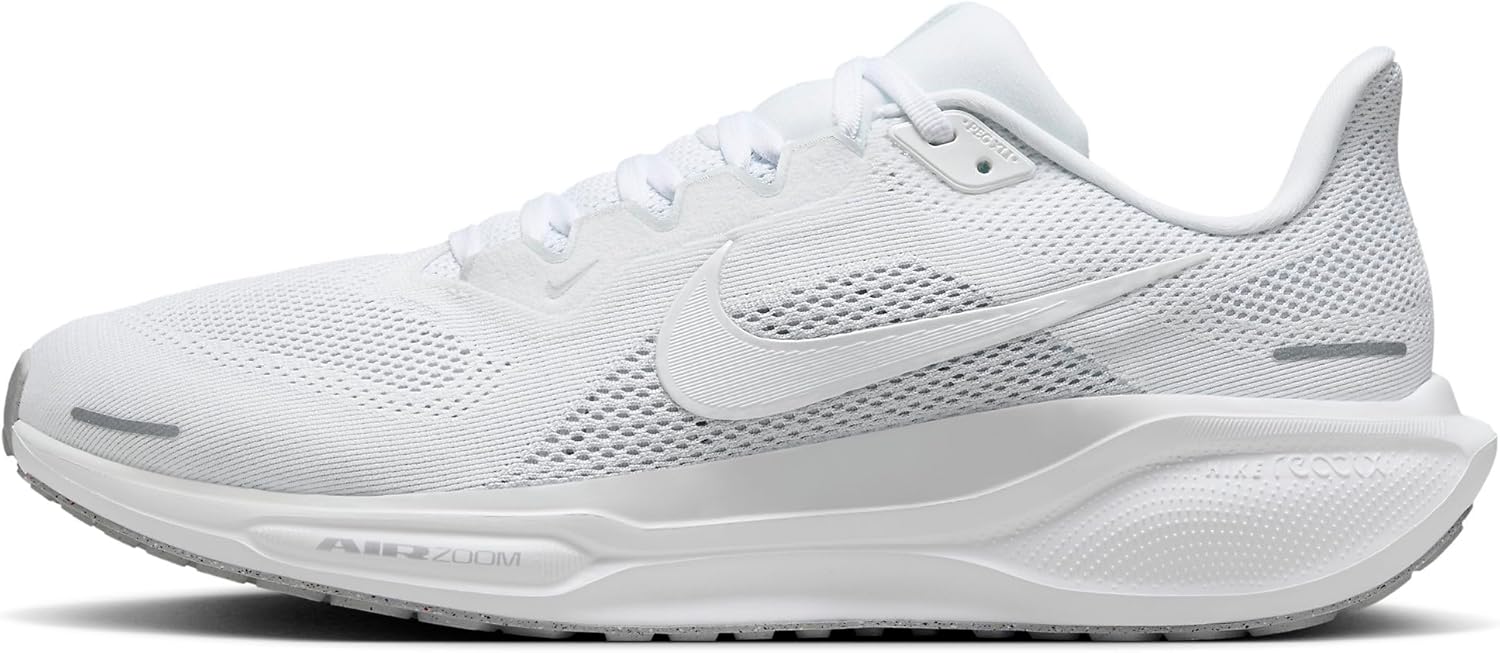
Supportive footwear — Do not use a standing desk barefoot or in socks. Wear the same supportive shoes you’d wear for extended walking — ideally with a quality insole. Many office workers change into standing desk shoes (kept at the office) to maintain foot support without committing to wearing office shoes all day.
Alternating position — Even with perfect equipment, static standing should be broken up every 20–30 minutes. Set a reminder to shift weight, take short walks, or alternate with sitting. The sit/stand ratio that minimizes musculoskeletal symptoms is approximately 2:1 (sit 2 hours, stand 1 hour in any given period).
Footrest stool — A low footrest that allows one foot to be elevated while standing significantly reduces lumbar and lower extremity fatigue. Alternating which foot is elevated distributes the benefit.
Managing Existing Standing Desk Foot Pain
For plantar fasciitis from standing desk use: add PowerStep insoles to your standing shoes immediately, ensure your mat is quality (cheap anti-fatigue mats lose their cushioning quickly), and alternate sitting and standing rather than standing exclusively.
For metatarsal pain (forefoot burning): add a metatarsal pad positioned just proximal to the 2nd–4th metatarsal heads, ensure your footwear has adequate forefoot width, and consider switching to a shoe with a wider forefoot platform.
If foot pain persists despite proper mat and footwear, come in for an evaluation. Standing desk pain sometimes reveals underlying conditions (flat feet, plantar fasciitis, metatarsalgia) that were subclinical before the added daily standing.
Dr. Tom's Product Recommendations

PowerStep Pinnacle Insoles
⭐ Highly Rated
Essential for standing desk users. PowerStep Pinnacle provides the arch support and dual-layer cushioning that turns any supportive shoe into a standing desk-ready piece of equipment.
Dr. Tom says: “I recommend PowerStep to every standing desk user with foot pain. It’s the most impactful low-cost intervention for making extended standing tolerable.”
Standing desk foot pain, plantar fasciitis, arch fatigue, all-day standing
Barefoot standing desk users — shoes with insoles are always better
Disclosure: We earn a commission at no extra cost to you.

Doctor Hoy’s Natural Pain Relief Gel
⭐ Highly Rated
End-of-workday topical relief for standing desk foot pain. Apply to plantar heel, arch, and forefoot after long standing sessions.
Dr. Tom says: “Doctor Hoy’s applied post-workday to the heel and arch provides excellent relief for the cumulative soreness from extended standing desk use.”
Post-standing desk soreness, plantar fasciitis, arch and heel fatigue
Active acute flare with significant swelling — ice first, then topical
Disclosure: We earn a commission at no extra cost to you.
✅ Pros / Benefits
- Anti-fatigue mat + proper footwear dramatically reduces standing desk foot pain
- Alternating sit/stand prevents static loading problems
- PowerStep insoles immediately improve foot support in any standing shoe
- Proper setup allows health benefits of standing without the foot penalties
❌ Cons / Risks
- Cheap anti-fatigue mats lose effectiveness quickly — invest in quality
- Most standing desk users don’t wear proper shoes, undermining the mat’s benefit
- Underlying foot conditions may require treatment beyond ergonomic optimization
Dr. Tom Biernacki’s Recommendation
I’ve seen more standing desk foot injuries since 2015 than I ever saw before. The concept of standing more is correct — but not barefoot on a hard floor with no mat or support. Invest in a quality anti-fatigue mat and wear your best walking shoes with PowerStep insoles. That combination makes standing desks genuinely healthy for your feet.
— Dr. Tom Biernacki, DPM | Board-Certified Podiatric Surgeon | Balance Foot & Ankle
Frequently Asked Questions
How long should I stand at my standing desk to avoid foot pain?
Break up standing into 30-minute intervals with 5-minute breaks (walking or sitting). The ideal daily ratio is approximately 2 hours sitting for every 1 hour standing.
Do anti-fatigue mats actually help?
Yes, significantly. Quality anti-fatigue mats (GelPro, Topo) reduce ground reaction force by 30–50%, which measurably reduces muscle fatigue and plantar pressure.
Can a standing desk cause plantar fasciitis?
Yes. Extended static standing on hard floors, particularly without arch support, is a documented cause of plantar fasciitis. Standing desk users have higher rates of foot pain than seated office workers unless they use proper equipment.
When Shoes Aren’t Enough — Dr. Tom’s Top 9 Orthotics
About 30% of patients I see for foot pain need MORE than a great shoe — they need a structured insole. Below: my complete 2026 orthotic ranking with pros, cons, and the specific patient I’d give each one to.




⚕ Doctor Recommended
Doctor Hoy’s Natural Pain ReliefTopical relief for foot & ankle pain
View Product →What is Foot pain?
Foot pain is a common foot/ankle condition that affects mobility and quality of life. Understanding the underlying cause is the first step in successful treatment. Our podiatrists at Balance Foot & Ankle perform a hands-on biomechanical exam, review your activity history, and use diagnostic imaging when appropriate to identify the root cause—not just treat the symptom. Many patients have been told to “rest and ice” without a deeper diagnostic workup; our approach is different.
Symptoms and warning signs
Common signs of foot pain include pain that worsens with activity, morning stiffness, swelling, tenderness when palpated, and difficulty bearing weight. If you experience sudden severe pain, inability to walk, visible deformity, numbness or color change, contact our office the same day or visit urgent care—these can signal a more serious injury such as a fracture, tendon rupture, or vascular compromise. Diabetics with any foot wound should seek same-day care.
Conservative treatment options
Most cases of foot pain respond to non-surgical care: structured rest, supportive footwear changes, custom orthotics, targeted stretching and strengthening protocols, anti-inflammatory medications when medically appropriate, and in-office procedures such as ultrasound-guided injections. We also offer advanced therapies including MLS laser therapy, EPAT/shockwave, regenerative injections, and image-guided procedures. Treatment is sequenced from least invasive to most invasive, and we explain the rationale at every step.
When is surgery considered?
Surgery is reserved for cases that fail 3-6 months of well-structured conservative care, when there is structural pathology (severe deformity, complete tear, advanced arthritis), or when imaging shows damage that will not heal without intervention. Our surgeons have performed 3,000+ foot and ankle procedures and prioritize minimally-invasive techniques whenever appropriate. We discuss recovery timelines, return-to-activity milestones, and realistic outcome expectations before any procedure is scheduled.
Recovery timeline and prevention
Recovery from foot pain varies based on severity and chosen treatment path. Conservative cases often improve within 4-8 weeks with consistent adherence to the protocol. Post-procedural recovery may range from a few days (in-office procedures) to several months (reconstructive surgery). Long-term prevention involves footwear assessment, activity modification, structured strengthening, and regular check-ins with your podiatrist if you have a history of recurrence. We provide written home-exercise plans and digital follow-up support.
In-Office Treatment at Balance Foot & Ankle
If home treatment isn’t providing relief for your standing desk foot pain 2, our podiatry team at Balance Foot & Ankle can help with same-day evaluations and advanced in-office care.
APMA: Standing Desks and Foot Health
Ready to Get Relief?
Same-day appointments available in Howell & Bloomfield Township, MI
4.9★ | 1,123 Reviews | 3,000+ Surgeries
Or call: (810) 206-1402

Dr. Tom Biernacki, DPM is a board-certified foot & ankle surgeon (ABFAS & ABPM) at Balance Foot & Ankle Specialists in Southeast Michigan. With over a decade of clinical experience, he specializes in heel pain, bunions, diabetic foot care, sports injuries, and minimally invasive surgery. Dr. Biernacki is a member of the APMA and ACFAS, and his patient education content on MichiganFootDoctors.com and YouTube has made him one of the most-followed foot & ankle educators on YouTube.