

Quick answer: Treatment for heel pain morning causes treatment guide follows a stepwise approach: 1) conservative care first (rest, ice, supportive footwear, OTC anti-inflammatories), 2) physical therapy and targeted exercises, 3) in-office treatments (injections, custom orthotics) if conservative fails at 4-6 weeks, 4) surgery for refractory cases. Most patients resolve at step 1 or 2. Call (810) 206-1402.
![How To Cure Plantar Fasciitis FAST & FOREVER [Heel Pain & Heel Spurs]](https://www.michiganfootdoctors.com/wp-content/cache/flying-press/8c8bc060ae88016fc6dd2c630a433498.jpg)
Watch: How To Cure Plantar Fasciitis FAST & FOREVER [Heel Pain & Heel Spurs] — MichiganFootDoctors YouTube

Medically Reviewed by Dr. Tom Biernacki, DPM, FACFAS — Board-certified podiatrist & foot surgeon | Balance Foot & Ankle | Last updated: May 2026
Quick Answer: Why Is Heel Pain Worst in the Morning?
Morning heel pain that’s worst with the first 5–15 steps and then gradually eases is the hallmark of plantar fasciitis — the most common cause of heel pain in adults, affecting roughly 2 million Americans annually. During rest and sleep, the plantar fascia shortens and micro-tears partially heal in this contracted position. The first steps stretch the fascia suddenly, re-tearing these micro-repairs. The easing after 10–15 minutes of walking is because the tissue warms and elongates. Other morning heel pain causes include Baxter’s nerve entrapment, fat pad atrophy, calcaneal stress fracture, and insertional Achilles tendinopathy — each requires different treatment, so accurate diagnosis matters.
The Differential: 5 Causes of Morning Heel Pain
| Condition | Location | Morning Pattern | Key Distinguishing Feature |
|---|---|---|---|
| Plantar fasciitis | Medial plantar heel | Severe first steps, eases with walking | Pain at medial calcaneal tubercle on palpation |
| Baxter’s nerve entrapment | Medial heel / plantar surface | Burning, numbness — worse with prolonged standing | Tingling component; doesn’t fully ease with walking |
| Insertional Achilles tendinopathy | Posterior heel (back of heel) | Stiffness, pain at heel bone — back of foot | Painful with squeezing back of heel; bone spur on X-ray |
| Fat pad atrophy | Central heel (directly under calcaneus) | Pain with first step, persists with walking | Central heel, visible thinning of heel pad; older patients |
| Calcaneal stress fracture | Diffuse heel bone | Gradual onset, worsening over weeks | Positive “squeeze test” (painful with lateral compression); MRI confirms |
Plantar Fasciitis: Why It Starts in the Morning
The plantar fascia is a thick band of connective tissue running from the calcaneal (heel) tuberosity to the base of the toes. It functions as a windlass mechanism — tensioning with toe extension to support the arch during push-off. Plantar fasciitis occurs when repetitive loading exceeds the tissue’s repair capacity, creating microscopic tears at the calcaneal attachment. During sleep, the foot rests in plantarflexion (toes pointed slightly down), allowing the fascia to shorten. When the first step of the morning places the foot flat and stretches the fascia from this shortened position, the partially healed micro-tears are re-injured — producing that characteristic sharp, tearing sensation in the heel.
Risk factors: sudden increase in running mileage or standing time (the most common precipitant), tight calf muscles (the Achilles and plantar fascia share a mechanical link through the Windlass mechanism), flat feet or high arches (both alter fascial loading), obesity, and age 40–60 (peak prevalence). Bilateral plantar fasciitis — both heels simultaneously — raises the possibility of a systemic inflammatory condition (ankylosing spondylitis, psoriatic arthritis, reactive arthritis) and warrants rheumatologic evaluation.
Evidence-Based Treatment for Morning Heel Pain
First-line (weeks 1–6): Calf and plantar fascia stretching — specifically the “towel stretch” (pulling toes back before getting out of bed in the morning, before the first step), plantar fascia self-massage with a frozen water bottle, supportive footwear immediately on rising (never barefoot on hard floors), and OTC arch support insoles (Superfeet Green or Powerstep Pinnacle).
Second-line (weeks 6–12, if first-line insufficient): Custom orthotics (correct the specific biomechanical driver), night splints (maintain the fascia in a slightly stretched position during sleep, addressing the morning contracture mechanism directly), physical therapy with ultrasound and eccentric calf strengthening, and corticosteroid injection for acute pain relief. Response rate to conservative care: approximately 85–90% of patients resolve within 6–12 months.
Third-line (3+ months, failed conservative): Extracorporeal shockwave therapy (ESWT) — non-surgical, no downtime, stimulates healing by creating a secondary inflammatory response in chronically degenerated tissue. Platelet-rich plasma (PRP) injection. Surgery (plantar fasciotomy) is a last resort and is rarely necessary — less than 5% of cases.
Most Common Mistake: Treating All Morning Heel Pain as Plantar Fasciitis
⚠️ The heel pain mistake I see most often: A patient has been doing plantar fasciitis stretches for 3 months with no improvement, because what they actually have is Baxter’s nerve entrapment — the inferior calcaneal nerve getting compressed between the flexor digitorum brevis and quadratus plantae. The symptoms overlap significantly: medial heel pain, worse in the morning, tender near the calcaneal tubercle. The difference is the burning or numbness component, the fact that the pain doesn’t ease as dramatically with walking, and the fact that nerve entrapment doesn’t respond to plantar fascia stretching. I’ve also seen insertional Achilles tendinopathy misdiagnosed as plantar fasciitis because “it’s heel pain.” But insertional Achilles is at the back of the heel bone, plantar fasciitis is at the bottom. Location, location, location. Ten minutes with a podiatrist who knows where to press gets the diagnosis right faster than 3 months of the wrong treatment.
Watch: Why Does My Heel Bone Hurt? — Dr. Tom Explains
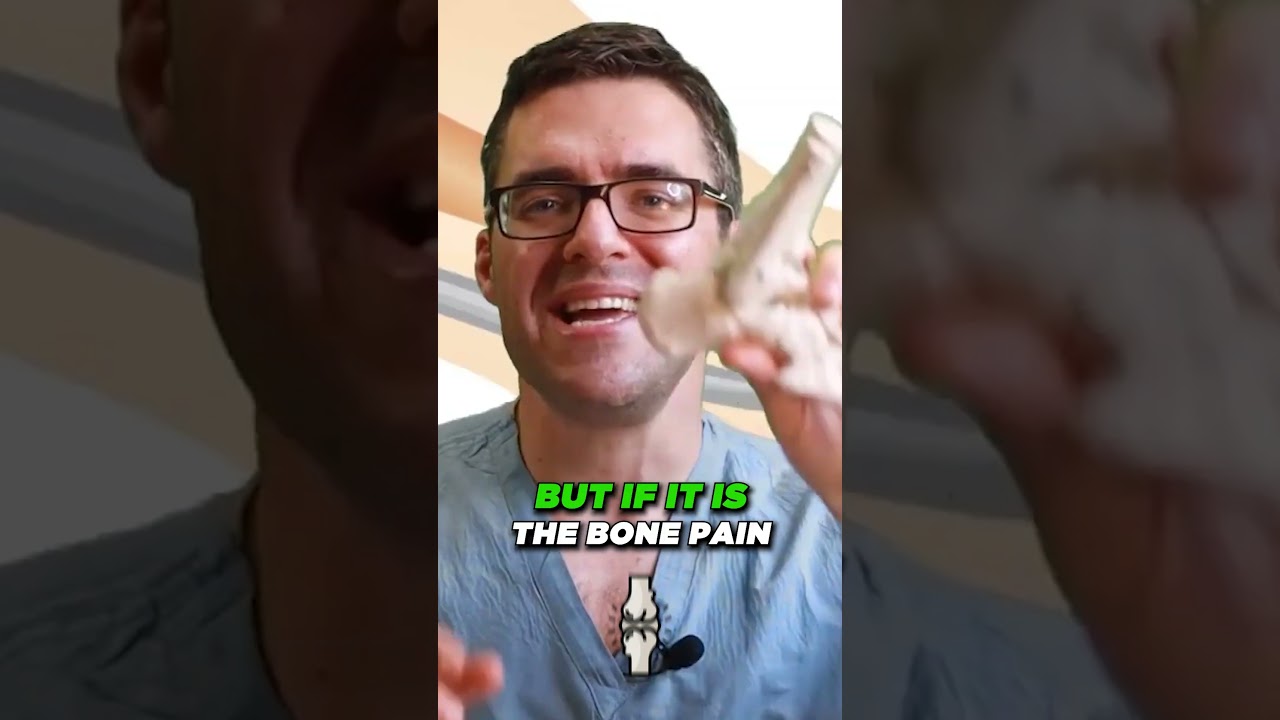
Dr. Tom Biernacki, DPM explains the causes of heel bone pain when walking, including plantar fasciitis, heel spurs, fat pad atrophy, and Baxter’s nerve entrapment.
Morning Heel Pain FAQ
Does a heel spur cause the pain in plantar fasciitis?
No — and this is one of the most persistent misconceptions in podiatry. Heel spurs (inferior calcaneal osteophytes) appear on X-ray in roughly 50% of plantar fasciitis patients, but they’re also present in 15–25% of people with no heel pain whatsoever. The spur forms in response to chronic traction stress at the plantar fascia attachment — it’s a consequence of the process, not the cause of pain. Removing the spur surgically (without addressing the fascia) doesn’t reliably cure plantar fasciitis. The pain comes from the degenerated, micro-torn plantar fascia, not from the spur itself. I tell patients: the spur is evidence you’ve had this process going on for a long time, not a target for treatment.
How long does plantar fasciitis take to heal?
With proper treatment initiated early (within the first 3 months), most patients see 50–70% improvement within 6–8 weeks and full resolution within 3–6 months. Cases where treatment is delayed or where the underlying cause (tight calves, poor footwear, biomechanical deformity) isn’t addressed can persist for 12–18 months or longer. The two strongest predictors of prolonged course: failure to address foot mechanics with orthotics, and failure to stretch the calf/plantar fascia consistently. Night splints are particularly effective for the morning pain component — they maintain the fascia in gentle stretch during sleep, directly addressing the mechanism that causes morning symptoms.
Should I avoid exercise with plantar fasciitis?
Complete rest is rarely necessary or helpful for plantar fasciitis. Activity modification is more appropriate — switching from high-impact activities (running, jumping) to lower-impact alternatives (cycling, swimming, elliptical) during the acute phase allows continued fitness while reducing fascial load. Walking on flat, supportive surfaces with proper footwear is usually fine throughout treatment. Running can typically resume when morning pain resolves and symptoms have been minimal for 2–3 weeks, with a gradual return-to-running protocol. The primary rule: any activity that produces significant heel pain during or after should be modified or temporarily stopped until baseline symptoms are under control.
Can plantar fasciitis come back after it heals?
Yes — recurrence rates are significant, estimated at 20–30% without ongoing preventive measures. The same risk factors that caused the initial episode (tight calves, poor footwear, high-impact activity, flat feet) remain after healing unless addressed. Long-term recurrence prevention: continue calf stretching as a daily habit (2 minutes morning and evening), wear supportive footwear consistently (avoid long barefoot periods on hard floors), use custom orthotics or quality OTC insoles in all athletic footwear, and replace running shoes every 300–500 miles. Patients who address their underlying biomechanics with custom orthotics have significantly lower recurrence rates than those who rely on footwear alone.
When should I see a podiatrist for heel pain?
See a podiatrist if: heel pain has persisted for more than 4–6 weeks despite stretching and supportive footwear; pain is so severe it affects your gait (limping); you have bilateral heel pain; you notice numbness or burning rather than pure sharp pain; you have diabetes or peripheral vascular disease; or you’ve had no improvement after 6 weeks of consistent home treatment. At Balance Foot & Ankle we typically diagnose the cause of heel pain at the first visit through clinical examination, and weight-bearing X-rays can be done the same day. Most patients leave their first appointment with a clear diagnosis and a treatment plan — no waiting for referrals.
Morning Heel Pain? Get the Right Diagnosis First
Dr. Tom Biernacki diagnoses and treats all causes of heel pain at Balance Foot & Ankle in Howell and Bloomfield Township, MI. Same-day appointments available — most insurance accepted.
Book an Appointment Call (810) 206-1402Related Resources
- Plantar Fasciitis Treatment: Complete Guide
- Insertional Achilles Tendinopathy
- Insoles vs. Custom Orthotics for Heel Pain
- Plantar Fasciitis Stretches Guide
- About Dr. Tom Biernacki, DPM FACFAS
In-Office Treatment at Balance Foot & Ankle
If home treatment isn’t providing relief for your plantar fasciitis, our podiatry team at Balance Foot & Ankle can help with same-day evaluations and advanced in-office care.
Same-day appointments available. (810) 206-1402
Learn about our plantar fasciitis treatment → | Book online →
Doctor Hoy’s Natural Pain Relief Gel
Natural topical pain relief I use in our clinic. Arnica + camphor formula — apply directly to the area 3–4x daily. ($20–25)
Shop Doctor Hoy’s →Frequently Asked Questions

How long does treatment take to work?
Most patients see improvement in 4-8 weeks with consistent conservative care. Persistent symptoms after 8 weeks need imaging and escalation.
When is surgery needed?
Surgery is reserved for cases that fail 3-6 months of conservative care, structural deformities, or fractures requiring stabilization.
Is this covered by insurance?
Most diagnostic visits and conservative treatments are covered by Medicare and major insurers. Custom orthotics often require diabetic or post-surgical justification.
What is Heel pain?
Heel pain is a common foot/ankle condition that affects mobility and quality of life. Understanding the underlying cause is the first step in successful treatment. Our podiatrists at Balance Foot & Ankle perform a hands-on biomechanical exam, review your activity history, and use diagnostic imaging when appropriate to identify the root cause—not just treat the symptom. Many patients have been told to “rest and ice” without a deeper diagnostic workup; our approach is different.
Symptoms and warning signs
Common signs of heel pain include pain that worsens with activity, morning stiffness, swelling, tenderness when palpated, and difficulty bearing weight. If you experience sudden severe pain, inability to walk, visible deformity, numbness or color change, contact our office the same day or visit urgent care—these can signal a more serious injury such as a fracture, tendon rupture, or vascular compromise. Diabetics with any foot wound should seek same-day care.
Conservative treatment options
Most cases of heel pain respond to non-surgical care: structured rest, supportive footwear changes, custom orthotics, targeted stretching and strengthening protocols, anti-inflammatory medications when medically appropriate, and in-office procedures such as ultrasound-guided injections. We also offer advanced therapies including MLS laser therapy, EPAT/shockwave, regenerative injections, and image-guided procedures. Treatment is sequenced from least invasive to most invasive, and we explain the rationale at every step.
When is surgery considered?
Surgery is reserved for cases that fail 3-6 months of well-structured conservative care, when there is structural pathology (severe deformity, complete tear, advanced arthritis), or when imaging shows damage that will not heal without intervention. Our surgeons have performed 3,000+ foot and ankle procedures and prioritize minimally-invasive techniques whenever appropriate. We discuss recovery timelines, return-to-activity milestones, and realistic outcome expectations before any procedure is scheduled.
Recovery timeline and prevention
Recovery from heel pain varies based on severity and chosen treatment path. Conservative cases often improve within 4-8 weeks with consistent adherence to the protocol. Post-procedural recovery may range from a few days (in-office procedures) to several months (reconstructive surgery). Long-term prevention involves footwear assessment, activity modification, structured strengthening, and regular check-ins with your podiatrist if you have a history of recurrence. We provide written home-exercise plans and digital follow-up support.
Ready to feel better?
Same-week appointments available in Howell and Bloomfield Township, Michigan.
Book Your Visit
Dr. Tom Biernacki, DPM is a board-certified foot & ankle surgeon (ABFAS & ABPM) at Balance Foot & Ankle Specialists in Southeast Michigan. With over a decade of clinical experience, he specializes in heel pain, bunions, diabetic foot care, sports injuries, and minimally invasive surgery. Dr. Biernacki is a member of the APMA and ACFAS, and his patient education content on MichiganFootDoctors.com and YouTube has made him one of the most-followed foot & ankle educators on YouTube.
More questions patients ask
What causes heel pain?
Heel pain most commonly results from plantar fasciitis (inflammation of the plantar fascia ligament), which accounts for approximately 80% of cases. Other causes include Achilles tendinitis, heel spurs, stress fractures, Baxter's nerve entrapment, and fat pad atrophy. Dr. Biernacki performs a thorough biomechanical evaluation to identify the precise cause. Call 810-206-1402 for a same-day appointment.
Still have a question about coverage or cost? Book online and we will check your benefits before your visit: Book in Howell · Book in Bloomfield Township. Prefer to talk it through first? Call (810) 206-1402.