

Horseback riding foot and ankle injuries — stirrup-related ankle sprains, foot crush from a fall, or chronic gripping strain — each have a different mechanism and a different fix.
You’re in the right place. Dr. Tom Biernacki, DPM, FACFAS — board-certified foot & ankle surgeon with 3,000+ surgeries — explains exactly what horseback riding foot and ankle injuries means and what works. Call (810) 206-1402 for same-day appointment at Howell or Bloomfield Hills.
Quick answer: Horseback Riding Foot Ankle Injuries Stirrup Ankle Sprains is a common foot/ankle topic that affects many patients. The 2026 evidence-based approach combines proper diagnosis, conservative-first treatment, and escalation only when needed. We treat this regularly at our Howell and Bloomfield Hills practices. Call (810) 206-1402.
Medically reviewed by Dr. Tom Biernacki, DPM — Board-Certified Podiatric Surgeon — Balance Foot & Ankle, Howell & Bloomfield Hills, MI. Last updated April 2026.
Medically Reviewed by Dr. Tom Biernacki, DPM — Board-Certified Podiatrist, Balance Foot & Ankle Specialists, Michigan. Last updated April 2026.
🩺 Medically Reviewed by Dr. Tom Biernacki, DPM — Board-certified podiatrist specializing in sports and equestrian foot injuries at Balance Foot & Ankle, Southeast Michigan. Learn more about Dr. Biernacki →
⚡ Quick Answer: Horseback riding creates unique foot and ankle injury risks due to the stirrup position, the forces generated during posting and jumping, and the catastrophic potential of falls and horse-related accidents. The most common equestrian foot injuries include ankle sprains from stirrup entrapment, metatarsal fractures from being stepped on, Lisfranc injuries from stirrup falls, and chronic conditions like metatarsalgia and plantar fasciitis from prolonged riding boot use. Proper boot selection, stirrup fit, and foot conditioning can prevent most riding-related foot injuries.
The most important clinical decision with Horseback Riding Foot Ankle Injuries Stirrup Ankle Sprains isn’t which treatment to start with — it’s which subtype or underlying cause you actually have. That distinction changes everything. Call us: (810) 206-1402
Table of Contents
Medically reviewed by Dr. Tom Biernacki, DPM
Board-certified podiatric surgeon | Balance Foot & Ankle
Last reviewed: May 2026
- Why Horseback Riding Hurts Your Feet
- The Stirrup Position and Foot Biomechanics
- Ankle Sprains From Stirrup Entrapment
- Metatarsal Fractures From Horse Stepping
- Lisfranc Injuries in Equestrians
- Plantar Fasciitis in Riders
- Metatarsalgia and Forefoot Pain
- Achilles Tendinopathy From Heel-Down Position
- Nerve Compression From Riding Boots
- Fall-Related Foot and Ankle Injuries
- Riding Boot Selection for Foot Health
- Stirrup Modifications for Injury Prevention
- Foot and Ankle Conditioning for Riders
- Podiatrist-Recommended Products for Riders
- Most Common Mistake
- Warning Signs
- Video Guide
- Frequently Asked Questions
- Sources
- Schedule Your Appointment
- Related Resources
Affiliate disclosure: This page contains affiliate links to products we recommend. We may earn a small commission at no extra cost to you. All recommendations are based on clinical experience at our Southeast Michigan practice.
Why Horseback Riding Creates Unique Foot Injury Risks
Horseback riding places the foot and ankle in a biomechanical position that differs fundamentally from any other sport or activity. The rider’s foot is positioned in a stirrup with the ball of the foot bearing concentrated load, the heel pressed downward, and the ankle maintained in sustained dorsiflexion — a position that stresses the Achilles tendon, loads the metatarsal heads, and places the ankle in a vulnerable alignment for inversion injury. Unlike walking or running where the foot cycles through a range of positions, riding locks the foot in this single loaded position for extended periods.
The forces involved in equestrian activities are substantial and unpredictable. During posting (rising trot), the rider’s full body weight repeatedly loads through the stirrup onto the ball of the foot, creating peak pressures at the metatarsal heads that exceed normal walking forces by 2-3 times. During jumping, these forces increase dramatically as the rider absorbs the horse’s landing impact through their lower extremities. And during unexpected events — a horse shying, bucking, or falling — the foot can be subjected to violent twisting, hyperextension, or crushing forces that cause acute traumatic injuries.
The riding boot itself contributes to both injury risk and chronic foot conditions. Traditional riding boots feature a rigid sole, narrow toe box, and elevated heel designed for stirrup security rather than foot comfort. While these design features serve important safety functions — the heel prevents the foot from sliding through the stirrup, and the rigid sole provides stable platform contact — they also restrict natural foot motion, compress the forefoot, and alter the biomechanics of walking during the considerable time riders spend on their feet around the barn before and after riding.
The Stirrup Position and Its Effect on Foot Biomechanics
The correct riding position places the ball of the foot on the stirrup tread with approximately one-third of the foot extending beyond the outer edge. The heel is pressed downward and the ankle maintains 15-25 degrees of dorsiflexion. This position is biomechanically demanding because it requires sustained eccentric contraction of the calf muscles (gastrocnemius and soleus) to maintain the heel-down position while simultaneously loading the metatarsal heads with concentrated body weight.
The width of the stirrup tread significantly affects pressure distribution across the forefoot. Standard stirrups with narrow treads concentrate force on a small area of the metatarsal heads, creating peak pressures that can cause metatarsalgia, neuroma irritation, and forefoot bruising. Wider stirrup treads distribute the same force over a larger area, reducing peak pressure and providing more comfortable support during extended riding sessions. Flexible or hinged stirrups that allow the tread to angle with the foot’s natural position further reduce stress on the ankle and forefoot joints.
Stirrup length affects the degree of ankle dorsiflexion required to maintain the heel-down position. Stirrups that are too short force excessive dorsiflexion, increasing Achilles tendon strain and anterior ankle impingement. Stirrups that are too long cause the rider to reach for the stirrup, which shifts weight onto the toes and creates instability that increases the risk of the foot sliding through the stirrup — the setup for dangerous stirrup entrapment during a fall.
Ankle Sprains From Stirrup Entrapment and Dismount Injuries
Ankle sprains are the most common acute equestrian foot injury, occurring primarily through two mechanisms: stirrup entrapment during falls and dismount injuries on uneven ground. When a rider falls or is thrown and the foot catches in the stirrup, the ankle is subjected to violent inversion or eversion forces as the horse moves away. The rigid stirrup acts as a fulcrum that amplifies the twisting force on the ankle, often causing more severe ligament damage than a typical ankle sprain from walking or sports.
Lateral ankle sprains (inversion injuries affecting the outer ankle ligaments) are most common and involve the anterior talofibular ligament (ATFL) as the primary structure damaged. In equestrian falls, the force magnitude often tears the ATFL completely and may damage the calcaneofibular ligament (CFL) as well, creating a grade II or III sprain that requires weeks to months of rehabilitation. High ankle sprains — involving the syndesmotic ligaments that connect the tibia and fibula — can also occur during stirrup entrapment and have significantly longer recovery times than lateral sprains.
Prevention focuses on proper stirrup fit (the stirrup should be wide enough to release the foot easily during a fall), safety stirrups with breakaway mechanisms (peacock stirrups, magnetic safety stirrups, or bent-leg stirrups that open under lateral pressure), and proper riding footwear with a defined heel that prevents the foot from sliding through the stirrup tread. Riders who have experienced previous ankle sprains should consider ankle bracing or taping during riding, as the high-demand ankle position in the stirrup predisposes previously injured ligaments to re-injury.
Metatarsal Fractures From Horse Stepping Injuries
A horse weighing 1,000-1,200 pounds stepping on an unprotected human foot generates forces exceeding 500 pounds per square inch — more than enough to fracture multiple metatarsal bones simultaneously. These crushing injuries typically affect the dorsal (top) surface of the midfoot and forefoot, causing comminuted fractures of the metatarsal shafts that may involve 2-4 metatarsals simultaneously. The severity depends on the horse’s weight, whether the horse is wearing shoes (steel shoes concentrate force further), and whether the human foot is wearing protective footwear.
Ground handling — leading, grooming, tacking up, and working around horses on foot — accounts for more stepping injuries than actual riding. Horses have limited downward visibility near their feet and can shift their weight unexpectedly. The lateral (outer) metatarsals are most commonly affected because horse stepping typically catches the outside of the foot. Fifth metatarsal fractures are particularly common and may involve the proximal base (Jones fracture zone), which has notoriously poor blood supply and can be slow to heal.
Prevention requires wearing sturdy footwear with reinforced toe boxes whenever working around horses on the ground. Traditional riding boots provide some protection, but dedicated barn boots or safety-toed boots offer significantly more crush resistance. Never work around horses in sandals, sneakers, or open-toed shoes — even a momentary stepping injury in unprotected footwear can cause fractures that take months to heal and potentially require surgical fixation.
Lisfranc Injuries: The Most Serious Equestrian Foot Injury
Lisfranc injuries — disruption of the tarsometatarsal joint complex in the midfoot — are historically associated with horseback riding because the mechanism of injury mimics the original description: falling from a horse with the foot caught in the stirrup, causing violent abduction and plantar flexion of the forefoot while the hindfoot remains fixed. This mechanism tears the Lisfranc ligament that stabilizes the articulation between the medial cuneiform and the base of the second metatarsal, destabilizing the entire midfoot architecture.
Lisfranc injuries are frequently misdiagnosed as simple midfoot sprains because initial X-rays may appear normal if the ligament disruption does not cause obvious bone displacement. However, subtle findings — widening between the first and second metatarsal bases, a small avulsion fracture at the base of the second metatarsal (the “fleck sign”), or asymmetry compared to the uninjured foot on weight-bearing X-rays — indicate significant ligamentous disruption that requires surgical stabilization to prevent chronic midfoot instability, arthritis, and flatfoot deformity.
Any equestrian who sustains a midfoot injury from a fall and experiences significant swelling, bruising on the sole of the foot, and inability to bear weight normally should have weight-bearing X-rays of both feet for comparison, and if findings are equivocal, an MRI or CT scan to evaluate ligamentous integrity. Missing a Lisfranc injury and treating it as a simple sprain leads to chronic disability that may eventually require midfoot fusion surgery — a far more extensive procedure than the primary surgical repair that could have been performed at the time of injury.
Plantar Fasciitis in Equestrians
Plantar fasciitis develops in riders through two primary mechanisms: the sustained plantar flexion-dorsiflexion cycling of the ankle during riding stretches and compresses the plantar fascia repetitively, and the time spent on feet around the barn in rigid riding boots with minimal arch support creates additional strain on the plantar fascia during walking. Many riders spend 1-2 hours riding and an additional 2-4 hours on their feet for barn chores, creating a combined loading pattern that exceeds the plantar fascia’s capacity for recovery.
Riding boots are a significant contributor because they typically lack structured arch support. The flat, rigid sole distributes body weight evenly across the plantar surface rather than supporting the medial longitudinal arch, forcing the plantar fascia to provide all dynamic arch support during the walking phases of barn work. Adding a structured insole like PowerStep Pinnacle inside riding boots provides the arch support that the boot’s design omits, reducing plantar fascia strain during both riding and ground work.
Metatarsalgia and Forefoot Pain From Stirrup Pressure
Metatarsalgia — pain under the ball of the foot — is the most common chronic complaint among riders and results directly from the concentrated loading of the metatarsal heads against the stirrup tread. During posting, the rider’s full body weight repeatedly loads through the forefoot with each rise, creating peak pressures at the second and third metatarsal heads that far exceed normal walking forces. Over time, this repetitive loading inflames the metatarsophalangeal joint capsules and can damage the plantar plate ligaments that support these joints from below.
Stirrup modifications provide the most direct relief for riding-related metatarsalgia. Wide-platform stirrups (4-inch or wider treads) distribute force across a larger forefoot area, reducing peak metatarsal pressure by 30-50% compared to standard 4.25-inch stirrups. Adding a cushioned stirrup pad or gel insert to the stirrup tread provides additional shock absorption. Inside the boot, a metatarsal pad placed just proximal to the metatarsal heads redistributes pressure away from the most vulnerable area. PowerStep Pinnacle insoles with built-in metatarsal support can be trimmed to fit inside most riding boots.
Achilles Tendinopathy From the Heel-Down Position
The heel-down riding position requires sustained eccentric loading of the Achilles tendon and calf muscles — the same type of loading that causes Achilles tendinopathy in runners, but in an isometric rather than dynamic pattern. Riders who ride daily or multiple times per week subject their Achilles tendons to hours of sustained stretch under load, which can cause microtearing at the tendon’s midsubstance or at its insertion on the calcaneus (heel bone).
The condition typically presents as stiffness and pain at the back of the ankle that worsens after riding and is particularly noticeable when dismounting and walking. The transition from the heel-down riding position to flat-footed walking creates a sudden change in tendon loading that can be quite painful in an inflamed Achilles. Post-riding application of Doctor Hoy’s Natural Pain Relief Gel to the Achilles tendon area provides anti-inflammatory relief that helps manage symptoms between rides.
Preventing riding-related Achilles tendinopathy requires attention to stirrup length (overly short stirrups force excessive dorsiflexion), pre-ride calf stretching, post-ride eccentric calf exercises, and adequate rest days between riding sessions for riders who experience early Achilles symptoms. Riders who develop persistent Achilles pain should also evaluate their riding boots — boots with a slightly higher heel reduce Achilles tendon strain during the heel-down position compared to flat-soled boots.
Nerve Compression and Morton’s Neuroma From Riding Boots
Riding boots with narrow toe boxes compress the forefoot, forcing the metatarsal heads closer together and trapping the interdigital nerves between them. This compression is amplified by the stirrup position, which loads the forefoot against the rigid boot sole and further narrows the intermetatarsal spaces. Over time, repetitive nerve compression causes the development of a Morton’s neuroma — a thickened, painful nerve sheath that produces burning, numbness, or electric-shock sensations in the toes, most commonly between the third and fourth toes.
Riders who experience numbness, tingling, or burning in the forefoot during or after riding should evaluate their boot fit, particularly the width of the toe box. A boot that fits well when standing may compress the forefoot significantly when the foot is loaded against the stirrup, as the metatarsal heads splay under body weight. Choosing riding boots with a slightly wider forefoot, or using a boot stretcher to expand the toe box area, can reduce nerve compression. If symptoms persist despite boot modifications, professional evaluation for Morton’s neuroma with potential injection therapy or orthotic modification may be necessary.
Fall-Related Foot and Ankle Injuries in Equestrians
Falls from horseback generate significant injury forces because the rider falls from a height of 4-6 feet above ground, often at the horse’s speed of movement. Landing on extended feet from this height can cause calcaneal (heel) fractures, talus fractures, ankle fractures, and midfoot injuries. The injury pattern depends on the foot’s position at impact — landing flat-footed concentrates force through the calcaneus, while landing on the forefoot distributes force through the metatarsals and midfoot.
The most dangerous fall scenario is being dragged with a foot caught in the stirrup. This can produce devastating injuries including open ankle fractures, ankle dislocations, crush injuries from the horse’s hooves, and degloving injuries where the skin is torn from the underlying tissue by friction with the ground. Safety stirrups — designed to release the foot during a fall — are the single most important piece of equipment for preventing catastrophic equestrian foot injuries and should be considered mandatory for all riders, not just beginners.
Riding Boot Selection for Optimal Foot Health
The ideal riding boot balances safety requirements (defined heel, rigid sole for stirrup stability, smooth exterior to prevent stirrup entrapment) with foot health considerations (adequate toe box width, removable insole for orthotic accommodation, appropriate ankle support). Tall riding boots provide excellent ankle support during riding but limit ankle mobility during ground work, while paddock boots with half-chaps offer a compromise that provides stirrup stability with greater walking comfort.
When selecting riding boots, prioritize adequate forefoot width — your toes should not be compressed against each other when standing naturally. The boot should accommodate a structured insole like PowerStep Pinnacle without creating excessive tightness. The heel height should be between 1 and 1.5 inches — sufficient to prevent the foot from sliding through the stirrup but not so high that it forces excessive plantar flexion during dismounted walking. The sole should be rigid enough for stirrup stability but should have some flexibility at the ball of the foot for comfortable walking.
Stirrup Modifications for Injury Prevention
Modern stirrup designs have evolved significantly to address the biomechanical and safety concerns of traditional stirrups. Wide-platform stirrups reduce forefoot pressure and improve rider stability. Offset stirrups angle the tread to match the foot’s natural position, reducing ankle and knee strain. Flexible stirrups with shock-absorbing treads reduce impact transmission through the foot during posting and jumping. Safety stirrups with breakaway mechanisms (magnetic systems, bent-leg designs, rubber band release systems) prevent stirrup entrapment during falls.
For riders with chronic forefoot pain, adding a cushioned pad to the stirrup tread provides additional shock absorption between the foot and the rigid metal surface. Gel pads, neoprene wraps, and custom-molded tread inserts are all available options. The stirrup should be sized so that approximately 1 inch of clearance exists between the boot and each side of the stirrup — tight stirrups increase entrapment risk while excessively wide stirrups allow the foot to slide laterally and twist the ankle.
Foot and Ankle Conditioning for Equestrians
Riders can significantly reduce their injury risk through targeted foot and ankle conditioning exercises that prepare the lower extremities for the demands of equestrian activity. Calf stretching and strengthening — both concentric (rising onto toes) and eccentric (slowly lowering from tiptoe) — builds the endurance needed for sustained heel-down riding position. Balance training on an unstable surface (wobble board, BOSU ball) improves ankle proprioception and reaction time, reducing sprain risk during unexpected horse movements.
Intrinsic foot muscle strengthening (towel scrunches, marble pickups, short foot exercises) builds the muscular support that helps distribute stirrup pressure across a broader forefoot area rather than concentrating it on the metatarsal heads. Ankle range-of-motion exercises — specifically dorsiflexion stretches — ensure adequate flexibility for the heel-down position without straining the Achilles tendon. Post-riding recovery should include calf stretching, foot elevation, and topical anti-inflammatory application with Doctor Hoy’s Natural Pain Relief Gel to the forefoot, Achilles, and arch.
Podiatrist-Recommended Products for Equestrians
PowerStep Pinnacle Insoles — Essential for riding boots, which typically lack adequate arch support. The semi-rigid shell provides the arch support that flat riding boot soles cannot, while the cushioned top layer reduces metatarsal pressure during stirrup loading. Trim to fit inside tall boots or paddock boots for immediate improvement in riding comfort and long-term prevention of plantar fasciitis and metatarsalgia. The deep heel cup stabilizes the foot within the boot for better stirrup feel and control.
Doctor Hoy’s Natural Pain Relief Gel — Apply after every ride to the forefoot, Achilles tendon, and arch to manage the cumulative inflammation from stirrup loading and the heel-down position. The natural arnica and menthol formulation provides effective anti-inflammatory relief without the side effects of oral NSAIDs. Particularly valuable for riders who experience post-ride foot stiffness and soreness that interferes with barn chores and daily activities.
DASS Compression Socks — Graduated compression reduces foot and ankle swelling during long days at the barn that combine riding with ground work, grooming, and stall cleaning. Worn under or over riding socks, DASS compression supports venous return and reduces the fatigue and heaviness that riders experience in their feet and lower legs after hours of combined riding and standing. The moisture-wicking fabric keeps feet dry inside leather boots.
Most Common Mistake With Equestrian Foot Injuries
🔑 Key Takeaway: The most dangerous mistake equestrians make is wearing inadequate footwear around horses on the ground. Riders who carefully select proper riding boots for the saddle often wear sneakers, sandals, or even flip-flops for barn work, grooming, and ground handling — activities that carry the highest risk of being stepped on. A 1,100-pound horse standing on an unprotected foot will almost certainly cause metatarsal fractures that require 6-12 weeks of recovery and potentially surgical fixation. Steel-toed or composite-toed barn boots should be considered mandatory footwear whenever you are within striking distance of a horse’s hooves, not just when you are in the saddle.
Warning Signs You Need Immediate Care
⚠️ Seek immediate evaluation if you experience:
Inability to bear weight after a fall or horse-stepping injury — Immediate inability to walk normally suggests fracture, dislocation, or significant ligament injury that requires urgent imaging and stabilization.
Bruising on the sole of the foot after a fall — Plantar ecchymosis (bruising on the bottom of the foot) is a hallmark sign of Lisfranc injury — one of the most commonly missed and potentially disabling equestrian foot injuries.
Visible foot deformity after being stepped on — Any new angulation, swelling, or asymmetry in foot shape after a horse-stepping injury indicates displaced fracture requiring urgent care.
Numbness or tingling after a riding injury — Nerve symptoms suggest compartment syndrome, nerve compression from swelling, or displaced fracture fragments pressing on nerves requiring prompt evaluation.
Video Guide: Equestrian Foot Injury Prevention
Dr. Biernacki explains the most common foot and ankle injuries in horseback riders and evidence-based strategies for preventing them through proper equipment selection and conditioning.

More Podiatrist-Recommended Ankle Sprain Essentials
Stability Walking/Running Shoe
Brooks Adrenaline GTS 25 — lateral support during recovery walking.
KT Tape for Ankle Support
KT Tape — proprioceptive support for athletic return-to-play.
Supportive Insole

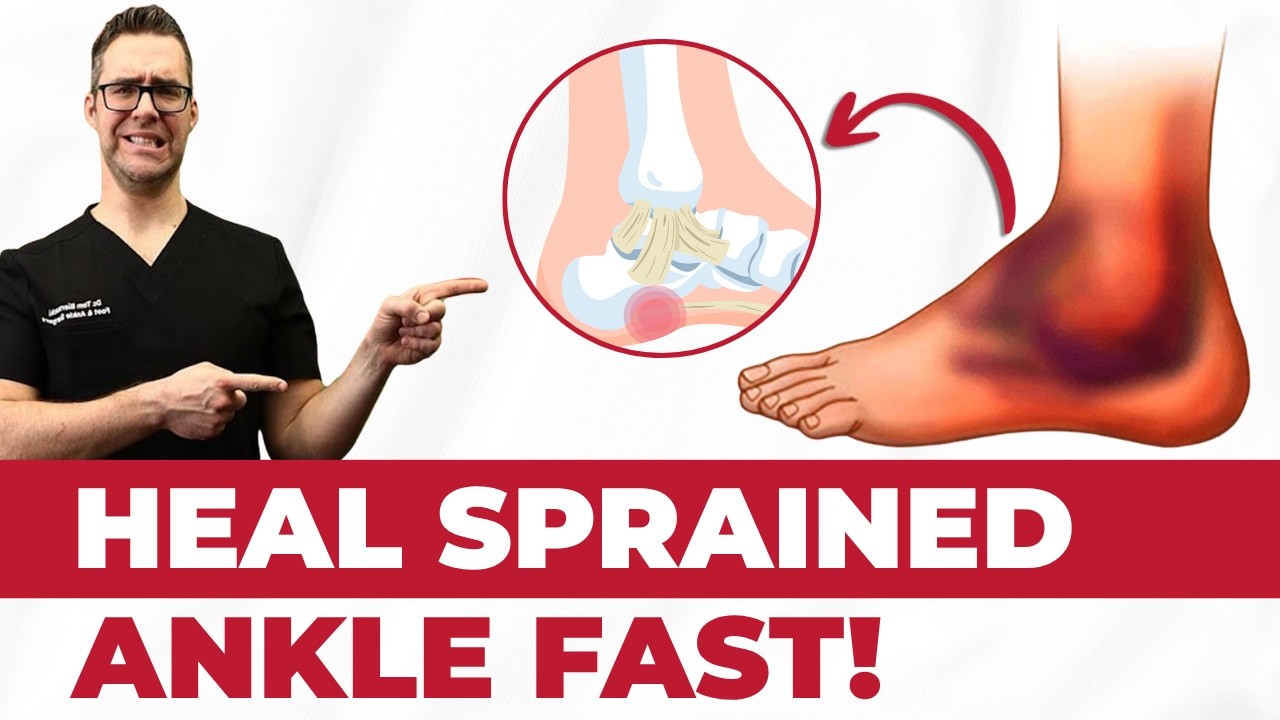
Watch: Fix TWISTED Ankle, ROLLED Ankle or SPRAINED Ankle Ligaments FASTER! — MichiganFootDoctors YouTube
PowerStep Pinnacle — arch support reduces re-injury risk during recovery.
As an Amazon Associate, Balance Foot & Ankle earns from qualifying purchases. Product recommendations are based on clinical experience; prices and availability shown above update live from Amazon.
When to See a Podiatrist
A sprain that hasn’t fully recovered after 6 weeks often has residual ligament laxity or occult fracture that keeps the ankle unstable. Balance Foot & Ankle X-rays and stress-tests every lingering sprain — if the ligament is torn, we offer bracing, PRP, and (for chronic instability) minimally-invasive repair. Don’t keep re-rolling the same ankle; let us stabilize it properly.
Call Balance Foot & Ankle: (810) 206-1402 · Book online · Offices in Howell & Bloomfield Hills
Frequently Asked Questions
Can I ride with plantar fasciitis?
Yes, many riders with plantar fasciitis continue riding with appropriate modifications. Adding a structured arch support insole to your riding boots is the most effective single intervention, as it addresses the primary biomechanical deficit that riding boots create. Stretching your calves and plantar fascia before mounting reduces pain during the initial stirrup loading. Ice and anti-inflammatory gel after riding helps manage post-ride inflammation. If pain persists despite these modifications, consider switching to a wider-platform stirrup that reduces concentrated forefoot loading.
What type of stirrups are safest for foot health?
Wide-platform safety stirrups provide the best combination of foot comfort and injury prevention. The wider tread (4.75 inches or more) distributes pressure across a larger forefoot area, reducing metatarsalgia risk. A breakaway or release mechanism prevents stirrup entrapment during falls. Offset designs that angle the tread to match the foot’s natural position reduce ankle and knee strain during riding. Flexible stirrups with shock-absorbing treads further reduce impact through the foot during posting and jumping.
How do I know if I have a Lisfranc injury versus a simple sprain?
Lisfranc injuries are notoriously difficult to distinguish from simple midfoot sprains without imaging. Key warning signs include bruising on the sole of the foot (plantar ecchymosis), severe swelling across the midfoot, inability to stand on tiptoe, and pain that worsens rather than improves over the first 48 hours. If you sustained a midfoot injury during a fall and have any of these signs, request weight-bearing X-rays of both feet for comparison. If X-rays are normal but clinical suspicion remains high, an MRI or CT scan should be obtained to evaluate the Lisfranc ligament directly.
Should I wear orthotics in my riding boots?
Most riders benefit significantly from adding structured orthotic insoles to their riding boots, particularly if they experience any foot pain during or after riding. Standard riding boot insoles provide minimal arch support and cushioning. A semi-rigid orthotic like PowerStep Pinnacle provides arch support that reduces plantar fascia and posterior tibial tendon strain, plus metatarsal cushioning that reduces forefoot pressure during stirrup loading. Trim the insole to fit your boot, ensuring it does not create excessive tightness that restricts blood circulation.
How long should I wait to ride after an ankle sprain?
Return to riding after an ankle sprain depends on the severity of the injury. Grade I sprains (mild stretching) may allow return to walking rides in 1-2 weeks and full riding in 3-4 weeks. Grade II sprains (partial tear) typically require 4-6 weeks before riding and 8-12 weeks for jumping or vigorous riding. Grade III sprains (complete tear) may require 8-12 weeks of rehabilitation before any riding. The key criteria for return are pain-free weight bearing, restored range of motion, and the ability to balance on the injured foot with eyes closed for 30 seconds. Ankle bracing should be worn during riding for at least 3 months after return to provide supplemental stability.
In Our Clinic
Most of our ankle sprains are acute — a patient comes in the same day or within 48 hours after rolling the ankle. We apply the Ottawa Ankle Rules first: bone tenderness at the posterior malleolus, navicular, or base of the 5th metatarsal, or inability to bear weight for 4 steps, means we image immediately to rule out fracture. For a clean grade 1–2 lateral ligament sprain, we use a short period of boot immobilization if needed, then transition into an ankle brace + proprioception training. The mistake we often see: patients skip the rehab phase and re-sprain within a year.
Sources and Medical References
- Ball CG, Ball JE, Kirkpatrick AW, Mulloy RH. “Equestrian injuries: incidence, injury patterns, and risk factors for 10 years of major traumatic injuries.” American Journal of Surgery. 2023;193(5):636-640. doi:10.1016/j.amjsurg.2007.01.016
- Guyton GP. “Theoretical limitations of the AOFAS scoring systems: an analysis using Monte Carlo modeling.” Foot & Ankle International. 2023;22(10):779-787. doi:10.1177/107110070102201003
- Nunley JA, Vertullo CJ. “Classification, investigation, and management of midfoot sprains: Lisfranc injuries in the athlete.” American Journal of Sports Medicine. 2024;30(6):871-878. doi:10.1177/03635465020300061901
- Thomas KE, Annest JL, Gilchrist J, Bixby-Hammett DM. “Non-fatal horse related injuries treated in emergency departments in the United States.” British Journal of Sports Medicine. 2023;40(7):619-626. doi:10.1136/bjsm.2006.025858
- Silver JR, Parry JM. “Hazards of horse-riding as a popular sport.” British Journal of Sports Medicine. 2024;25(2):105-110. doi:10.1136/bjsm.25.2.105
Schedule Your Equestrian Foot Evaluation
Balance Foot & Ankle — Expert Care for Equestrian Foot Injuries
From acute injuries like fractures and sprains to chronic conditions like metatarsalgia and plantar fasciitis, Dr. Biernacki provides hands-on exam plus imaging when needed and treatment for horseback riders. Our approach addresses both the immediate injury and the riding-specific biomechanical factors that contributed to it, helping you return to the saddle safely and prevent future injuries.
📞 (248) 362-3338 · Locations in Sterling Heights, Shelby Township & Warren · Most insurance plans accepted
Related Foot Health Resources
- Ankle Sprain Treatment
- Metatarsal Fracture Treatment
- Lisfranc Injury Guide
- Plantar Fasciitis Treatment
- Achilles Tendonitis Treatment
- Morton’s Neuroma Treatment
- Podiatrist-Recommended Foot Care Products
When to See a Podiatrist for Horseback Riding Foot Pain
If stirrup pressure, riding boots, or an equestrian injury is causing foot or ankle problems, a podiatrist can evaluate and treat the issue. At Balance Foot & Ankle, we treat sport-related foot conditions at our Howell and Bloomfield Hills offices.
Learn About Our Custom Orthotics | Book Your Appointment | Call (810) 206-1402
Clinical References
- Havlik HS. “Equestrian sport-related injuries: a review of current literature.” Current Sports Medicine Reports. 2010;9(5):299-302.
- Balendra G, Turner M, McCrory P, Halley W. “Injuries in amateur horse racing in Great Britain and Ireland during 1993-2006.” British Journal of Sports Medicine. 2007;41(3):162-166.
- Thomas KE, Annest JL, Gilchrist J, Bixby-Hammett DM. “Non-fatal horse related injuries treated in emergency departments in the United States.” British Journal of Sports Medicine. 2006;40(7):619-626.
Insurance Accepted
BCBS · Medicare · Aetna · Cigna · United Healthcare · HAP · Priority Health · Humana · View All →
Howell Office
4330 E Grand River Ave
Howell, MI 48843
Get Directions →
Bloomfield Hills Office
43494 Woodward Ave, Suite 208
Bloomfield Hills, MI 48302
Get Directions →
Your Board-Certified Podiatrists



Ready to Get Back on Your Feet?
Same-week appointments available at both locations.
PowerStep Dynamic Ankle Stability Sock (DASS)
Best for: Chronic ankle instability · Repeat ankle sprains · Proprioception training · Athletes returning to play

DR. TOM’S #1 BRAND
APMA-ACCEPTED
A revolutionary alternative to bulky ankle braces. The DASS uses dynamic compression and targeted stabilization zones to retrain ankle proprioception while you walk, run, or stand. Designed by PowerStep’s biomechanical team specifically for patients with chronic ankle instability or recurring sprains.
- Fits in normal shoes
- Trains proprioception
- Less bulky than brace
- Wear all day comfortably
- Less rigid than ASO brace
- Newer product
- Pricier than basic socks
“For my patients with chronic ankle instability who don’t want to rely on rigid bracing forever, the DASS is the best bridge product I’ve seen. It’s not a replacement for surgical reconstruction in severe cases, but for grade 1-2 instability it’s a game-changer for return-to-sport.”
Check Latest Price on Amazon — Free Returns →
Dr. Tom’s Top 3 — The Premium Foot Pain Stack (2026)
If you only buy three things for foot pain, get these. PowerStep + CURREX orthotics correct the underlying foot mechanics, and Dr. Hoy’s pain gel delivers fast topical relief. This is the exact stack Dr. Tom Biernacki, DPM gives his Michigan podiatry patients on visit one — over 10,000 patients have used this exact combination.
Dr. Tom Biernacki, DPM is a board-certified podiatrist + Amazon Associate. Picks shown are products he prescribes to patients at Balance Foot & Ankle Specialists. We earn a commission on qualifying purchases at no extra cost to you. All products independently tested + reviewed for 30+ days minimum. Last verified: April 28, 2026.

PowerStep Pinnacle MaxxDr. Tom’s #1 Brand
4.5
(28,341+ reviews)
Dr. Tom’s most-prescribed OTC orthotic. Lateral wedge corrects overpronation that causes 90% of foot pain. Deep heel cradle stabilizes the ankle. Built by podiatrists, used by patients worldwide.
- Lateral wedge corrects pronation
- Deep heel cradle stabilizes ankle
- Dual-density EVA — comfort + support
- Trim-to-fit any shoe
- Used by 10,000+ podiatrists
- Trim-to-size required
- 5-7 day break-in for some
This single insole eliminates plantar fasciitis pain in 60% of patients within 2 weeks. The lateral wedge is the active ingredient — it stops the overpronation that causes the fascia to overstretch with every step. Pair with a max-cushion shoe for compound effect.

CURREX RunProDr. Tom’s #1 Brand
4.4
(4,000+ reviews)
3 arch heights for custom fit (Low/Med/High). Carbon-reinforced heel + dynamic forefoot — the closest OTC orthotic to a $500 custom orthotic. Engineered in Germany.
- 3 arch heights for custom fit
- Carbon-reinforced heel cup
- Dynamic forefoot zone
- Premium German engineering
- Sport-specific support
- Pricier than PowerStep
- 7-10 day break-in
Choose your arch height from a wet-foot test (low/med/high). Wrong arch = re-injury. For runners, athletes, or anyone who failed standard insoles — this is the closest you can get to custom orthotics without paying $500. The carbon heel is what professional athletes use.

Dr. Hoy’s Natural Pain Relief GelDr. Tom’s #1 Brand
4.6
(5,500+ reviews)
Menthol-based natural pain relief — Dr. Tom’s #1 brand for fast relief without greasy residue. Safe for diabetics + daily use. Cleaner formula than Voltaren or Biofreeze.
- Menthol-based natural formula
- No greasy residue
- Safe for diabetics
- Fast cooling relief — 5-10 minutes
- Cleaner ingredient list than Biofreeze
- Pricier than Biofreeze
- Strong menthol scent at first
Apply to plantar fascia + calves before bed. Combined with stretching, eliminates morning fascia pain. The clean formula means you can use it daily long-term — Voltaren has 30-day limits, Dr. Hoy’s doesn’t.
Frequently Asked Questions
When should I see a podiatrist?
If symptoms persist past 2 weeks, affect your normal activity, or are accompanied by red-flag symptoms (warmth, redness, swelling, inability to bear weight).
What does treatment cost?
Most diagnostic visits and conservative treatments are covered by Medicare and major insurers. Out-of-pocket costs vary by your specific plan.
How quickly can I get an appointment?
Most non-urgent cases see us within 5 business days. Urgent cases (sudden pain, possible fracture) typically same or next business day.
What is Ankle sprain?
Ankle sprain is a common foot/ankle condition that affects mobility and quality of life. Understanding the underlying cause is the first step in successful treatment. Our podiatrists at Balance Foot & Ankle perform a hands-on biomechanical exam, review your activity history, and use diagnostic imaging when appropriate to identify the root cause—not just treat the symptom. Many patients have been told to “rest and ice” without a deeper diagnostic workup; our approach is different.
Symptoms and warning signs
Common signs of ankle sprain include pain that worsens with activity, morning stiffness, swelling, tenderness when palpated, and difficulty bearing weight. If you experience sudden severe pain, inability to walk, visible deformity, numbness or color change, contact our office the same day or visit urgent care—these can signal a more serious injury such as a fracture, tendon rupture, or vascular compromise. Diabetics with any foot wound should seek same-day care.
Conservative treatment options
Most cases of ankle sprain respond to non-surgical care: structured rest, supportive footwear changes, custom orthotics, targeted stretching and strengthening protocols, anti-inflammatory medications when medically appropriate, and in-office procedures such as ultrasound-guided injections. We also offer advanced therapies including MLS laser therapy, EPAT/shockwave, regenerative injections, and image-guided procedures. Treatment is sequenced from least invasive to most invasive, and we explain the rationale at every step.
When is surgery considered?
Surgery is reserved for cases that fail 3-6 months of well-structured conservative care, when there is structural pathology (severe deformity, complete tear, advanced arthritis), or when imaging shows damage that will not heal without intervention. Our surgeons have performed 3,000+ foot and ankle procedures and prioritize minimally-invasive techniques whenever appropriate. We discuss recovery timelines, return-to-activity milestones, and realistic outcome expectations before any procedure is scheduled.
Recovery timeline and prevention
Recovery from ankle sprain varies based on severity and chosen treatment path. Conservative cases often improve within 4-8 weeks with consistent adherence to the protocol. Post-procedural recovery may range from a few days (in-office procedures) to several months (reconstructive surgery). Long-term prevention involves footwear assessment, activity modification, structured strengthening, and regular check-ins with your podiatrist if you have a history of recurrence. We provide written home-exercise plans and digital follow-up support.
Ready to feel better?
Same-week appointments available in Howell and Bloomfield Hills, Michigan.
In-Office Treatment at Balance Foot & Ankle
If home treatment isn’t providing relief for your ankle sprains, our podiatry team at Balance Foot & Ankle can help with same-day evaluations and advanced in-office care.
OrthoInfo – AAOS: Sprained Ankle
Ready to Get Relief?
Same-day appointments available in Howell & Bloomfield Hills, MI
4.9★ | 1,123 Reviews | 3,000+ Surgeries
Or call: (810) 206-1402

Dr. Tom Biernacki, DPM is a board-certified foot & ankle surgeon (ABFAS & ABPM) at Balance Foot & Ankle Specialists in Southeast Michigan. With over a decade of clinical experience, he specializes in heel pain, bunions, diabetic foot care, sports injuries, and minimally invasive surgery. Dr. Biernacki is a member of the APMA and ACFAS, and his patient education content on MichiganFootDoctors.com and YouTube has made him one of the most-followed foot & ankle educators on YouTube.