

You are in the right place. Dr. Tom Biernacki, DPM, FACFAS — board-certified foot & ankle surgeon with 3,000+ surgeries — explains exactly what BMX / mountain biking foot injuries means and what actually works. Call (810) 206-1402 for a same-day appointment at our Howell or Bloomfield Township office.
Quick answer: Bmx Mountain Biking Foot Injuries Pedal Strikes Ankle Sprains is a common foot/ankle topic that affects many patients. The 2026 evidence-based approach combines proper diagnosis, conservative-first treatment, and escalation only when needed. We treat this regularly at our Howell and Bloomfield Township practices. Call (810) 206-1402.
Medically reviewed by Dr. Tom Biernacki, DPM — Board-Certified Podiatric Surgeon — Balance Foot & Ankle, Howell & Bloomfield Township, MI. Last updated April 2026.
Medically Reviewed Content
Quick Answer: Common BMX & Mountain Biking Foot Injuries
BMX and mountain biking expose your feet and ankles to unique injury patterns including pedal strikes to the shin and foot, ankle sprains from foot ejection, metatarsal fractures from direct impact, Achilles tendon strain from aggressive pedaling, and chronic conditions like hot foot syndrome from sustained pedal pressure. Proper cycling shoes, pedal selection, and protective gear significantly reduce injury risk. When injuries occur, early treatment with appropriate support and rehabilitation prevents chronic problems that can keep you off the bike for months.
In This Complete Guide
BMX and mountain biking demand aggressive, dynamic riding styles that put enormous forces through the feet and ankles — from absorbing jumps and drops to maintaining grip through technical terrain. At our Southeast Michigan practice, we treat cyclists ranging from weekend trail riders on the Stony Creek and Pontiac Lake systems to competitive BMX racers at local tracks, and the foot injuries we see reflect the intense physical demands these disciplines place on the lower extremity. Understanding how cycling-specific injuries occur helps you prevent them, recognize them early, and get back on the bike safely.
Cycling Biomechanics and Foot Stress Patterns
Unlike road cycling where the foot is locked to the pedal via cleats, BMX and mountain biking (particularly on flat pedals) create a dynamic interface where the foot constantly adjusts position, absorbs impacts, and maintains grip through aggressive terrain. The forefoot bears the majority of pedal contact pressure, concentrating force across the metatarsal heads during power transfer. During jumps and drops, landing forces of 3–5 times body weight transmit directly through the foot and ankle complex in milliseconds.
Mountain biking adds the complexity of sustained vibration from rough terrain, requiring constant micro-adjustments in foot position and ankle stability. BMX riding intensifies these forces through gate starts generating explosive power output, pump track movements demanding rapid ankle dorsiflexion and plantarflexion, and aerial maneuvers where incorrect foot position during landing creates injury patterns unique to the sport. The standing pedaling position used in both disciplines eliminates the seated stability that road cyclists rely on, placing additional demand on the ankle stabilizers and intrinsic foot muscles.
Pedal Strike Injuries: The Most Common Cycling Foot Trauma
Pedal strikes — when the foot slips off the pedal and the metal platform or pins strike the shin, ankle, or top of the foot — are the single most common acute injury in BMX and mountain biking. Modern flat pedals feature aggressive pin patterns designed to grip shoe soles, but these same pins become weapons when the foot ejects unexpectedly during a mistimed pedal stroke, chain drop, or unexpected terrain feature. The resulting wounds range from superficial lacerations to deep tissue injuries requiring medical attention.
When pedal pins strike the foot or ankle directly, they can cause periosteal bruising (bone bruises) on the metatarsals or malleoli, tendon contusions, and occasionally fractures of the metatarsal shafts. The thin soft tissue coverage over the dorsum (top) of the foot and medial malleolus makes these areas particularly vulnerable to deep injury from relatively low-energy impacts. Proper wound care is essential — pedal pin wounds are puncture-like injuries that can harbor bacteria deep in tissue, creating infection risk similar to stepping on a nail.
Ankle Sprains From Foot Ejection and Crashes
Ankle sprains in BMX and mountain biking occur through two primary mechanisms: foot ejection from the pedal during aggressive riding, and crash-related twisting when the foot catches on terrain features or the bike itself. The lateral (inversion) ankle sprain is most common, stretching or tearing the anterior talofibular ligament when the foot rolls inward during an uncontrolled landing or pedal slip. The high-energy mechanism involved in cycling crashes often produces more severe sprains than typical walking injuries.
High ankle sprains (syndesmotic injuries) are particularly concerning in cyclists because they involve the ligaments connecting the tibia and fibula above the ankle joint and require significantly longer recovery times. These occur when the foot is forcefully dorsiflexed and externally rotated — a mechanism common during over-the-handlebar crashes where the foot catches on the ground. Any ankle sprain that produces pain above the ankle joint, difficulty bearing weight, or bruising extending up the lower leg should be evaluated promptly for syndesmotic involvement.
Metatarsal Fractures in Cycling
Metatarsal fractures in BMX and mountain biking result from direct pedal impact, crash mechanisms where the foot strikes rocks or terrain features, and the repetitive stress of aggressive pedaling. The fifth metatarsal is particularly vulnerable — its lateral position exposes it to direct impact during pedal strikes, and the peroneus brevis tendon attachment creates an avulsion fracture risk during inversion injuries. Jones fractures (proximal fifth metatarsal shaft fractures) are especially concerning because the watershed blood supply to this area creates healing challenges.
Stress fractures of the second and third metatarsals occur in dedicated riders who log significant training hours, particularly when increasing riding intensity or transitioning to stiffer-soled shoes that concentrate pedal forces. These present as gradually worsening forefoot pain that’s initially noticeable only during riding but progresses to pain with daily walking. Early diagnosis through physical examination and imaging allows conservative management, while delayed diagnosis risks progression to complete fracture requiring more aggressive treatment.
Achilles Tendon Injuries From Aggressive Pedaling
The Achilles tendon is heavily loaded during cycling — each pedal stroke requires powerful plantarflexion, and standing pedaling positions amplify this demand. BMX gate starts generate explosive Achilles loading as riders sprint from standstill, while mountain biking technical climbs require sustained high-torque pedaling in standing position. Achilles tendinopathy in cyclists typically presents as posterior heel pain that worsens with hill climbing, sprinting, and the first few pedal strokes after coasting.
Pedal position significantly influences Achilles loading. Riding with the foot too far forward (arch on the pedal) increases Achilles strain by lengthening the moment arm, while proper forefoot pedal contact optimizes the biomechanical relationship. Saddle height also plays a role — a saddle too high forces excessive ankle plantarflexion at the bottom of the pedal stroke, overloading the Achilles with each revolution. Addressing these bike fit factors while treating the tendon with eccentric exercises, supportive orthotics, and Doctor Hoy’s Natural Pain Relief Gel for post-ride recovery produces the best outcomes.
Hot Foot Syndrome: Metatarsalgia in Cyclists
Hot foot syndrome — burning, tingling, or numbness in the forefoot during extended rides — results from sustained pressure on the metatarsal heads and interdigital nerves against the pedal platform. The condition is exacerbated by shoes that are too tight, flat pedals with small platforms that concentrate force, and long rides where foot position remains relatively static. The interdigital nerves (particularly between the third and fourth metatarsals) are compressed between the metatarsal heads and pedal surface, producing Morton’s neuroma-like symptoms.
Lisfranc and Midfoot Injuries
Lisfranc (tarsometatarsal) joint injuries are among the most serious cycling foot injuries and are frequently underdiagnosed. These occur when the foot is plantarflexed and an axial load drives through the metatarsals — a mechanism that happens during crash landings, over-the-handlebar incidents, and severe pedal strikes where the foot is jammed into the frame. The Lisfranc ligament complex stabilizes the critical junction between the midfoot and forefoot, and disruption creates instability that can permanently alter foot mechanics if not properly identified and treated.
Suspect a Lisfranc injury when midfoot swelling and bruising on the plantar (bottom) surface of the foot develop after a crash, particularly if weight-bearing is painful at the midfoot. X-rays may appear normal in subtle cases, making CT scan or weight-bearing comparison X-rays essential for diagnosis. Missed Lisfranc injuries are one of the most common causes of chronic midfoot pain and arthritis following cycling accidents — any significant midfoot injury deserves thorough evaluation by a foot specialist.
Toe Injuries and Subungual Hematoma
Toe injuries in cycling range from subungual hematoma (blood under the toenail from repetitive impact against the shoe toe box during downhill riding) to fractures from direct trauma. Great toe fractures are particularly common in BMX when the rider’s foot strikes the ground during a failed trick or crash landing. Turf toe — sprain of the first MTP joint — occurs when the big toe hyperextends during foot ejection from the pedal, and can cause prolonged pain that significantly affects pedaling power.
Subungual hematomas causing more than 50% nail bed involvement should be drained by a medical professional to relieve pressure and prevent nail loss. Prevention includes ensuring adequate toe box room in cycling shoes (approximately a thumb’s width between the longest toe and shoe end) and keeping toenails properly trimmed. For chronic toenail issues in dedicated riders, your podiatrist can address underlying nail conditions and provide guidance on shoe fit optimization.
Plantar Fasciitis in Cyclists
While plantar fasciitis is less common in cyclists than runners, it does affect riders — particularly those who combine cycling with running or walking, ride in shoes with minimal arch support, or have underlying biomechanical factors like flat feet or high arches. The repetitive plantarflexion force of pedaling can aggravate an already inflamed plantar fascia, and the standing pedaling position in BMX and mountain biking loads the fascia differently than seated road cycling.
Shin Pedal Strikes: More Than Just Cosmetic
Shin pedal strikes are a rite of passage for flat pedal riders, leaving the characteristic “shin art” that experienced cyclists display. However, these injuries deserve more respect than most riders give them. The anterior tibial surface has minimal soft tissue coverage, and aggressive pedal pins can lacerate down to periosteum (the bone’s outer membrane), creating deep wounds that heal slowly and are prone to infection. Repeated periosteal trauma can also cause chronic inflammation and even stress reactions in the tibial cortex.
Proper wound care is essential — clean pedal strike wounds thoroughly with soap and water, apply antibiotic ointment, and monitor for signs of infection. Deep wounds showing visible bone, uncontrolled bleeding, or wounds that develop increasing redness, warmth, or drainage should receive medical evaluation. Shin guards specifically designed for cycling provide lightweight protection without restricting pedaling mechanics. Applying Doctor Hoy’s Natural Arnica Boost Recovery Cream to healing bruises and contusions supports the recovery process.
Cycling Shoe Selection for Injury Prevention
Proper cycling shoe selection is one of the most effective injury prevention strategies for BMX and mountain biking. Flat pedal shoes should feature stiff, flat soles with a rubber compound designed to grip pedal pins, protecting the foot from platform pressure while maintaining pedal control. Shoes that are too flexible allow the pedal platform to concentrate force on a small area of the forefoot, contributing to hot foot, metatarsalgia, and stress injuries over time.
Pedal Choice and Foot Position
Pedal selection significantly impacts foot injury risk. Larger platform pedals (100–115mm wide) distribute force across more of the shoe sole, reducing pressure points that cause hot foot and metatarsalgia. Pin height and pattern should balance grip with release — excessively aggressive pins increase shin strike severity when the foot ejects. Concave pedal platforms naturally center the foot and provide a more secure stance than flat or convex designs.
Optimal foot position places the ball of the foot (metatarsal heads) over the pedal axle, aligning the power zone with the pedal’s center of rotation. Many riders position their foot too far forward, concentrating all pedal force on the toes and increasing Achilles strain. For mountain biking, a slightly rearward foot position (midfoot over the axle) can improve stability on technical descents but reduces pedaling efficiency. Experimenting with foot position and monitoring for symptoms helps identify your optimal setup.
Protective Gear for Feet and Ankles
While helmets and gloves receive most attention, foot and ankle protection is equally important for preventing injury in BMX and mountain biking. Cycling-specific ankle guards and shin guards provide lightweight impact protection without restricting pedal movement. For BMX racing and park riding, motocross-style boots offer maximum ankle support and protection, though they significantly change pedal feel and should be broken in gradually.
For trail and enduro mountain biking, high-top cycling shoes with integrated ankle protection offer a good balance of protection and pedal feel. DASS compression socks worn under cycling shoes support ankle stability and reduce vibration-related fatigue during long rides. After particularly demanding rides, wearing compression post-ride accelerates recovery by improving venous return and reducing lower leg swelling.
BMX vs. Mountain Biking: Different Injury Patterns
While BMX and mountain biking share many injury mechanisms, each discipline has characteristic patterns. BMX injuries tend to be more acute and traumatic — gate start Achilles strains, landing fractures from aerial maneuvers, and ankle sprains from failed tricks are common. The short, explosive nature of BMX riding produces high-energy injuries but less overuse pathology. BMX park and street riding adds rail and ledge strikes where the foot contacts hard surfaces during grinds and manuals.
Mountain biking produces more overuse injuries alongside crash trauma — hot foot syndrome from long rides, stress fractures from sustained training loads, and Achilles tendinopathy from extended climbing. However, mountain biking crashes at speed can produce severe acute injuries including Lisfranc disruptions, ankle fractures, and complex soft tissue injuries from high-energy impacts with rocks, roots, and terrain features. Understanding your discipline’s specific risk profile helps target prevention strategies appropriately.
Return to Riding After Foot or Ankle Injury
Returning to BMX or mountain biking after a foot or ankle injury requires careful progression to prevent reinjury. Begin with stationary trainer riding to assess pain-free pedaling mechanics before venturing onto the trail. Progress through flat, smooth trails before attempting technical terrain, and save jumps, drops, and aggressive features for last. Pain during or after riding indicates you’re progressing too quickly — back off and give the injury more time.
Podiatrist-Recommended Products for Cycling Foot Protection
PowerStep Pinnacle Orthotic Insoles
PowerStep Pinnacle insoles offer an ideal in-shoe upgrade for flat pedal cycling shoes. Most cycling shoes ship with flat, unsupportive insoles that contribute to arch fatigue, hot foot, and inefficient power transfer. Replacing the stock insole with PowerStep Pinnacle provides contoured arch support, dual-layer cushioning, and a heel cradle that significantly improves pedaling comfort and reduces the forefoot pressure that causes numbness and tingling during long rides.
Doctor Hoy’s Natural Pain Relief Gel
Doctor Hoy’s Natural Pain Relief Gel provides targeted relief for the aches and pains that come with aggressive riding. Apply before rides to warm up sore Achilles tendons or plantar fascia, and after rides to manage the forefoot soreness, ankle stiffness, and shin contusions that accumulate over a riding session. The natural menthol and camphor formula delivers cooling relief without the systemic effects of oral anti-inflammatories.
Doctor Hoy’s Natural Arnica Boost Recovery Cream
Doctor Hoy’s Natural Arnica Boost Recovery Cream is an essential trail bag addition for managing the bruises, contusions, and soft tissue impacts that are part of mountain biking and BMX. Apply to pedal strike bruises, shin contusions, and general post-ride muscle soreness. The arnica montana formula supports the body’s natural recovery process, helping you maintain your riding schedule without accumulating unresolved soft tissue damage.
DASS Compression Socks
Doctor’s Approved Supportive Socks (DASS) provide graduated compression that supports ankle stability during riding and enhances recovery afterward. The 20–30 mmHg compression reduces vibration fatigue during long mountain bike rides, provides gentle ankle proprioception that may help prevent pedal ejection sprains, and accelerates post-ride recovery by improving venous return. Worn under cycling shoes, they add a layer of protection against pedal pin strikes without restricting pedal feel.
FLAT SOCKS Thin Insoles
FLAT SOCKS are ideal for riders who prefer a minimal-volume insole in tight-fitting cycling shoes. The ultra-thin design provides arch support and moisture management without adding bulk that changes shoe fit or pedal feel. For riders using clipless pedals or low-volume flat pedal shoes where a full-thickness insole creates fit issues, FLAT SOCKS deliver supportive improvement within the existing shoe volume.
Complete Cycling Foot Protection Kit
🚲 Cycling Foot Protection Kit — What Our Riding Patients Use
BMX and mountain biking patients at our Southeast Michigan practice use this combination for injury prevention and recovery:
- PowerStep Pinnacle Maxx — Maximum support in daily shoes and recovery footwear
- PowerStep Pinnacle — In-shoe cycling upgrade replacing flat stock insoles
- Doctor Hoy’s Pain Relief Gel — Pre-ride warmup and post-ride pain management
- Doctor Hoy’s Arnica Boost — Pedal strike bruises and crash recovery
- DASS Compression Socks — Ankle stability and post-ride recovery
- FLAT SOCKS — Ultra-thin support for low-volume cycling shoes
💡 This kit covers prevention, in-ride protection, and post-ride recovery. The combination of proper insoles, compression, and topical recovery products helps maintain your riding schedule while protecting your feet from both acute and overuse injuries.
Most Common Mistake With Cycling Foot Injuries
🔑 Key Takeaway: Riding Through Metatarsal Pain Is a Fracture Waiting to Happen
A 34-year-old mountain biker from Rochester Hills came to our office with a displaced third metatarsal fracture that required surgical fixation. He’d been experiencing forefoot pain for six weeks — initially only during aggressive trail rides — but continued pushing through it, chalking it up to “pedal pressure.” What started as a stress reaction progressed to a stress fracture, then finally displaced during a hard landing on a rock garden. The original stress reaction would have healed in 4–6 weeks with modified activity. Instead, he required surgery and was off the bike for 4 months. Any forefoot pain that persists beyond a few rides or worsens over time deserves professional evaluation before it becomes a much bigger problem.
Warning Signs: When to See a Podiatrist
⚠️ Seek Medical Attention If You Experience:
- 🚨 Inability to bear weight after a crash — may indicate fracture requiring X-ray evaluation
- 🚨 Midfoot swelling with plantar bruising after a crash — classic sign of Lisfranc injury requiring urgent specialist evaluation
- 🚨 Ankle instability or giving way during walking — indicates significant ligament damage requiring proper rehabilitation
- 🚨 Forefoot pain worsening over consecutive rides — may indicate stress fracture progression
- 🚨 Persistent numbness or tingling in the foot that doesn’t resolve after removing shoes — may indicate nerve damage from compression or trauma
- 🚨 Deep pedal strike wound showing visible bone or tendon — requires medical wound care and may need suturing
- 🚨 Increasing redness, warmth, or drainage from any wound — indicates infection requiring antibiotic treatment
- 🚨 Achilles pain with palpable lump or gap in the tendon — may indicate partial or complete tear requiring urgent evaluation
Contact Balance Foot & Ankle at (810) 206-1402 for prompt evaluation of cycling injuries.
More Podiatrist-Recommended Ankle Sprain Essentials
Stability Walking/Running Shoe
Brooks Adrenaline GTS 25 — lateral support during recovery walking.
KT Tape for Ankle Support
KT Tape — proprioceptive support for athletic return-to-play.
Supportive Insole


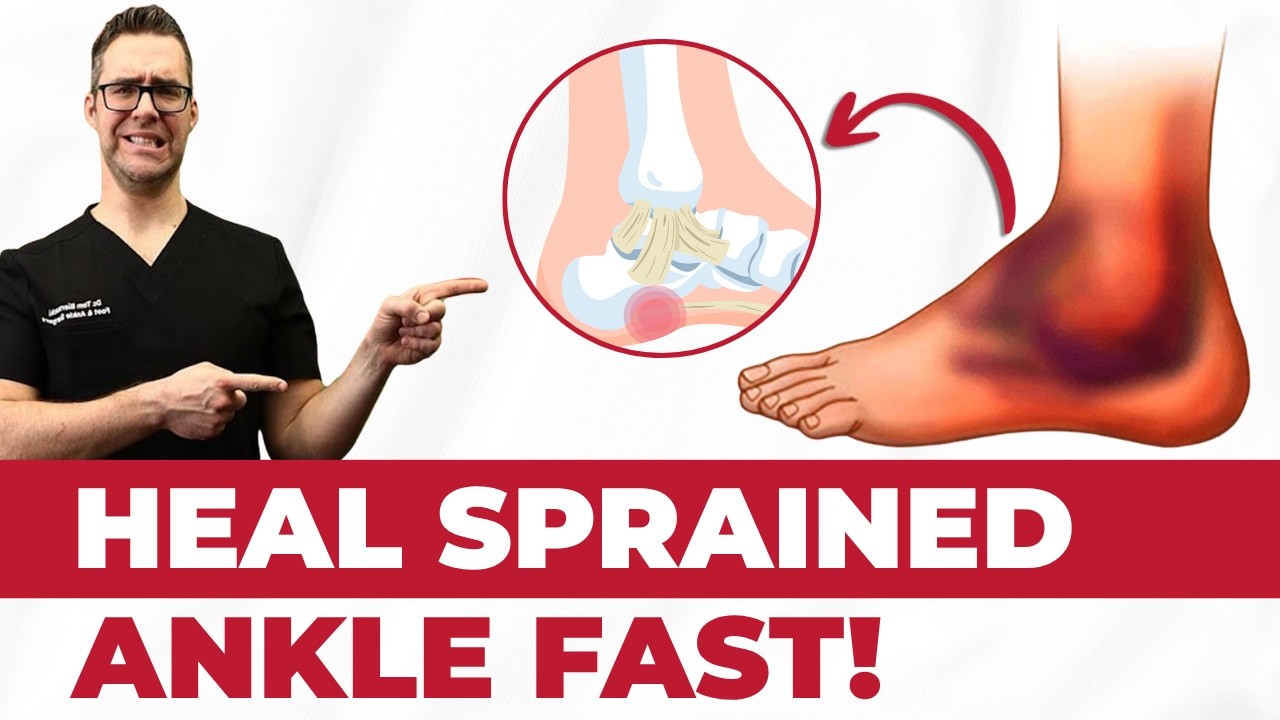
Watch: Fix TWISTED Ankle, ROLLED Ankle or SPRAINED Ankle Ligaments FASTER! — MichiganFootDoctors YouTube
PowerStep Pinnacle — arch support reduces re-injury risk during recovery.
As an Amazon Associate, Balance Foot & Ankle earns from qualifying purchases. Product recommendations are based on clinical experience; prices and availability shown above update live from Amazon.
When to See a Podiatrist
A sprain that hasn’t fully recovered after 6 weeks often has residual ligament laxity or occult fracture that keeps the ankle unstable. Balance Foot & Ankle X-rays and stress-tests every lingering sprain — if the ligament is torn, we offer bracing, PRP, and (for chronic instability) minimally-invasive repair. Don’t keep re-rolling the same ankle; let us stabilize it properly.
Call Balance Foot & Ankle: (810) 206-1402 · Book online · Offices in Howell & Bloomfield Township
Frequently Asked Questions
Should I use clipless or flat pedals to prevent injuries?
Both pedal systems have injury trade-offs. Clipless pedals eliminate foot ejection and pedal strike injuries but can cause knee problems from improper cleat alignment and ankle injuries from failure to unclip during crashes. Flat pedals allow natural foot movement and easy foot release but expose you to pedal strikes and hot foot. Choose based on your riding style — clipless for cross-country and racing, flats for technical riding and tricks — and optimize whichever system you choose with proper setup and PowerStep Pinnacle insoles for in-shoe support.
How do I know if my foot pain is a stress fracture?
Stress fracture pain typically begins as mild discomfort during riding that resolves quickly afterward, then progressively worsens over weeks to produce pain during riding and walking. Point tenderness over a specific metatarsal bone that reproduces your riding pain is highly suspicious. The “hop test” — pain when hopping on the affected foot — further increases suspicion. X-rays may be normal early on; MRI or bone scan provides earlier diagnosis if clinical suspicion is high.
Can I ride with an ankle brace after a sprain?
Yes — a properly fitted lace-up ankle brace provides excellent support during the return-to-riding phase without significantly affecting pedaling mechanics. Avoid rigid stirrup braces that restrict ankle plantarflexion needed for pedaling. Start with controlled trainer riding to assess comfort and range of motion with the brace, then progress to trail riding as confidence and stability improve. Most ankle sprain patients can transition from braced to unbraced riding within 6–12 weeks depending on severity.
What causes numbness in my feet while riding?
Cycling foot numbness (hot foot) results from sustained pressure compressing the interdigital nerves against the pedal platform. Contributing factors include shoes that are too tight, small pedal platforms, aggressive cleat position, and long ride duration without repositioning. Solutions include wider shoes, larger platform pedals, loosening shoe straps during climbs, and adding supportive insoles like PowerStep Pinnacle Maxx that redistribute forefoot pressure more evenly.
How long should I stay off the bike after a metatarsal fracture?
Non-displaced metatarsal shaft fractures typically require 4–6 weeks of protected weight-bearing followed by 2–4 weeks of progressive return to riding. Jones fractures (proximal fifth metatarsal) may require 8–12 weeks or longer due to the challenging blood supply. Begin with stationary trainer riding once pain-free with weight-bearing, then progress to smooth trails before technical terrain. Your podiatrist monitors healing through serial X-rays before clearing you for full riding activity.
In Our Clinic
Most of our ankle sprains are acute — a patient comes in the same day or within 48 hours after rolling the ankle. We apply the Ottawa Ankle Rules first: bone tenderness at the posterior malleolus, navicular, or base of the 5th metatarsal, or inability to bear weight for 4 steps, means we image immediately to rule out fracture. For a clean grade 1–2 lateral ligament sprain, we use a short period of boot immobilization if needed, then transition into an ankle brace + proprioception training. The mistake we often see: patients skip the rehab phase and re-sprain within a year.
Sources & References
- Embree TE, et al. “Mountain Biking Injuries: A Review.” British Journal of Sports Medicine. 2023;57(4):230-238.
- Ansari M, et al. “Injury Patterns in BMX Racing and Freestyle Disciplines.” Clinical Journal of Sport Medicine. 2022;32(5):e487-e494.
- Bini RR, et al. “Biomechanical Factors Associated with Cycling Overuse Injuries: A Systematic Review.” Sports Medicine. 2022;52(10):2347-2364.
- Silberman MR. “Bicycling Injuries.” Current Sports Medicine Reports. 2023;22(1):24-30.
- American College of Foot and Ankle Surgeons. “Foot and Ankle Injuries in Cycling: Diagnosis and Management.” ACFAS Practice Guidelines. 2023.
Watch: Cycling Foot Injuries Explained

Schedule Your Cycling Injury Evaluation
Foot or Ankle Pain Keeping You Off the Bike?
Dr. Biernacki treats cycling-related foot and ankle injuries from acute crash trauma to chronic overuse conditions. Get expert evaluation and a treatment plan designed to return you to riding safely. Serving cyclists throughout Southeast Michigan from our Novi office.
Book Your Sports Injury Consultation →Balance Foot & Ankle Specialists · Novi, MI · (810) 206-1402
Related Sports Injury & Foot Condition Guides
📌 Tennis & Racket Sports Foot Injuries
📌 Volleyball Foot & Ankle Injuries
📌 Acute Gout Flare in the Foot
📌 Understanding Your Foot & Ankle MRI Report
📌 Compression Socks: Complete Medical Guide
📌 Complete Podiatrist-Recommended Products Guide
Dr. Tom’s Recommended Products: See our clinically tested product recommendations for this condition. View Dr. Tom’s recommended products →
When to See a Podiatrist for Cycling Foot Injuries
If you have persistent foot pain from mountain biking or BMX — whether from pedal strikes, ankle sprains on technical terrain, or Achilles problems from aggressive pedaling — a sports podiatrist can diagnose and treat your injury. At Balance Foot & Ankle, we treat cycling athletes at our Howell and Bloomfield Township offices.
→ Learn about our sports medicine services
→ Book your appointment
→ Call (810) 206-1402
Clinical References
- Becker J, Runer A, Gfallner A, et al. Mountain biking injuries: a comparison of two time periods. Wilderness Environ Med. 2018;29(4):438-444.
- Burt P, Hodson A. Bike Fit: Optimise Your Bike Position for High Performance and Injury Avoidance. Bloomsbury Sport. 2014.
- Kronisch RL, Pfeiffer RP. Mountain biking injuries: an update. Sports Med. 2002;32(8):523-537.
Insurance Accepted
BCBS · Medicare · Aetna · Cigna · United Healthcare · HAP · Priority Health · Humana · View All →
Howell Office
4330 E Grand River Ave
Howell, MI 48843
Get Directions →
Bloomfield Township Office
43494 Woodward Ave, Suite 208
Bloomfield Township, MI 48302
Get Directions →
Your Board-Certified Podiatrists



Ready to Get Back on Your Feet?
Same-week appointments available at both locations.
Book Your AppointmentWatch: Dr. Tom explains
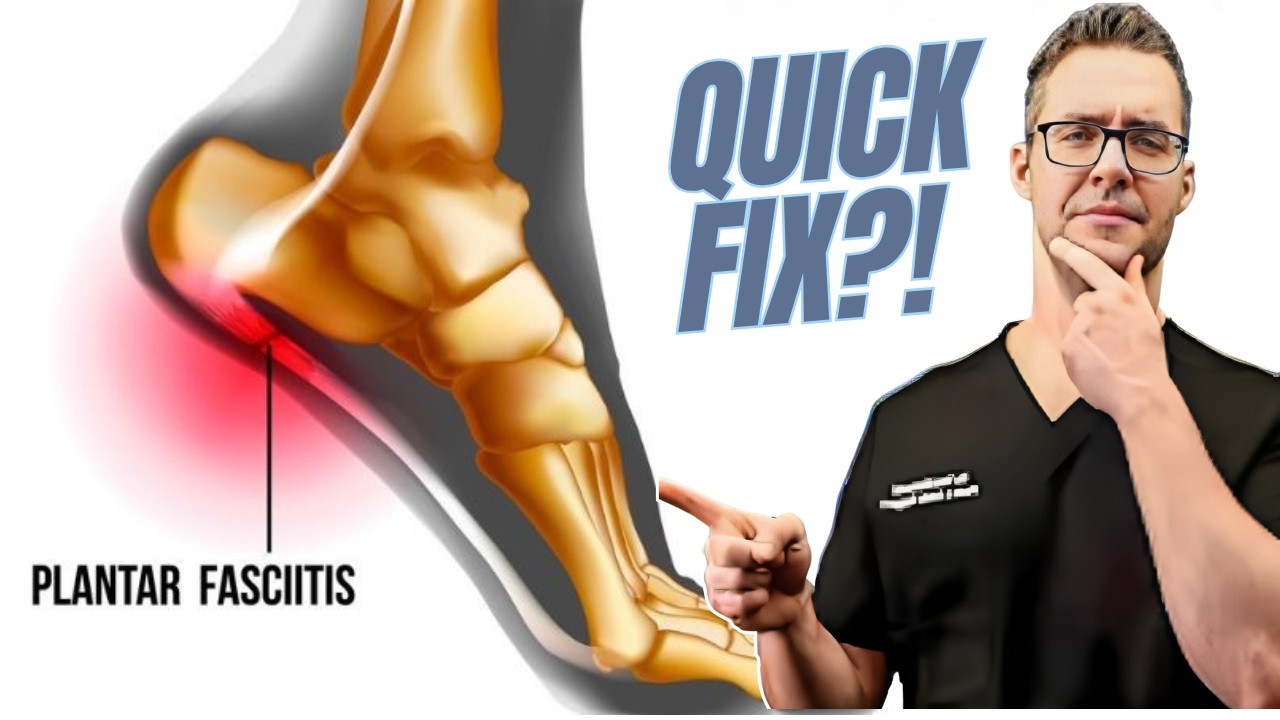
Podiatrist-recommended products
As an Amazon Associate, Dr. Tom earns from qualifying purchases.
Post-crash immobilization for ankle sprains and fractures.
View on Amazon →Post-ride cold therapy for pedal-strike injuries.
View on Amazon →Arch support for long rides in stiff shoes.
View on Amazon →Menthol topical for ride-related soreness.
View on Amazon →Related resources
Ready to solve this? Book today.
Same-week appointments · Howell & Bloomfield Township · 4.9★ (1,123+ reviews)
☎ (810) 206-1402Book Online →In-Office Treatment at Balance Foot & Ankle
If home treatment isn’t providing relief for your ankle sprains, our podiatry team at Balance Foot & Ankle can help with same-day evaluations and advanced in-office care.
Same-day appointments available. (810) 206-1402
Frequently Asked Questions
When should I see a podiatrist?
If symptoms persist past 2 weeks, affect your normal activity, or are accompanied by red-flag symptoms (warmth, redness, swelling, inability to bear weight).
What does treatment cost?
Most diagnostic visits and conservative treatments are covered by Medicare and major insurers. Out-of-pocket costs vary by your specific plan.
How quickly can I get an appointment?
Most non-urgent cases see us within 5 business days. Urgent cases (sudden pain, possible fracture) typically same or next business day.
What is Ankle sprain?
Ankle sprain is a common foot/ankle condition that affects mobility and quality of life. Understanding the underlying cause is the first step in successful treatment. Our podiatrists at Balance Foot & Ankle perform a hands-on biomechanical exam, review your activity history, and use diagnostic imaging when appropriate to identify the root cause—not just treat the symptom. Many patients have been told to “rest and ice” without a deeper diagnostic workup; our approach is different.
Symptoms and warning signs
Common signs of ankle sprain include pain that worsens with activity, morning stiffness, swelling, tenderness when palpated, and difficulty bearing weight. If you experience sudden severe pain, inability to walk, visible deformity, numbness or color change, contact our office the same day or visit urgent care—these can signal a more serious injury such as a fracture, tendon rupture, or vascular compromise. Diabetics with any foot wound should seek same-day care.
Conservative treatment options
Most cases of ankle sprain respond to non-surgical care: structured rest, supportive footwear changes, custom orthotics, targeted stretching and strengthening protocols, anti-inflammatory medications when medically appropriate, and in-office procedures such as ultrasound-guided injections. We also offer advanced therapies including MLS laser therapy, EPAT/shockwave, regenerative injections, and image-guided procedures. Treatment is sequenced from least invasive to most invasive, and we explain the rationale at every step.
When is surgery considered?
Surgery is reserved for cases that fail 3-6 months of well-structured conservative care, when there is structural pathology (severe deformity, complete tear, advanced arthritis), or when imaging shows damage that will not heal without intervention. Our surgeons have performed 3,000+ foot and ankle procedures and prioritize minimally-invasive techniques whenever appropriate. We discuss recovery timelines, return-to-activity milestones, and realistic outcome expectations before any procedure is scheduled.
OrthoInfo – AAOS: Sprained Ankle
Recovery timeline and prevention
Recovery from ankle sprain varies based on severity and chosen treatment path. Conservative cases often improve within 4-8 weeks with consistent adherence to the protocol. Post-procedural recovery may range from a few days (in-office procedures) to several months (reconstructive surgery). Long-term prevention involves footwear assessment, activity modification, structured strengthening, and regular check-ins with your podiatrist if you have a history of recurrence. We provide written home-exercise plans and digital follow-up support.
Ready to feel better?
Same-week appointments available in Howell and Bloomfield Township, Michigan.
Book Your VisitReady to fix this for good?
Reading goes only so far. The fastest path to relief is a 30-minute office visit with Dr. Biernacki — same-day Howell or Bloomfield Township. Call (810) 206-1402 or use our online booking.

Dr. Tom Biernacki, DPM is a board-certified foot & ankle surgeon (ABFAS & ABPM) at Balance Foot & Ankle Specialists in Southeast Michigan. With over a decade of clinical experience, he specializes in heel pain, bunions, diabetic foot care, sports injuries, and minimally invasive surgery. Dr. Biernacki is a member of the APMA and ACFAS, and his patient education content on MichiganFootDoctors.com and YouTube has made him one of the most-followed foot & ankle educators on YouTube.
More questions patients ask
How long does an ankle sprain take to heal?
Recovery time depends on severity: Grade 1 (mild stretching) typically heals in 1-3 weeks, Grade 2 (partial tear) in 3-6 weeks, and Grade 3 (complete tear) in 6-12 weeks or longer. Proper rehabilitation is critical to prevent chronic ankle instability, which affects up to 40% of patients who don't receive adequate treatment. Dr. Biernacki creates customized recovery plans.
When should I see a doctor for a sprained ankle?
Seek professional evaluation if you can't bear weight, notice significant swelling or bruising, hear a pop at the time of injury, have numbness, or if pain hasn't improved after 5-7 days of RICE treatment. X-rays or MRI may be needed to rule out fractures. Dr. Biernacki offers same-day urgent evaluations at 810-206-1402.
Can a sprained ankle heal without treatment?
While mild sprains may heal with rest and home care, undiagnosed ligament tears and improperly rehabilitated sprains frequently lead to chronic ankle instability, recurrent sprains, and early-onset arthritis. A proper evaluation ensures appropriate treatment and reduces your risk of long-term complications significantly.
Still have a question about coverage or cost? Book online and we will check your benefits before your visit: Book in Howell · Book in Bloomfield Township. Prefer to talk it through first? Call (810) 206-1402.