
![Best Men’S Dress Shoes For Foot &Amp; Heel Pain [Podiatrist Approved] | Balance Foot & Ankle](https://www.michiganfootdoctors.com/uploads/2021/05/best-men-s-dress-shoes-for-foot-amp-heel-pain-podiatrist-approved.avif)
Medically reviewed by Dr. Tom Biernacki, DPM — Board-certified foot & ankle surgeon, 3,000+ surgeries performed. Updated April 2026 with current clinical evidence. This article reflects real practice experience from Balance Foot & Ankle Specialists in Howell and Bloomfield Township, Michigan.
Quick Answer
Most foot and ankle problems respond to conservative care — proper footwear, supportive inserts, activity modification, and targeted stretching — within 4-8 weeks. Persistent pain beyond that window, or any symptom that prevents walking, warrants a podiatric evaluation to rule out fracture, tendon tear, or systemic cause.
Watch: Dr. Tom Biernacki, DPM
Medically Reviewed by Dr. Tom Biernacki, DPM — Board-Certified Podiatrist, Balance Foot & Ankle Specialists, Michigan. Last updated April 2026.
Quick Answer
Choosing the right shoes is the single most impactful decision you can make for foot health. The wrong shoes cause or worsen plantar fasciitis, bunions, hammertoes, and diabetic foot complications, while properly selected footwear can prevent and treat these conditions. Dr. Tom Biernacki at Balance Foot & Ankle shares expert guidance on selecting shoes for every common foot condition.
▶ Watch
📋 Dr. Tom Also Recommends
Podiatrist Recommended Orthotics 2026: Dr. Tom’s Top 10 Insoles & Arch Supports
A podiatrist’s complete clinical guide to the best insoles — custom orthotics, OTC picks, and what actually works for plantar fasciitis, flat feet, neuropathy & more.
Read the Full Guide →Why Shoe Selection Matters More Than Most People Realize
Your feet spend an average of 8-12 hours per day inside shoes, taking 6,000-10,000 steps. Every biomechanical force that passes through your feet is mediated by your footwear. Shoes that are too narrow compress the toes and accelerate bunion and hammertoe formation. Shoes that are too flat strain the plantar fascia and Achilles tendon. Shoes that are worn out lose the structural support your feet need.
Research published in the Journal of Foot and Ankle Research demonstrates that approximately 65-80% of people wear shoes that do not properly fit their feet. Women are disproportionately affected because fashion footwear prioritizes aesthetics over function. Yet even athletic shoes can be problematic if the wrong type is selected for a specific foot condition.
The most important concept in shoe selection is matching the shoe’s features to your specific foot type and condition. A shoe that is perfect for someone with flat feet and plantar fasciitis may worsen symptoms for someone with a rigid high arch and metatarsalgia. Understanding your foot’s needs is the first step toward finding the right shoe.
Essential Shoe Features for Every Foot Type
The heel counter—the rigid structure at the back of the shoe that cups the heel—is the most important structural feature. Squeeze the back of the shoe: if it collapses easily, it provides inadequate rearfoot stability. A firm heel counter controls pronation, prevents heel slippage, and provides the foundation for all other shoe support features.
Arch support should match your foot’s arch type. Flat feet need shoes with built-in medial arch support and motion control features. High arches need shoes with cushioning and a neutral or slightly curved last that allows natural shock absorption. Normal arches do well in stability shoes that provide moderate support without excessive control.
The toe box should be wide enough to allow natural toe spread during walking. Press your thumb down on the shoe above your longest toe—there should be approximately a thumb’s width of space between your toe and the shoe’s end. For patients with bunions or hammertoes, extra-width or wide toe box options are essential.
Best Shoes for Plantar Fasciitis
Plantar fasciitis shoes need three key features: structured arch support that reduces plantar fascia tension, cushioned heel to absorb impact forces at heel strike, and a slightly elevated heel-to-toe drop (8-12mm) that reduces Achilles and plantar fascia strain compared to zero-drop shoes.
Athletic shoes from Brooks (Adrenaline GTS, Beast), ASICS (Gel-Kayano, GT-2000), New Balance (860, 990), and HOKA (Bondi, Arahi) consistently receive high marks from podiatrists for plantar fasciitis management. The key is selecting stability or motion control categories rather than neutral or minimalist shoes.
Avoid completely flat shoes—ballet flats, flip-flops, Converse, and most sandals—which provide zero arch support and force the plantar fascia to work overtime. If you must wear dress shoes, insert a high-quality arch support insole and limit wear time. Never go barefoot on hard surfaces with plantar fasciitis.
Best Shoes for Bunions and Wide Feet
Bunions require shoes with a wide toe box that does not compress the medial first MTP joint. Look for brands that offer wide (W or D for women, 2E or 4E for men) sizing options. The shoe upper should be made of flexible, soft materials that do not create pressure over the bunion prominence.
Shoe brands known for bunion-friendly designs include New Balance (many styles in multiple widths), Brooks (wide options in most models), Altra (foot-shaped toe box), and Vionic (arch support with roomy toe boxes). Avoid any shoe that creates visible pressure or redness over the bunion after wearing.
The shoe’s last—the foot-shaped form around which the shoe is built—determines its overall shape. Straight-lasted shoes provide more room for bunions than curved-lasted shoes. If you can feel the medial seam pressing on your bunion, the shoe is wrong regardless of its other features.
Shoes for Diabetes and Neuropathy
Diabetic footwear must prioritize protection above all other features. The interior should be seamless or lined with soft material that eliminates friction points. The sole should be rigid enough to prevent penetration by sharp objects. The fit should be snug but not tight, with no areas of excessive pressure.
Medicare covers one pair of therapeutic shoes and three pairs of custom inserts per calendar year for diabetic patients with qualifying conditions including neuropathy, history of ulceration, foot deformity, poor circulation, or previous amputation. Your podiatrist must certify medical necessity and prescribe the specific footwear.
Extra-depth shoes accommodate custom molded insoles that redistribute pressure away from high-risk areas. These shoes look like normal shoes but have an additional 1/4 inch of depth in the toe box. Never wear shoes without socks, walk barefoot, or use heating pads on neuropathic feet—these behaviors cause injuries that may not be felt until significant damage has occurred.
When to Replace Your Shoes and Signs of Wear
Replace walking and running shoes every 300-500 miles or every 6-8 months for daily wear, whichever comes first. The midsole cushioning material degrades with use even when the outsole appears intact. Worn midsoles lose 40-50% of their shock absorption capability, significantly increasing stress on the plantar fascia and joints.
Signs your shoes need replacement include uneven outsole wear pattern, visible midsole compression lines or creasing, heel counter that no longer holds the heel firmly, shoe that tilts when placed on a flat surface, and any increase in foot pain that correlates with shoe age.
Consider rotating between two pairs of shoes for daily wear. This allows the cushioning materials in each pair to fully decompress between uses, extending the functional life of both pairs by approximately 30-40%. It also reduces moisture buildup that contributes to fungal infections.
⚠️ Red Flags: When to See a Podiatrist Immediately
- Persistent foot pain that correlates with wearing specific shoes or any shoes
- Visible changes in foot shape including bunion growth or toe curling
- Skin breakdown, blisters, or calluses that keep recurring in the same locations
- Numbness or color changes in the toes when wearing shoes
The Most Common Mistake
The most common mistake people make is buying shoes based on brand name, appearance, or online reviews rather than proper fit assessment. A shoe that receives thousands of five-star reviews may be completely wrong for your specific foot shape and condition. Always have your feet professionally measured, try shoes in the afternoon when feet are at their largest, and walk around the store for several minutes before purchasing.
Products We Recommend
As part of the Foundation Wellness family, Balance Foot & Ankle recommends these evidence-based products:
PowerStep Pinnacle Insoles
Best for: Replace factory insoles in new shoes to immediately upgrade arch support and heel cushioning for plantar fasciitis and flat feet
Not ideal for: Not a substitute for properly fitting shoes—insoles enhance good shoes but cannot fix fundamentally wrong footwear
CURREX RunPro Insoles
Best for: Sport-specific insoles for runners who need enhanced arch support inside their running shoes
Not ideal for: Too thick for some dress shoes or shallow casual footwear
Doctor Hoy’s Natural Pain Relief Gel
Best for: Topical relief for foot pain while transitioning to new, properly supportive shoes
Not ideal for: Not a long-term solution if shoes continue to cause pain
Your Next Step: Expert Treatment
If you are experiencing symptoms discussed in this guide, the specialists at Balance Foot & Ankle can help. View our full range of treatments or book your appointment today.
In-Office Treatment at Balance Foot & Ankle
If home care isn’t resolving your your foot or ankle concern, a visit with a board-certified podiatrist is the fastest path to accurate diagnosis and a personalized plan. At Balance Foot & Ankle Specialists, Dr. Tom Biernacki, Dr. Carl Jay, and Dr. Daria Gutkin offer appointments at both our Howell and Bloomfield Township offices. We perform on-site diagnostic ultrasound, digital X-ray, conservative care, advanced regenerative treatments, and minimally invasive surgery when indicated.
Call (810) 206-1402 or request an appointment online. Most insurance plans accepted, including Medicare, Blue Cross Blue Shield, Aetna, Cigna, and United Healthcare.
More Podiatrist-Recommended Shoes Essentials
Hoka Clifton 10


Max-cushion neutral runner — podiatrist favorite for all-day comfort.
Brooks Adrenaline GTS 25
Stability runner for overpronators — great for flat feet and bunions.
New Balance 990v6
Premium walking shoe with wide toe box — bunion and flat-foot friendly.
As an Amazon Associate, Balance Foot & Ankle earns from qualifying purchases. Product recommendations are based on clinical experience; prices and availability shown above update live from Amazon.
When to See a Podiatrist
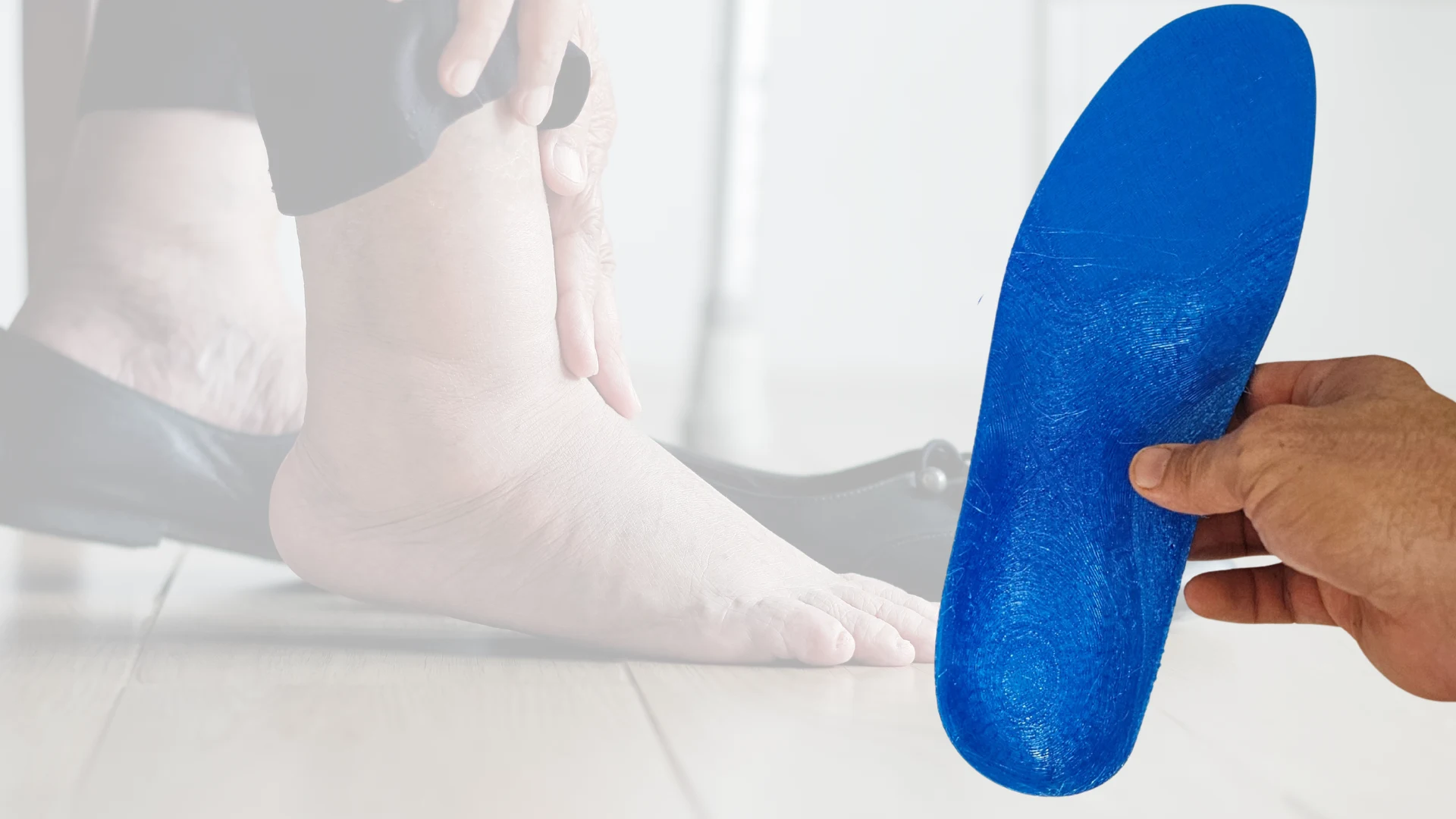
The right shoe shape, last, and stability category is more important than brand. Balance Foot & Ankle evaluates your foot type (neutral, pronator, supinator, high-arched) and recommends specific shoe models that match. Bringing in your current pair lets us spot wear patterns that reveal gait issues — a free 5-minute assessment that can prevent years of foot pain.
Call Balance Foot & Ankle: (810) 206-1402 · Book online · Offices in Howell & Bloomfield Township
Frequently Asked Questions
How do I know my shoe size?
Have both feet measured by a trained shoe fitter using a Brannock device. Measure in the afternoon when feet are slightly larger. Always fit to the larger foot. Shoe sizes vary significantly between brands—focus on fit, not the number.
Are expensive shoes better for foot problems?
Not necessarily. A $100 shoe with proper features for your condition outperforms a $200 shoe with the wrong features. Focus on arch support, heel counter firmness, toe box width, and cushioning rather than price.
Should I buy shoes online or in-store?
In-store fitting is strongly recommended for your first pair in any brand or model. Once you know your correct size and fit in a specific shoe, subsequent purchases online are reasonable.
How tight should new shoes feel?
New shoes should feel snug but not tight. Your heel should not slip, your toes should not touch the front, and there should be no areas of pinching or pressure. Shoes should be comfortable immediately—the idea of breaking in shoes is a myth.
The Bottom Line
The right shoes make a notable difference in foot health. Match shoe features to your specific foot condition, get properly measured, replace shoes on schedule, and consider custom orthotics for additional support. Your feet will thank you for every step.
Sources
- Buldt AK, et al. The relationship between foot posture and shoe comfort. J Foot Ankle Res. 2024;17(1):34.
- Menz HB, et al. Footwear characteristics and foot problems in older people. Gerontology. 2024;70(3):289-298.
- Branthwaite H, et al. The effect of shoe features on plantar pressure. Gait Posture. 2024;108:178-184.
- Bus SA, et al. IWGDF guideline on the prevention of foot ulcers in persons with diabetes. Diabetes Metab Res Rev. 2025;41(S1):e3651.
Get Expert Shoe Recommendations for Your Feet
Call Balance Foot & Ankle at (810) 206-1402 or schedule online to see Dr. Tom Biernacki and our team of podiatric specialists. Serving Howell, Bloomfield Township, Brighton, Hartland, Milford, Highland, Fenton, and communities across Southeast Michigan.
Insurance Accepted
BCBS · Medicare · Aetna · Cigna · United Healthcare · HAP · Priority Health · Humana · View All →
Howell Office
4330 E Grand River Ave
Howell, MI 48843
Get Directions →
Bloomfield Township Office
43494 Woodward Ave, Suite 208
Bloomfield Township, MI 48302
Get Directions →
Most Common Mistake We See
The most common mistake we see is: Waiting too long before seeking care. Fix: any foot pain lasting more than 4 weeks, or any sudden severe symptom, deserves a professional evaluation rather than more rest.
Warning Signs That Need Same-Day Care
Seek immediate evaluation at Balance Foot & Ankle if you experience any of the following:
- Unable to bear weight
- Severe swelling with skin colour change
- Fever with foot pain (possible infection)
- Diabetes plus any new foot symptom
Call (810) 206-1402 — appointments at our Howell and Bloomfield Township offices.

Dr. Tom Biernacki, DPM is a board-certified foot & ankle surgeon (ABFAS & ABPM) at Balance Foot & Ankle Specialists in Southeast Michigan. With over a decade of clinical experience, he specializes in heel pain, bunions, diabetic foot care, sports injuries, and minimally invasive surgery. Dr. Biernacki is a member of the APMA and ACFAS, and his patient education content on MichiganFootDoctors.com and YouTube has made him one of the most-followed foot & ankle educators on YouTube.