

Quick answer: Ice Hockey Foot Ankle Injuries Skate Fit is a common foot/ankle topic that affects many patients. The 2026 evidence-based approach combines proper diagnosis, conservative-first treatment, and escalation only when needed. We treat this regularly at our Howell and Bloomfield Township practices. Call (810) 206-1402.
Medically reviewed by Dr. Tom Biernacki, DPM — Board-Certified Podiatric Surgeon — Balance Foot & Ankle, Howell & Bloomfield Township, MI. Last updated April 2026.
▶ Watch
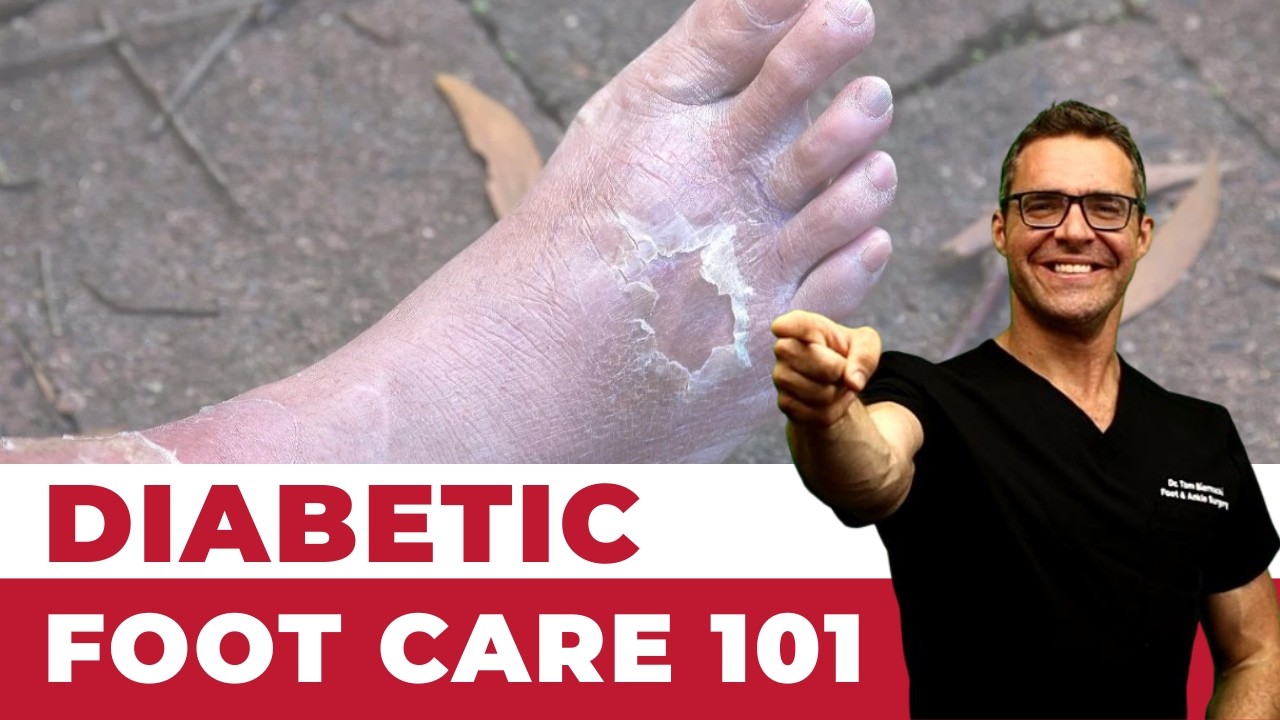
Medically reviewed by Dr. Tom Biernacki, DPM | Board-certified podiatrist | 3,000+ surgeries performed
Last updated: April 2, 2026
The most important clinical decision with Ice Hockey Foot Ankle Injuries Skate Fit isn't which treatment to start with — it's which subtype or underlying cause you actually have. Our podiatrists regularly see patients who've been treated for months for the wrong diagnosis. The correct identification changes the entire treatment path. Call (810) 206-1402 — Dr. Tom evaluates this condition at both Howell and Bloomfield Township locations.
How Hockey Skates Affect Foot Health
Hockey skates create a uniquely challenging environment for feet. The rigid boot construction necessary for ankle support and power transfer restricts natural foot motion and creates pressure points against bony prominences. The narrow last (shape template) of most hockey skates compresses the forefoot, squeezing the metatarsal heads together and reducing toe box volume to levels that can cause nerve compression and vascular compromise during extended skating sessions.
The thermoforming process used in modern composite hockey skates is designed to customize boot shape to individual foot anatomy, but the degree of conformity varies with foot shape complexity. Players with wide forefeet, prominent bunions, high insteps, or bony prominences at the medial malleolus or navicular often experience persistent pressure points even after professional bake fitting. These chronic pressure areas create the conditions for many hockey-specific foot problems.
Temperature fluctuation adds another dimension to hockey foot stress. Feet warm the skate interior during play, then cool rapidly during bench time. This thermal cycling promotes moisture accumulation and the wet-cold conditions that predispose to blistering, maceration, and fungal infection. The combination of mechanical stress from the rigid boot and environmental factors from the cold, wet conditions makes hockey uniquely challenging for foot health.
Lace Bite: The Most Common Hockey Foot Complaint
Lace bite is an inflammatory condition of the extensor tendons and soft tissues on the front of the ankle caused by pressure from the skate tongue and lacing. As the ankle flexes during skating, the tongue presses against the dorsal foot structures with each stride, creating repetitive compression and friction. The resulting tendinitis and bursitis produce aching, burning pain on the front of the ankle that worsens during skating and may persist for hours after removing skates.
Lace bite prevention begins with proper tongue padding — gel pads or foam inserts placed under the tongue distribute pressure across a wider area. Lacing technique modification is equally important: skip the top two eyelets or use a loose ‘window lacing’ pattern across the ankle flex point to reduce pressure on the dorsal tendons. Some players benefit from wrapping the tongue with a thin foam layer to create additional cushioning.
Persistent lace bite requires professional evaluation. Dr. Tom Biernacki assesses the specific structures involved using ultrasound imaging and correlates findings with the player’s skate setup. Custom tongue modifications, professional skate fitting adjustments, and anti-inflammatory treatment resolve most cases. Doctor Hoy’s Natural Pain Relief Gel applied to the dorsal ankle before skating provides supplementary comfort while modifications take effect.
Haglund’s Deformity and Heel Counter Problems
Hockey skate heel counters — the rigid posterior portion of the boot that cups the heel — create chronic friction and pressure against the posterior calcaneus that frequently causes Haglund’s deformity (pump bump). The repetitive forward lean of skating posture presses the heel against the counter with each stride, generating cumulative irritation that stimulates bone growth at the Achilles tendon insertion.
The resulting bony prominence creates a painful cycle: the enlarged bone increases contact pressure against the heel counter, which causes more irritation, more inflammation, and more bone growth. Retrocalcaneal bursitis (fluid-filled sac inflammation between the bone and Achilles tendon) frequently accompanies the bony enlargement, adding to pain and swelling.
Treatment includes heel counter modification (professional skate shops can punch out or soften the heel counter area), gel heel cushions inserted in the skate, and anti-inflammatory measures. Players with established Haglund’s deformity may benefit from heat-molding the heel counter to create a pocket that accommodates the prominence. Severe cases unresponsive to equipment modification may require surgical excision of the bone prominence, performed during the off-season.
Ankle Injuries in Hockey
Ankle sprains occur in hockey from falls on ice, collisions with other players or boards, and sudden directional changes that exceed the skate’s ability to stabilize the joint. While the rigid boot provides substantial ankle support during normal skating, high-energy impact events can overwhelm the boot’s protective capacity. High ankle sprains (syndesmotic injuries) from rotational mechanisms are particularly common and significantly more debilitating than standard lateral ankle sprains.
Skate boot fit directly influences ankle injury risk. Boots that are too loose allow excessive ankle motion within the shell, reducing the protective effect and increasing sprain vulnerability. Conversely, boots that are too rigid in the wrong areas can concentrate bending forces at specific points, creating stress risers that predispose to injury. Proper boot stiffness matched to player weight, position, and skating style optimizes the balance between support and mobility.
Ankle fractures from puck impacts, skate blade contact, and boarding collisions represent acute emergencies requiring immediate evaluation. Any inability to bear weight after an ankle injury, significant swelling, deformity, or point tenderness over a bony prominence warrants same-day X-ray evaluation. Playing through undiagnosed ankle fractures risks displacement, non-union, and long-term arthritis.
Custom Orthotics for Hockey Skates
Custom orthotics designed specifically for hockey skates dramatically improve comfort, performance, and injury prevention. Hockey-specific orthotics must be thin enough to fit within the limited skate volume (standard orthotics are too thick), provide appropriate arch support that transfers effectively through the rigid boot sole, and include metatarsal cushioning that addresses the forefoot compression inherent in narrow skate toe boxes.
PowerStep Pinnacle insoles offer an excellent over-the-counter option for hockey players seeking improved arch support and cushioning without the wait time of custom fabrication. The moderate-thickness profile fits most hockey skates after removing the factory insole, and the structured arch support significantly improves foot positioning within the boot. For players with specific biomechanical issues, custom orthotics fabricated from in-skate foot impressions provide the most precise fit.
Proper orthotic use in skates also helps prevent the excessive foot motion within the boot that contributes to blister formation and pressure point development. By optimizing the interface between foot and skate, orthotics reduce the relative motion that creates friction while improving power transfer from leg muscles through the foot to the blade edge.
When Hockey Players Should See a Podiatrist
Hockey players should seek podiatric evaluation for lace bite that persists despite equipment modifications, heel pain suggesting Haglund’s deformity development, persistent forefoot numbness or tingling indicating nerve compression, any acute ankle injury with inability to bear weight or significant swelling, and chronic blistering patterns that suggest poor skate fit.
Pre-season foot evaluations optimize skate fit and orthotic function before competitive play begins. Dr. Tom Biernacki evaluates foot structure, identifies potential pressure point areas, and recommends specific skate modifications, orthotic prescriptions, and preventive strategies tailored to each player’s foot anatomy and skating demands. This proactive approach prevents the mid-season injuries that cost playing time.
Youth hockey players deserve special attention as their growing feet require regular reassessment of skate fit. Growth spurts that change foot size and shape during the season can transform well-fitting skates into blister generators overnight. Parents should monitor for complaints of foot pain, inspect feet for pressure marks and blisters after skating, and seek sizing reassessment whenever their child reports new discomfort.
Warning Signs Requiring Urgent Evaluation
- function bold() { [native code] } — undefined
- function bold() { [native code] } — undefined
- function bold() { [native code] } — undefined
- function bold() { [native code] } — undefined
The Most Common Mistake We See
The most common mistake hockey players make is accepting foot pain as a normal part of the sport. Lace bite, Haglund’s deformity, metatarsalgia, and chronic blistering are NOT inevitable — they are symptoms of correctable equipment and fit issues. A single visit with a podiatrist experienced in hockey foot care can identify the specific causes and implement targeted solutions that eliminate the pain while maintaining competitive performance.
Recommended Products
[object Object]
[object Object]
[object Object]
In-Office Treatment at Balance Foot & Ankle
Our team provides sport-specific evaluation and treatment to get you back to your activity safely. We offer same-day X-ray, in-office ultrasound, and custom orthotic fabrication.
Same-day appointments available. Call (810) 206-1402 or book online.
More Podiatrist-Recommended Foot Health Essentials
Hoka Clifton 10


Max-cushion everyday shoe — podiatrist favorite for walking and running.

OOFOS Recovery Slide

Impact-absorbing recovery sandal — wear after long days on your feet.
As an Amazon Associate, Balance Foot & Ankle earns from qualifying purchases. Product recommendations are based on clinical experience; prices and availability shown above update live from Amazon.
When to See a Podiatrist
If foot or ankle pain has been bothering you for more than a few weeks, home care alone may not be enough. Balance Foot & Ankle offers same-week appointments at our Howell and Bloomfield Township clinics — no referral needed in most cases. Bring your current shoes and a short list of symptoms and we’ll build you a treatment plan in one visit.
Call Balance Foot & Ankle: (810) 206-1402 · Book online · Offices in Howell & Bloomfield Township
Frequently Asked Questions
What is lace bite in hockey?
Lace bite is inflammation of the extensor tendons on the front of the ankle caused by repetitive pressure from the skate tongue and lacing during skating. It produces burning, aching pain on the dorsal ankle that worsens with skating. Treatment includes tongue padding, lacing modifications, and anti-inflammatory measures.
Should I use orthotics in my hockey skates?
Yes. Most hockey skates come with minimal factory insoles that provide inadequate arch support and cushioning. Replacing them with hockey-specific orthotics or quality aftermarket insoles like PowerStep Pinnacle improves comfort, reduces pressure points, enhances power transfer, and helps prevent common hockey foot problems.
How do I prevent blisters from hockey skates?
Ensure proper skate fit with professional bake molding, use moisture-wicking hockey socks, apply anti-blister products to friction-prone areas, break in new skates gradually over multiple sessions, and replace insoles with supportive aftermarket options that reduce foot motion within the boot.
When should a hockey player see a podiatrist?
See a podiatrist for persistent lace bite despite equipment modifications, heel bumps developing from skate pressure, forefoot numbness during skating, acute ankle injuries with swelling, chronic blistering, and pre-season skate fit optimization. Youth players should be evaluated whenever foot pain or growth-related fit changes occur.
The Bottom Line
Hockey demands feet that can handle intense confinement, cold temperatures, and explosive skating forces. At Balance Foot & Ankle, Dr. Tom Biernacki provides specialized care for hockey players at every level, from youth recreation to adult competitive leagues, optimizing skate fit, treating skating injuries, and keeping you on the ice.
Sources
- British Journal of Sports Medicine (2024) — Foot injury epidemiology in ice hockey
- Journal of Athletic Training (2025) — Lace bite prevention and management in hockey players
- Sports Engineering (2024) — Skate boot design and foot pressure distribution analysis
- Foot & Ankle Specialist (2024) — Custom orthotics in hockey skates: effects on comfort and performance
Hockey Foot Injury Treatment in Michigan
Dr. Tom Biernacki has performed over 3,000 foot and ankle surgeries with a 4.9-star rating from 1,123 patient reviews.
Or call (810) 206-1402 for same-day appointments
Hockey Foot & Ankle Injury Treatment
Ice hockey skates create unique foot problems from lace bite to ankle fractures. Our sports podiatrists at Balance Foot & Ankle treat hockey-related foot injuries and optimize skate fit at our Howell and Bloomfield Township offices.
Learn About Our Sports Injury Treatment | Book Your Appointment | Call (810) 206-1402
Clinical References
- Tuominen M, et al. “Injuries in men’s international ice hockey.” Br J Sports Med. 2015;49(1):30-36.
- Flik K, et al. “Hockey injuries of the foot and ankle.” Clin Sports Med. 2010;29(3):513-523.
- Stuart MJ, et al. “Injuries in youth ice hockey.” Am J Sports Med. 2002;30(4):565-573.
Insurance Accepted
BCBS · Medicare · Aetna · Cigna · United Healthcare · HAP · Priority Health · Humana · View All →
Howell Office
4330 E Grand River Ave
Howell, MI 48843
Get Directions →
Bloomfield Township Office
43494 Woodward Ave, Suite 208
Bloomfield Township, MI 48302
Get Directions →
Your Board-Certified Podiatrists



Ready to Get Back on Your Feet?
Same-week appointments available at both locations.
Book Your AppointmentDr. Tom’s Hockey Foot Care Protocol
- CURREX RunPro — Hockey skate insole upgrade: CURREX RunPro fits many skate boots and provides dynamic arch support for the explosive lateral movement patterns of hockey.
- Doctor Hoy’s Natural Pain Relief Gel — Lace bite pain, metatarsal bruising, and periosteal soreness from skate contact: arnica + camphor gel applied after each practice or game accelerates recovery.
- DASS Medical Compression Socks — Post-skate lower leg swelling from tight boot compression: graduated compression worn immediately after removing skates reduces the venous pooling that causes shin and ankle edema.
Hockey foot injury not resolving in the off-season? Stress fractures and peroneal tendon injuries are common in skaters. Balance Foot & Ankle → (810) 206-1402
In-Office Treatment at Balance Foot & Ankle
If home treatment isn’t providing relief for your foot and ankle injuries, our podiatry team at Balance Foot & Ankle can help with same-day evaluations and advanced in-office care.
Same-day appointments available. (810) 206-1402
Frequently Asked Questions
When should I see a podiatrist?
If symptoms persist past 2 weeks, affect your normal activity, or are accompanied by red-flag symptoms (warmth, redness, swelling, inability to bear weight).
What does treatment cost?
Most diagnostic visits and conservative treatments are covered by Medicare and major insurers. Out-of-pocket costs vary by your specific plan.
How quickly can I get an appointment?
Most non-urgent cases see us within 5 business days. Urgent cases (sudden pain, possible fracture) typically same or next business day.

Dr. Tom Biernacki, DPM is a board-certified foot & ankle surgeon (ABFAS & ABPM) at Balance Foot & Ankle Specialists in Southeast Michigan. With over a decade of clinical experience, he specializes in heel pain, bunions, diabetic foot care, sports injuries, and minimally invasive surgery. Dr. Biernacki is a member of the APMA and ACFAS, and his patient education content on MichiganFootDoctors.com and YouTube has made him one of the most-followed foot & ankle educators on YouTube.
More questions patients ask
How long does an ankle sprain take to heal?
Recovery time depends on severity: Grade 1 (mild stretching) typically heals in 1-3 weeks, Grade 2 (partial tear) in 3-6 weeks, and Grade 3 (complete tear) in 6-12 weeks or longer. Proper rehabilitation is critical to prevent chronic ankle instability, which affects up to 40% of patients who don't receive adequate treatment. Dr. Biernacki creates customized recovery plans.
When should I see a doctor for a sprained ankle?
Seek professional evaluation if you can't bear weight, notice significant swelling or bruising, hear a pop at the time of injury, have numbness, or if pain hasn't improved after 5-7 days of RICE treatment. X-rays or MRI may be needed to rule out fractures. Dr. Biernacki offers same-day urgent evaluations at 810-206-1402.
Can a sprained ankle heal without treatment?
While mild sprains may heal with rest and home care, undiagnosed ligament tears and improperly rehabilitated sprains frequently lead to chronic ankle instability, recurrent sprains, and early-onset arthritis. A proper evaluation ensures appropriate treatment and reduces your risk of long-term complications significantly.
Still have a question about coverage or cost? Book online and we will check your benefits before your visit: Book in Howell · Book in Bloomfield Township. Prefer to talk it through first? Call (810) 206-1402.