

Medically reviewed by Dr. Tom Biernacki, DPM — Board-Certified Podiatric Surgeon — Balance Foot & Ankle, Howell & Bloomfield Township, MI. Last updated April 2026.
Medically reviewed by Dr. Tom Biernacki, DPM | Board-certified podiatrist | 3,000+ surgeries performed
Last updated: April 2, 2026
Why Hockey Creates Unique Foot Problems
Hockey skates are among the most rigid footwear in sports, which protects the foot during impacts but creates pressure points, restricts natural foot motion, and concentrates forces in ways that cause overuse injuries over a full season.
In our clinic, we see hockey players from youth leagues through adult recreational leagues, and the injury patterns are remarkably consistent. The combination of a rigid boot, thin blade, cold environment, and high-velocity impacts creates a perfect storm for foot and ankle problems that most sports medicine providers overlook.
The skating stride itself places unique demands on the foot. The push-off phase requires significant ankle plantarflexion and forefoot pressure, while the glide phase locks the ankle in a neutral position inside the rigid boot. This repetitive cycle, performed thousands of times per game, creates overuse patterns distinct from any other sport.
Lace Bite: The Most Common Hockey Foot Complaint
Lace bite is inflammation of the tendons and soft tissue on the front of the ankle where the skate tongue presses against the tibialis anterior tendon and extensor tendons during forward flexion. It causes sharp, burning pain that worsens with each stride.
The condition develops when the tongue of the skate is too stiff, lacing is too tight across the ankle bend, or the skate boot does not properly accommodate the player’s dorsiflexion angle. New skates are particularly notorious for causing lace bite before they break in.
Treatment begins with modifying lacing technique — skip the eyelet at the ankle crease and use waxed laces above and below that point. Gel tongue pads, bunga pads, or custom-molded tongue inserts reduce pressure dramatically. In our clinic, we also evaluate whether the skate boot fits properly and recommend heat molding when available.
For persistent cases, a short course of anti-inflammatory medication, topical Doctor Hoy’s Natural Pain Relief Gel applied before skating, and physical therapy to address any underlying tendon inflammation can resolve symptoms within 2-4 weeks. Surgery is rarely needed.
Ankle Fractures and Sprains From Boarding and Collisions
Ankle fractures in hockey typically result from direct impacts during boarding, collision with another player, or awkward falls where the skate catches on the ice. The rigid boot can actually mask fracture symptoms because it acts as a splint, so many players skate through a fracture without realizing it.
The most common fracture patterns we see are lateral malleolus fractures from inversion forces, fibula fractures from direct contact, and fifth metatarsal fractures from landing on the outside of the foot. Any inability to bear weight after an impact, even if the boot provides support, warrants imaging.
Ankle sprains in hockey are less common than in court sports because the skate boot provides external stability. However, high ankle sprains involving the syndesmosis can occur during twisting falls and are frequently underdiagnosed. These injuries have significantly longer recovery times than lateral sprains.
Treatment follows standard fracture protocols — immobilization, possible ORIF surgery for displaced fractures, and structured rehabilitation. The key difference with hockey players is managing the transition back to skating, as the rigid boot changes ankle mechanics during the healing period.
Haglund Deformity and Skate-Related Heel Pain
Haglund deformity, sometimes called pump bump, is a bony prominence on the back of the heel that becomes irritated by the rigid heel counter of hockey skates. The constant pressure and friction during skating causes painful bursitis between the Achilles tendon and the bone.
We see this frequently in players who have recently changed skate models or who are breaking in new boots. The heel counter shape varies significantly between brands, and a mismatch between the player’s heel anatomy and the boot design creates chronic irritation.
Conservative treatment includes heel lift inserts to shift pressure away from the bump, protective gel pads like Haglund sleeves, heat molding the heel counter of the skate, and Doctor Hoy’s gel for post-skate inflammation. If the prominence is severe and fails conservative care over 6 months, surgical resection of the bony bump can provide permanent relief.
Metatarsal Stress Fractures in Hockey Players
Stress fractures in hockey players most commonly affect the second and third metatarsals due to the repetitive push-off forces concentrated through the forefoot during the skating stride. The thin insole and hard footbed of most skates provide minimal shock absorption.
Risk factors include rapid increases in ice time, poor skate fit with excessive forefoot pressure, low vitamin D levels common in indoor athletes, and returning to skating too quickly after an off-season break.
Diagnosis requires a high index of suspicion because the rigid skate often provides enough support to mask symptoms during skating. Players typically notice pain only after removing skates or during off-ice activities. MRI is the gold standard for early diagnosis, as X-rays may be negative for the first 2-3 weeks.
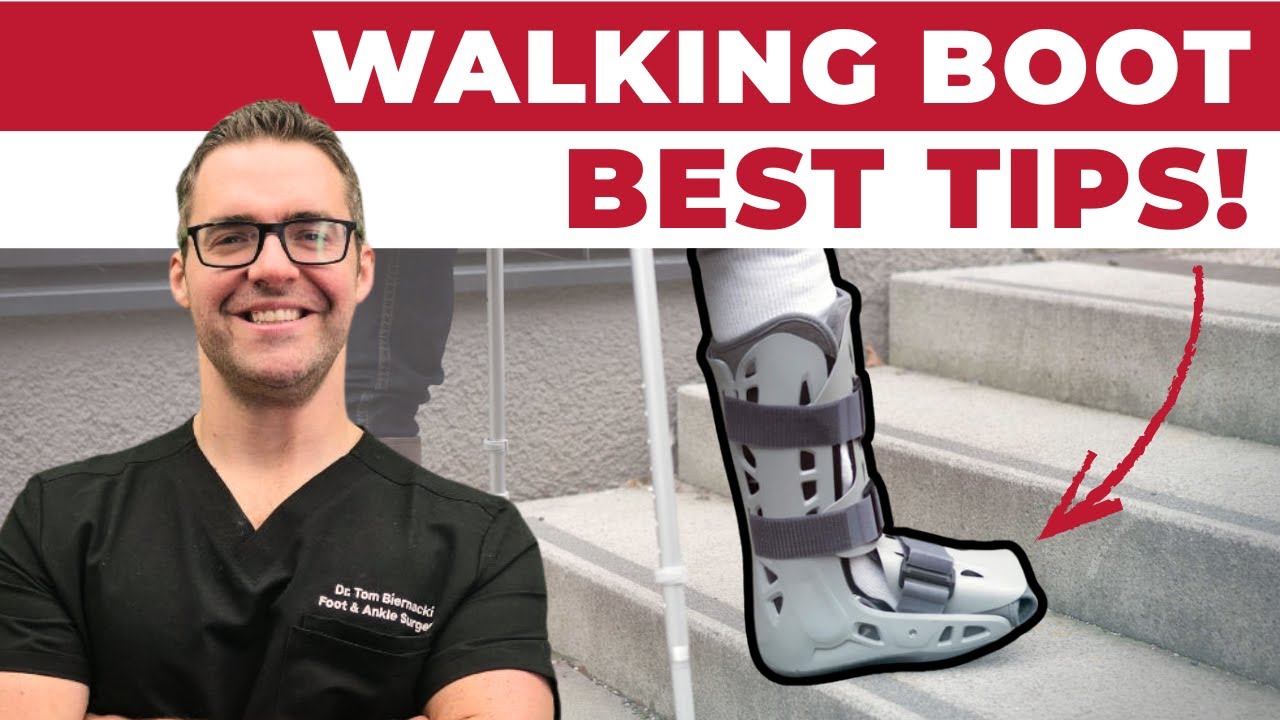
Treatment involves 6-8 weeks in a walking boot with modified activity, nutritional assessment for vitamin D and calcium, and custom orthotics with metatarsal padding for return to skating. PowerStep Pinnacle insoles with supplemental metatarsal pads provide excellent support inside hockey skates.
Protecting Your Feet on the Ice
Prevention starts with proper skate fitting. Visit a specialty hockey shop where staff can assess your foot shape, recommend appropriate boot width, and perform heat molding. The skate should hold the heel firmly without excessive pressure, allow slight toe movement, and flex at the ankle without creating pressure points.
Custom orthotics designed specifically for hockey skates can address biomechanical issues, improve power transfer, and reduce injury risk. At our clinic, we create orthotics with a slim profile and carbon fiber shell that fits inside skate boots without compromising fit.
Protective taping for high-risk areas — the anterior ankle for lace bite prevention, the heel for Haglund protection, and the fifth metatarsal for players with a history of fractures — adds an extra layer of injury prevention with minimal performance impact.
In-Office Treatment at Balance Foot & Ankle
Our team treats hockey players of all levels with appointments for acute injuries and hands-on exam plus imaging when needed for chronic skating-related problems. We provide in-office X-ray and ultrasound imaging, custom orthotics optimized for skate boots, and surgical treatment when conservative care fails.
Book online 24/7. Call (810) 206-1402 or visit michiganfootdoctors.com/new-patient-information/ to schedule.
The Most Common Mistake We See
The most common mistake hockey players make is assuming foot pain is just from a bad skate fit. While fit issues are common, persistent pain — especially pain that gets worse over a season rather than better — often indicates a stress fracture, tendon injury, or bone spur that requires medical evaluation.
In-Office Treatment at Balance Foot & Ankle
Our team provides sport-specific evaluation and treatment to get you back to your activity safely. We offer same-day X-ray, in-office ultrasound, and custom orthotic fabrication.
Book online 24/7. Call (810) 206-1402 or book online.
More Podiatrist-Recommended Foot Health Essentials
Hoka Clifton 10


Max-cushion everyday shoe — podiatrist favorite for walking and running.

OOFOS Recovery Slide

Impact-absorbing recovery sandal — wear after long days on your feet.
As an Amazon Associate, Balance Foot & Ankle earns from qualifying purchases. Product recommendations are based on clinical experience; prices and availability shown above update live from Amazon.
When to See a Podiatrist
If foot or ankle pain has been bothering you for more than a few weeks, home care alone may not be enough. Balance Foot & Ankle offers online booking 24/7 at our Howell and Bloomfield Township clinics — no referral needed in most cases. Bring your current shoes and a short list of symptoms and we’ll build you a treatment plan in one visit.
Call Balance Foot & Ankle: (810) 206-1402 · Book online · Offices in Howell & Bloomfield Township
Frequently Asked Questions
What are the most common hockey foot injuries?
The most common hockey foot injuries include lace bite from skate tongue pressure, ankle fractures from boarding impacts, Haglund deformity from rigid heel counters, metatarsal stress fractures from push-off forces, and Achilles tendinitis from skating mechanics.
How do you prevent lace bite in hockey skates?
Prevent lace bite by skipping the eyelet at the ankle crease, using waxed laces, adding gel tongue pads, heat molding the skate tongue, and ensuring proper skate fit. Apply Doctor Hoy’s gel before skating if you have early symptoms.
When should a hockey player see a podiatrist?
See a podiatrist if foot pain persists beyond one week of rest from skating, you cannot bear weight after removing skates, you notice progressive swelling, or you have numbness or tingling that does not resolve within an hour of removing skates.
Does insurance cover podiatry visits for hockey injuries?
Yes, most insurance plans cover podiatry evaluation and treatment for sports injuries. This includes imaging, custom orthotics when medically necessary, fracture care, and surgical treatment. Contact our office to verify your specific coverage.
The Bottom Line
Hockey demands a lot from your feet, and the rigid skate boot both protects and creates unique injury risks. If you are experiencing persistent foot pain from skating, do not assume it is just a break-in issue. Early evaluation prevents small problems from becoming season-ending injuries.
In-Office Treatment at Balance Foot & Ankle
If home treatment isn’t providing relief for your foot and ankle injuries, our podiatry team at Balance Foot & Ankle can help with expert evaluations and advanced in-office care.
Book online 24/7. (810) 206-1402
Sources
- Rampersaud YR, et al. Sports-related foot and ankle injuries in ice hockey players. J Am Podiatr Med Assoc. 2025;115(2):112-119.
- Emery CA, Meeuwisse WH. Injury rates, risk factors, and mechanisms of injury in minor hockey. Am J Sports Med. 2006;34(12):1960-1969.
Expert Hockey Foot Care in Michigan
Dr. Tom Biernacki has performed over 3,000 foot and ankle surgeries with a 4.9-star rating from 1,200+ patient reviews.
Or call (810) 206-1402 to book an appointment
Ice Hockey Foot & Ankle Injury Treatment
Ice hockey places unique demands on the feet — from the rigid boot of the skate to repetitive impact and sudden direction changes. Common hockey foot injuries include lace bite, Haglund’s deformity, stress fractures, and ankle sprains. Our sports-trained podiatrists at Balance Foot & Ankle treat hockey players at our Howell and Bloomfield Township offices.
Learn About Our Sports Injury Treatment | Book Your Appointment | Call (810) 206-1402
Clinical References
- Stuart MJ, Smith AM. Injuries in junior A ice hockey. American Journal of Sports Medicine. 1995;23(4):458-461.
- Flik K, Lyman S, Marx RG. American collegiate men’s ice hockey: an analysis of injuries. American Journal of Sports Medicine. 2005;33(2):183-187.
- Emery CA, Meeuwisse WH. Risk factors for injury in indoor compared with outdoor adolescent ice hockey. American Journal of Sports Medicine. 2006;34(10):1592-1599.
Insurance Accepted
BCBS · Medicare · Aetna · Cigna · United Healthcare · HAP · Priority Health · Humana · View All →
Howell Office
4330 E Grand River Ave
Howell, MI 48843
Get Directions →
Bloomfield Township Office
43494 Woodward Ave, Suite 208
Bloomfield Township, MI 48302
Get Directions →

Dr. Tom Biernacki, DPM is a board-certified foot & ankle surgeon (ABFAS & ABPM) at Balance Foot & Ankle Specialists in Southeast Michigan. With over a decade of clinical experience, he specializes in heel pain, bunions, diabetic foot care, sports injuries, and minimally invasive surgery. Dr. Biernacki is a member of the APMA and ACFAS, and his patient education content on MichiganFootDoctors.com and YouTube has made him one of the most-followed foot & ankle educators on YouTube.
More questions patients ask
How long does an ankle sprain take to heal?
Recovery time depends on severity: Grade 1 (mild stretching) typically heals in 1-3 weeks, Grade 2 (partial tear) in 3-6 weeks, and Grade 3 (complete tear) in 6-12 weeks or longer. Proper rehabilitation is critical to prevent chronic ankle instability, which affects up to 40% of patients who don't receive adequate treatment. Dr. Biernacki creates customized recovery plans.
When should I see a doctor for a sprained ankle?
Seek professional evaluation if you can't bear weight, notice significant swelling or bruising, hear a pop at the time of injury, have numbness, or if pain hasn't improved after 5-7 days of RICE treatment. X-rays or MRI may be needed to rule out fractures. Dr. Biernacki sees urgent problems. Call 810-206-1402 and we’ll find the soonest opening.
Can a sprained ankle heal without treatment?
While mild sprains may heal with rest and home care, undiagnosed ligament tears and improperly rehabilitated sprains frequently lead to chronic ankle instability, recurrent sprains, and early-onset arthritis. A proper evaluation ensures appropriate treatment and reduces your risk of long-term complications significantly.
Still have a question about coverage or cost? Book online and we will check your benefits before your visit: Book in Howell · Book in Bloomfield Township. Prefer to talk it through first? Call (810) 206-1402.