
Quick answer: Lacrosse Foot Ankle Injuries Turf Toe Ankle Sprains Cleats is a common foot/ankle topic that affects many patients. The 2026 evidence-based approach combines proper diagnosis, conservative-first treatment, and escalation only when needed. We treat this regularly at our Howell and Bloomfield Township practices. Call (810) 206-1402.
Medically reviewed by Dr. Tom Biernacki, DPM — Board-Certified Podiatric Surgeon — Balance Foot & Ankle, Howell & Bloomfield Township, MI. Last updated April 2026.
▶ Watch

Medically reviewed by Dr. Tom Biernacki, DPM
Board-certified podiatric surgeon | Balance Foot & Ankle
Last reviewed: April 2026
The most important clinical decision with Lacrosse Foot Ankle Injuries Turf Toe Ankle Sprains Cleats isn’t which treatment to start with — it’s which subtype or underlying cause you actually have. That distinction changes everything. Call us: (810) 206-1402
Lacrosse Places Unique Demands on Feet and Ankles


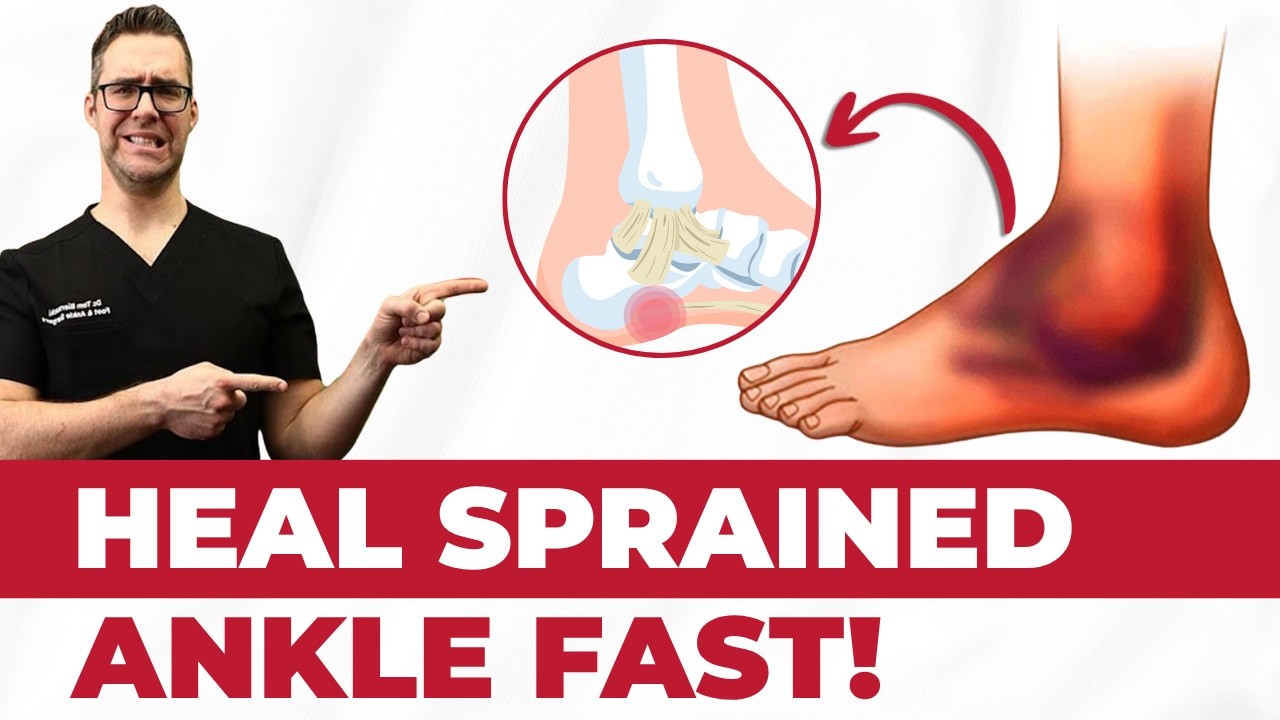
Watch: Fix TWISTED Ankle, ROLLED Ankle or SPRAINED Ankle Ligaments FASTER! — MichiganFootDoctors YouTube
Lacrosse is one of the fastest-growing sports in Michigan, with expanding programs at the high school, club, and collegiate levels across Oakland, Macomb, and Wayne Counties. The sport demands explosive linear speed, rapid direction changes, physical contact, and continuous multi-directional movement on both natural grass and artificial turf. These demands generate foot and ankle injuries that require prompt podiatric evaluation to prevent prolonged absences from competition and development of chronic problems from undertreated injuries.
Common Lacrosse Foot and Ankle Injuries
 ankle sprain and turf toe injuries” class=”wp-image-57388″ width=”800″ height=”450″ loading=”lazy” decoding=”async”/>
Turf toe is a sprain of the first metatarsophalangeal joint resulting from forceful hyperextension of the hallux when the foot is planted on a firm surface. The injury is most common on artificial turf where the cleat grips aggressively and the foot cannot rotate freely. Acute turf toe produces pain, swelling, and limited range of motion at the base of the big toe that limits push-off during acceleration. Grading of turf toe from Grade I (mild stretching) to Grade III (complete plantar plate rupture) guides management — Grade III injuries may require immobilization or surgical repair.
Lateral ankle sprains occur during cutting, dodging, and physical contact. Lacrosse athletes on artificial turf experience a higher ankle sprain rate than grass players because of increased surface traction. The rapid direction changes required by midfielders and attackmen make them especially susceptible. Completing a formal neuromuscular training and proprioception program after the first sprain markedly reduces recurrence risk.
Metatarsal stress fractures develop in players who practice and compete multiple days per week on artificial turf, which returns more ground reaction force than natural grass. The fifth metatarsal is particularly vulnerable due to the high-speed cutting movements of the sport. Point tenderness over the metatarsal shaft with progressive forefoot pain during play warrants radiographic evaluation and modified activity until stress injury is ruled out or managed.
When to see a podiatrist for a lacrosse injury:
- Ankle swelling or bruising that persists beyond 48 hours
- Inability to bear weight after an on-field injury
- Big toe pain or stiffness after a hyperextension mechanism
- Foot pain that worsens during cutting, sprinting, or direction changes
Cleat Selection and Injury Prevention

Lacrosse cleats with moderate stud length and configuration provide adequate traction without the excessive grip that increases turf toe and ankle sprain risk on artificial surfaces. Players with prior ankle sprains benefit from lace-up ankle bracing during competition. A structured dynamic warm-up including ankle mobilization, lateral band walks, and change-of-direction footwork drills reduces lower extremity injury rates in lacrosse programs that implement them consistently.
Recommended Products for Lacrosse Players
PowerStep Pinnacle Insoles — Arch support that fits inside lacrosse cleats to reduce plantar strain during cutting and sprinting. Check price on Amazon
SB SOX Compression Socks — Graduated compression supports ankle stability during games and reduces post-game swelling. Check price on Amazon
Frequently Asked Questions About Lacrosse Foot Injuries
How long does turf toe take to heal?
Grade I turf toe typically heals in 1-2 weeks with taping and stiff-soled shoes. Grade II requires 2-4 weeks, and Grade III complete tears may need 6-8 weeks or surgical repair before returning to lacrosse.
What type of cleats prevent ankle injuries in lacrosse?
Mid-cut or high-cut lacrosse cleats provide better ankle support than low-cut models. Look for cleats with a rigid heel counter and adequate torsional stability. Players with a history of sprains should combine proper cleats with a lace-up ankle brace.
Should I use orthotics in my lacrosse cleats?
Yes — custom or OTC orthotics improve biomechanical alignment in cleats and reduce stress on the plantar fascia, metatarsals, and ankle. Remove the stock insole and replace it with the orthotic for best fit.
Differential Diagnosis: What Else Could It Be?
Not every case of turf toe / first mtp sprain is straightforward. In our clinic we routinely rule out three look-alike conditions before confirming the diagnosis. If your symptoms don’t match the classic presentation, one of these may explain the pain — which is why physical exam matters more than self-diagnosis.
| Condition | How It Differs |
|---|---|
| Hallux rigidus | Chronic progressive stiffness, not a single hyperextension event; dorsal osteophyte on X-ray. |
| Sesamoiditis | Pain under the joint (at the sesamoid bones), not on top; worse with push-off. |
| Gout | Warm, erythematous, crystal-driven flare; elevated uric acid and crystal arthrocentesis. |
Red Flags — When to See a Podiatrist Now
Seek same-day evaluation at Balance Foot & Ankle if you notice any of the following:
- Inability to push off big toe
- Swelling and bruising across entire joint
- Grade 3 injury on MRI (complete plantar plate tear)
- Progressive hallux valgus after injury
Call (810) 206-1402 or request an appointment. Our Howell and Bloomfield Township offices reserve same-day slots for urgent foot and ankle issues.
In Our Clinic: What We See
Clinical perspective from Dr. Tom Biernacki, DPM — Balance Foot & Ankle, Howell & Bloomfield Township, MI:
Turf toe is the injury everyone remembers — a football cleat stuck in the turf, a yoga pose that forced the toe too far back, or a misstep off a curb. In our clinic we grade 1, 2, or 3. Grade 1 is taping, a stiff-soled shoe, and return to play in a week. Grade 2 frequently takes 4-6 weeks and may need a carbon-fiber plate inside the shoe. Grade 3 plantar-plate tears need imaging and often surgical repair. We have patients keep a photo of the toe in neutral so we can track swelling and bruising across follow-ups. Return-to-sport is earned, not timed.
The Bottom Line on Lacrosse Foot and Ankle Injuries
Lacrosse demands explosive cutting, sprinting, and physical contact that creates predictable injury patterns in the foot and ankle. At Balance Foot & Ankle in Howell and Bloomfield Township, Michigan, we treat lacrosse players from youth programs through adult leagues. Early treatment of ankle sprains and turf toe prevents the chronic instability that sidelines players long-term.
Ready to Get Relief?
Same-day appointments available in Howell & Bloomfield Township, MI
4.9★ | 1,123 Reviews | 3,000+ Surgeries
Or call: (810) 206-1402
Lacrosse Foot & Ankle Injury Treatment in Michigan
Turf toe, ankle sprains, and cleat-related injuries from lacrosse require sport-specific treatment. Our sports medicine podiatrists treat lacrosse players at our Howell and Bloomfield Township offices.
Learn About Sports Medicine Podiatry | Book Your Appointment | Call (810) 206-1402
Clinical References
- Dick R, et al. Descriptive epidemiology of collegiate men’s lacrosse injuries. J Athl Train. 2007;42(2):255-261.
- Hinton RY, et al. Epidemiology of lacrosse injuries in high school-aged girls and boys. Am J Sports Med. 2005;33(9):1305-1314.
- Kerr ZY, et al. Epidemiology of National Collegiate Athletic Association men’s and women’s lacrosse injuries. J Athl Train. 2017;52(5):436-444.
Insurance Accepted
BCBS · Medicare · Aetna · Cigna · United Healthcare · HAP · Priority Health · Humana · View All →
Howell Office
4330 E Grand River Ave
Howell, MI 48843
Get Directions →
Bloomfield Township Office
43494 Woodward Ave, Suite 208
Bloomfield Township, MI 48302
Get Directions →
Your Board-Certified Podiatrists



Ready to Get Back on Your Feet?
Same-week appointments available at both locations.
Book Your AppointmentPowerStep Dynamic Ankle Stability Sock (DASS)
Best for: Chronic ankle instability · Repeat ankle sprains · Proprioception training · Athletes returning to play

A revolutionary alternative to bulky ankle braces. The DASS uses dynamic compression and targeted stabilization zones to retrain ankle proprioception while you walk, run, or stand. Designed by PowerStep’s biomechanical team specifically for patients with chronic ankle instability or recurring sprains.
- Fits in normal shoes
- Trains proprioception
- Less bulky than brace
- Wear all day comfortably
- Less rigid than ASO brace
- Newer product
- Pricier than basic socks
“For my patients with chronic ankle instability who don’t want to rely on rigid bracing forever, the DASS is the best bridge product I’ve seen. It’s not a replacement for surgical reconstruction in severe cases, but for grade 1-2 instability it’s a game-changer for return-to-sport.”
In-Office Treatment at Balance Foot & Ankle
If home treatment isn’t providing relief for your ankle pain, our podiatry team at Balance Foot & Ankle can help with same-day evaluations and advanced in-office care.
Same-day appointments available. (810) 206-1402
Frequently Asked Questions
When should I see a podiatrist?
If symptoms persist past 2 weeks, affect your normal activity, or are accompanied by red-flag symptoms (warmth, redness, swelling, inability to bear weight).
What does treatment cost?
Most diagnostic visits and conservative treatments are covered by Medicare and major insurers. Out-of-pocket costs vary by your specific plan.
How quickly can I get an appointment?
Most non-urgent cases see us within 5 business days. Urgent cases (sudden pain, possible fracture) typically same or next business day.
Get Expert Care at Balance Foot & Ankle
Same-week appointments at our Howell and Bloomfield Township offices. Board-certified podiatric surgeons. Most insurance accepted.

Dr. Tom Biernacki, DPM is a board-certified foot & ankle surgeon (ABFAS & ABPM) at Balance Foot & Ankle Specialists in Southeast Michigan. With over a decade of clinical experience, he specializes in heel pain, bunions, diabetic foot care, sports injuries, and minimally invasive surgery. Dr. Biernacki is a member of the APMA and ACFAS, and his patient education content on MichiganFootDoctors.com and YouTube has made him one of the most-followed foot & ankle educators on YouTube.
More questions patients ask
How long does an ankle sprain take to heal?
Recovery time depends on severity: Grade 1 (mild stretching) typically heals in 1-3 weeks, Grade 2 (partial tear) in 3-6 weeks, and Grade 3 (complete tear) in 6-12 weeks or longer. Proper rehabilitation is critical to prevent chronic ankle instability, which affects up to 40% of patients who don't receive adequate treatment. Dr. Biernacki creates customized recovery plans.
When should I see a doctor for a sprained ankle?
Seek professional evaluation if you can't bear weight, notice significant swelling or bruising, hear a pop at the time of injury, have numbness, or if pain hasn't improved after 5-7 days of RICE treatment. X-rays or MRI may be needed to rule out fractures. Dr. Biernacki offers same-day urgent evaluations at 810-206-1402.
Can a sprained ankle heal without treatment?
While mild sprains may heal with rest and home care, undiagnosed ligament tears and improperly rehabilitated sprains frequently lead to chronic ankle instability, recurrent sprains, and early-onset arthritis. A proper evaluation ensures appropriate treatment and reduces your risk of long-term complications significantly.
Still have a question about coverage or cost? Book online and we will check your benefits before your visit: Book in Howell · Book in Bloomfield Township. Prefer to talk it through first? Call (810) 206-1402.