

Quick answer: Managing Foot Pain While Traveling Tips has multiple potential causes including mechanical, neurological, vascular, and inflammatory. The most common causes we identify are overuse, ill-fitting shoes, and biomechanical imbalance. Red flags requiring urgent evaluation: warmth/redness (infection), inability to bear weight (fracture), and unilateral swelling without injury (DVT). Call (810) 206-1402.
Medically reviewed by Dr. Tom Biernacki, DPM | Board-certified podiatrist | 3,000+ surgeries performed
Last updated: April 2, 2026
The most important clinical decision with Managing Foot Pain While Traveling Tips isn’t which treatment to start with — it’s which subtype or underlying cause you actually have. That distinction changes everything. Call us: (810) 206-1402
Why Travel Causes Foot Problems
Extended periods of immobility during flights and car rides allow fluid to pool in the lower legs and feet due to gravity and reduced venous return. The seated position compresses the veins behind the knees, further impeding blood flow. After just 2-3 hours of immobility, measurable ankle swelling occurs in most travelers, and this edema increases foot pressure and discomfort upon standing.
▶ Watch
Cabin pressure and reduced humidity on aircraft cause additional fluid shifts and tissue swelling. At typical cruising altitude, cabin pressure is equivalent to approximately 6,000-8,000 feet elevation. This reduced atmospheric pressure combined with humidity levels below 20% contributes to peripheral swelling, dry skin, and increased blood viscosity that raises the risk of blood clots.
Vacation activity patterns often dramatically exceed normal daily walking. A typical tourist walks 15,000-25,000 steps per day compared to 5,000-8,000 steps on a normal day. This sudden increase in walking volume—often in new or inappropriate shoes on unfamiliar surfaces—creates the perfect conditions for plantar fasciitis, stress reactions, and blisters.
Deep Vein Thrombosis Prevention During Travel
Deep vein thrombosis is the most serious travel-related leg and foot concern. DVT occurs when a blood clot forms in the deep veins of the leg, typically behind the knee or in the calf. Travel-related immobility, dehydration, and cramped seating increase DVT risk, particularly on flights longer than 4 hours.
Risk factors that compound travel DVT risk include age over 40, obesity, recent surgery or injury, pregnancy, oral contraceptive use, prior history of DVT, varicose veins, and active cancer. Travelers with multiple risk factors should discuss preventive strategies with their physician before long trips.
Graduated compression stockings are the most effective single measure for DVT prevention during travel. Medical-grade compression stockings providing 15-20 mmHg pressure significantly reduce leg swelling and DVT risk. Put them on before the trip and wear them for the entire duration of travel including layovers.
In-flight exercises every 30-60 minutes maintain venous return and reduce clot risk. Ankle pumps, calf raises while seated, and brief walks down the aisle keep the calf muscle pump active. Staying hydrated with water while avoiding excessive alcohol and caffeine maintains blood fluidity.
Packing the Right Footwear
Footwear choices can make or break a trip. Pack one pair of well-broken-in walking shoes with good arch support and cushioning as your primary sightseeing shoe. Never bring brand new shoes on a trip—the combination of new shoes and dramatically increased walking distance virtually guarantees blisters and discomfort.
If your trip requires dress shoes or sandals for specific occasions, limit their use to those events and change back to supportive walking shoes for extended walking. A collapsible pair of supportive slip-on shoes takes minimal luggage space and provides a critical backup option.
Transfer your custom orthotics between shoes throughout the trip. If you normally wear orthotics, they provide the same biomechanical support in travel shoes that they do at home. Pack a small toolkit including moleskin, blister bandages, and an anti-inflammatory gel for foot emergencies that would otherwise disrupt your itinerary.
For beach and water destinations, choose supportive sandals with arch support rather than flat flip-flops. Walking long distances in unsupported flip-flops on soft sand is one of the most common vacation triggers for plantar fasciitis. Water shoes with arch support protect against both mechanical injury and hot surfaces.
Managing Common Travel Foot Problems
Plantar fasciitis flares are the most common foot complaint among travelers. The combination of increased walking, hard tourist surfaces like cobblestone and concrete, and unfamiliar shoes overloads the plantar fascia. Maintain your normal stretching routine while traveling, ice the heels for 15 minutes at the end of each sightseeing day, and wear supportive footwear at all times.
Blisters develop from friction between new or ill-fitting shoes and skin softened by sweat or rain. At the first sign of a hot spot, apply moleskin or a friction-reducing bandage before a blister forms. If a blister does develop, leave it intact if possible—the overlying skin protects against infection. If the blister is large and painful, drain it with a sterilized needle at the base while keeping the roof intact.
Ankle swelling from travel immobility and heat typically resolves within 24-48 hours with elevation, compression, and normal activity. However, unilateral swelling—swelling in only one leg—warrants immediate medical attention as it may indicate deep vein thrombosis. Bilateral swelling that persists beyond 48 hours after returning to normal activity should also be evaluated.
Ankle sprains on uneven surfaces like cobblestone streets, beach terrain, and hiking trails are a common travel injury. If you sprain your ankle while traveling, follow the PRICE protocol: protect, rest, ice, compress, and elevate. Seek local medical attention if you cannot bear weight, have significant swelling, or hear a pop or crack at the time of injury.
Special Considerations for Diabetic Travelers
Diabetic travelers face elevated risks because neuropathy may mask developing foot problems. Check feet twice daily while traveling—once in the morning and once before bed—looking for redness, blisters, swelling, or any skin breakdown that you may not have felt developing during the day’s activities.
Pack a foot care kit including moisturizing cream, mild soap, clean socks, moleskin, antibiotic ointment, and sterile bandages. Never walk barefoot, even in hotel rooms, pools, or beaches. Inspect shoes before putting them on for pebbles or foreign objects that could cause skin breakdown in neuropathic feet.
Maintain blood sugar control during travel, as elevated blood sugar impairs wound healing and increases infection risk. Time zone changes, altered meal schedules, and activity level changes affect insulin requirements. Work with your endocrinologist to adjust medication timing before the trip.
When to See a Podiatrist After Travel
Schedule a post-travel podiatric evaluation if you develop persistent foot pain that doesn’t resolve within one week of returning to normal activity, notice signs of infection around blisters or foot wounds, experience unilateral leg swelling during or after travel, or have diabetic foot concerns from travel-related skin breakdown.
Dr. Tom Biernacki provides hands-on exam plus imaging when needed for travel-related foot problems including assessment of plantar fasciitis flares, ankle sprain evaluation, blister management, and vascular assessment for suspected DVT. Early intervention prevents travel-acquired foot problems from becoming chronic conditions.
Pre-travel consultations are available for patients with existing foot conditions who want to optimize their footwear and prevention strategy before a trip. This is particularly valuable for diabetic patients, patients with prior DVT, and those with chronic foot conditions that may be aggravated by increased activity.
The Most Common Mistake We See
The biggest mistake travelers make is wearing brand new shoes on their trip. New shoes haven’t molded to your foot shape and lack the flexibility of broken-in footwear. Even expensive, high-quality shoes can cause severe blisters and foot pain when subjected to vacation walking distances without a break-in period of at least 2-3 weeks.
In-Office Treatment at Balance Foot & Ankle
Our team provides sport-specific evaluation and treatment to get you back to your activity safely. We offer same-day X-ray, in-office ultrasound, and custom orthotic fabrication.
Same-day appointments available. Call (810) 206-1402 or book online.
More Podiatrist-Recommended Foot Health Essentials
Hoka Clifton 10


Watch: How to Cure Plantar Fasciitis in One Week? [FAST Heel Pain Relief!] — MichiganFootDoctors YouTube
Max-cushion everyday shoe — podiatrist favorite for walking and running.

OOFOS Recovery Slide

Impact-absorbing recovery sandal — wear after long days on your feet.
As an Amazon Associate, Balance Foot & Ankle earns from qualifying purchases. Product recommendations are based on clinical experience; prices and availability shown above update live from Amazon.
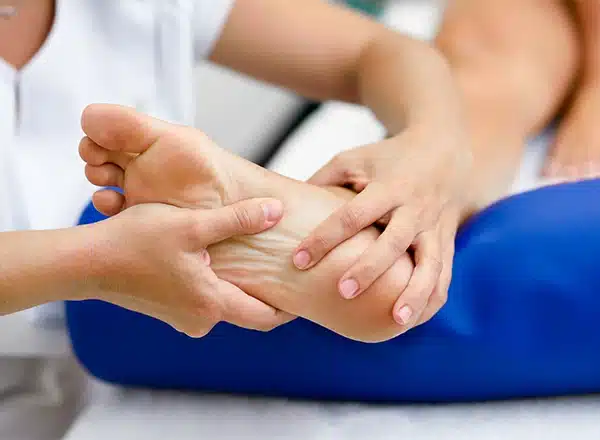
When to See a Podiatrist
If foot or ankle pain has been bothering you for more than a few weeks, home care alone may not be enough. Balance Foot & Ankle offers same-week appointments at our Howell and Bloomfield Township clinics — no referral needed in most cases. Bring your current shoes and a short list of symptoms and we’ll build you a treatment plan in one visit.
Call Balance Foot & Ankle: (810) 206-1402 · Book online · Offices in Howell & Bloomfield Township
Frequently Asked Questions
How can I prevent foot swelling on long flights?
Wear graduated compression stockings (15-20 mmHg), perform ankle pumps and calf raises every 30 minutes, walk the aisle every 1-2 hours, stay hydrated with water, avoid crossing your legs, and choose an aisle seat for easier movement. These measures significantly reduce swelling and DVT risk.
What shoes should I pack for vacation?
Pack one pair of well-broken-in walking shoes with arch support as your primary shoe. Add a pair of supportive sandals for warm weather and dress shoes only if events require them. Transfer your custom orthotics between shoes. Never bring only new, unbroken shoes on a trip.
Is foot swelling after a flight normal?
Mild bilateral foot swelling after a flight is common and typically resolves within 24-48 hours with normal activity, elevation, and hydration. However, swelling in only one leg may indicate DVT and requires immediate medical attention. Persistent swelling beyond 48 hours should be evaluated by a physician.
How do I manage plantar fasciitis during a trip?
Maintain your stretching routine, wear supportive shoes with orthotics at all times, ice heels for 15 minutes after sightseeing, take anti-inflammatory medication as needed, and pace your walking to avoid consecutive high-mileage days. Planning rest stops and mixing walking with seated activities helps manage symptoms.
The Bottom Line
A little preparation goes a long way toward keeping your feet healthy during travel. Pack the right shoes, bring your orthotics, stay hydrated, keep moving during flights, and don’t ignore foot pain that develops along the way. If travel-related foot problems persist after you return home, early evaluation prevents them from becoming chronic issues.
Sources
- Philbrick, J.T. et al. (2024). Travel-related venous thromboembolism: Updated risk assessment and prevention guidelines. Annals of Internal Medicine, 180(6), 456-466.
- Kuipers, S. et al. (2025). The effect of flying on lower extremity edema: Prospective study with compression stocking intervention. Journal of Travel Medicine, 32(2), 89-96.
- Bus, S.A. et al. (2024). Diabetic foot care during travel: International guidelines and practical recommendations. Diabetes Care, 47(8), 1789-1798.
- Anderson, J. et al. (2025). Walking volume and foot pain in recreational travelers: A prospective cohort study. Journal of Foot and Ankle Research, 18(1), 45-54.
Planning a Trip? Get Your Feet Ready Before You Go
Dr. Tom Biernacki has performed over 3,000 foot and ankle surgeries with a 4.9-star rating from 1,123 patient reviews.
Or call (810) 206-1402 for same-day appointments
Insurance Accepted
BCBS · Medicare · Aetna · Cigna · United Healthcare · HAP · Priority Health · Humana · View All →
Howell Office
4330 E Grand River Ave
Howell, MI 48843
Get Directions →
Bloomfield Township Office
43494 Woodward Ave, Suite 208
Bloomfield Township, MI 48302
Get Directions →
Your Board-Certified Podiatrists



Ready to Get Back on Your Feet?
Same-week appointments available at both locations.
Book Your AppointmentIn-Office Treatment at Balance Foot & Ankle
If home treatment isn’t providing relief for your foot pain, our podiatry team at Balance Foot & Ankle can help with same-day evaluations and advanced in-office care.
Same-day appointments available. (810) 206-1402
Doctor Hoy’s Natural Pain Relief Gel
Natural topical pain relief I use in our clinic. Arnica + camphor formula — apply directly to the area 3–4x daily. ($20–25)
Shop Doctor Hoy’s →Frequently Asked Questions
When should I see a doctor?
See a podiatrist if pain persists past 2 weeks, prevents normal activity, or is accompanied by red-flag symptoms (warmth, swelling, numbness, inability to bear weight).
Can I treat this at home?
Mild cases respond to RICE protocol (rest, ice, compression, elevation), supportive shoes, and OTC anti-inflammatories. Persistent symptoms need professional evaluation.
How long does it take to heal?
Most soft tissue injuries resolve in 2-6 weeks with appropriate care. Bone injuries take 6-12 weeks. Chronic conditions need longer-term management.
What is Foot pain?
Foot pain is a common foot/ankle condition that affects mobility and quality of life. Understanding the underlying cause is the first step in successful treatment. Our podiatrists at Balance Foot & Ankle perform a hands-on biomechanical exam, review your activity history, and use diagnostic imaging when appropriate to identify the root cause—not just treat the symptom. Many patients have been told to “rest and ice” without a deeper diagnostic workup; our approach is different.
Symptoms and warning signs
Common signs of foot pain include pain that worsens with activity, morning stiffness, swelling, tenderness when palpated, and difficulty bearing weight. If you experience sudden severe pain, inability to walk, visible deformity, numbness or color change, contact our office the same day or visit urgent care—these can signal a more serious injury such as a fracture, tendon rupture, or vascular compromise. Diabetics with any foot wound should seek same-day care.
Conservative treatment options
Most cases of foot pain respond to non-surgical care: structured rest, supportive footwear changes, custom orthotics, targeted stretching and strengthening protocols, anti-inflammatory medications when medically appropriate, and in-office procedures such as ultrasound-guided injections. We also offer advanced therapies including MLS laser therapy, EPAT/shockwave, regenerative injections, and image-guided procedures. Treatment is sequenced from least invasive to most invasive, and we explain the rationale at every step.
When is surgery considered?
Surgery is reserved for cases that fail 3-6 months of well-structured conservative care, when there is structural pathology (severe deformity, complete tear, advanced arthritis), or when imaging shows damage that will not heal without intervention. Our surgeons have performed 3,000+ foot and ankle procedures and prioritize minimally-invasive techniques whenever appropriate. We discuss recovery timelines, return-to-activity milestones, and realistic outcome expectations before any procedure is scheduled.
Recovery timeline and prevention
Recovery from foot pain varies based on severity and chosen treatment path. Conservative cases often improve within 4-8 weeks with consistent adherence to the protocol. Post-procedural recovery may range from a few days (in-office procedures) to several months (reconstructive surgery). Long-term prevention involves footwear assessment, activity modification, structured strengthening, and regular check-ins with your podiatrist if you have a history of recurrence. We provide written home-exercise plans and digital follow-up support.
Ready to feel better?
Same-week appointments available in Howell and Bloomfield Township, Michigan.
Book Your Visit
Dr. Tom Biernacki, DPM is a board-certified foot & ankle surgeon (ABFAS & ABPM) at Balance Foot & Ankle Specialists in Southeast Michigan. With over a decade of clinical experience, he specializes in heel pain, bunions, diabetic foot care, sports injuries, and minimally invasive surgery. Dr. Biernacki is a member of the APMA and ACFAS, and his patient education content on MichiganFootDoctors.com and YouTube has made him one of the most-followed foot & ankle educators on YouTube.