
Medically reviewed by Dr. Tom Biernacki, DPM
Board-certified podiatric surgeon | Balance Foot & Ankle, Howell & Bloomfield Township, MI
Last reviewed: May 2026
Moccasin-pattern tinea pedis covers the entire sole of the foot with a powdery white scale that most patients mistake for dry skin — and the key detail that reveals it is a fungal infection rather than eczema changes the treatment completely. Call (810) 206-1402 — expert podiatric care across Michigan.

Moccasin-type tinea pedis is a chronic, dry, scaly form of athlete’s foot caused by dermatophyte fungi — most commonly Trichophyton rubrum — that colonizes the entire plantar and lateral foot surface in a moccasin distribution. Unlike the more familiar interdigital (toe web) athlete’s foot, the moccasin type does not produce the macerated, itchy blisters and fissures between the toes. Instead, it presents as a diffuse, fine, silvery-white scale over the entire sole and sides of the foot with minimal inflammation, often accompanied by nail fungus (onychomycosis) in 30-60% of cases. The dry presentation frequently leads to misdiagnosis as dry skin, eczema, or psoriasis.
Three Types of Tinea Pedis Compared
| Type | Location | Appearance | Common Organism | Itch Level |
|---|---|---|---|---|
| Moccasin (chronic hyperkeratotic) | Entire plantar surface + lateral foot; heel; sides; moccasin distribution; usually bilateral | Diffuse fine silvery-white scale; minimal erythema; dry and powdery; heel fissuring; skin thickening over months to years | T. rubrum (90%+) | Mild to none — often asymptomatic; burning if fissured |
| Interdigital (toe web) | Between toes; 3rd-4th and 4th-5th web spaces most common; unilateral or bilateral | Maceration; white soggy skin; scaling; fissuring; strong odor; erythema; vesicles possible | T. rubrum, T. mentagrophytes, Candida (secondary) | Moderate to severe — itching, burning, stinging |
| Vesicular (inflammatory) | Instep; heel; medial foot; clusters of vesicles or bullae | Pruritic vesicles or bullae on non-hyperkeratotic skin; erythema; acute onset; may rupture and crust | T. mentagrophytes | Severe itching; burning; painful |
Moccasin Tinea Pedis: Diagnosis and Treatment Protocol
| Step | Detail | Notes |
|---|---|---|
| Clinical diagnosis | Bilateral dry scale in moccasin distribution; KOH preparation shows hyphae; scaling advances to heel and sides | KOH prep of scale scraping: branching septate hyphae confirm dermatophyte; PAS stain on biopsy if KOH negative |
| Differentiate from psoriasis | Psoriasis: silvery scale with erythematous plaques; Auspitz sign (pinpoint bleeding); nail pitting; scalp or elbow involvement; bilateral symmetric | Both can look identical on foot; check nails (psoriasis = pitting, oil spot; fungus = subungual debris, thickening); biopsy or fungal culture if uncertain |
| Topical antifungal | Terbinafine 1% cream or ciclopirox 0.77% twice daily x 4 weeks; clotrimazole or miconazole 4 weeks minimum; apply beyond visible scale margin | Moccasin type responds more slowly than interdigital; keratinized scale reduces drug penetration; 4-6 weeks minimum |
| Keratolytic adjunct | Urea 20-40% or ammonium lactate 12% lotion applied daily to scale; reduces hyperkeratosis and improves antifungal penetration | Apply keratolytic first, then antifungal after 30 minutes; improves cure rate significantly in hyperkeratotic cases |
| Oral antifungal | Terbinafine 250mg daily x 2 weeks; or itraconazole 200mg twice daily x 1 week; indicated for extensive moccasin involvement, nail involvement, or topical failure | Oral treatment required when onychomycosis coexists — topical antifungals do not penetrate nail adequately; terbinafine preferred for T. rubrum |
| Relapse prevention | Keep feet dry; antifungal powder in shoes daily; dedicated socks changed daily; foot hygiene; treat onychomycosis if present (nail is the reservoir) | T. rubrum moccasin type has 50-70% relapse rate at 1 year without concurrent nail treatment; nail reservoir recolonizes skin |
At Balance Foot & Ankle in Howell and Bloomfield Township, moccasin-type tinea pedis is confirmed with KOH preparation of scale scraping and treated with combined oral terbinafine plus keratolytic therapy — and concurrent onychomycosis is treated simultaneously to prevent skin reinfection from the nail reservoir. Call (810) 206-1402.
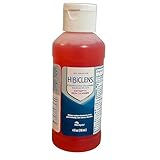
- Pharmaceutical antiseptic skin cleanser
- Safe for a child to use, though parents should practice discretion and always supervise use
- Shown through dermatological testing to be very mild on user skin
American Academy of Dermatology: Athlete’s Foot
Ready to Get Relief?
Same-day appointments available in Howell & Bloomfield Township, MI
4.9★ | 1,123 Reviews | 3,000+ Surgeries
Or call: (810) 206-1402
Doctor Answer
What is moccasin-type athlete’s foot and how is it treated?
Moccasin-type athlete’s foot is a chronic fungal infection affecting the sole and sides of the foot with dry, scaly, thickened skin. Unlike the classic form between the toes, this type is often mistaken for dry skin. Treatment requires antifungal creams or oral antifungal medications for several weeks, along with moisture control and proper footwear.

Dr. Tom Biernacki, DPM is a board-certified foot & ankle surgeon (ABFAS & ABPM) at Balance Foot & Ankle Specialists in Southeast Michigan. With over a decade of clinical experience, he specializes in heel pain, bunions, diabetic foot care, sports injuries, and minimally invasive surgery. Dr. Biernacki is a member of the APMA and ACFAS, and his patient education content on MichiganFootDoctors.com and YouTube has made him one of the most-followed foot & ankle educators on YouTube.
More questions patients ask
How is moccasin athlete's foot different from other types?
The interdigital type causes maceration and fissuring between toes. The vesicular type causes blistering on the arch. The moccasin type causes diffuse plantar scaling without blisters — and is the most chronic and treatment-resistant form.
How is moccasin tinea pedis treated?
Topical antifungals (terbinafine, ciclopirox) applied twice daily for 4–6 weeks are first-line but often inadequate for moccasin type due to the thick plantar skin. Oral terbinafine (250 mg daily × 2–6 weeks) is usually required for complete eradication. Associated toenail fungus must be treated concurrently.
Still have a question about coverage or cost? Book online and we will check your benefits before your visit: Book in Howell · Book in Bloomfield Township. Prefer to talk it through first? Call (810) 206-1402.