
The most important clinical decision with Nail Fungus Home Remedies isn’t which treatment to start with — it’s identifying the correct subtype. That changes everything. Call (810) 206-1402.
Dr. Tom’s Top Toenail Fungus Picks (2026)
Affiliate disclosure: As an Amazon Associate, Balance Foot & Ankle earns from qualifying purchases.
Medically reviewed by Dr. Tom Biernacki, DPM · Board-Certified Podiatric Surgeon · Last reviewed: April 2026 · Editorial Policy
Related Conditions
Quick Answer
Nail Fungus Home Remedies: What Works, What Doesn’t, a relates to toenail conditions — typically caused by fungal infection or trauma. Most patients improve in 6-12 months for nail regrowth with conservative care. Same-week appointments in Howell + Bloomfield Township: (810) 206-1402.
Quick Answer
Most foot and ankle problems respond to conservative care — proper footwear, supportive inserts, activity modification, and targeted stretching — within 4-8 weeks. Persistent pain beyond that window, or any symptom that prevents walking, warrants a podiatric evaluation to rule out fracture, tendon tear, or systemic cause.
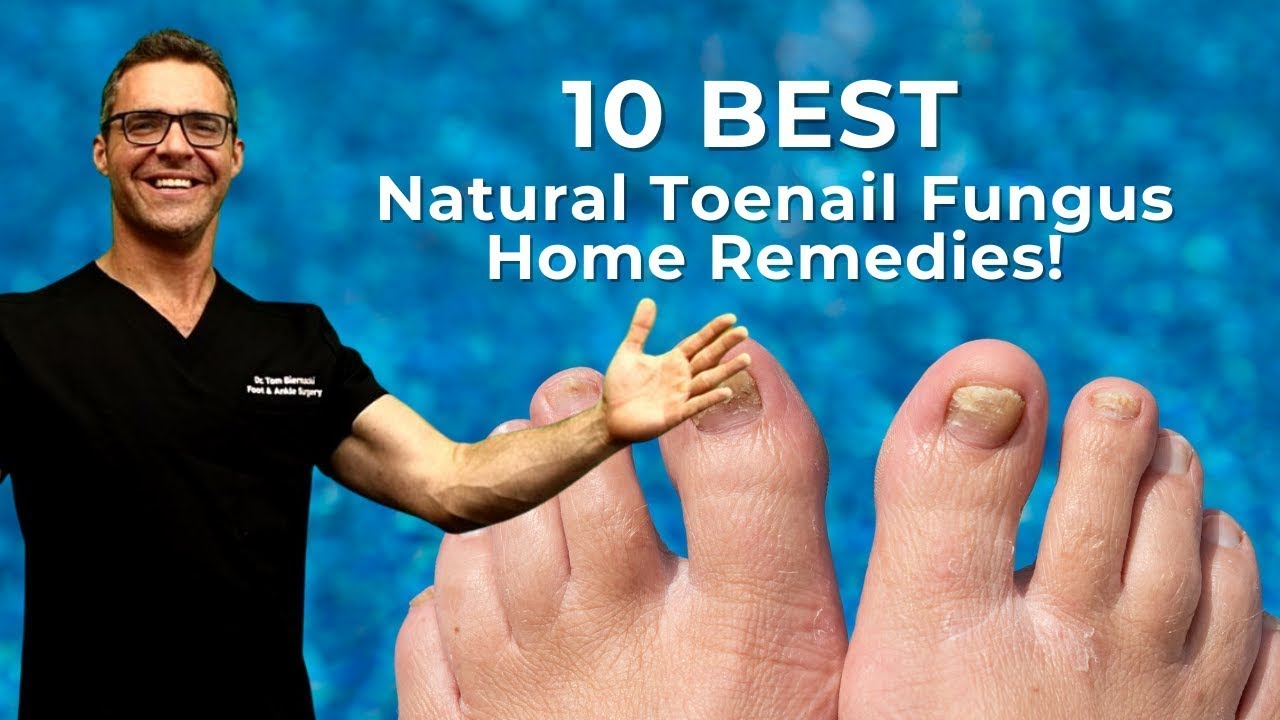
Watch: Dr. Tom Biernacki, DPM

Medically reviewed by Dr. Tom Biernacki, DPM — Board-Certified Podiatric Surgeon — Balance Foot & Ankle, Howell & Bloomfield Township, MI. Last updated April 2026.
▶ Watch
👟 Dr. Tom Also Recommends
Podiatrist Recommended Shoes 2026: Dr. Tom’s Top Picks for Every Condition
The right footwear can make or break your recovery. Dr. Tom’s complete guide to the best shoes for plantar fasciitis, flat feet, neuropathy, bunions & more — with clinical picks for every foot type.
See Dr. Tom’s Top Shoe Picks →Why Toenail Fungus Is Hard to Treat at Home
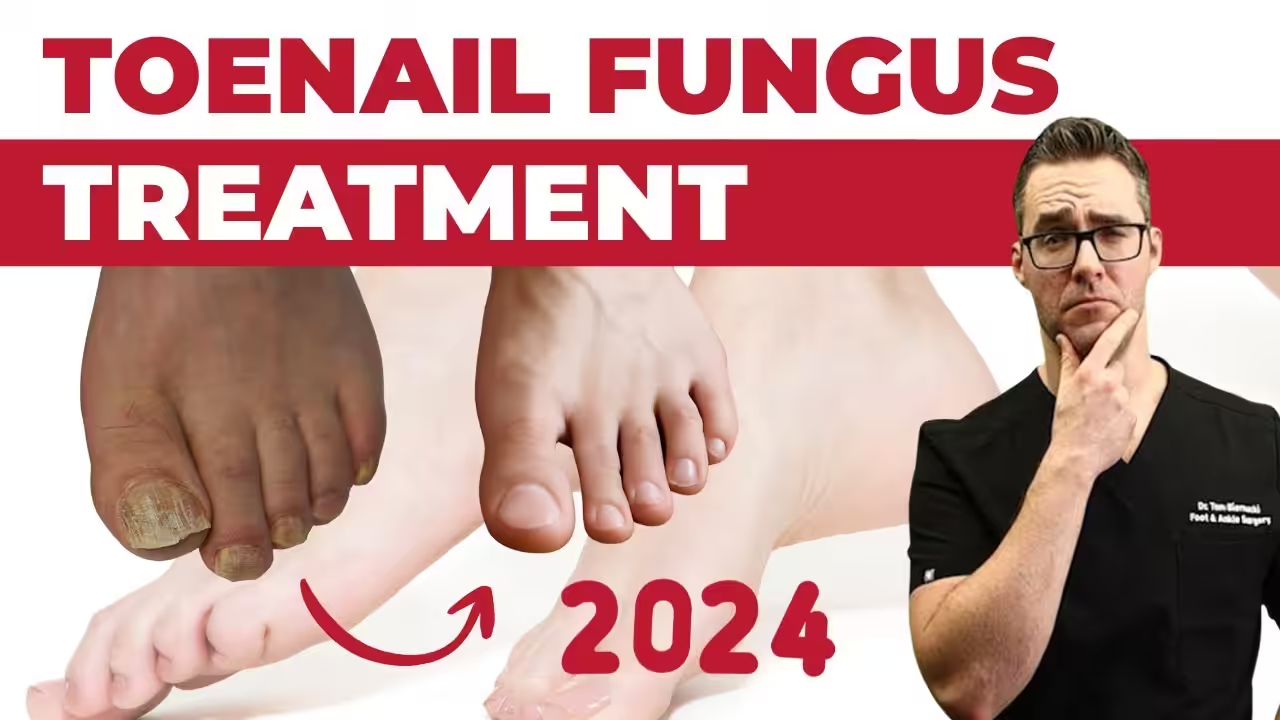

Toenail fungal infection (onychomycosis) is notoriously difficult to treat because the fungus lives in the nail bed and nail matrix—structures protected by the nail plate, which acts as a physical barrier preventing most topical treatments from reaching therapeutic concentrations. The fungi involved (primarily Trichophyton rubrum and T. mentagrophytes) are well-adapted to the nail environment and can persist for years without treatment. This is why prescription oral antifungals—which reach the fungus through the bloodstream—are significantly more effective than most topical approaches. Home remedies face the same penetration challenge as over-the-counter topicals.
Home Remedies: What the Evidence Shows
Tea Tree Oil
Tea tree oil (Melaleuca alternifolia) has antifungal properties in laboratory settings and is one of the most studied natural remedies for nail fungus. Small clinical trials show modest benefit—a 2002 study found 100% tea tree oil comparable to 1% clotrimazole solution for symptom improvement, though neither produced high mycologic cure rates. Tea tree oil is a reasonable adjunct in patients who decline prescription treatment, applied twice daily to the affected nail with a cotton ball. Results require months of consistent use and mycologic cure rates remain low. Side effects are uncommon but include skin irritation and contact dermatitis.
Vicks VapoRub
Vicks VapoRub contains thymol, eucalyptus oil, and camphor—all with some antifungal activity. A 2011 pilot study (Journal of the American Board of Family Medicine) found that 83% of participants using Vicks VapoRub daily for 48 weeks showed improvement in nail appearance, with 27% achieving mycologic cure. These results are better than expected for a non-prescription product, though the study was small and lacked a control group. Vicks is inexpensive, widely available, and safe—worth trying in patients with mild onychomycosis who cannot or will not take oral antifungals. Apply to the affected nail nightly and cover with a sock.
Vinegar Soaks
Vinegar (diluted acetic acid) has antifungal properties and creates an acidic environment unfavorable to fungal growth. Some patients report improvement with daily 15–20 minute soaks in a 1:2 mixture of white vinegar and warm water. Published evidence is limited to in-vitro studies and anecdotal reports—no clinical trial has established vinegar as an effective treatment for established onychomycosis. It is safe at these concentrations and may be used alongside other treatments, but should not be expected to clear an established nail infection.
Remedies Without Evidence
Bleach soaks, oregano oil, hydrogen peroxide, baking soda, garlic, and Listerine mouthwash are frequently promoted online for nail fungus. None have credible clinical evidence supporting efficacy for onychomycosis, and some (bleach especially) can cause skin irritation and chemical burns. These should be avoided in favor of remedies with at least some evidence base, and should never be used by patients with diabetes or neuropathy.
When Home Remedies Are Not Enough
Home remedies are most appropriate for very mild, early-stage onychomycosis—one or two nails with superficial discoloration and minimal nail involvement. For established onychomycosis affecting most of the nail thickness, multiple nails, or nails that have not improved after 6 months of consistent home treatment, prescription options are clearly superior. Oral terbinafine (12 weeks) achieves mycologic cure in 70–80% of patients—the most effective available treatment. Prescription topical efinaconazole (Jublia) and tavaborole (Kerydin) penetrate the nail better than OTC formulations and achieve 15–25% mycologic cure, appropriate for milder cases or patients who cannot take oral medication. A podiatrist can confirm the diagnosis (eliminating nail psoriasis and other mimics), assess severity, and recommend the most appropriate treatment pathway.
In-Office Treatment at Balance Foot & Ankle
If home care isn’t resolving your your foot or ankle concern, a visit with a board-certified podiatrist is the fastest path to accurate diagnosis and a personalized plan. At Balance Foot & Ankle Specialists, Dr. Tom Biernacki, Dr. Carl Jay, and Dr. Daria Gutkin offer same-day and next-day appointments at both our Howell and Bloomfield Township offices. We perform on-site diagnostic ultrasound, digital X-ray, conservative care, advanced regenerative treatments, and minimally invasive surgery when indicated.
Call (810) 206-1402 or request an appointment online. Most insurance plans accepted, including Medicare, Blue Cross Blue Shield, Aetna, Cigna, and United Healthcare.
Frequently Asked Questions
Can toenail fungus go away on its own?
Toenail fungus rarely resolves without treatment. Without intervention, onychomycosis typically spreads to additional nails, worsens in severity, and becomes increasingly difficult to treat. Spontaneous resolution is occasionally documented in immunologically normal individuals with very mild, superficial infections, but it is the exception rather than the rule. Patients who choose not to treat toenail fungus for cosmetic reasons or because they are asymptomatic should be aware that the infection will likely spread to other nails and to the skin (as athlete’s foot), and represents a reservoir for spreading the infection to family members through shared showers and bath mats.
How long do home remedies take to work on toenail fungus?
Even the most effective treatments for toenail fungus require patience—toenails grow approximately 1–1.5mm per month, so a great toenail takes 12–18 months to fully grow out. With consistent home remedy use, you should see some improvement in affected areas within 3–6 months. The new nail growing from the base should appear clearer and healthier while the old infected nail grows out distally. If no improvement is visible after 6 months of daily consistent treatment, a prescription approach is warranted. Taking regular monthly photographs of the nail provides an objective record of progress or lack thereof.
Is it nail fungus or something else?
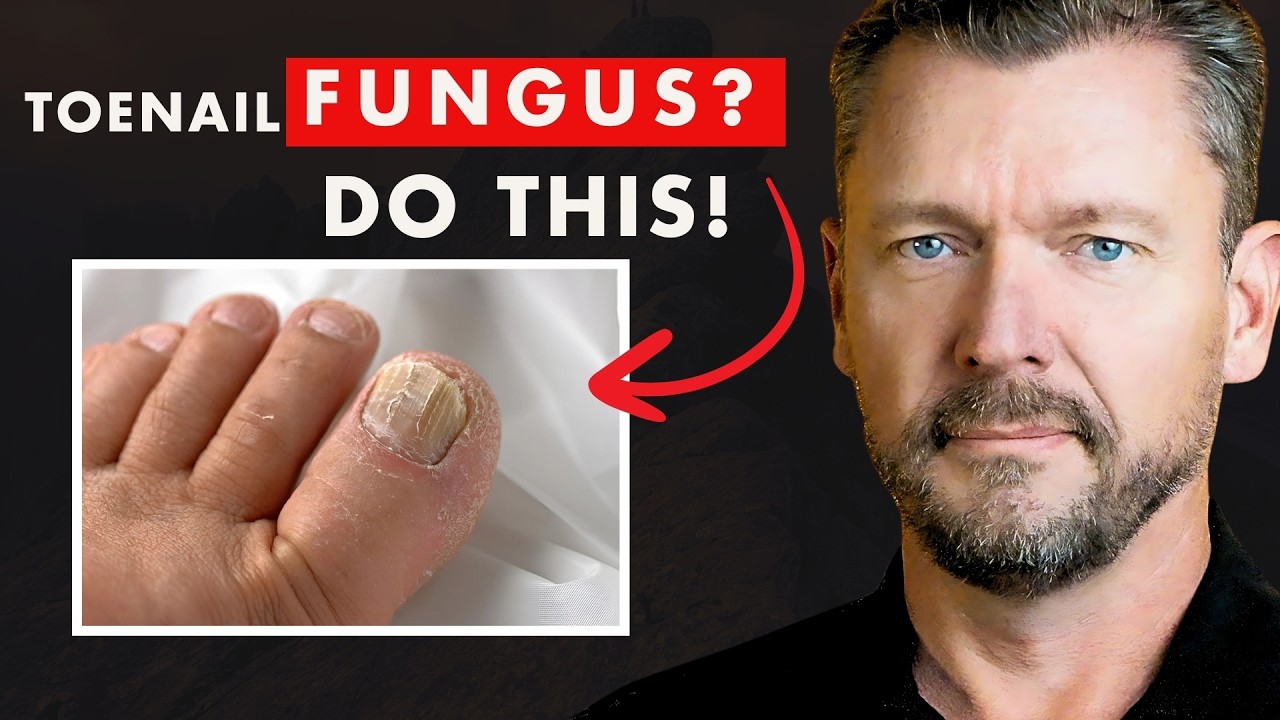
Several conditions can mimic onychomycosis, including nail psoriasis (which causes nail pitting, oil drop discoloration, and lifting without fungal infection), traumatic nail changes from repetitive microtrauma in runners, lichen planus affecting the nails, and nail dystrophy from other skin conditions. Treating nail psoriasis with antifungals is ineffective and delays proper treatment. A definitive diagnosis requires laboratory confirmation—either a KOH preparation (microscopic examination of nail scrapings) or nail culture. Podiatrists and dermatologists can perform these simple in-office tests. Any nail that does not respond to antifungal treatment after an appropriate trial should be re-evaluated for an alternative diagnosis.
Medical References & Sources
- PubMed Research — Tea Tree Oil for Onychomycosis
- Derby R et al. — Novel Treatment of Onychomycosis Using Vicks VapoRub (JABFM 2011)
- American Academy of Dermatology — Nail Fungus Overview and Treatment
Dr. Tom Biernacki, DPM is a board-certified podiatric surgeon at Balance Foot & Ankle in Howell and Bloomfield Township, Michigan. He diagnoses and treats toenail fungus with KOH testing, nail cultures, oral and topical antifungals, laser therapy, and nail avulsion for severe cases.
Dr. Tom’s Recommended Products for Toenail Fungus
📍 Located in Michigan?
Our board-certified podiatrists treat this condition at two convenient locations. Same-day appointments often available.
These are products I personally use and recommend to my patients at Balance Foot & Ankle.
- Kerasal Fungal Nail Renewal — Clinically shown to improve nail appearance in 8 weeks — exfoliates infected nail while delivering active antifungal
- Fungi-Nail Anti-Fungal Pen — Delivers undecylenic acid precisely to nail and surrounding skin — convenient pen applicator for daily treatment
- Lamisil AT Antifungal Cream 1% — Terbinafine — the same active ingredient as prescription oral Lamisil, for skin fungal infections around nails
📧 Get Dr. Tom’s Free Lab Test Guide
Discover the 5 lab tests every person over 35 should ask their doctor about — explained in plain English by a board-certified physician.
Affiliate disclosure: As an Amazon Associate, Balance Foot & Ankle earns from qualifying purchases. We only recommend products we trust for our own patients.
Join 950,000+ Learning About Foot Health
Dr. Tom shares honest medical advice, supplement reviews, and treatment guides you won’t find anywhere else.
Subscribe on YouTube →Insurance Accepted
BCBS · Medicare · Aetna · Cigna · United Healthcare · HAP · Priority Health · Humana · View All →
Howell Office
4330 E Grand River Ave
Howell, MI 48843
Get Directions →
Bloomfield Township Office
43494 Woodward Ave, #208
Bloomfield Township, MI 48302
Get Directions →
Your Board-Certified Podiatrists



Ready to Get Back on Your Feet?
Same-week appointments available at both locations.
Book Your AppointmentMost Common Mistake We See
The most common mistake we see is: Waiting too long before seeking care. Fix: any foot pain lasting more than 4 weeks, or any sudden severe symptom, deserves a professional evaluation rather than more rest.
Warning Signs That Need Same-Day Care
Seek immediate evaluation at Balance Foot & Ankle if you experience any of the following:
- Unable to bear weight
- Severe swelling with skin colour change
- Fever with foot pain (possible infection)
- Diabetes plus any new foot symptom
Call (810) 206-1402 — same-day and next-day appointments at our Howell and Bloomfield Township offices.
Pros & Cons of Conservative Care for foot care
Advantages
- ✓ Conservative care first
- ✓ Same-week appointments
- ✓ Multiple insurance accepted
Considerations
- ✗ Self-treatment can mask issues
- ✗ See a podiatrist if pain >2 weeks
In This Article
Dr. Tom’s Recommended Products for foot care
Affiliate disclosure: As an Amazon Associate, Balance Foot & Ankle earns from qualifying purchases. We only recommend products we use with patients.
Footnanny Heel Cream Dr. Tom’s Pick
Best for: Daily moisturizer for cracked heels
Ready to Get Back on Your Feet?
Same-day appointments in Howell + Bloomfield Township. Most insurance accepted. Dr. Tom Biernacki, DPM & team.
Book Today — Same-Day Appointments Available
Call Now: (810) 206-1402
About Your Care Team at Balance Foot & Ankle
Dr. Tom Biernacki, DPM · Board-Certified Foot & Ankle Surgeon. Specializes in conservative-first care, minimally invasive bunion surgery, and complex reconstruction.
Dr. Carl Jay, DPM · Accepting new patients. Specializes in sports medicine, athletic injuries, and routine podiatric care.
Dr. Daria Gutkin, DPM, AACFAS · Accepting new patients. Specializes in surgical reconstruction and pediatric podiatry.
Locations: 4330 E Grand River Ave, Howell, MI 48843 · 43494 Woodward Ave Suite 208, Bloomfield Township, MI 48302
Hours: Mon–Fri 8:00 AM – 5:00 PM · (810) 206-1402

Dr. Tom Biernacki, DPM is a board-certified foot & ankle surgeon (ABFAS & ABPM) at Balance Foot & Ankle Specialists in Southeast Michigan. With over a decade of clinical experience, he specializes in heel pain, bunions, diabetic foot care, sports injuries, and minimally invasive surgery. Dr. Biernacki is a member of the APMA and ACFAS, and his patient education content on MichiganFootDoctors.com and YouTube has made him one of the most-followed foot & ankle educators on YouTube.
More questions patients ask
What is the best treatment for toenail fungus?
The most effective treatments combine approaches: oral antifungal medication (terbinafine) has a 70-80% cure rate, while laser therapy and topical treatments can be effective for milder cases. Dr. Biernacki develops individualized treatment plans based on severity, number of nails affected, and patient health history. Treatment typically takes 3-6 months due to slow nail growth. Call 810-206-1402 for evaluation.
Is toenail fungus contagious?
Yes, toenail fungus (onychomycosis) is caused by dermatophyte fungi that spread through direct contact and contaminated surfaces. High-risk environments include public pools, gym showers, and locker rooms. Prevention includes wearing shower shoes in public areas, keeping feet dry, using antifungal powder, and not sharing nail tools.
How do I know if I have toenail fungus?
Signs of toenail fungus include yellowing or whitening of the nail, thickening, crumbling edges, separation from the nail bed, and a foul odor. It can be confused with nail psoriasis, trauma, or other conditions, so professional diagnosis is recommended. Dr. Biernacki can confirm the diagnosis and rule out other conditions during an in-office evaluation.
Still have a question about coverage or cost? Book online and we will check your benefits before your visit: Book in Howell · Book in Bloomfield Township. Prefer to talk it through first? Call (810) 206-1402.