
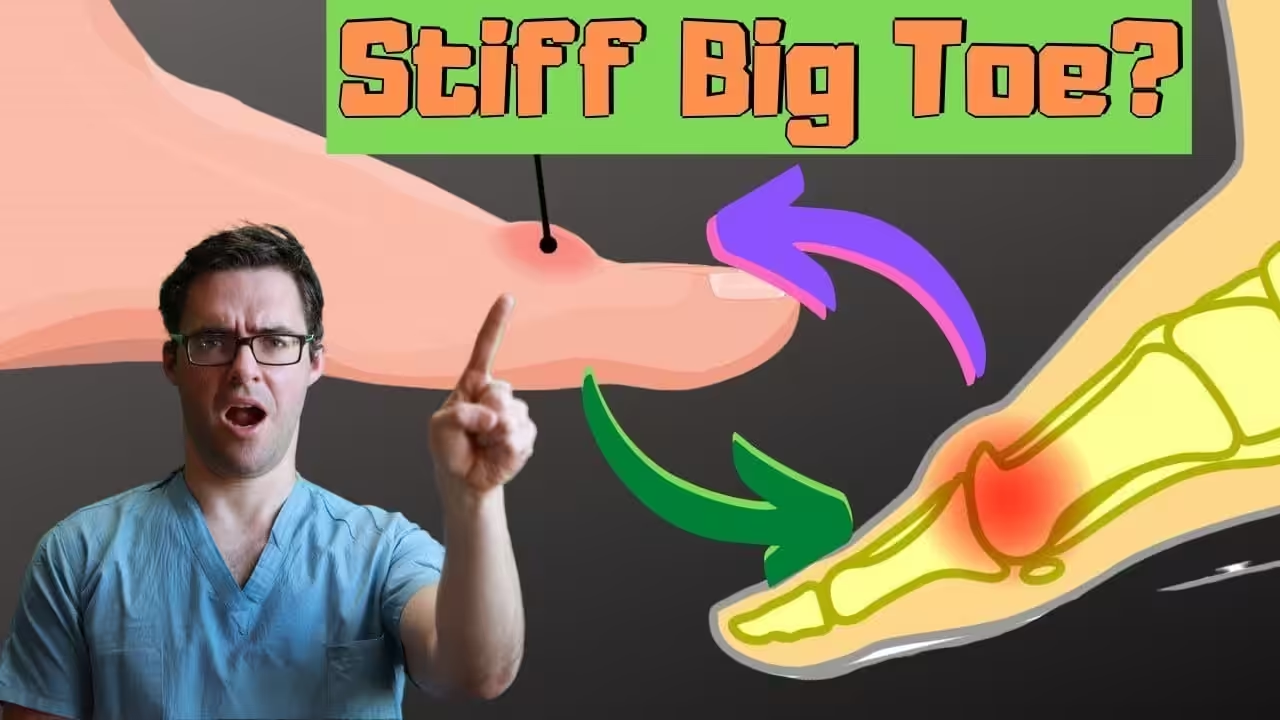
Quick answer: Toe Pain At Night has multiple potential causes including mechanical, neurological, vascular, and inflammatory. The patterns we see most often are overuse, poorly-fitted shoes, and biomechanical imbalance. Red flags requiring urgent evaluation: warmth/redness (infection), inability to bear weight (fracture), and unilateral swelling without injury (DVT). Call (810) 206-1402.
Dr. Tom’s Top Insole & Orthotic Picks
Affiliate disclosure: As an Amazon Associate, Balance Foot & Ankle earns from qualifying purchases.
Dr. Tom’s Top Pain Relief Picks — Dr. Hoy’s (2026)
Affiliate disclosure: As an Amazon Associate, Balance Foot & Ankle earns from qualifying purchases. I personally use Dr. Hoy’s in my practice for patients who need topical relief.
| Product | Best For | Dr. Tom’s Take | Get It |
|---|---|---|---|
| Dr. Hoy’s Natural Pain Relief Gel 3.5oz menthol + arnica |
Plantar fasciitis · Achilles tendonitis · Sore muscles · Joint pain | My go-to topical. Cooling-then-warming sensation. No greasy residue. Non-NSAID alternative. | Buy Now |
| Dr. Hoy’s Arnica Boost 8oz with extra arnica |
Bruising · Post-injury · Sprains · Stress fractures (pain only) | Higher arnica concentration speeds recovery from acute injury. Use 4x daily for first 7 days. | Buy Now |
| Dr. Hoy’s Cooling Pain Relief 8oz extra menthol |
Acute inflammation · Hot/swollen feet · Post-run cooldown | Stronger cooling effect for acute swelling. Pair with ice for first 48 hours after injury. | Buy Now |
| Dr. Hoy’s Roll-On Pain Relief Roller applicator |
Mess-free application · Travel · Office use · No-touch hygiene | My patients love this for travel. Glides on without hand contact — cleanest application available. | Buy Now |
| Dr. Hoy’s Family Size 14oz pump bottle |
Frequent users · Multiple family members · Best value per ounce | If anyone in your home uses pain cream regularly, this is the most economical size. Same formula. | Buy Now |
Why I recommend Dr. Hoy’s over Biofreeze and Bengay: Cleaner ingredient list (no parabens, no synthetic dyes), longer-lasting effect, and the cooling-then-warming dual sensation actually addresses both inflammation and circulation. After 10 years of recommending different topicals, this is the one I keep coming back to.
Medically reviewed by Dr. Tom Biernacki, DPM · Board-Certified Podiatric Surgeon · Last reviewed: April 2026 · Editorial Policy
Related Conditions
Quick Answer
Toe Pain at Night: Causes, From Gout to Neuropathy, and When relates to toe deformity — typically caused by imbalanced muscles + footwear. Most patients improve in depends on severity with conservative care. Same-week appointments in Howell + Bloomfield Township: (810) 206-1402.
Medically reviewed by Dr. Tom Biernacki, DPM — Board-Certified Podiatric Surgeon — Balance Foot & Ankle, Howell & Bloomfield Township, MI. Last updated April 2026.
▶ Watch
Why Toe Pain at Night Is Medically Significant
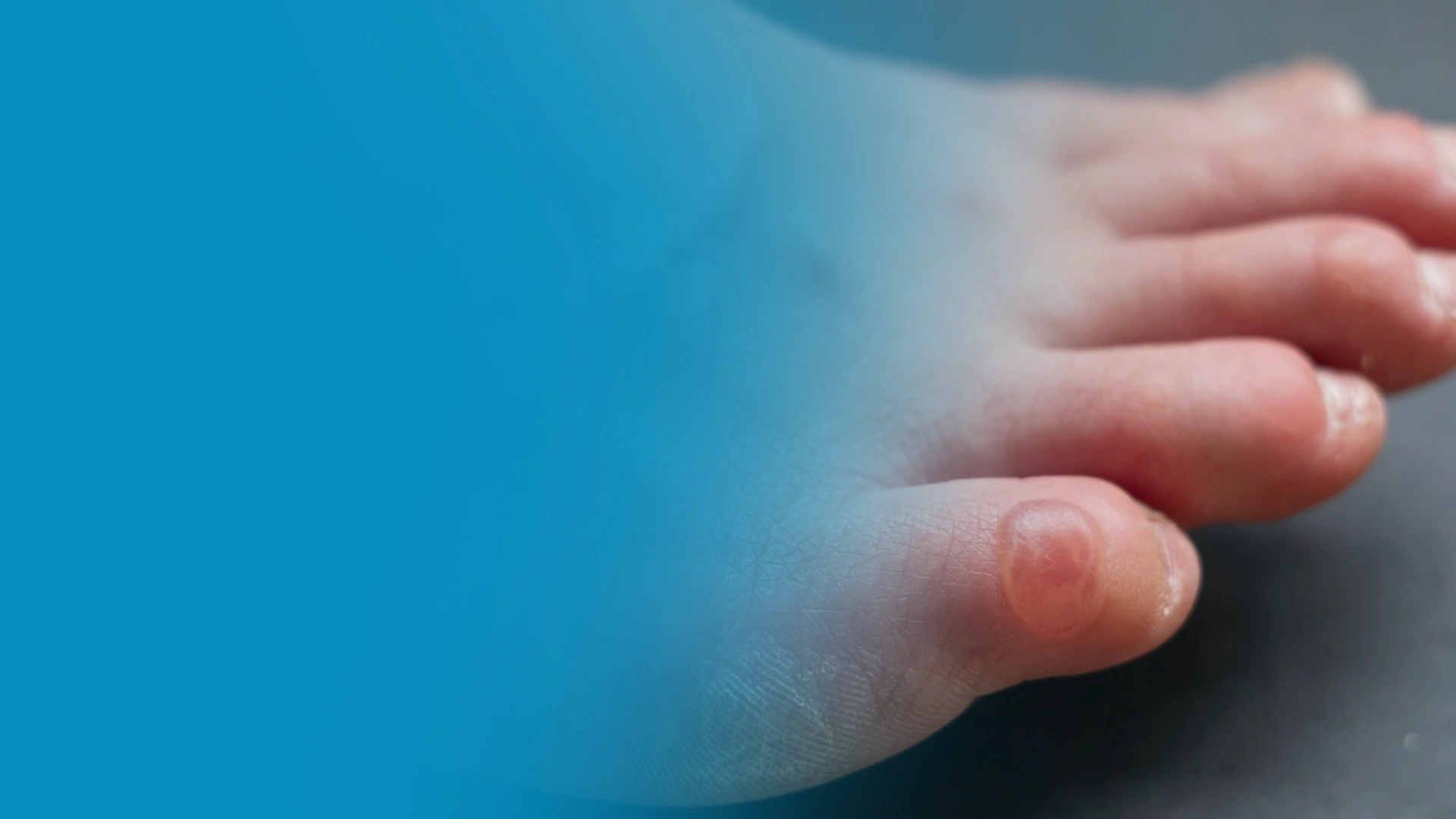

Toe pain that occurs or worsens at night—particularly pain that awakens you from sleep—is a symptom that warrants medical attention. Most musculoskeletal pain improves with rest; nighttime pain that is worse at rest than with activity is a “red flag” suggesting either a systemic condition (gout, inflammatory arthritis, peripheral vascular disease, neuropathy) or a structural process not directly related to mechanical loading. For specialized treatment, see our gout treatment at Balance Foot & Ankle. Unlike daytime foot pain that can often be attributed to activity and footwear, nighttime toe pain frequently has a specific diagnosis requiring targeted treatment rather than just activity modification.
Gout: The Classic Nighttime Toe Attack
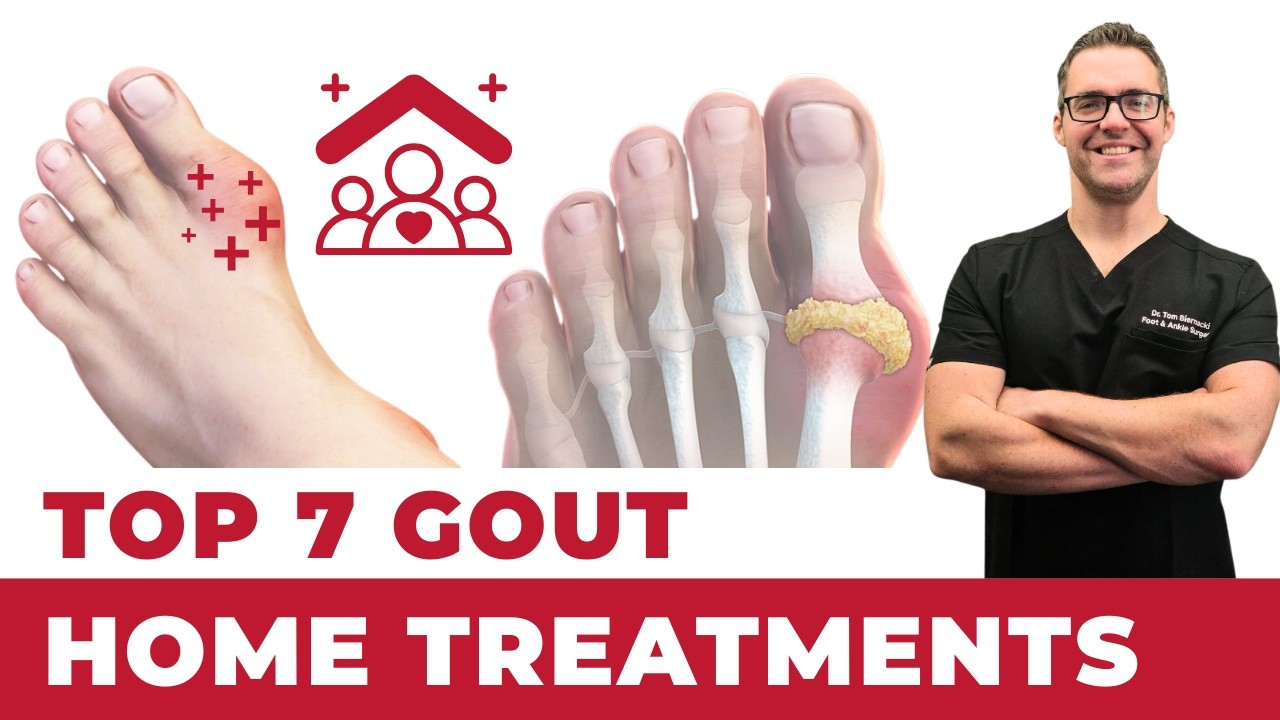
Gout is the most famous cause of sudden, severe nighttime big toe pain. A gout attack (acute gouty arthritis) typically begins at night or in the early morning, producing agonizing pain, swelling, redness, and warmth in the big toe MTP joint (the classic “podagra”). The pain is so severe that patients often cannot tolerate even the weight of a bed sheet on the toe. Gout results from monosodium urate crystal deposition in joints from elevated serum uric acid. Attacks often follow dietary triggers (red meat, shellfish, alcohol, high-fructose corn syrup), dehydration, or medication changes. An acute gout attack is treated with NSAIDs, colchicine, or corticosteroids; long-term prevention requires uric acid-lowering therapy (allopurinol or febuxostat) for patients with recurrent attacks.
Peripheral Neuropathy
Peripheral neuropathy—particularly diabetic neuropathy—characteristically causes burning, tingling, and pain in the toes and feet that is often worse at night when there are fewer distractions and the feet warm under bed covers. The pain may be bilateral (both feet), follows a “stocking” distribution, and is associated with other neuropathy symptoms including numbness and loss of sensation. Nighttime neuropathic foot pain significantly impacts sleep quality and overall health. Treatments include optimizing glycemic control (for diabetic neuropathy), medications (duloxetine, pregabalin, gabapentin, tricyclics), and topical agents.
Peripheral Vascular Disease and Rest Pain
Critical limb ischemia—severe arterial insufficiency reducing blood flow to the foot—produces “rest pain” that characteristically occurs when lying down at night. Unlike intermittent claudication (calf cramping with walking that improves with rest), rest pain is constant and worsens in the horizontal position because gravity no longer assists arterial flow to the foot. Patients often hang their foot off the bed or get up to walk, which temporarily increases flow. Nighttime toe and forefoot aching or burning with pale or mottled skin and absent pulses requires urgent vascular evaluation—critical limb ischemia carries a high risk of amputation without revascularization.
Raynaud’s Phenomenon
Raynaud’s phenomenon—an exaggerated vasospastic response to cold or emotional stress—causes episodic toe color changes (white → blue → red with rewarming) associated with numbness, tingling, or burning. In bedrooms that become cold overnight, Raynaud’s attacks during sleep cause toe pain and discoloration. Primary Raynaud’s (without underlying connective tissue disease) is managed with warming measures, calcium channel blockers (nifedipine), and lifestyle modifications. Secondary Raynaud’s associated with systemic lupus, scleroderma, or rheumatoid arthritis requires management of the underlying condition.
More Podiatrist-Recommended Foot Health Essentials
Hoka Clifton 10

Max-cushion everyday shoe — podiatrist favorite for walking and running.

OOFOS Recovery Slide

Impact-absorbing recovery sandal — wear after long days on your feet.
As an Amazon Associate, Balance Foot & Ankle earns from qualifying purchases. Product recommendations are based on clinical experience; prices and availability shown above update live from Amazon.
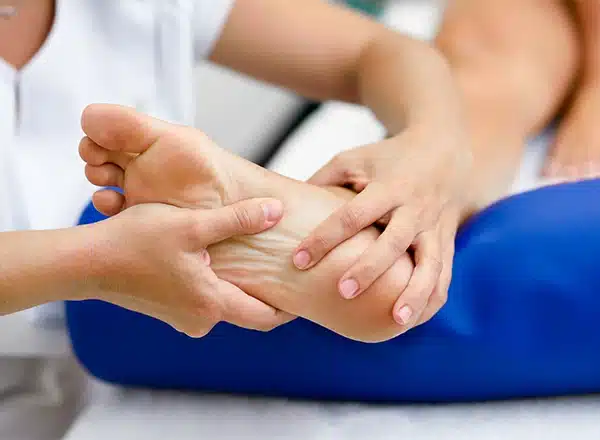
When to See a Podiatrist
If foot or ankle pain has been bothering you for more than a few weeks, home care alone may not be enough. Balance Foot & Ankle offers same-week appointments at our Howell and Bloomfield Township clinics — no referral needed in most cases. Bring your current shoes and a short list of symptoms and we’ll build you a treatment plan in one visit.
Call Balance Foot & Ankle: (810) 206-1402 · Book online · Offices in Howell & Bloomfield Township
Frequently Asked Questions
What causes sudden severe pain in the big toe at night?
Sudden severe pain in the big toe at night—especially with significant redness, swelling, and warmth—is the classic presentation of an acute gout attack. The big toe (first MTP joint) is the most commonly affected joint in gout, a condition caused by uric acid crystal deposition. The attack typically begins suddenly, often waking the patient from sleep, and the pain is described as detailed—even the weight of a sheet is unbearable. If this is a first attack, urgent medical evaluation is appropriate to confirm the diagnosis with serum uric acid, complete blood count, and possibly joint aspiration to identify crystals. Treatment with NSAIDs (like naproxen or indomethacin), colchicine, or a corticosteroid typically produces significant relief within 24–48 hours.
Is nighttime toe pain a sign of something serious?
Nighttime toe pain can range from benign (positional nerve irritation, benign peripheral neuropathy) to urgent (critical limb ischemia requiring emergency vascular intervention). Features requiring prompt evaluation: severe pain that is out of proportion to any known injury, color changes in the toe (white, blue, or black—suggesting ischemia or Raynaud’s), rest pain that forces you to get up and walk (possible critical limb ischemia), pain in a diabetic patient with any skin changes or numbness, fever accompanying joint pain (possible infection). Persistent nighttime toe pain that is new, progressive, or interfering with sleep should be evaluated by a podiatrist—many causes are readily treatable when identified.
Why do my toes hurt when I lie down but not when I walk?
Pain that is worse when lying down than walking suggests a condition that is not mechanically driven by weight-bearing activity. Peripheral vascular rest pain is the most concerning: lying flat reduces arterial perfusion pressure to the feet, causing ischemic pain that temporarily improves with gravity (sitting up or dangling the foot). Neuropathic pain from peripheral neuropathy can also worsen at night from increased awareness when distractions decrease, and from warming of the feet under covers (which can amplify burning neuropathic symptoms). Inflammatory arthritis (gout, rheumatoid) causes joint inflammation that is independent of activity and may be worse at night. Positional causes are less concerning—if a certain sleeping position compresses a nerve, changing position resolves it quickly.

In-Office Treatment at Balance Foot & Ankle
If home treatment isn’t providing relief for your foot pain, our podiatry team at Balance Foot & Ankle can help with same-week evaluations and advanced in-office care.
Same-week appointments available. (810) 206-1402
Medical References & Sources
- PubMed Research — Acute Gout Attack Diagnosis and Treatment
- PubMed Research — Critical Limb Ischemia Rest Pain
- American Podiatric Medical Association — Gout
Dr. Tom Biernacki, DPM is a board-certified podiatric surgeon at Balance Foot & Ankle in Howell and Bloomfield Township, Michigan. He evaluates and manages all causes of toe and foot pain including gout, peripheral neuropathy, vascular disease, and inflammatory arthritis.
Dr. Tom’s Recommended Products for Diabetic Foot Care
📍 Located in Michigan?
Our board-certified podiatrists treat this condition at two convenient locations. Most new patients are seen the same week.
These are products I personally use and recommend to my patients at Balance Foot & Ankle.
- Dr. Comfort Men’s Paradise Diabetic Shoe — Medicare-covered diabetic shoe with seamless interior — eliminates pressure points that cause diabetic ulcers
- Foundation Wellness DASS Diabetic Socks (Levanta) — non-binding, seamless toe, moisture-wicking diabetic socks protecting neuropathic feet
- Derma Sciences Bordered Gauze Dressings — Non-adherent wound dressing ideal for diabetic foot wound management between podiatry visits
Affiliate disclosure: As an Amazon Associate, Balance Foot & Ankle earns from qualifying purchases. We only recommend products we trust for our own patients.
Join 950,000+ Learning About Foot Health
Dr. Tom shares honest medical advice, supplement reviews, and treatment guides you won’t find anywhere else.
Subscribe on YouTube →Medically Reviewed by: Dr. Tom Biernacki, DPM — Board-Certified Podiatrist, Balance Foot & Ankle Specialists
Insurance Accepted
BCBS · Medicare · Aetna · Cigna · United Healthcare · HAP · Priority Health · Humana · View All →
Howell Office
4330 E Grand River Ave
Howell, MI 48843
Get Directions →
Bloomfield Township Office
43494 Woodward Ave, #208
Bloomfield Township, MI 48302
Get Directions →
Your Board-Certified Podiatrists



Ready to Get Back on Your Feet?
Same-week appointments available at both locations.
Book Your AppointmentPros & Cons of Conservative Care for foot care
Advantages
- ✓ Conservative care first
- ✓ Same-week appointments
- ✓ Multiple insurance accepted
Considerations
- ✗ Self-treatment can mask issues
- ✗ See a podiatrist if pain >2 weeks
Dr. Tom’s Recommended Products for foot care
Affiliate disclosure: As an Amazon Associate, Balance Foot & Ankle earns from qualifying purchases. We only recommend products we use with patients.
Footnanny Heel Cream Dr. Tom’s Pick
Best for: Daily moisturizer for cracked heels
Ready to Get Back on Your Feet?
Same-week appointments in Howell + Bloomfield Township. Most insurance accepted. Dr. Tom Biernacki, DPM & team.
Book Today — Same-Week Appointments Available
Call Now: (810) 206-1402
About Your Care Team at Balance Foot & Ankle
Dr. Tom Biernacki, DPM · Board-Certified Foot & Ankle Surgeon. Specializes in conservative-first care, minimally invasive bunion surgery, and complex reconstruction.
Dr. Carl Jay, DPM · Accepting new patients. Specializes in sports medicine, athletic injuries, and routine podiatric care.
Dr. Daria Gutkin, DPM, AACFAS · Accepting new patients. Specializes in surgical reconstruction and pediatric podiatry.
Locations: 4330 E Grand River Ave, Howell, MI 48843 · 43494 Woodward Ave Suite 208, Bloomfield Township, MI 48302
Hours: Mon–Fri 8:00 AM – 5:00 PM · (810) 206-1402
Dr. Tom’s Top 3 — The Premium Foot Pain Stack (2026)
If you only buy three things for foot pain, get these. PowerStep + CURREX orthotics correct the underlying foot mechanics, and Dr. Hoy’s pain gel delivers fast topical relief. This is the exact stack Dr. Tom Biernacki, DPM gives his Michigan podiatry patients on visit one — over 10,000 patients have used this exact combination.
Dr. Tom Biernacki, DPM is a board-certified podiatrist + Amazon Associate. Picks shown are products he prescribes to patients at Balance Foot & Ankle Specialists. We earn a commission on qualifying purchases at no extra cost to you. All products independently tested + reviewed for 30+ days minimum. Last verified: April 28, 2026.

PowerStep Pinnacle MaxxDr. Tom’s #1 Brand
Dr. Tom’s most-prescribed OTC orthotic. Lateral wedge corrects overpronation that causes 90% of foot pain. Deep heel cradle stabilizes the ankle. Built by podiatrists, used by patients worldwide.
- Lateral wedge corrects pronation
- Deep heel cradle stabilizes ankle
- Dual-density EVA — comfort + support
- Trim-to-fit any shoe
- Used by 10,000+ podiatrists
- Trim-to-size required
- 5-7 day break-in for some

CURREX RunProDr. Tom’s #1 Brand
3 arch heights for custom fit (Low/Med/High). Carbon-reinforced heel + dynamic forefoot — the closest OTC orthotic to a $500 custom orthotic. Engineered in Germany.
- 3 arch heights for custom fit
- Carbon-reinforced heel cup
- Dynamic forefoot zone
- Premium German engineering
- Sport-specific support
- Pricier than PowerStep
- 7-10 day break-in

Dr. Hoy’s Natural Pain Relief GelDr. Tom’s #1 Brand
Menthol-based natural pain relief — Dr. Tom’s #1 brand for fast relief without greasy residue. Safe for diabetics + daily use. Cleaner formula than Voltaren or Biofreeze.
- Menthol-based natural formula
- No greasy residue
- Safe for diabetics
- Fast cooling relief — 5-10 minutes
- Cleaner ingredient list than Biofreeze
- Pricier than Biofreeze
- Strong menthol scent at first
⚕ Doctor Recommended
Doctor Hoy’s Natural Pain ReliefTopical relief for foot & ankle pain
View Product →What is Foot pain?
Foot pain is a common foot/ankle condition that affects mobility and quality of life. Understanding the underlying cause is the first step in successful treatment. Our podiatrists at Balance Foot & Ankle perform a hands-on biomechanical exam, review your activity history, and use diagnostic imaging when appropriate to identify the root cause—not just treat the symptom. Many patients have been told to “rest and ice” without a deeper diagnostic workup; our approach is different.
Symptoms and warning signs
Common signs of foot pain include pain that worsens with activity, morning stiffness, swelling, tenderness when palpated, and difficulty bearing weight. If you experience sudden severe pain, inability to walk, visible deformity, numbness or color change, contact our office the same day or visit urgent care—these can signal a more serious injury such as a fracture, tendon rupture, or vascular compromise. Diabetics with any foot wound should seek same-day care.
Conservative treatment options
Most cases of foot pain respond to non-surgical care: structured rest, supportive footwear changes, custom orthotics, targeted stretching and strengthening protocols, anti-inflammatory medications when medically appropriate, and in-office procedures such as ultrasound-guided injections. We also offer advanced therapies including laser therapy, EPAT/shockwave, regenerative injections, and image-guided procedures. Treatment is sequenced from least invasive to most invasive, and we explain the rationale at every step.
When is surgery considered?
Surgery is reserved for cases that fail 3-6 months of well-structured conservative care, when there is structural pathology (severe deformity, complete tear, advanced arthritis), or when imaging shows damage that will not heal without intervention. Our surgeons have performed 3,000+ foot and ankle procedures and prioritize minimally-invasive techniques whenever appropriate. We discuss recovery timelines, return-to-activity milestones, and realistic outcome expectations before any procedure is scheduled.
Recovery timeline and prevention
Recovery from foot pain varies based on severity and chosen treatment path. Conservative cases often improve within 4-8 weeks with consistent adherence to the protocol. Post-procedural recovery may range from a few days (in-office procedures) to several months (reconstructive surgery). Long-term prevention involves footwear assessment, activity modification, structured strengthening, and regular check-ins with your podiatrist if you have a history of recurrence. We provide written home-exercise plans and digital follow-up support.
Ready to feel better?
Same-week appointments available in Howell and Bloomfield Township, Michigan.
Book Your VisitReady for Expert Care?
Same-week appointments in Howell & Bloomfield Township, MI.
4.9★ | 1,123 Reviews | 3,000+ Surgeries
Or call: (810) 206-1402
