

| Treatment | Mechanism | Mycologic Cure Rate | Complete Cure Rate | Treatment Duration |
|---|---|---|---|---|
| Terbinafine (Lamisil) oral | Squalene epoxidase inhibitor; fungicidal | 70-80% | 35-50% complete nail clearing | 12 weeks (fingernail) / 12 weeks (toenail) |
| Itraconazole (Sporanox) oral pulse | Azole; ergosterol synthesis inhibitor | 50-60% | 25-35% | 3 monthly pulse courses (1 wk on, 3 wks off) |
| Efinaconazole (Jublia) topical | Triazole; penetrates nail plate better than older topicals | 50-55% | 17-18% | 48 weeks daily application |
| Tavaborole (Kerydin) topical | Oxaborole; inhibits fungal aminoacyl-tRNA synthetase | 31-35% | 6-10% | 48 weeks daily application |
| Laser (Nd:YAG 1064nm) | Selective photothermolysis heats fungal hyphae | 56-83% (variable studies) | 30-55% in well-controlled studies | 3-4 sessions × 4-6 weeks apart |
| Nail Avulsion + Topical | Removes infected nail; topical direct access to nail bed | Improves topical penetration significantly | Best outcome when combined with oral or laser | Nail avulsion + 48 weeks topical |
| Severity | Description | SCIO Score | Best Treatment | Expected Timeline |
|---|---|---|---|---|
| Mild (<25% nail) | Distal-lateral subungual onychomycosis; small patch | 1-10 | Topical efinaconazole 48 wks OR laser × 3 sessions | 12-18 months to see clear nail (nail grows slowly) |
| Moderate (25-75% nail) | Larger involvement; thickening beginning | 11-20 | Oral terbinafine 12 weeks; consider nail avulsion to enhance penetration | 12-18 months for full clear nail growth |
| Severe (>75% nail; dermatophytoma) | Thick dystrophic nail; yellow-brown; possible dermatophytoma (fungal ball) | 21-30 | Oral terbinafine + nail debridement; nail avulsion if dermatophytoma present | 18-24 months; recurrence common in severe cases |
| Total Dystrophic Onychomycosis | Entire nail plate destroyed; candidal or mold involvement possible | 30 | Culture + sensitivity first; targeted oral antifungal based on organism | 24+ months; consider permanent nail removal if recurrent |
Quick answer: Treatment for nail fungus onychomycosis treatment guide podiatrist follows a stepwise approach: 1) conservative care first (rest, ice, supportive footwear, OTC anti-inflammatories), 2) physical therapy and targeted exercises, 3) in-office treatments (injections, custom orthotics) if conservative fails at 4-6 weeks, 4) surgery for refractory cases. Most patients resolve at step 1 or 2. Call (810) 206-1402.
Medically Reviewed | Dr. Tom Biernacki, DPM | Board-Certified Podiatric Surgeon | Balance Foot & Ankle, Michigan

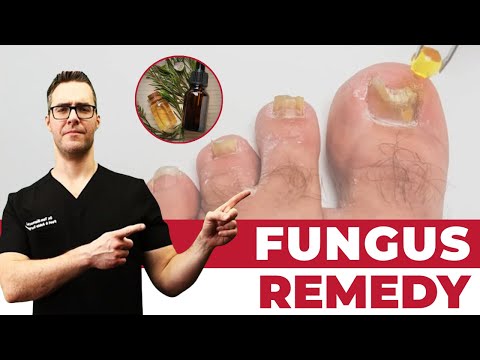
Watch: Tea Tree Oil Toenail Fungus Home Treatment [Doctor Cure!] — MichiganFootDoctors YouTube
The most important clinical decision with Nail Fungus Onychomycosis Treatment Guide Podiatrist isn’t which treatment to start with — it’s identifying the correct subtype. That changes everything. Call (810) 206-1402.
Understanding Onychomycosis
Onychomycosis — toenail fungal infection — affects approximately 10% of the general population and up to 50% of adults over 70. The causative organism in over 90% of cases is a dermatophyte, most commonly Trichophyton rubrum, which invades the nail plate through micro-trauma and warm, moist environments. The resulting infection causes progressive nail thickening, yellowing, darkening, brittleness, and separation from the nail bed (onycholysis). Beyond cosmetics, onychomycosis causes pain with shoe wear, difficulty trimming nails, and serves as a reservoir for tinea pedis (athlete’s foot) and skin infections — particularly dangerous in diabetic patients.
Confirming the Diagnosis: Why Lab Testing Matters
Not all discolored, thickened toenails are fungal. Psoriatic nail disease, traumatic onycholysis, onychogryphosis (ram’s horn nail), and lichen planus all mimic onychomycosis clinically. Treating presumed fungus without laboratory confirmation wastes months of treatment on the wrong condition. Dr. Biernacki sends nail clippings or subungual debris for periodic acid-Schiff (PAS) staining and culture — the combined sensitivity exceeds 95%. PCR-based fungal testing provides rapid species identification, important for selecting the appropriate antifungal agent.
Topical Antifungal Medications
Prescription topical antifungals — efinaconazole (Jublia) and tavaborole (Kerydin) — are the most effective topical options, achieving mycological cure in 50–55% of patients with once-daily application for 48 weeks. OTC topical products containing ciclopirox, clotrimazole, or terbinafine have much lower cure rates for established onychomycosis. Topicals work best for distal lateral subungual onychomycosis involving less than 50% of the nail plate, without matrix involvement. They are the preferred option for patients who cannot take oral antifungals due to liver disease or drug interactions.
Oral Antifungal Medications
Oral terbinafine (Lamisil) — 250 mg daily for 12 weeks — achieves mycological cure in approximately 70–80% of dermatophyte onychomycosis cases, making it the most effective single treatment for toenail fungus. Itraconazole (pulse dosing: 200 mg twice daily for one week per month for 3 months) is a second-line option with comparable efficacy. Liver function testing before and during treatment is recommended — hepatotoxicity is rare but serious. Complete clinical cure (normal nail regrowth) takes 12–18 months after mycological cure, as the nail must grow out entirely.
Laser Treatment and Prevention
Nd:YAG laser treatment for onychomycosis delivers targeted thermal energy through the nail plate to eliminate fungal elements. Current evidence shows moderate mycological cure rates (30–50%) — inferior to oral terbinafine but without systemic drug exposure. Laser is most appropriate for patients who cannot or will not take oral antifungals. Prevention includes keeping feet dry, wearing moisture-wicking socks, using antifungal powder in shoes, and replacing old footwear that may harbor fungal spores. Diabetic patients should prioritize treating onychomycosis aggressively as thick nails cause pressure injuries.
Dr. Tom's Product Recommendations

Fungi-Nail Anti-Fungal Pen
⭐ Highly Rated
OTC topical antifungal applicator for early or superficial toenail fungus management between prescription treatment courses.
Dr. Tom says: “OTC antifungal products like Fungi-Nail work best for very early, superficial fungal changes or for prevention. They’re not effective for established moderate-severe onychomycosis — that requires prescription strength.”
Very early toenail discoloration or as prevention after clearing established infection
Established thick, discolored toenails involving the full nail plate — see a podiatrist for prescription treatment
Disclosure: We earn a commission at no extra cost to you.

Zeasorb Antifungal Powder
⭐ Highly Rated
Antifungal absorbing powder for daily use in shoes to prevent dermatophyte reinfection after onychomycosis treatment.
Dr. Tom says: “Reinfection from shoes and socks is one of the main reasons onychomycosis recurs after successful treatment. Zeasorb powder used daily in shoes is an essential prevention step — I recommend it to all post-treatment patients.”
Prevention of onychomycosis reinfection after completing treatment course
Active toenail fungus infections — this is a preventive adjunct, not primary treatment
Disclosure: We earn a commission at no extra cost to you.
✅ Pros / Benefits
- Oral terbinafine achieves 70–80% mycological cure — highly effective
- Lab confirmation before treatment prevents months of misdirected therapy
- Prevention with antifungal powder dramatically reduces recurrence
❌ Cons / Risks
- Clinical nail appearance takes 12–18 months to fully normalize
- Recurrence after successful treatment is 20–25% at 5 years
- Oral antifungals require liver function monitoring
Dr. Tom Biernacki’s Recommendation
Toenail fungus is the condition where I see the most patient self-treatment frustration. OTC products rarely cure established onychomycosis — they create the illusion of trying while the infection advances. Lab confirmation and prescription treatment are the only reliable path to cure. And don’t stop treatment the moment the nail looks better — the full course is needed to prevent relapse.
— Dr. Tom Biernacki, DPM | Board-Certified Podiatric Surgeon | Balance Foot & Ankle
Frequently Asked Questions
Does OTC nail fungus treatment work?
OTC topical products have very low cure rates (10–20%) for established toenail fungus. Prescription topicals (efinaconazole, tavaborole) are significantly more effective. Oral terbinafine is the most effective single treatment at 70–80% cure.
How long does toenail fungus take to go away?
Mycological cure (killing the fungus) takes 3 months of oral terbinafine. The nail must then grow out completely — this takes 12–18 months before the nail looks fully normal. Patience is essential.
Is toenail fungus contagious?
Yes — dermatophyte fungi spread person-to-person in shared shower and pool areas. Family members of infected patients have elevated risk. Wearing flip-flops in public showers is the best prevention.
When should a diabetic patient see a podiatrist for toenail fungus?
Immediately — thick fungal toenails cause pressure injuries and hide subungual ulcers in diabetic patients. Treating onychomycosis in diabetic patients is a medical necessity, not just cosmetic care.
Michigan Foot Pain? See Dr. Biernacki In Person
4.9★ rated | 1,123 Reviews | 3,000+ Surgeries
Same-week appointments · Howell & Bloomfield Township
Frequently Asked Questions
How long does treatment take to work?
Most patients see improvement in 4-8 weeks with consistent conservative care. Persistent symptoms after 8 weeks need imaging and escalation.
When is surgery needed?
Surgery is reserved for cases that fail 3-6 months of conservative care, structural deformities, or fractures requiring stabilization.
Is this covered by insurance?
Most diagnostic visits and conservative treatments are covered by Medicare and major insurers. Custom orthotics often require diabetic or post-surgical justification.
In-Office Treatment at Balance Foot & Ankle
If home treatment isn’t providing relief for your toenail fungus, our podiatry team at Balance Foot & Ankle can help with same-day evaluations and advanced in-office care.
Same-day appointments available. (810) 206-1402
Learn about our toenail fungus laser treatment → | Book online →
Doctor Hoy’s Natural Pain Relief Gel
Natural topical pain relief I use in our clinic. Arnica + camphor formula — apply directly to the area 3–4x daily. ($20–25)

Dr. Tom Biernacki, DPM is a double board-certified podiatrist and foot & ankle surgeon at Balance Foot & Ankle Specialists in Southeast Michigan. With over a decade of clinical experience, he specializes in heel pain, bunions, diabetic foot care, sports injuries, and minimally invasive surgery. Dr. Biernacki is a member of the APMA and ACFAS, and his patient education content on MichiganFootDoctors.com and YouTube has reached over one million views.
- Diagnosis and Treatment of Plantar Fasciitis (PubMed / AAFP)
- Heel Pain (APMA)
- Hallux Valgus (Bunions): Evaluation and Management (PubMed)
- Bunions (Mayo Clinic)
Recommended Products from Dr. Tom
Dr. Tom Biernacki, DPM is a board-certified foot & ankle surgeon (ABFAS & ABPM) at Balance Foot & Ankle Specialists in Southeast Michigan. With over a decade of clinical experience, he specializes in heel pain, bunions, diabetic foot care, sports injuries, and minimally invasive surgery. Dr. Biernacki is a member of the APMA and ACFAS, and his patient education content on MichiganFootDoctors.com and YouTube has made him one of the most-followed foot & ankle educators on YouTube.
More questions patients ask
What is the most effective treatment for nail fungus?
Treatment efficacy ranking for onychomycosis: Oral terbinafine (Lamisil) — 70–80% mycological cure, 12-week course, most effective single treatment; Oral itraconazole pulse therapy — 60–70% cure, alternative for terbinafine-intolerant patients; Combination oral plus topical antifungal — highest cure rates (up to 85%) for severe or recalcitrant cases; Topical efinaconazole (Jublia) or tavaborole (Kerydin) — 15–55% cure as monotherapy, 52-week application daily; Laser therapy (Nd:YAG) — 30–60% mycological cure, no drug interactions; Nail avulsion followed by topical — increases drug penetration to nail bed. For severe cases involving more than 50% of the nail with dermatophytoma, oral treatment is essential.
How long does nail fungus take to fully clear?
Even with 100% effective treatment (fungus completely eradicated), a toenail requires 12–18 months to fully grow out and appear clear — because toenails grow approximately 1–1.5mm per month. Treatment with oral terbinafine for 12 weeks kills the fungus, but the affected nail continues to look abnormal until it's fully replaced by new, clear nail growth. Patients starting treatment should understand they will not see a 'clear' nail until 12–18 months after beginning therapy, regardless of whether the treatment worked. Monthly podiatry debridement (thinning and trimming) accelerates visual improvement during this period.
Do I need a liver test before taking terbinafine for nail fungus?
Yes — baseline liver function tests (LFTs) are recommended before starting oral terbinafine, and should be repeated at 6 weeks if the patient has risk factors (prior liver disease, heavy alcohol use, multiple medications). The risk of clinically significant terbinafine-induced hepatotoxicity is approximately 1 in 45,000–120,000 patients — rare, but serious. Most practitioners obtain a CBC and LFT panel before prescribing. Terbinafine is contraindicated in patients with active liver disease. This monitoring requirement should not deter appropriate patients from taking the most effective available treatment — the benefit-risk ratio is highly favorable for otherwise healthy patients.
Why does nail fungus keep coming back after treatment?
Nail fungus recurrence has multiple causes: Incomplete eradication — despite clinical cure, dormant fungal spores in the nail matrix or nail folds resume growth; Shoe reservoir — fungal spores survive in old shoes for 18+ months; Athlete's foot reservoir — concurrent tinea pedis (between toes) is a constant source of reinfection; Environmental reexposure — barefoot in locker rooms, shared showers, public pools; and Immunosuppression — diabetes, immunosuppressive medications, advanced age. Preventing recurrence requires: daily antifungal powder in shoes, replacing old shoes, treating concurrent athlete's foot, and protective footwear in public areas.
Still have a question about coverage or cost? Call (810) 206-1402 and we will check your benefits before you come in — or book online: Book in Howell · Book in Bloomfield Township