
![Peripheral Neuropathy Home Remedies [Leg & Foot Nerve Pain Treatment] | Balance Foot & Ankle](https://www.michiganfootdoctors.com/uploads/2021/03/peripheral-neuropathy-home-remedies-leg-foot-nerve-pain-treatment.avif)
| Nerve Condition | Location | Symptom Character | Key Diagnostic Test | First-Line Treatment |
|---|---|---|---|---|
| Diabetic Peripheral Neuropathy | Bilateral; stocking distribution | Burning, numbness, tingling; worse at night | Monofilament + NCV/EMG | Glucose control, gabapentin, duloxetine |
| Morton’s Neuroma | 3rd–4th interspace (most common) | Burning/shooting to toes; worsened by narrow shoes | Mulder’s click test + ultrasound | Metatarsal pad, wider shoes, corticosteroid injection |
| Tarsal Tunnel Syndrome | Medial ankle → plantar foot | Burning/tingling along arch + plantar foot | Tinel’s test at tarsal tunnel + NCV | Orthotics (pronation control), injection, surgical release |
| Baxter’s Neuritis | Medial heel (1st branch LPN) | Burning medial heel; heel pain variant (10–15% of heel pain) | Ultrasound-guided injection response | Orthotics, injection; surgical decompression if refractory |
| Sural Nerve Entrapment | Lateral ankle/foot | Burning lateral foot; history of ankle sprain | Tinel’s lateral ankle; NCV | Scar release, orthotics, surgical decompression |
| Peroneal Nerve Palsy | Lateral leg → dorsal foot | Foot drop + lateral/dorsal numbness | EMG/NCV; MRI fibula head | AFO; surgical decompression at fibular head |
| Small Fiber Neuropathy | Distal bilateral; stocking pattern | Burning; normal large-fiber NCV | Skin punch biopsy (intraepidermal nerve fiber density) | Alpha-lipoic acid, pain medications, treat underlying cause |
| Medication / Therapy | Mechanism | Conditions | NNT (Number Needed to Treat) | Key Side Effects |
|---|---|---|---|---|
| Gabapentin (Neurontin) | Calcium channel modulation; reduces ectopic firing | DPN, small fiber, post-surgical | 5–6 for 50% pain relief | Sedation, dizziness, weight gain |
| Pregabalin (Lyrica) | Same as gabapentin; more predictable absorption | DPN, fibromyalgia, post-herpetic | 4–5 | Sedation, edema, addiction potential |
| Duloxetine (Cymbalta) | SNRI; reduces central pain sensitization | DPN — FDA approved | 5–6 | Nausea, fatigue, elevated BP |
| Tricyclic Antidepressants | Sodium channel block + norepinephrine reuptake | DPN, post-surgical nerve pain | 3–4 (most effective class) | Cardiac, anticholinergic, sedation |
| Topical Capsaicin (8%) | TRPV1 desensitization; defunctionalization of nociceptors | Post-herpetic, small fiber | 8–10 | Application site burning |
| Lidocaine Patch (5%) | Local sodium channel block | Post-herpetic, focal neuropathy | 4–5 | Minimal systemic |
| Alpha-Lipoic Acid (600 mg/d) | Antioxidant; reduces oxidative stress in nerve | DPN (IV evidence strong; oral moderate) | 7–8 for oral | Minimal; GI upset at high doses |
| Corticosteroid Injection | Reduces perineural inflammation and edema | Morton’s, tarsal tunnel, Baxter’s | Not applicable (anatomic) | Tissue atrophy if repeated; glucose spike |
Nerve pain in the foot has 6 main causes — neuropathy, Morton’s neuroma, tarsal tunnel, Baxter’s nerve entrapment, sural neuritis, or referred from the back. Pinpointing the cause is the first step to relief.
You’re in the right place. Dr. Tom Biernacki, DPM, FACFAS — board-certified foot & ankle surgeon with 3,000+ surgeries — explains exactly what foot nerve pain means and what works. Call (810) 206-1402 for same-day appointment at Howell or Bloomfield Hills.

Foot pain isn't resolving?
Same-week appointments at Howell & Bloomfield Hills
Board-Certified Podiatric Foot & Ankle Surgeon · Last reviewed: May 4, 2026
Medically Reviewed | Dr. Tom Biernacki, DPM | Board-Certified Podiatric Surgeon | Balance Foot & Ankle, Michigan
Related Conditions
In This Article
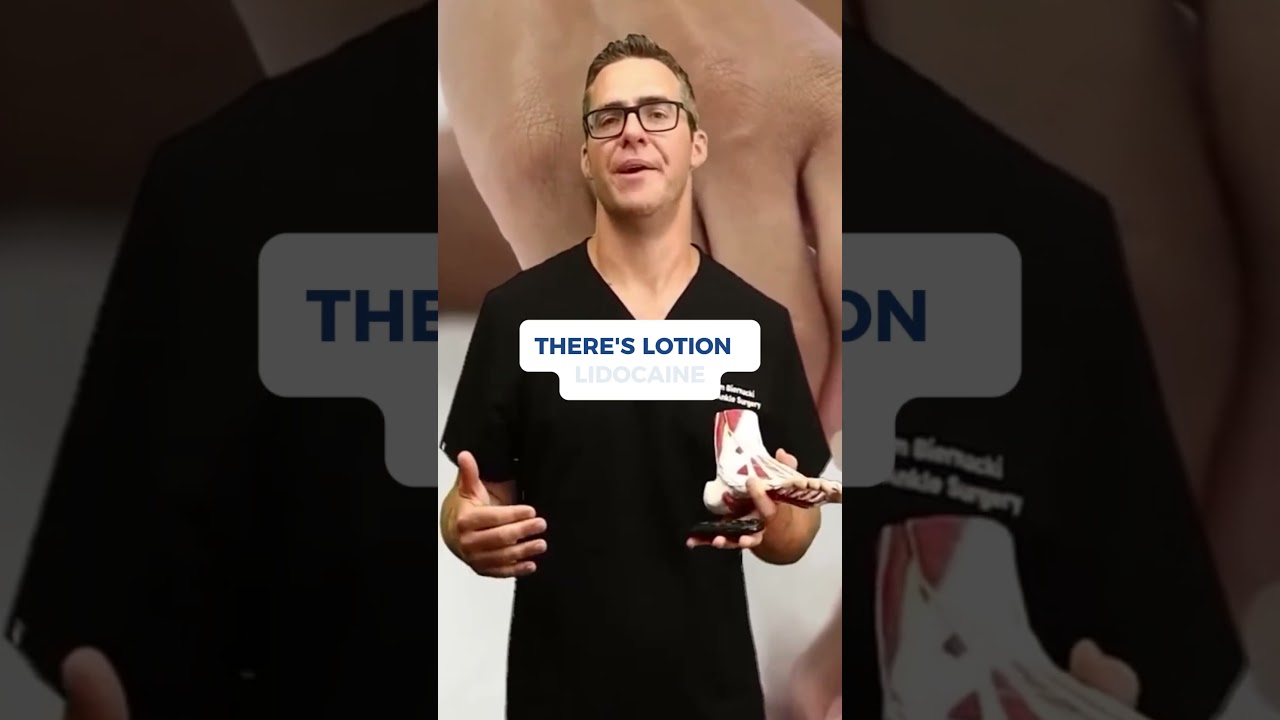

Diagnosing Foot Nerve Pain: Not All Neuropathy Is the Same
Foot nerve pain encompasses a spectrum of conditions with very different causes, distributions, and treatments. “My feet burn” or “my toes feel numb” — these symptoms could represent Morton’s neuroma (a localized nerve tumor), tarsal tunnel syndrome (nerve compression at the ankle), peripheral neuropathy (systemic nerve damage from diabetes or other causes), or radiculopathy (nerve pain referred from the lumbar spine). Treating the wrong diagnosis with the right treatment produces no result; accurate diagnosis is the prerequisite for effective care.
Morton’s Neuroma
Morton’s neuroma is not a true neuroma — it is perineural fibrosis and nerve enlargement of the interdigital nerve, most commonly between the third and fourth metatarsal heads. It produces burning, sharp, or electric shock pain in the ball of the foot, often with numbness radiating into the affected toes. Symptoms are typically worse in tight shoes and relieved by removing shoes. Diagnostic ultrasound confirms the diagnosis by visualizing the enlarged nerve in the intermetatarsal space. Treatment: metatarsal pad offloading, wider footwear, corticosteroid or alcohol sclerosing injection, and surgical neurectomy for refractory cases.
Tarsal Tunnel Syndrome
Tarsal tunnel syndrome is compression of the tibial nerve (or its branches — the medial and lateral plantar nerves) as it passes through the tarsal tunnel behind and below the medial malleolus. It produces burning, tingling, and numbness along the plantar foot, sometimes extending into the heel. Differential diagnosis from plantar fasciitis is important — both produce heel and arch pain, but tarsal tunnel has positive Tinel’s sign at the medial ankle. EMG/NCV studies confirm the diagnosis and localize the compression. Treatment: orthotics to reduce pronation-related nerve tension, corticosteroid injection into the tarsal tunnel, and surgical release for refractory cases.
Peripheral Neuropathy
Peripheral neuropathy — diffuse nerve damage affecting the feet — is most commonly caused by diabetes (diabetic peripheral neuropathy, DPN) but also occurs with alcohol abuse, B12 deficiency, hypothyroidism, and idiopathic causes. DPN affects 50% of diabetics with 20+ years of disease duration. Symptoms: symmetrical burning, numbness, and tingling worst at night, progressing from toes toward the ankle (“stocking distribution”). Unlike focal nerve compression, peripheral neuropathy does not compress along a single nerve territory. Management: optimal glycemic control, neurostabilizing medications (gabapentin, pregabalin, duloxetine), topical capsaicin or lidocaine, and meticulous preventive foot care to prevent neuropathic ulceration.
Baxter’s Nerve Entrapment
Baxter’s nerve (first branch of the lateral plantar nerve) entrapment is an underdiagnosed cause of chronic heel pain — present in 10–15% of chronic heel pain cases. It produces medial heel pain with radiation into the lateral heel and arch, often coexisting with plantar fasciitis. Diagnosis requires clinical identification of Tinel’s sign at the abductor hallucis muscle and EMG confirmation. Treatment: medial arch orthotics, corticosteroid injection, and surgical decompression when conservative management fails.
Dr. Tom's Product Recommendations

PowerStep Pinnacle’s Ball of Foot Cushions
⭐ Highly Rated
Targeted cushion pads for Morton’s neuroma and metatarsalgia offloading. Self-adhesive, fits any shoe. Reduces pressure on the interdigital nerve while waiting for injection therapy or orthotics.
Dr. Tom says: “”Dr. Biernacki diagnosed my Morton’s neuroma and recommended these while scheduling my injection. They took the edge off the burning pain significantly.””
Morton’s neuroma, metatarsalgia, interdigital nerve pain offloading
Not for tarsal tunnel or peripheral neuropathy — those require different management
Disclosure: We earn a commission at no extra cost to you.

Skechers GOwalk 6 Comfort Slip-On
⭐ Highly Rated
Extra-wide walking shoe with Air Cooled Goga Mat insole. Wide forefoot reduces interdigital nerve compression in Morton’s neuroma. Lightweight for neuropathic patients requiring cushioning.
Dr. Tom says: “”My neuropathy makes tight shoes unbearable. These Skechers with the wide toe box are the only shoes I can wear comfortably all day.””
Morton’s neuroma, peripheral neuropathy, wide foot requirement, daily walking
Not for patients requiring structured arch support or motion control
Disclosure: We earn a commission at no extra cost to you.
✅ Pros / Benefits
- Systematic differential diagnosis distinguishing neuroma from tarsal tunnel from neuropathy
- Diagnostic ultrasound for Morton’s neuroma confirmation and injection guidance
- Alcohol sclerosing injection series as surgery-sparing option for neuromas
- Coordinates EMG/NCV for tarsal tunnel and Baxter’s nerve diagnosis
❌ Cons / Risks
- Peripheral neuropathy management requires primary care coordination for glycemic control
- Surgical neurectomy occasionally necessary for refractory Morton’s neuroma
Dr. Tom Biernacki’s Recommendation
Foot nerve pain is one of the most misdiagnosed conditions I see. Patients arrive with ‘neuropathy’ labeled from urgent care when they have Morton’s neuroma — or with ‘plantar fasciitis’ when they have Baxter’s nerve entrapment. The treatment is completely different. Taking the time to get the right diagnosis isn’t just good medicine — it’s the only way to actually help the patient.
— Dr. Tom Biernacki, DPM | Board-Certified Podiatric Surgeon | Balance Foot & Ankle
Frequently Asked Questions
What does nerve pain in the foot feel like?
Nerve pain in the foot has characteristic qualities that help localize the source: burning or electric shock pain suggests active nerve irritation; numbness and tingling suggest nerve compression; pain that is worse in shoes and relieved by removing them suggests Morton’s neuroma; symmetrical burning worst at night suggests peripheral neuropathy; radiating pain from the ankle into the arch suggests tarsal tunnel syndrome.
Can a podiatrist treat neuropathy?
Yes — podiatrists are front-line neuropathy managers for the foot. Dr. Biernacki provides neuropathy examination (monofilament, vibratory, protective sensation testing), prescribes therapeutic diabetic footwear and inserts, manages neuropathic wounds, and coordinates with endocrinology and neurology for systemic management. Preventive foot care in neuropathic patients prevents the ulceration and amputation that represent neuropathy’s most serious consequences.
How is Morton’s neuroma treated without surgery?
Non-surgical Morton’s neuroma management includes: wide-toe-box footwear, metatarsal pad orthotic offloading, corticosteroid injection into the intermetatarsal space under ultrasound guidance, and alcohol sclerosing injection series (4% alcohol, 4–6 weekly injections). Surgery (neurectomy) is reserved for patients who fail comprehensive conservative management.
Is foot numbness serious?
Foot numbness warrants evaluation, especially in diabetics — reduced protective sensation dramatically increases ulceration risk. In non-diabetics, new-onset foot numbness can represent peripheral neuropathy, radiculopathy, tarsal tunnel syndrome, or Morton’s neuroma. Evaluation establishes the diagnosis and identifies any reversible causes (B12 deficiency, medication side effects, thyroid disease).
Michigan Foot Pain? See Dr. Biernacki In Person
4.9★ rated | 1,123 Reviews | 3,000+ Surgeries
Same-week appointments · Howell & Bloomfield Hills
📞 (810) 206-1402 Book Online →Frequently Asked Questions
When should I see a doctor?
See a podiatrist if pain persists past 2 weeks, prevents normal activity, or is accompanied by red-flag symptoms (warmth, swelling, numbness, inability to bear weight).
Can I treat this at home?
Mild cases respond to RICE protocol (rest, ice, compression, elevation), supportive shoes, and OTC anti-inflammatories. Persistent symptoms need professional evaluation.
How long does it take to heal?
Most soft tissue injuries resolve in 2-6 weeks with appropriate care. Bone injuries take 6-12 weeks. Chronic conditions need longer-term management.
Frequently Asked Questions
When should I see a podiatrist?
See a podiatrist if: foot or ankle pain has lasted more than 2–4 weeks without improvement, you’re changing your gait to avoid pain, you have an open wound or sore that isn’t healing, you notice nail discoloration or thickening, you have diabetes and any foot concern, or pain is severe enough to wake you at night. Most foot conditions are easier and cheaper to treat early — what starts as a minor issue can become a surgical problem with months of delay.
What is the difference between a podiatrist and an orthopedic surgeon?
Podiatrists (DPM — Doctor of Podiatric Medicine) specialize exclusively in the foot, ankle, and lower leg. Orthopedic surgeons (MD/DO) have broader musculoskeletal training but variable foot/ankle subspecialization. For foot and ankle-specific problems, a podiatrist often has more focused training and experience. For injuries involving the leg above the ankle, complex pediatric cases, or multi-level reconstruction, orthopedic consultation may be appropriate. We frequently co-manage patients with orthopedic colleagues.
How do I know if my foot pain is serious?
Signs that warrant same-day or next-day evaluation: severe pain that appeared suddenly without clear cause, swelling, redness, and warmth that appeared suddenly (possible gout, infection, or Charcot fracture), an open wound that looks infected (redness spreading, pus, warmth), inability to bear weight, or any foot problem in a diabetic patient. Pain that’s been present for weeks and is stable is important but not an emergency — schedule within 1–2 weeks.
Can foot problems cause back and knee pain?
Yes — this is a kinetic chain effect. Abnormal foot mechanics (overpronation, supination, leg length discrepancy) cause compensatory changes in knee, hip, and lumbar alignment. Roughly 30% of patients presenting to our clinic with knee pain have a treatable foot-level biomechanical cause. Correcting foot mechanics with orthotics or appropriate footwear often provides significant knee and back relief. If you have chronic knee or back pain and haven’t had your foot mechanics evaluated, it’s worth a consult.
Are orthotics worth it?
For the right conditions, yes — custom orthotics are among the most cost-effective interventions in podiatry. They’re most effective for: plantar fasciitis, flat feet with secondary knee/back pain, leg length discrepancy, metatarsalgia, posterior tibial tendon dysfunction, and diabetic foot pressure management. Quality OTC orthotics ($35–60) resolve symptoms for 60% of patients with mild-to-moderate conditions. Custom orthotics are appropriate when OTC options have failed or when the biomechanical problem is complex. We cast custom orthotics in-office.
How do I choose the right running shoes?
Start with your foot type (flat, neutral, high arch) and running pattern (overpronator, neutral, supinator). Flat feet and overpronators do best in stability or motion-control shoes. Neutral feet do well in neutral-cushioned shoes. High arches need maximum cushioning with flexible soles. Always buy running shoes at the end of the day (foot swelling peaks then), get properly fitted by a specialist, and replace every 300–500 miles. If you’ve been injured repeatedly, a gait analysis can identify the mechanical flaw driving your injury pattern.
What is the difference between a sprain and a fracture?
A sprain is a ligament injury (the tissue connecting bones); a fracture is a break in the bone itself. Both can occur with the same trauma (ankle roll, fall). The old test — ‘if you can walk, it’s not broken’ — is wrong; many fractures are initially weight-bearable. Key differences: a fracture typically produces localized bone tenderness along the bone itself, while a sprain is tender over the ligament. X-ray is the standard to differentiate. High-grade sprains without proper treatment can be as disabling as fractures.
How do I prevent foot and ankle injuries?
The four most impactful prevention strategies: (1) Supportive, appropriately fitted footwear for your foot type and activity. (2) Gradual activity progression — the 10% rule (never increase weekly mileage or intensity by more than 10%). (3) Regular calf and ankle mobility work. (4) Strengthening the posterior tibial tendon, peroneals, and intrinsic foot muscles. Most overuse injuries are preventable; most acute injuries are not — but ankle sprain recurrence (60–70% without rehab) is prevented by balance and proprioception training.
Doctor Hoy’s Natural Pain Relief Gel
Natural topical pain relief I use in our clinic. Arnica + camphor formula — apply directly to the area 3–4x daily. ($20–25)
Shop Doctor Hoy’s →PowerStep Pinnacle Insoles
Medical-grade arch support. The OTC insole I recommend most in our clinic. Reduces stress on the foot with every step. ($25–35)
Shop PowerStep →American Podiatric Medical Association: Find a Podiatrist
In-Office Treatment at Balance Foot & Ankle
If home treatment isn’t providing relief for your foot and ankle issues, our podiatry team at Balance Foot & Ankle can help with same-day evaluations and advanced in-office care.
Same-day appointments available. (810) 206-1402
Learn about our podiatry appointment booking → | Book online →
Our podiatrists treat the underlying cause, not just the symptom. Same-week appointments at our Howell and Bloomfield Hills, Michigan offices.
Same-Week Appointments in Howell & Bloomfield Hills
Three board-certified podiatric surgeons. 1,123+ five-star reviews. Most insurance accepted.

Dr. Tom Biernacki, DPM is a board-certified foot & ankle surgeon (ABFAS & ABPM) at Balance Foot & Ankle Specialists in Southeast Michigan. With over a decade of clinical experience, he specializes in heel pain, bunions, diabetic foot care, sports injuries, and minimally invasive surgery. Dr. Biernacki is a member of the APMA and ACFAS, and his patient education content on MichiganFootDoctors.com and YouTube has made him one of the most-followed foot & ankle educators on YouTube.