


You are in the right place. Dr. Tom Biernacki, DPM, FACFAS — board-certified foot & ankle surgeon with 3,000+ surgeries — explains exactly what on cloud vs hoka podiatrist verdict means and what works. Call (810) 206-1402 for same-day appointment at Howell or Bloomfield Township.
The most important clinical decision with On Cloud Vs Hoka Podiatrist Verdict isn’t which treatment to start with — it’s identifying the correct subtype. That changes everything. Call (810) 206-1402.
Dr. Tom’s Top Shoe Picks
Medically reviewed by Dr. Tom Biernacki, DPM
Board-certified podiatric surgeon | Balance Foot & Ankle
Last reviewed: May 2026
Brooks Adrenaline GTS 23
Flat feet · Overpronation
Buy on Amazon
Dr. Tom’s Top 10 Shoes (2026)
Tested, recommended, and prescribed to my patients. Each pick includes pros, cons, and the specific use case I prescribe it for.
Affiliate disclosure: As an Amazon Associate, Balance Foot & Ankle earns from qualifying purchases.
Need a personalized recommendation? Schedule a fitting at our Howell or Bloomfield Township office. Call (810) 206-1402.
Medically reviewed by Dr. Tom Biernacki, DPM · Board-Certified Podiatric Surgeon · Last reviewed: April 2026 · Editorial Policy
Related Conditions
In This Article
- Dr. Tom’s Top Shoe Picks
- Dr. Tom’s Top 10 Shoes (2026)
- The Short Answer: They Do Completely Different Things
- On Cloud Shoes: What the Science Says
- Hoka Shoes: Why Podiatrists Love Them
- The Orthotic Problem: On Cloud Loses Badly
- Trending Doesn’t Mean Right For You
- When to Choose On Cloud
- When to Choose Hoka
- What is Foot pain?
- Symptoms and warning signs
- Conservative treatment options
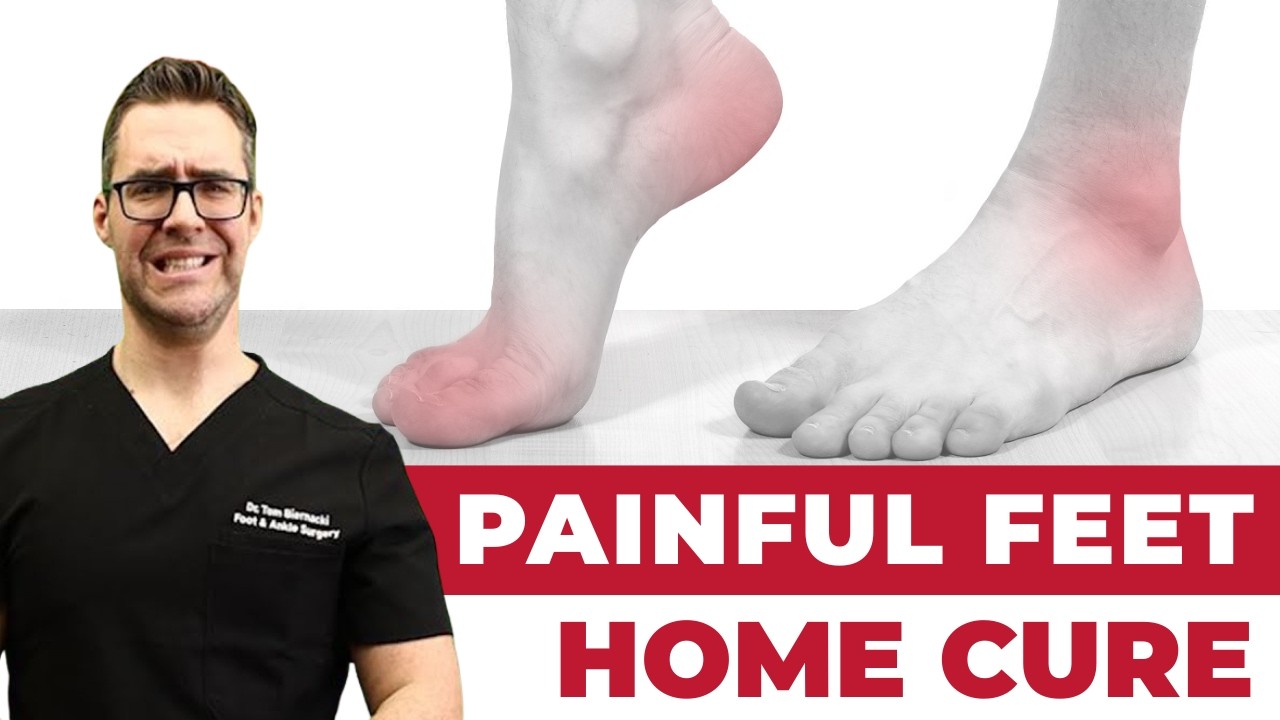
On Cloud vs Hoka: Which Trendy Brand Actually Supports Your Feet? A Podiatrist Decides
On Cloud or Hoka? This is the question I get more than almost any other in 2025-2026. Two trendy brands, both expensive, both making bold claims — but as a podiatrist, I see very different outcomes in my patients who wear them.
Here’s my clinical verdict after seeing hundreds of patients in both brands.
The Short Answer: They Do Completely Different Things
On Cloud and Hoka aren’t really competing for the same foot. They have opposite design philosophies — and understanding that is the key to picking the right one for your feet.
| Feature | On Cloud | Hoka |
|---|---|---|
| Midsole philosophy | Hollow pod system (CloudTec) | Oversized foam (PROFLY/CMEVA) |
| Stack height | Moderate (25-30mm) | Maximum (36-42mm) |
| Weight | Light (8-10 oz) | Moderate-heavy (9-11 oz) |
| Orthotic compatibility | Poor — shallow, narrow platform | Excellent — wide base, deep toe box |
| Best for | Neutral gait, fashion-forward runners | High impact, long distance, foot pain conditions |
| Podiatrist recommendation rate | Moderate | Very high |
On Cloud Shoes: What the Science Says
On Running’s CloudTec technology uses hollow rubber pods that compress on impact and then “click” together. In theory, this absorbs shock on landing and creates a firm push-off platform.
In practice, for my patients: it works well for some, terribly for others.
Patients who do well in On Cloud shoes tend to have:
- Neutral gait (no significant pronation or supination)
- Normal arch height
- Light-to-moderate body weight
- No significant foot conditions (plantar fasciitis, neuropathy, arthritis)
Patients who struggle in On Cloud shoes:
- Flat feet or significant overpronation — the pod gaps create uneven pressure
- Plantar fasciitis — the firm pod edges can aggravate heel pain
- Metatarsalgia — the pod pattern concentrates pressure on ball-of-foot
- Diabetic patients — the irregular surface creates unpredictable pressure points
The On Cloud Models Worth Considering
SaleBestseller No. 1
📍 Located in Michigan?
Our board-certified podiatrists treat this condition at two convenient locations. Same-day appointments often available.

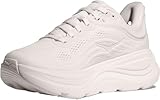
On Men’s Cloud 6 Sneakers, Black/Black, 11.5 Medium US
- Rubber sole
- Reflective accents, Lightweight design, Cushioned collar and perforated tongue, Removable insole, Patented CloudTec sole, Designed for everyday wear
- Round toe
Bestseller No. 2

On Women’s Cloud 5 Sneakers, All White, 7 Medium US
- Fabric: Performance mesh
- Rubber sole
- Reflective accents, Lightweight design, Cushioned collar and perforated tongue, Removable insole, Patented CloudTec sole, Designed for everyday wear
Bestseller No. 1

On Cloudmonster 2 Men’s Running Shoes
- Balanced Cushioning: High cushioning with a 6mm heel drop
- Peak Energy Return
- Enhanced Midsole: Updated nylon-blend Speedboard between dual-density Helion super foam
- Sustainable Design
- Increased Recycled Content: Upper mesh made from 100% recycled polyester
Bestseller No. 2

ON Cloudmonster Men’s Running Shoes, White, 13
- These shoes are just new from the lab, and are the most strange things ever made. Introducing Cloudmonster that increases CloudTec, further cushioning, and brings a monster-class ride. HelionTM engineering with On’s greatest cloud has combined with the On’s substitute for explosive kicking and the extreme calf forefoot that you want to keep moving for long runs
Hoka Shoes: Why Podiatrists Love Them
Hoka’s maximum cushion approach is medically sound. More foam = more shock absorption = less impact force reaching joints. For patients with:
- Plantar fasciitis — Hoka’s thick heel absorbs the first-step impact
- Metatarsalgia — the wide forefoot distributes pressure better
- Knee and hip arthritis — less impact force up the kinetic chain
- Post-surgical recovery — cushion helps during rehab
- Neuropathy — protected plantar surface
Hoka also has a wider base than most brands, which improves lateral stability — important for patients recovering from ankle sprains or those with balance issues.
The Hoka Models I Recommend Most


The Orthotic Problem: On Cloud Loses Badly
This is where On Cloud falls short clinically. Their shoes have a shallow interior that doesn’t accommodate custom orthotics well. The pod geometry also means that when you remove the stock insole, you’re standing on an uneven pod surface — not ideal for an orthotic base.
Hoka’s wide base and standard construction make them one of the best orthotic-compatible shoes available. Most Hoka models have removable footbeds and enough interior depth for a full-length custom orthotic.
If you wear custom orthotics: choose Hoka every time.
Trending Doesn’t Mean Right For You
On Cloud is one of the fastest-growing shoe brands in the world. The Roger Federer endorsement, the sleek European design, the Swiss heritage story — it’s powerful marketing. Patients come in wearing them because they look good and their friends wear them.
I never tell patients a shoe is wrong unless their feet prove it. But I do tell them: don’t choose a shoe based on trend alone. If your feet hurt in them after 2 weeks of wear, the shoe is wrong for your biomechanics regardless of how popular it is.
When to Choose On Cloud
- You have a neutral gait with no foot conditions
- You prioritize lightweight feel and responsiveness
- You don’t wear orthotics
- You’re a mid-distance runner (5-15 miles/week) on roads
- Aesthetics matter to you and you want a stylish shoe
When to Choose Hoka
- You have any foot condition (plantar fasciitis, flat feet, bunions, arthritis)
- You wear custom orthotics
- You’re a high-mileage runner (20+ miles/week)
- You have knee, hip, or back pain
- You’re on your feet all day at work
- You need maximum comfort over maximum aesthetics
Bestseller No. 1

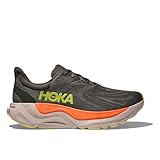
Hoka Men’s Arahi 8 Black/Skyward Blue 9.5 Medium
- JACQUARD KNIT UPPER
- Lining Textile

When Your Shoes Aren’t the Complete Answer
Both On Cloud and Hoka can be the right shoe AND your foot can still need professional evaluation. See a podiatrist if you experience:
- Pain that persists even in a new, high-quality shoe
- Foot pain that has lasted more than 2 weeks
- Pain severe enough to alter your walking pattern
- Swelling, bruising, or skin breakdown
Not Sure Which Shoe Your Feet Need?
Our gait analysis takes 15 minutes and tells you exactly which shoe type, arch support level, and width fits your biomechanics.
Or call (810) 206-1402
Related Articles
- Hoka vs Brooks: Podiatrist Verdict
- Podiatrist Recommended Shoes: Complete Guide
- Best Running Shoes for Foot Pain
- Are Barefoot Shoes Good for You? A Podiatrist Explains
Written by Dr. Tom Biernacki, DPM — Board-certified podiatrist at Balance Foot & Ankle Specialists, Howell and Bloomfield Township, Michigan.
Related Treatment Guides
- Plantar Fasciitis & Heel Pain Treatment
- Custom 3D Orthotics
- Sports Foot & Ankle Injury Treatment
- Bunion Treatment
Michigan patients experiencing foot or ankle problems can schedule an appointment at Balance Foot & Ankle — with locations in Howell (4330 E Grand River) and Bloomfield Township (43494 Woodward Ave #208). Call (810) 206-1402 for same-week availability.
Medical References & Sources
- American Podiatric Medical Association — Patient Education
- American Orthopaedic Foot & Ankle Society — Foot Conditions
Dr. Tom’s Recommended Insoles
PowerStep is the brand I prescribe most — medical-grade OTC support without the custom orthotic price tag.
- PowerStep Pinnacle Insoles — The OTC orthotic I recommend most — medical-grade arch support at a fraction of custom orthotic cost. Works in most shoes.
- PowerStep Maxx Insoles — For severe arch pain or flat feet — maximum correction and support when Pinnacle isn’t enough.
Affiliate disclosure: As an Amazon Associate, Balance Foot & Ankle earns from qualifying purchases. We only recommend products we trust for our own patients.
Join 950,000+ Learning About Foot Health
Dr. Tom shares honest medical advice, supplement reviews, and treatment guides you won’t find anywhere else.
📧 Get Dr. Tom’s Free Lab Test Guide
Discover the 5 lab tests every person over 35 should ask their doctor about — explained in plain English by a board-certified physician.
Nail Problems Affecting Your Confidence?
Fungal nails, ingrown toenails, and nail discoloration can indicate underlying conditions. Our podiatrists provide professional diagnosis and treatment.
Visit Balance Foot & Ankle — Same-Day Appointments Available
Our podiatry team serves patients throughout Michigan including Howell, Brighton, and Bloomfield Township. If you’re dealing with heel pain, ingrown toenails, or a foot injury, we have same-day appointment availability.
Same-day appointments available. (810) 206-1402
Doctor Hoy’s Natural Pain Relief Gel
Natural topical pain relief I use in our clinic. Arnica + camphor formula — apply directly to the area 3–4x daily. ($20–25)
Related Care at Balance Foot & Ankle
Clinical foot and ankle services at our Howell and Bloomfield Township offices.
Get Expert Care at Balance Foot & Ankle
Same-week appointments at our Howell and Bloomfield Township offices. Board-certified podiatric surgeons. Most insurance accepted.
Same-Week Appointments in Howell & Bloomfield Township
Three board-certified podiatric surgeons. 1,123+ five-star reviews. Most insurance accepted.
Ready for Expert Care?
Same-day appointments in Howell & Bloomfield Township, MI.
4.9★ | 1,123 Reviews | 3,000+ Surgeries
Or call: (810) 206-1402
More podiatrist shoe comparisons
If you’re weighing On Cloud against other brands, start with our deeper look at whether On Cloud shoes live up to the hype, then compare Nike vs HOKA and the Hoka vs Brooks vs New Balance three-way.

Dr. Tom Biernacki, DPM is a board-certified foot & ankle surgeon (ABFAS & ABPM) at Balance Foot & Ankle Specialists in Southeast Michigan. With over a decade of clinical experience, he specializes in heel pain, bunions, diabetic foot care, sports injuries, and minimally invasive surgery. Dr. Biernacki is a member of the APMA and ACFAS, and his patient education content on MichiganFootDoctors.com and YouTube has made him one of the most-followed foot & ankle educators on YouTube.
More questions patients ask
What is the podiatrist's final verdict on On Cloud vs. Hoka?
For foot health and pain management, Hoka wins clearly. Hoka's meta-rocker geometry and maximal cushioning provide unique therapeutic benefits for plantar fasciitis, heel pain, and high-impact activities. On Cloud excels for healthy athletes who value style and lightweight performance. For patients with foot conditions, Balance Foot & Ankle recommends Hoka over On Cloud.
For healthy runners, which is better — On Cloud or Hoka?
Healthy runners without foot conditions have more flexibility. On Cloud provides a distinctive, lightweight experience for faster efforts. Hoka provides better cushioning protection for longer training runs. For versatile training, Hoka Clifton is recommended; for style-conscious daily use, On Cloud 6 or Cloudrunner can work.
Which brand has better long-term foot health outcomes?
Hoka's cushioning and rocker geometry provide superior long-term foot protection for most runners. Multiple studies show that maximally cushioned shoes reduce injury rates for recreational runners. On Cloud's minimal cushioning increases long-term injury risk for runners with biomechanical issues.
Is On Cloud worth the price compared to Hoka?
On Cloud shoes run $130–$180. Hoka Bondi and Clifton are similarly priced at $140–$165. For patients with foot conditions, Hoka provides better therapeutic value at the same price. For healthy style-conscious runners, On Cloud's aesthetic appeal may justify the price.
What should I buy if I'm torn between On Cloud and Hoka?
Try both in a specialty running store. If you have any foot pain or conditions, choose Hoka. If you're a healthy runner who values lightweight style, On Cloud may appeal. Better yet, let a podiatrist guide the decision — call Balance Foot & Ankle at (810) 206-1402 for a clinical recommendation.
Still have a question about coverage or cost? Book online and we will check your benefits before your visit: Book in Howell · Book in Bloomfield Township. Prefer to talk it through first? Call (810) 206-1402.