
Quick answer: Barefoot (minimalist) shoes can strengthen foot muscles and improve balance for some people, but they aren’t right for everyone. Transition slowly to avoid stress injuries, and be cautious if you have plantar fasciitis, diabetes, flat feet, or reduced sensation, where cushioning and support are usually safer.

Quick answer: Are Barefoot Shoes Good For You is a common concern we evaluate and treat regularly. Effective treatment starts with a targeted diagnosis, conservative-first treatment, and escalation only when needed. We treat this regularly at our Howell and Bloomfield Township practices. Call (810) 206-1402.
In This Article
- What Barefoot Shoes Are
- The Science: Potential Benefits
- Who Should NOT Wear Barefoot Shoes
- The Safe 4-Week Transition Protocol
- Dr. Tom’s Recommended Barefoot Shoes
- More Podiatrist-Recommended Shoes Essentials
- Products Dr. Tom Recommends for Minimalist & Barefoot Shoe Wearers
- Comprehensive Foot and Ankle Care in Michigan: Balance Foot & Ankle
- Your Board-Certified Podiatrists
- Pros & Cons of Conservative Care for footwear
- Dr. Tom’s Recommended Products for footwear
The most important clinical decision with Are Barefoot Shoes Good For You isn’t which treatment to start with — it’s identifying the correct subtype. That changes everything. Call (810) 206-1402.
Related Conditions
Medically reviewed by Dr. Tom Biernacki, DPM
Board-certified podiatric surgeon | Balance Foot & Ankle
Last reviewed: May 2026
Medically reviewed by Dr. Tom Biernacki, DPM · Board-Certified Podiatric Surgeon · Last reviewed: April 2026 · Editorial Policy
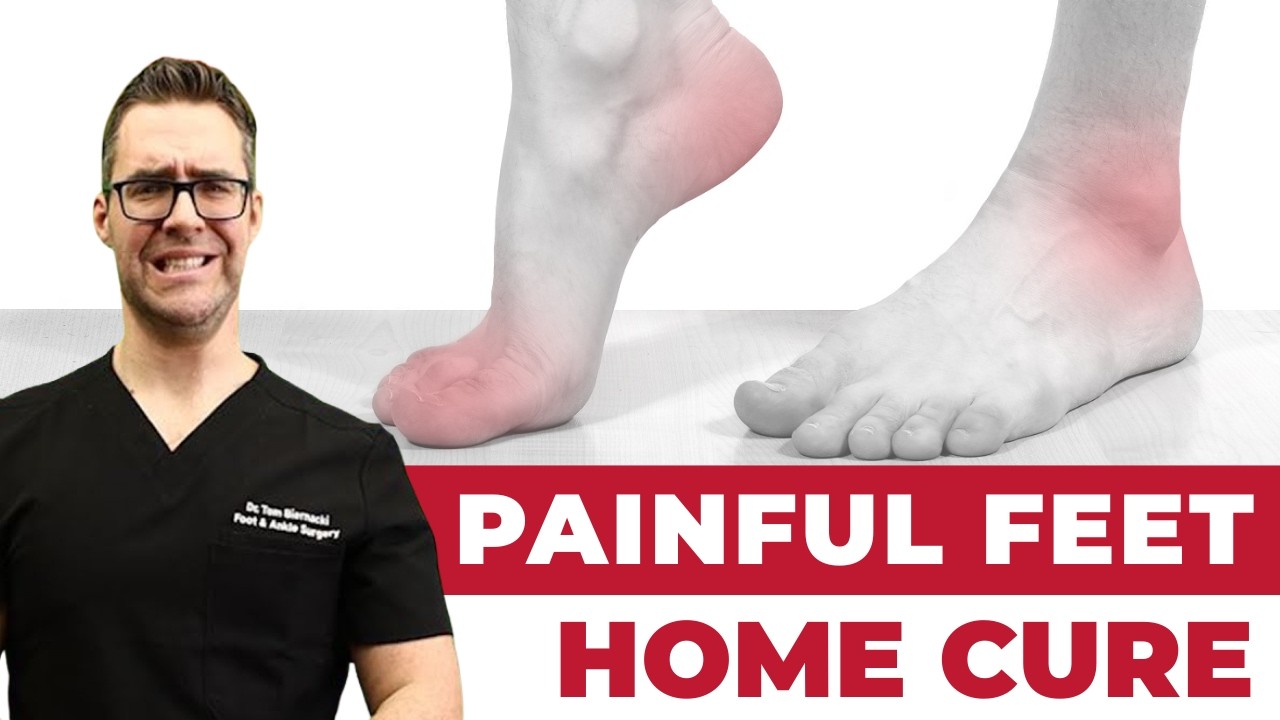
Are Barefoot Shoes Actually Good for You? A Podiatrist Explains
Minimalist and barefoot shoes are exploding in popularity — Vivobarefoot, Xero Shoes, Merrell Vapor Glove, and others have built massive followings. The barefoot movement claims these shoes improve foot strength, fix gait, and eliminate foot problems. As a podiatrist who has treated thousands of patients including many who’ve made the switch, here’s my honest take.
What Barefoot Shoes Are
True barefoot or minimalist shoes share these characteristics: zero or near-zero heel-to-toe drop (no elevated heel), thin and flexible sole (minimal cushioning), wide toe box allowing toes to splay naturally, lightweight construction. They are designed to mimic the biomechanics of walking barefoot while providing some protection from terrain.
The Science: Potential Benefits
The research on barefoot shoes shows real benefits — but with important caveats:
- Foot strength: Studies show minimalist shoes strengthen intrinsic foot muscles over time, particularly the flexor digitorum brevis and abductor hallucis. Stronger feet are more resilient to injury.
- Toe alignment: The wide toe box allows natural toe spreading, which can slow bunion progression and reduce neuroma symptoms.
- Proprioception: Thinner soles increase sensory feedback from the ground, potentially improving balance and gait efficiency.
- Gait improvements: Some evidence suggests forefoot striking (common in barefoot running) reduces impact forces compared to heel striking in cushioned shoes.
Who Should NOT Wear Barefoot Shoes
This is where I have to be direct: barefoot shoes are not for everyone, and forcing them on the wrong feet causes significant harm.
- Active plantar fasciitis: Zero heel drop puts maximum load on an already inflamed plantar fascia. I’ve seen patients go from mild PF to a 12-month nightmare after switching to minimalist shoes too fast.
- Significant flat feet or overpronation: Without arch support, flat feet pronate excessively in barefoot shoes, straining the posterior tibial tendon and medial ligaments.
- Diabetic neuropathy: Thin soles provide inadequate protection against punctures and pressure points for patients with reduced sensation.
- Osteoarthritis or significant arthritis: Cushioning protects arthritic joints. Zero cushioning accelerates joint wear.
- Anyone who transitions too fast: Even healthy feet need months to adapt to minimalist shoes.
The Safe 4-Week Transition Protocol
If you’re healthy and want to try barefoot shoes, transition gradually:
- Week 1: Wear barefoot shoes for 20-30 minutes daily, on soft surfaces (grass, carpet)
- Week 2: Increase to 45-60 minutes, introduce some pavement
- Week 3: 1-2 hours, varying surfaces, add short walks
- Week 4: Gradually increase as your feet feel strong and comfortable
If you feel calf soreness, arch fatigue, or any foot pain during transition — slow down. That’s your body telling you it’s not adapted yet.
Dr. Tom’s Recommended Barefoot Shoes
👞 When Barefoot Isn’t Right — Supportive Alternatives:
📍 Not Sure if Barefoot Shoes Are Right for You?
We evaluate your foot structure, gait, and existing conditions — and tell you exactly which shoes you should (and shouldn’t) be wearing.
📅 Book Your Appointment → (810) 206-1402More Podiatrist-Recommended Shoes Essentials
Hoka Clifton 10

Max-cushion neutral runner — podiatrist favorite for all-day comfort.
Brooks Adrenaline GTS 25
Stability runner for overpronators — great for flat feet and bunions.
New Balance 990v6
Premium walking shoe with wide toe box — bunion and flat-foot friendly.
As an Amazon Associate, Balance Foot & Ankle earns from qualifying purchases. Product recommendations are based on clinical experience; prices and availability shown above update live from Amazon.

When to See a Podiatrist
The right shoe shape, last, and stability category is more important than brand. Balance Foot & Ankle evaluates your foot type (neutral, pronator, supinator, high-arched) and recommends specific shoe models that match. Bringing in your current pair lets us spot wear patterns that reveal gait issues — a free 5-minute assessment that can prevent years of foot pain.
Call Balance Foot & Ankle: (810) 206-1402 · Book online · Offices in Howell & Bloomfield Township
Can barefoot shoes cure flat feet?
Barefoot shoes can strengthen foot muscles over time, which may improve arch height slightly. But they are not a cure for structural flat feet, and wearing them without a gradual transition when you have flat feet can cause significant injury.
Are barefoot shoes good for running?
For experienced runners with healthy feet and proper technique, yes. For beginners or anyone with foot conditions, no. The injury rate from transitioning too fast to barefoot running is very high.
What are the best barefoot shoes for beginners?
For a gentler introduction, consider Merrell Vapor Glove (more ground feel, very flexible) or Xero Prio (slightly more structured for beginners). Start with the most gradual transition shoe in the lineup, not the most minimal.
Products Dr. Tom Recommends for Minimalist & Barefoot Shoe Wearers
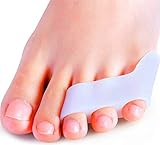
If you’re transitioning to barefoot or minimalist shoes, these products can help protect your feet during the adjustment period — including toe spacers, transition orthotics, and foot strengthening tools.


📅 Questions About Barefoot Shoes? Ask Dr. Tom →
Same-day appointments in Howell and Bloomfield Township.
Comprehensive Foot and Ankle Care in Michigan: Balance Foot & Ankle
Michigan patients seeking expert podiatric care for any foot or ankle condition — from the most common (plantar fasciitis, bunions, ingrown toenails, heel spurs) to the most complex (diabetic foot ulcers, Charcot neuroarthropathy, ankle reconstruction, limb salvage) — will find the clinical expertise and personalized care they need at Balance Foot & Ankle. Our fellowship-trained podiatrists have the training and experience to diagnose and treat the full spectrum of foot and ankle pathology with both conservative and surgical interventions.
Related Treatment Guides
- Plantar Fasciitis & Heel Pain Treatment
- Custom 3D Orthotics
- Sports Foot & Ankle Injury Treatment
- Bunion Treatment
- Custom Orthotics: What Are They and Do They Work?
Our Michigan locations serve patients throughout Southeast Michigan: the Howell office at 4330 E Grand River serves Livingston County and surrounding communities; the Bloomfield Township office at 43494 Woodward Ave #208 serves Oakland County and surrounding communities. Both offices offer convenient scheduling, in-office diagnostic imaging, same-week appointments for most conditions, and acceptance of all major Michigan insurance plans. Call Balance Foot & Ankle at (810) 206-1402 to schedule your appointment today — our team is ready to provide the evidence-based podiatric care that keeps you active and comfortable throughout your daily life.
Insurance Accepted
BCBS · Medicare · Aetna · Cigna · United Healthcare · HAP · Priority Health · Humana · View All →
Howell Office
4330 E Grand River Ave
Howell, MI 48843
Get Directions →
Bloomfield Township Office
43494 Woodward Ave, #208
Bloomfield Township, MI 48302
Get Directions →
Your Board-Certified Podiatrists



Ready to Get Back on Your Feet?
Same-week appointments available at both locations.
Book Your Appointment👟 Dr. Tom’s Complete Footwear Library
Podiatrist-Approved Guides for Every Foot Type & Condition
Clinically reviewed by Dr. Tom Biernacki, DPM — Board-Certified Podiatrist
All guides are written and reviewed by licensed podiatrists. Schedule an appointment →
Pros & Cons of Conservative Care for footwear
Advantages
- ✓ Right shoe = pain reduction
- ✓ Multiple price points
- ✓ Fast adjustment
Considerations
- ✗ Trial-and-error
- ✗ Replace every 400 miles
- ✗ Custom orthotics often needed
Dr. Tom’s Recommended Products for footwear
Affiliate disclosure: As an Amazon Associate, Balance Foot & Ankle earns from qualifying purchases. We only recommend products we use with patients.
Brooks Ghost 17 Dr. Tom’s Pick
Best for: Neutral runner
Check Price on Amazon
Brooks Adrenaline GTS 23 Dr. Tom’s Pick
Best for: Stability for flat feet
Check Price on Amazon
Altra Torin 8 Dr. Tom’s Pick
Best for: Zero-drop wide toe box
Check Price on Amazon
Ready to Get Back on Your Feet?
Same-day appointments in Howell + Bloomfield Township. Most insurance accepted. Dr. Tom Biernacki, DPM & team.
Book Today — Same-Day Appointments Available
Call Now: (810) 206-1402
About Your Care Team at Balance Foot & Ankle
Dr. Tom Biernacki, DPM · Board-Certified Foot & Ankle Surgeon. Specializes in conservative-first care, minimally invasive bunion surgery, and complex reconstruction.
Dr. Carl Jay, DPM · Accepting new patients. Specializes in sports medicine, athletic injuries, and routine podiatric care.
Dr. Daria Gutkin, DPM, AACFAS · Accepting new patients. Specializes in surgical reconstruction and pediatric podiatry.
Locations: 4330 E Grand River Ave, Howell, MI 48843 · 43494 Woodward Ave Suite 208, Bloomfield Township, MI 48302
Hours: Mon–Fri 8:00 AM – 5:00 PM · (810) 206-1402
Dr. Tom’s Barefoot Shoe Transition Protocol
- PowerStep Pinnacle — If barefoot shoes are aggravating your feet: PowerStep Pinnacle inside a zero-drop shoe provides the arch support barefoot designs intentionally remove.
- Doctor Hoy’s Natural Pain Relief Gel — Foot muscle soreness during barefoot shoe transition: arnica gel applied after activity reduces the muscle-building soreness from intrinsic foot strengthening.
- FLAT SOCKS No-Sock Insoles — FLAT SOCKS no-sock inserts: ideal for barefoot shoes where sockless wear is common — antimicrobial and moisture-wicking.
Barefoot shoes causing more pain instead of less? This indicates a structural issue that requires clinical assessment. Gait analysis at Balance Foot & Ankle → (810) 206-1402
In-Office Treatment at Balance Foot & Ankle
If home treatment isn’t providing relief for your foot and ankle conditions, our podiatry team at Balance Foot & Ankle can help with same-day evaluations and advanced in-office care.
Same-day appointments available. (810) 206-1402
Related Care at Balance Foot & Ankle
Clinical foot and ankle services at our Howell and Bloomfield Township offices.
Get Expert Care at Balance Foot & Ankle
Same-week appointments at our Howell and Bloomfield Township offices. Board-certified podiatric surgeons. Most insurance accepted.
Same-Week Appointments in Howell & Bloomfield Township
Three board-certified podiatric surgeons. 1,123+ five-star reviews. Most insurance accepted.
Ready for Expert Care?
Same-day appointments in Howell & Bloomfield Township, MI.
4.9★ | 1,123 Reviews | 3,000+ Surgeries
Or call: (810) 206-1402

Dr. Tom Biernacki, DPM is a board-certified foot & ankle surgeon (ABFAS & ABPM) at Balance Foot & Ankle Specialists in Southeast Michigan. With over a decade of clinical experience, he specializes in heel pain, bunions, diabetic foot care, sports injuries, and minimally invasive surgery. Dr. Biernacki is a member of the APMA and ACFAS, and his patient education content on MichiganFootDoctors.com and YouTube has made him one of the most-followed foot & ankle educators on YouTube.
More questions patients ask
Are barefoot shoes actually good for your feet?
Barefoot/minimalist shoes can benefit healthy feet with normal structure and good muscle strength — they can strengthen intrinsic foot muscles and improve proprioception. However, they are NOT appropriate for people with: plantar fasciitis; flat feet or high arches; Achilles tendinopathy; osteoarthritis; diabetes; neuropathy; or those who haven't built up to minimal footwear gradually. Transitioning too quickly to barefoot shoes is a very common cause of plantar fasciitis and stress fractures.
How long does it take to transition to barefoot shoes?
A safe barefoot shoe transition takes 6-12 months minimum. Start with wearing them 30-60 minutes per day for daily activities (not running). Gradually increase 10% per week. Begin running in them only after 3-4 months of daily wear acclimation. The transition is much slower for people who've worn highly cushioned shoes their whole life. If you develop any foot pain during transition — stop and see a podiatrist. Many people develop injuries by rushing this process.
What foot conditions make barefoot shoes a bad idea?
Avoid barefoot shoes if you have: plantar fasciitis (lack of cushioning worsens heel pain); flat feet or low arches (no support increases pronation injury risk); Achilles tendinopathy (zero-drop strains the tendon); metatarsalgia or Morton's neuroma (thin sole increases forefoot pain); diabetes or peripheral neuropathy (thin sole increases puncture wound and pressure injury risk); osteoarthritis of the foot joints; or a history of stress fractures.
Do podiatrists recommend barefoot running?
Most sports podiatrists take a nuanced view: some patients with strong, properly adapted feet can run safely in minimalist shoes, but for the majority of recreational runners (especially those with structural foot differences or injury history), minimalist shoes increase injury risk. The research on barefoot running benefits is mixed, and conversion injuries are common. Before trying minimalist running shoes, consult a podiatrist for a gait analysis and individualized recommendation.
Are barefoot or minimalist shoes good for foot health?
Barefoot and minimalist shoes have some evidence-based benefits for gradually strengthening foot intrinsic muscles. However, they are not appropriate for everyone. Balance Foot & Ankle takes a nuanced approach: patients with strong feet, good arch structure, and no history of foot problems may benefit from gradual minimalist shoe transition. Patients with flat feet, plantar fasciitis, neuropathy, or diabetes should avoid minimalist footwear.
Can barefoot shoes help plantar fasciitis?
Balance Foot & Ankle does not recommend barefoot or minimalist shoes for active plantar fasciitis. The lack of cushioning and arch support typically worsens plantar fasciitis significantly. Some patients who have fully recovered from plantar fasciitis and have otherwise normal feet may eventually transition to minimal footwear with a very gradual approach. During any active foot condition, proper support is essential.
How should I transition to barefoot shoes safely?
If you are considering barefoot shoes, Balance Foot & Ankle recommends evaluation first to confirm your feet are structurally appropriate. If cleared, transition gradually over 3 to 6 months — start with wearing them for 10 to 15 minutes daily and increase slowly. Pair transition with foot strengthening exercises. Stop immediately if any pain develops and contact us at (810) 206-1402.
What are the risks of barefoot shoes?
Risks of barefoot shoes include: plantar fasciitis from reduced arch support, Achilles tendinitis from increased calf loading, stress fractures from high forefoot impact, metatarsalgia, and worsening of existing flat feet or foot deformities. These risks are highest when transitioning too quickly or when starting with underlying foot conditions. Balance Foot & Ankle evaluates each patient to identify their specific risk profile.
What does research say about barefoot shoes?
Research on barefoot and minimalist footwear shows mixed results. Some studies show improved foot strength with gradual minimalist training. Others show increased injury rates, especially during rapid transitions. Balance Foot & Ankle takes an evidence-informed, individualized approach rather than categorically recommending for or against barefoot shoes. Call (810) 206-1402 for personalized footwear guidance.
Still have a question about coverage or cost? Book online and we will check your benefits before your visit: Book in Howell · Book in Bloomfield Township. Prefer to talk it through first? Call (810) 206-1402.