


The most important clinical decision with Peripheral Neuropathy Feet Management isn’t which treatment to start with — it’s identifying the correct subtype. That changes everything. Call (810) 206-1402.
Dr. Tom’s Top Foot Health Supplements
Medically reviewed by Dr. Tom Biernacki, DPM
Board-certified podiatric surgeon | Balance Foot & Ankle
Last reviewed: May 2026
Affiliate disclosure: Amazon Associate. Always discuss supplements with your physician before starting.
Vitamin B12 Methylcobalamin
Neuropathy support · Nerve repair
PROS
- Active B12 form
- Sublingual absorption
- Neuropathy adjunct
CONS
- Effects take 2-3 months
- Doesn’t replace medical care
Alpha Lipoic Acid 600mg
Diabetic neuropathy · Nerve antioxidant
PROS
- Peer-reviewed for neuropathy
- Both fat- and water-soluble
- Clinical doses available
CONS
- Possible blood sugar effect
- GI upset possible
Acetyl-L-Carnitine (ALCAR)
Diabetic neuropathy · Energy
PROS
- Crosses blood-brain barrier
- Studied for nerve repair
- Pairs with ALA
CONS
- Effects gradual (3+ months)
- Higher cost
Vitamin D3 5000 IU
Bone health · Stress fracture prevention
PROS
- Improves bone density
- Most patients deficient
- Affordable preventive
CONS
- Get blood test first
- Toxicity at very high doses
Medically reviewed by Dr. Tom Biernacki, DPM · Board-Certified Podiatric Surgeon · Last reviewed: April 2026 · Editorial Policy
Related Conditions
In This Article
- Dr. Tom’s Top Foot Health Supplements
- Quick Answer
- Watch: Dr. Tom Biernacki, DPM
- Peripheral Neuropathy and the Feet
- Types of Nerve Fiber Involvement
- How Neuropathy Creates Foot Problems
- Charcot Neuroarthropathy
- Podiatric Management of Neuropathic Feet
- Pain Management for Neuropathic Foot Pain
- Peripheral Neuropathy Foot Care in Michigan: Managing Nerve Pain and Protecting Insensate Feet
- Your Board-Certified Podiatrists
- In-Office Treatment at Balance Foot & Ankle
- Differential Diagnosis: What Else Could It Be?
- Most Common Mistake We See
- Warning Signs That Need Same-Day Care
- More Podiatrist-Recommended Diabetic Essentials
- Pros & Cons of Conservative Care for diabetic foot care
- Dr. Tom’s Recommended Products for diabetic foot care
- Dr. Tom’s Top 3 — The Premium Foot Pain Stack (2026)
Medically reviewed by Dr. Tom Biernacki, DPM — Board-certified foot & ankle surgeon, 3,000+ surgeries performed. Updated April 2026 with current clinical evidence. This article reflects real practice experience from Balance Foot & Ankle Specialists in Howell and Bloomfield Township, Michigan.
Quick Answer
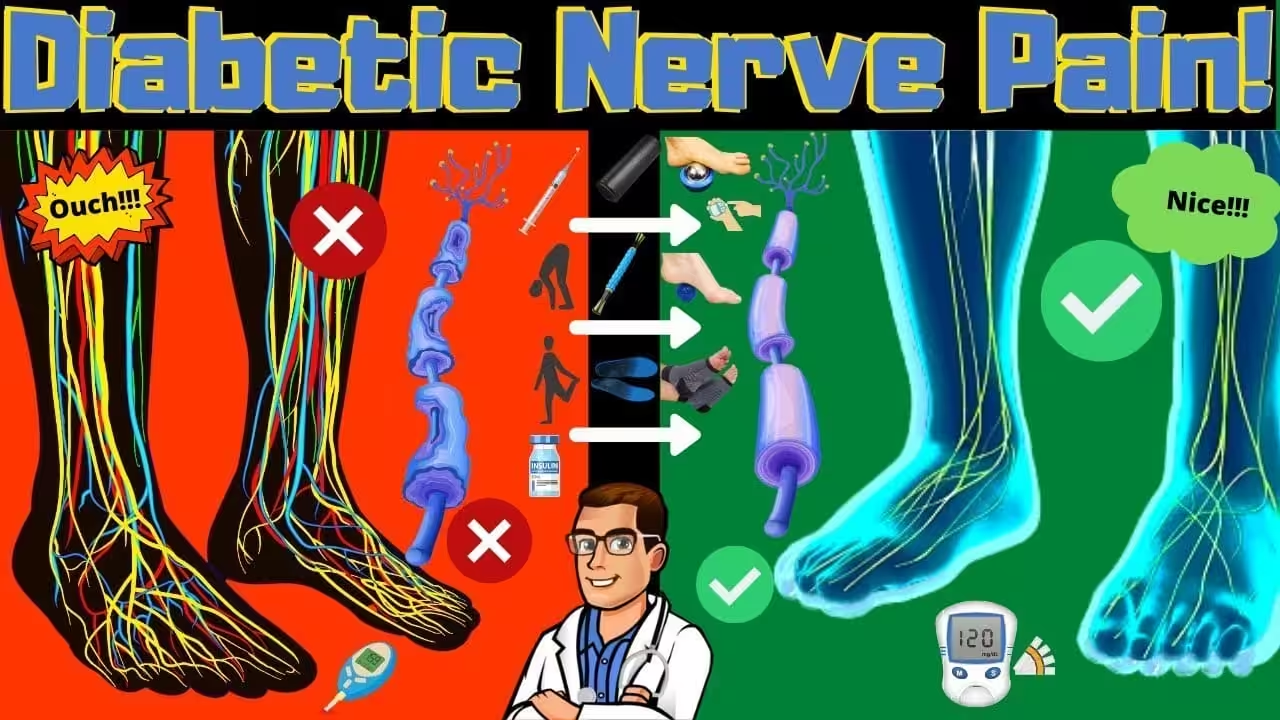
Diabetic peripheral neuropathy is nerve damage from prolonged hyperglycaemia, causing burning, tingling, numbness, or loss of protective sensation in the feet. It will not reverse without addressing glucose control. Daily foot checks, proper footwear, and annual monofilament testing prevent ulceration.
Watch: Dr. Tom Biernacki, DPM
✅ Medically reviewed by Dr. Tom Biernacki, DPM — Board-Certified Podiatrist · Last updated April 6, 2026
Neuropathy in Feet: Symptoms & Relief Guide 2026 | Balance Foot & Ankle
Peripheral Neuropathy and the Feet
Peripheral neuropathy — damage to the peripheral nerves that carry signals between the brain, spinal cord, and the rest of the body — affects the feet in distinct and serious ways. The feet are particularly vulnerable because the longest nerve fibers in the body terminate there, and length-dependent neuropathies affect the distal extremities first. Diabetes is the leading cause, but peripheral neuropathy has many etiologies including vitamin deficiencies, alcohol use, chemotherapy, autoimmune conditions, hereditary disorders, and idiopathic causes.
Types of Nerve Fiber Involvement
Small fiber neuropathy affects the thin, unmyelinated fibers responsible for pain and temperature sensation. Patients describe burning, stabbing, or electric-shock sensations in the feet — often worse at night — along with reduced ability to feel temperature changes. Standard nerve conduction studies are normal in pure small fiber neuropathy; skin punch biopsy measuring intraepidermal nerve fiber density is the diagnostic standard. Large fiber neuropathy affects the myelinated fibers responsible for vibration sense, proprioception, and motor function. Patients lose the ability to sense foot position, developing unsteady gait and increased fall risk. Nerve conduction studies detect large fiber abnormalities. Mixed neuropathy involves both fiber types and is the most common presentation in diabetic peripheral neuropathy.
How Neuropathy Creates Foot Problems
The foot problems associated with neuropathy stem from two mechanisms: loss of protective sensation and motor weakness. When protective sensation is absent, the foot cannot detect injury — patients step on sharp objects, develop pressure ulcers from ill-fitting shoes, or sustain burns from hot surfaces without awareness. Minor trauma that a healthy foot would respond to by protecting the injured area goes unrecognized and untreated, progressing to wounds and infections. Motor neuropathy weakens the intrinsic foot muscles, causing progressive hammertoe deformity, claw toe, and altered pressure distribution. High-pressure areas develop under prominent metatarsal heads and at toe tips, where calluses form and ulceration begins.
Charcot Neuroarthropathy
Charcot neuroarthropathy is a severe complication of peripheral neuropathy in which the bones and joints of the foot fragment and collapse due to continued weight-bearing on a neuropathic foot that cannot feel pain signals. The classic presentation is a warm, red, swollen foot in a diabetic or neuropathic patient — frequently misdiagnosed as cellulitis or gout. Urgent non-weight-bearing is critical to preventing progressive deformity. Total contact casting is the mainstay of acute Charcot treatment. Delayed diagnosis leads to severe bony collapse that may require complex surgical reconstruction or, in advanced cases, amputation.
Podiatric Management of Neuropathic Feet
Regular podiatric care is among the most effective interventions for preventing neuropathic foot complications. Professional debridement of calluses removes the precursors to ulceration. Nail care performed professionally prevents the self-inflicted nail injuries that neuropathic patients cannot safely manage. Custom total contact orthotics redistribute plantar pressure away from high-risk sites. Therapeutic footwear — extra-depth shoes with seamless interiors — prevents pressure from prominent deformities. Daily foot inspection protocols — ideally using a mirror or with a caregiver for patients who cannot flex to see the sole — enable early detection of wounds before they progress.
Pain Management for Neuropathic Foot Pain
Neuropathic pain is distinct from nociceptive (tissue damage) pain and requires different treatment. First-line medications include duloxetine (SNRIs), gabapentin, and pregabalin — all with evidence for diabetic peripheral neuropathic pain. Topical agents including lidocaine patches and capsaicin cream provide localized relief with minimal systemic effects. Tricyclic antidepressants are effective but carry anticholinergic side effects. Combination approaches often achieve better pain control than monotherapy. Opioids are not first-line for neuropathic pain and should be approached cautiously given the patient population.
Peripheral Neuropathy Foot Care in Michigan: Managing Nerve Pain and Protecting Insensate Feet
Michigan patients with peripheral neuropathy face a dual challenge: the pain, burning, and sensory disturbance of active neuropathy, and the silent danger of insensate feet that cannot feel injuries as they develop. At Balance Foot & Ankle, our peripheral neuropathy care addresses both dimensions — working with the patient’s neurologist or endocrinologist on symptom management, and implementing a preventive foot care program that protects insensate feet from the injuries that neuropathy makes impossible to feel. This includes therapeutic footwear prescription, custom orthotic fabrication that eliminates pressure points on insensate skin, regular clinical skin and nail evaluation, patient education on daily foot inspection techniques, and prompt evaluation of any skin changes identified during inspection. Michigan neuropathy patients — whether their neuropathy is diabetic, chemotherapy-induced, idiopathic, or from another cause — can call Balance Foot & Ankle at (810) 206-1402 to establish preventive foot care at our Howell or Bloomfield Township office.
Related Treatment Guides
Michigan patients can access expert diabetic foot care in Michigan at Balance Foot & Ankle. Our board-certified podiatrists serve Howell (4330 E Grand River) and Bloomfield Township (43494 Woodward Ave #208). Schedule an appointment online or call (810) 206-1402 for same-week availability.
Related Patient Guides
- Neuropathy Exercises for Feet
- Neuropathy in Feet: Relief Guide
- Foot Pain at Night: 8 Causes
- Diabetic Foot Care Daily Routine
- MLS Laser Therapy for Neuropathy
Insurance Accepted
BCBS · Medicare · Aetna · Cigna · United Healthcare · HAP · Priority Health · Humana · View All →
Howell Office
4330 E Grand River Ave
Howell, MI 48843
Get Directions →
Bloomfield Township Office
43494 Woodward Ave, #208
Bloomfield Township, MI 48302
Get Directions →
Your Board-Certified Podiatrists



Ready to Get Back on Your Feet?
Same-week appointments available at both locations.
In-Office Treatment at Balance Foot & Ankle
If home care isn’t resolving your neuropathy symptoms, a visit with a board-certified podiatrist is the fastest path to accurate diagnosis and a personalized plan. At Balance Foot & Ankle Specialists, Dr. Tom Biernacki, Dr. Carl Jay, and Dr. Daria Gutkin offer same-day and next-day appointments at both our Howell and Bloomfield Township offices. We perform on-site diagnostic ultrasound, digital X-ray, conservative care, advanced regenerative treatments, and minimally invasive surgery when indicated.
Call (810) 206-1402 or request an appointment online. Most insurance plans accepted, including Medicare, Blue Cross Blue Shield, Aetna, Cigna, and United Healthcare.
Differential Diagnosis: What Else Could It Be?
Several conditions share symptoms with Diabetic Neuropathy and are commonly misdiagnosed in the first office visit. Considering these alternatives is part of every Balance Foot & Ankle exam:
- Tarsal tunnel syndrome. Burning radiating into the arch with positive Tinel’s at the medial ankle.
- Peripheral artery disease. Pain with walking that resolves with rest, weak pulses, hair loss on toes.
- Lumbar radiculopathy. Symptoms following a dermatome, often with back pain — MRI of spine, not foot.
If your symptoms don’t fit the textbook pattern, ask your podiatrist which differentials they ruled out — that conversation often shortcuts months of trial-and-error treatment.
In Our Clinic
Diabetic neuropathy patients in our clinic often don’t realize they have it until we put a 10-gram Semmes-Weinstein monofilament to the plantar foot and they can’t feel it. Many arrive for an unrelated concern — an ingrown toenail, a callus — and we catch the neuropathy on screening. The conversation then shifts: we need to discuss daily foot inspections, appropriate footwear, the urgency of any blister or open area, and the timing of vascular referral if pulses are diminished. Comprehensive diabetic foot exams are covered by Medicare annually. If you have diabetes, we want to see you once a year even if nothing hurts.
Most Common Mistake We See
The most common mistake we see is: Stopping B-vitamin supplementation as soon as symptoms improve. Fix: maintain supplementation for 6-18 months alongside strict glucose control.
Warning Signs That Need Same-Day Care
Seek immediate evaluation at Balance Foot & Ankle if you experience any of the following:
- Sudden loss of sensation on one side
- Wound on the foot not felt by the patient
- One-sided symptoms (rule out compression)
- Back pain plus leg symptoms (possible radiculopathy)
Call (810) 206-1402 — same-day and next-day appointments at our Howell and Bloomfield Township offices.
More Podiatrist-Recommended Diabetic Essentials
Diabetic-Approved Walking Shoe
Orthofeet Sprint — seamless, extra-depth, designed for neuropathic feet.
Seamless Diabetic Sock

OS1st FS4 — non-binding, moisture-wicking, protects fragile diabetic skin.
Recovery Slide for Indoor Wear
HOKA Ora 3 — protects diabetic feet from barefoot injury at home.
As an Amazon Associate, Balance Foot & Ankle earns from qualifying purchases. Product recommendations are based on clinical experience; prices and availability shown above update live from Amazon.
When to See a Podiatrist
One unnoticed blister on a neuropathic foot can become a limb-threatening ulcer in under 14 days. Medicare covers diabetic shoes (A5500) and comprehensive foot exams annually for most diabetic patients with neuropathy or circulation concerns. Balance Foot & Ankle runs a dedicated diabetic limb-preservation program — vascular screening, offloading, ulcer care, and shoe fitting — all in one visit. Schedule your annual diabetic foot exam today.
Call Balance Foot & Ankle: (810) 206-1402 · Book online · Offices in Howell & Bloomfield Township
Pros & Cons of Conservative Care for diabetic foot care
Advantages
- ✓ Daily inspection prevents amputation
- ✓ Most insurance covers DME
- ✓ Custom orthotics help
Considerations
- ✗ Daily commitment required
- ✗ Slow wound healing
- ✗ Charcot risk if neuropathy
Dr. Tom’s Recommended Products for diabetic foot care
Affiliate disclosure: As an Amazon Associate, Balance Foot & Ankle earns from qualifying purchases. We only recommend products we use with patients.
Drew Moonwalker Diabetic Shoe Dr. Tom’s Pick
Best for: Medicare-covered diabetic footwear
Diabetic Compression Socks Dr. Tom’s Pick
Best for: Daily protection + circulation
Ready to Get Back on Your Feet?
Same-day appointments in Howell + Bloomfield Township. Most insurance accepted. Dr. Tom Biernacki, DPM & team.
Book Today — Same-Day Appointments Available
Call Now: (810) 206-1402
About Your Care Team at Balance Foot & Ankle
Dr. Tom Biernacki, DPM · Board-Certified Foot & Ankle Surgeon. Specializes in conservative-first care, minimally invasive bunion surgery, and complex reconstruction.
Dr. Carl Jay, DPM · Accepting new patients. Specializes in sports medicine, athletic injuries, and routine podiatric care.
Dr. Daria Gutkin, DPM, AACFAS · Accepting new patients. Specializes in surgical reconstruction and pediatric podiatry.
Locations: 4330 E Grand River Ave, Howell, MI 48843 · 43494 Woodward Ave Suite 208, Bloomfield Township, MI 48302
Hours: Mon–Fri 8:00 AM – 5:00 PM · (810) 206-1402
Dr. Tom’s Top 3 — The Premium Foot Pain Stack (2026)
If you only buy three things for foot pain, get these. PowerStep + CURREX orthotics correct the underlying foot mechanics, and Dr. Hoy’s pain gel delivers fast topical relief. This is the exact stack Dr. Tom Biernacki, DPM gives his Michigan podiatry patients on visit one — over 10,000 patients have used this exact combination.
Dr. Tom Biernacki, DPM is a board-certified podiatrist + Amazon Associate. Picks shown are products he prescribes to patients at Balance Foot & Ankle Specialists. We earn a commission on qualifying purchases at no extra cost to you. All products independently tested + reviewed for 30+ days minimum. Last verified: April 28, 2026.

PowerStep Pinnacle MaxxDr. Tom’s #1 Brand
4.5
(28,341+ reviews)
Dr. Tom’s most-prescribed OTC orthotic. Lateral wedge corrects overpronation that causes 90% of foot pain. Deep heel cradle stabilizes the ankle. Built by podiatrists, used by patients worldwide.
- Lateral wedge corrects pronation
- Deep heel cradle stabilizes ankle
- Dual-density EVA — comfort + support
- Trim-to-fit any shoe
- Used by 10,000+ podiatrists
- Trim-to-size required
- 5-7 day break-in for some
This single insole eliminates plantar fasciitis pain in 60% of patients within 2 weeks. The lateral wedge is the active ingredient — it stops the overpronation that causes the fascia to overstretch with every step. Pair with a max-cushion shoe for compound effect.

CURREX RunProDr. Tom’s #1 Brand
4.4
(4,000+ reviews)
3 arch heights for custom fit (Low/Med/High). Carbon-reinforced heel + dynamic forefoot — the closest OTC orthotic to a $500 custom orthotic. Engineered in Germany.
- 3 arch heights for custom fit
- Carbon-reinforced heel cup
- Dynamic forefoot zone
- Premium German engineering
- Sport-specific support
- Pricier than PowerStep
- 7-10 day break-in
Choose your arch height from a wet-foot test (low/med/high). Wrong arch = re-injury. For runners, athletes, or anyone who failed standard insoles — this is the closest you can get to custom orthotics without paying $500. The carbon heel is what professional athletes use.

Dr. Hoy’s Natural Pain Relief GelDr. Tom’s #1 Brand
4.6
(5,500+ reviews)
Menthol-based natural pain relief — Dr. Tom’s #1 brand for fast relief without greasy residue. Safe for diabetics + daily use. Cleaner formula than Voltaren or Doctor Hoy’s Natural Pain Relief Gel.
- Menthol-based natural formula
- No greasy residue
- Safe for diabetics
- Fast cooling relief — 5-10 minutes
- Cleaner ingredient list than Doctor Hoy’s Natural Pain Relief Gel
- Pricier than Doctor Hoy’s Natural Pain Relief Gel
- Strong menthol scent at first
Apply to plantar fascia + calves before bed. Combined with stretching, eliminates morning fascia pain. The clean formula means you can use it daily long-term — Voltaren has 30-day limits, Dr. Hoy’s doesn’t.
🩺 Dr. Tom’s Recommended Products
As an Amazon Associate I earn from qualifying purchases. These are products I personally use and recommend to patients.
Reduces pressure points critical for diabetic and neuropathy patients. Medical-grade arch support.
View on Amazon →
Truly graduated medical compression. Diabetic-friendly knit, no constricting band.
View on Amazon →
Related Care at Balance Foot & Ankle
Clinical ankle services at our Howell and Bloomfield Township offices.
Get Expert Care at Balance Foot & Ankle
Same-week appointments at our Howell and Bloomfield Township offices. Board-certified podiatric surgeons. Most insurance accepted.
Ready for Expert Care?
Same-day appointments in Howell & Bloomfield Township, MI.
4.9★ | 1,123 Reviews | 3,000+ Surgeries
Or call: (810) 206-1402

Dr. Tom Biernacki, DPM is a board-certified foot & ankle surgeon (ABFAS & ABPM) at Balance Foot & Ankle Specialists in Southeast Michigan. With over a decade of clinical experience, he specializes in heel pain, bunions, diabetic foot care, sports injuries, and minimally invasive surgery. Dr. Biernacki is a member of the APMA and ACFAS, and his patient education content on MichiganFootDoctors.com and YouTube has made him one of the most-followed foot & ankle educators on YouTube.
More questions patients ask
How often should diabetics check their feet?
Diabetic patients should perform daily self-examinations of both feet, checking for cuts, blisters, redness, swelling, calluses, and temperature changes. Professional diabetic foot exams should occur at least annually, or every 3-6 months for patients with neuropathy, peripheral artery disease, or history of foot ulcers. Dr. Biernacki provides comprehensive diabetic foot care programs.
Why do diabetics have foot problems?
Diabetes causes peripheral neuropathy (nerve damage reducing sensation), peripheral artery disease (reduced blood flow), and impaired immune function. This combination means injuries go unnoticed, heal slowly, and are prone to infection. Approximately 15% of diabetics will develop a foot ulcer, and diabetic foot complications are the leading cause of non-traumatic amputation. Prevention through regular podiatric care is essential.
What are the signs of diabetic neuropathy in feet?
Early signs include tingling, burning, or numbness starting in the toes and progressing upward. Other symptoms include sensitivity to touch, muscle weakness, balance problems, and loss of reflexes. If you experience any of these symptoms, schedule an evaluation with Dr. Biernacki at 810-206-1402 for nerve conduction testing and a comprehensive neuropathy management plan.
Still have a question about coverage or cost? Book online and we will check your benefits before your visit: Book in Howell · Book in Bloomfield Township. Prefer to talk it through first? Call (810) 206-1402.