
Medically reviewed by Dr. Tom Biernacki, DPM
Board-certified podiatric surgeon | Balance Foot & Ankle, Howell & Bloomfield Township, MI
Last reviewed: May 2026

Quick answer: Treatment for pes cavus treatment follows a stepwise approach: 1) conservative care first (rest, ice, supportive footwear, OTC anti-inflammatories), 2) physical therapy and targeted exercises, 3) in-office treatments (injections, custom orthotics) if conservative fails at 4-6 weeks, 4) surgery for refractory cases. Most patients resolve at step 1 or 2. Call (810) 206-1402.
The most important clinical decision with Pes Cavus Treatment isn’t which treatment to start with — it’s identifying the correct subtype. That changes everything. Call (810) 206-1402.
What Is Pes Cavus?
Pes cavus describes an elevated medial longitudinal arch — the opposite of flat feet. The foot appears with a high arch that does not flatten significantly on weight-bearing. The heel may be inverted (varus alignment). Pes cavus is associated with increased rigidity of the foot, reduced shock absorption, and altered force distribution that places excessive stress on the lateral structures and metatarsal heads. It is found in approximately 10% of the general population but over-represented in patients with neuromuscular disease.
Causes
In adults, acquired pes cavus has an identifiable neurological cause in the majority of cases. Charcot-Marie-Tooth disease (the most common hereditary peripheral neuropathy) produces classic cavovarus foot deformity from intrinsic muscle wasting. Other causes: Friedreich’s ataxia, spinal cord tumors, tethered spinal cord, polio. Idiopathic pes cavus (no identifiable cause) does exist but warrants neurological evaluation to exclude treatable etiologies. New-onset cavus deformity in adulthood should prompt urgent neurological workup.
Complications
Lateral Ankle Instability — The varus heel alignment predisposes to lateral ankle sprains. The peroneal tendons are chronically overloaded.
Metatarsalgia — The rigid foot transmits high impact forces to the metatarsal heads without the normal shock-absorbing arch compression.
Claw Toe Deformity — Intrinsic muscle weakness causes progressive claw toe formation.
Stress Fractures — Particularly metatarsal stress fractures from the repetitive high loading on a rigid foot.
Treatment
Custom orthotics with lateral forefoot wedging redistribute load from the lateral metatarsals and reduce varus heel stress. High-top or ankle-supportive footwear reduces sprain risk. Surgical reconstruction (calcaneal osteotomy to correct varus alignment, plantar fascial release, metatarsal osteotomies) for significant deformity causing recurrent injury. CMT-related pes cavus is managed with neurological co-management — orthotics and footwear modification form the foundation while the neurological disease is separately addressed.
In-Office Treatment at Balance Foot & Ankle
If home treatment isn’t providing relief for your foot and ankle conditions, our podiatry team at Balance Foot & Ankle can help with same-day evaluations and advanced in-office care.
Frequently Asked Questions
Is high arch worse than flat feet? Both cause problems, but through different mechanisms. High arches cause lateral stress fractures, ankle instability, and metatarsalgia. Flat feet cause medial arch pain, shin splints, and knee/hip pain. Neither is inherently “worse” — both are managed effectively when the specific mechanical problems are identified.
Can high arches be corrected without surgery? Flexible pes cavus can be managed effectively with orthotics and footwear. Rigid structural deformity (fixed varus alignment, significant claw toe deformity) may require surgical correction for meaningful improvement in foot mechanics.
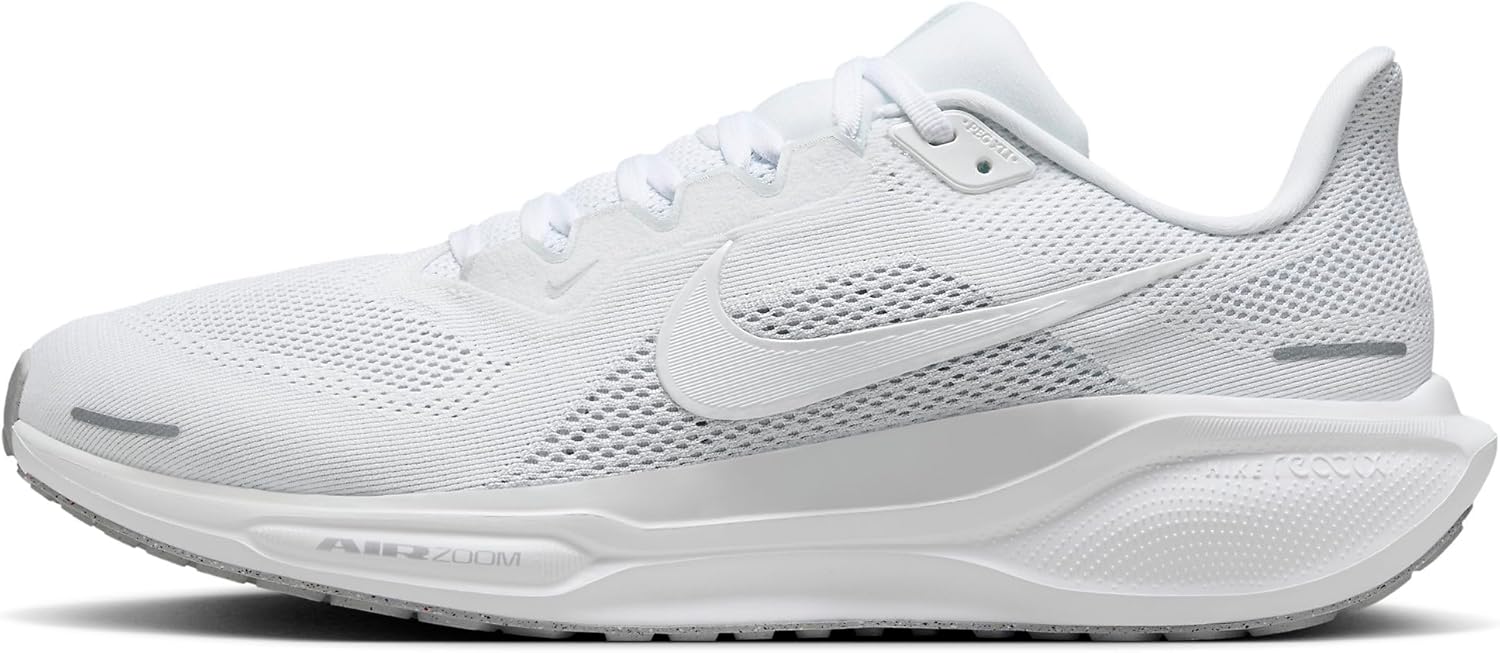
When Shoes Aren’t Enough — Dr. Tom’s Top 9 Orthotics
About 30% of patients I see for foot pain need MORE than a great shoe — they need a structured insole. Below: my complete 2026 orthotic ranking with pros, cons, and the specific patient I’d give each one to.




Frequently Asked Questions
How long does treatment take to work?
Most patients see improvement in 4-8 weeks with consistent conservative care. Persistent symptoms after 8 weeks need imaging and escalation.
When is surgery needed?
Surgery is reserved for cases that fail 3-6 months of conservative care, structural deformities, or fractures requiring stabilization.
Is this covered by insurance?
Most diagnostic visits and conservative treatments are covered by Medicare and major insurers. Custom orthotics often require diabetic or post-surgical justification.
PubMed: Pes Cavus — High Arch Foot
Ready to Get Relief?
Same-day appointments available in Howell & Bloomfield Township, MI
4.9★ | 1,123 Reviews | 3,000+ Surgeries
Or call: (810) 206-1402

Dr. Tom Biernacki, DPM is a board-certified foot & ankle surgeon (ABFAS & ABPM) at Balance Foot & Ankle Specialists in Southeast Michigan. With over a decade of clinical experience, he specializes in heel pain, bunions, diabetic foot care, sports injuries, and minimally invasive surgery. Dr. Biernacki is a member of the APMA and ACFAS, and his patient education content on MichiganFootDoctors.com and YouTube has made him one of the most-followed foot & ankle educators on YouTube.