
Medically reviewed by Dr. Tom Biernacki, DPM
Board-certified podiatric surgeon | Balance Foot & Ankle, Howell & Bloomfield Township, MI
Last reviewed: May 2026

Quick answer: Pilon Fracture Recovery is a common foot/ankle topic that affects many patients. The 2026 evidence-based approach combines proper diagnosis, conservative-first treatment, and escalation only when needed. We treat this regularly at our Howell and Bloomfield Township practices. Call (810) 206-1402.
The most important clinical decision with Pilon Fracture Recovery isn’t which treatment to start with — it’s identifying the correct subtype. That changes everything. Call (810) 206-1402.
What Is a Pilon Fracture?
A pilon fracture (tibial plafond fracture) is a fracture of the distal tibia that involves the weight-bearing articular surface of the ankle joint. These are high-energy injuries typically caused by axial loading — falls from height, motor vehicle accidents, or skiing injuries. The fibula is usually fractured as well.
Why Pilon Fractures Are So Serious
The tibial plafond (ceiling of the ankle joint) is load-bearing cartilage. When this surface is shattered, restoring a smooth, congruent joint surface is critical for long-term ankle function. Complicating this is severe soft tissue injury — the skin over the ankle is under tremendous stress from the fracture displacement and swelling, making wound healing after surgery a major challenge.
Staged Surgical Treatment
Most pilon fractures are treated with staged surgery: Stage 1 (day of injury) involves emergency external fixation to restore length and alignment and decompress the soft tissues, without definitive fixation. Stage 2 (7–21 days later, once swelling has decreased and skin has improved) involves definitive ORIF — open reduction and internal fixation of the tibial plafond with plates and screws.
Recovery Milestones
Typical recovery timeline: 0–6 weeks: non-weight-bearing, strict elevation; 6–12 weeks: progression to partial weight-bearing if healing confirmed on X-ray; 12–16 weeks: progressive weight-bearing, aggressive physical therapy for range of motion and strength; 6–12 months: most patients reach functional plateau. Return to demanding physical activity may take 18–24 months.
Physical Therapy Focus Areas
Ankle range of motion (dorsiflexion is most critical for normal gait), calf strength, proprioception and balance, and gait retraining. Pool walking and early aquatic therapy help maintain fitness without joint loading.
Common Complications
Wound complications and infection (the most feared early complication), hardware failure, malunion, nonunion, post-traumatic ankle arthritis (affects the majority of pilon fracture patients long-term), and complex regional pain syndrome (CRPS).
Long-Term Outcomes and Ankle Fusion
Even after excellent surgery, the majority of pilon fracture patients develop post-traumatic ankle arthritis within 5–10 years due to cartilage damage at the time of injury. Ankle fusion (arthrodesis) or total ankle replacement are potential future interventions if arthritis becomes disabling.
Frequently Asked Questions
How long until I can walk after a pilon fracture? Most patients begin partial weight-bearing around 10–12 weeks and full weight-bearing by 12–16 weeks, depending on healing and surgeon assessment.
Will I have permanent ankle problems? Most pilon fracture patients have some permanent limitations in ankle motion and may develop arthritis, but the majority can return to a good quality of life with time and therapy.
When Shoes Aren’t Enough — Dr. Tom’s Top 9 Orthotics
About 30% of patients I see for foot pain need MORE than a great shoe — they need a structured insole. Below: my complete 2026 orthotic ranking with pros, cons, and the specific patient I’d give each one to.

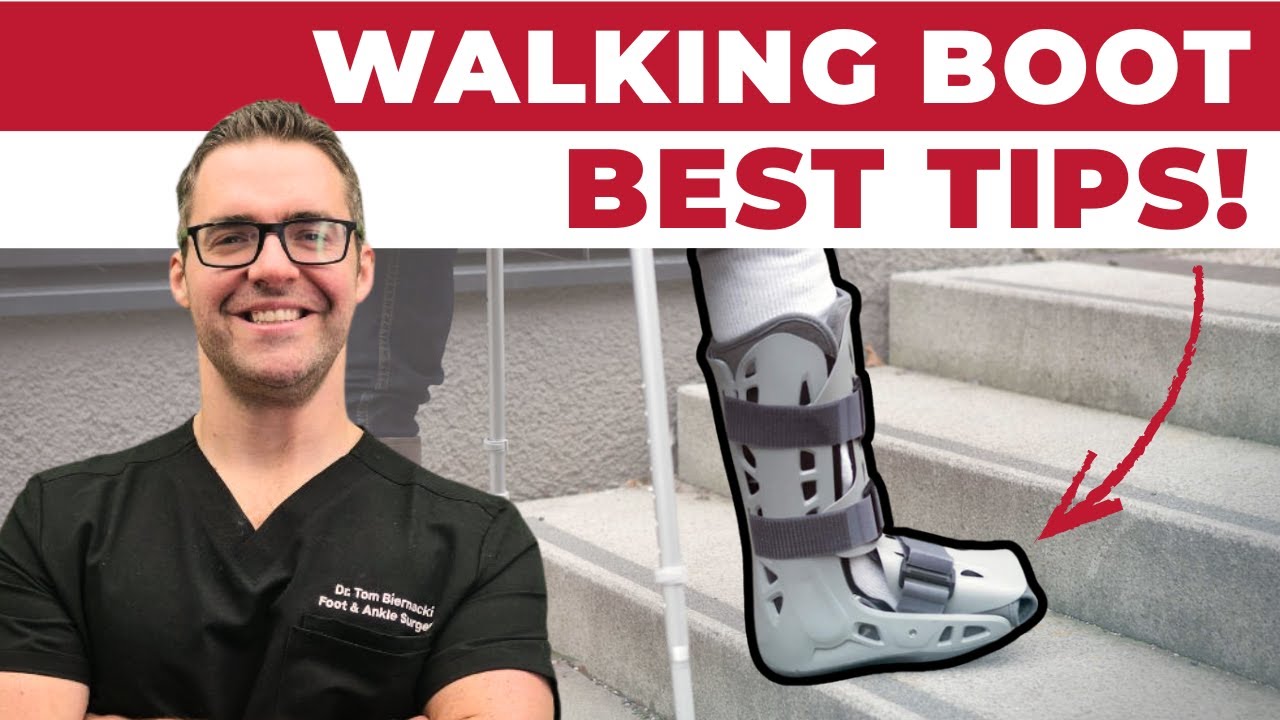





What is Stress fracture?
Stress fracture is a common foot/ankle condition that affects mobility and quality of life. Understanding the underlying cause is the first step in successful treatment. Our podiatrists at Balance Foot & Ankle perform a hands-on biomechanical exam, review your activity history, and use diagnostic imaging when appropriate to identify the root cause—not just treat the symptom. Many patients have been told to “rest and ice” without a deeper diagnostic workup; our approach is different.
Symptoms and warning signs
Common signs of stress fracture include pain that worsens with activity, morning stiffness, swelling, tenderness when palpated, and difficulty bearing weight. If you experience sudden severe pain, inability to walk, visible deformity, numbness or color change, contact our office the same day or visit urgent care—these can signal a more serious injury such as a fracture, tendon rupture, or vascular compromise. Diabetics with any foot wound should seek same-day care.
Conservative treatment options
Most cases of stress fracture respond to non-surgical care: structured rest, supportive footwear changes, custom orthotics, targeted stretching and strengthening protocols, anti-inflammatory medications when medically appropriate, and in-office procedures such as ultrasound-guided injections. We also offer advanced therapies including MLS laser therapy, EPAT/shockwave, regenerative injections, and image-guided procedures. Treatment is sequenced from least invasive to most invasive, and we explain the rationale at every step.
When is surgery considered?
Surgery is reserved for cases that fail 3-6 months of well-structured conservative care, when there is structural pathology (severe deformity, complete tear, advanced arthritis), or when imaging shows damage that will not heal without intervention. Our surgeons have performed 3,000+ foot and ankle procedures and prioritize minimally-invasive techniques whenever appropriate. We discuss recovery timelines, return-to-activity milestones, and realistic outcome expectations before any procedure is scheduled.
Recovery timeline and prevention
Recovery from stress fracture varies based on severity and chosen treatment path. Conservative cases often improve within 4-8 weeks with consistent adherence to the protocol. Post-procedural recovery may range from a few days (in-office procedures) to several months (reconstructive surgery). Long-term prevention involves footwear assessment, activity modification, structured strengthening, and regular check-ins with your podiatrist if you have a history of recurrence. We provide written home-exercise plans and digital follow-up support.
In-Office Treatment at Balance Foot & Ankle
If home treatment isn’t providing relief for your foot and ankle conditions, our podiatry team at Balance Foot & Ankle can help with same-day evaluations and advanced in-office care.
Ready to Get Relief?
Same-day appointments available in Howell & Bloomfield Township, MI
4.9★ | 1,123 Reviews | 3,000+ Surgeries
Or call: (810) 206-1402

Dr. Tom Biernacki, DPM is a board-certified foot & ankle surgeon (ABFAS & ABPM) at Balance Foot & Ankle Specialists in Southeast Michigan. With over a decade of clinical experience, he specializes in heel pain, bunions, diabetic foot care, sports injuries, and minimally invasive surgery. Dr. Biernacki is a member of the APMA and ACFAS, and his patient education content on MichiganFootDoctors.com and YouTube has made him one of the most-followed foot & ankle educators on YouTube.