
★ 4.9 Stars · 1,123+ Reviews · Balance Foot & Ankle Michigan
Podiatry Glossary
Board-certified podiatrists in Howell & Bloomfield Township, MI. 4.9★ rated · Same-week appointments · Most insurance accepted · (810) 206-1402.
Podiatry Medical Glossary: Your Guide to Common Foot & Ankle Terms
At Balance Foot & Ankle, we believe patient education is the foundation of excellent care. Whether you’re experiencing foot pain, preparing for a consultation, or simply want to understand podiatric terminology, our comprehensive glossary demystifies common conditions, anatomy, and treatment options. Each definition is written in plain English so you can understand your diagnosis and treatment plan with confidence. Bookmark this page for quick reference, and don’t hesitate to contact our Howell or Bloomfield Township offices with questions about your specific situation.
Essential Podiatry Terms Explained
Plantar Fascia
The plantar fascia is a thick band of tissue running along the bottom of your foot, connecting your heel to your toes. It provides arch support and absorbs impact during walking and standing. When inflamed, it leads to plantar fasciitis. Learn more at our plantar fasciitis treatment page.
Metatarsal
The metatarsals are five long bones in the middle of your foot connecting your toes to your arch. They distribute pressure evenly across the ball of your foot during movement. Metatarsal pain causes burning in the ball of the foot, swelling, and difficulty bearing weight. Custom orthotics from Balance Foot & Ankle are designed to redistribute pressure and alleviate metatarsal discomfort.
Neuroma (Morton’s Neuroma)
A neuroma is a benign growth of nerve tissue, most commonly occurring between the third and fourth toes. This enlarged nerve causes burning or sharp pain in the ball of the foot, numbness or tingling between the toes, and a sensation of a lump in the forefoot. Conservative treatments including custom orthotics often provide relief by reducing nerve compression.
Hallux Valgus (Bunion)
Hallux valgus, commonly called a bunion, is a bony bump that forms at the base of the big toe when the toe angles inward and the metatarsal head drifts outward. Symptoms include a visible bony protrusion, pain, redness, swelling, and difficulty fitting shoes. Advanced cases benefit from bunion surgery at Balance Foot & Ankle.
Orthotic / Custom Orthotic
An orthotic is a specially designed shoe insert that corrects foot mechanics, redistributes pressure, and provides support for the arch and heel. Custom orthotics are personalized to your unique foot structure and gait pattern using advanced 3D imaging. They reduce heel, arch, and ball-of-foot pain, improve alignment, and prevent progression of conditions like bunions and hammertoes. Learn about custom orthotics at Balance Foot & Ankle.
Achilles Tendon
The Achilles tendon is the largest tendon in the body, connecting the calf muscle to the heel bone. It enables walking, running, jumping, and standing on toes. Achilles problems cause pain and stiffness in the heel or lower calf, swelling, and weakness when pushing off. Our specialists can evaluate your condition through our ankle and sports injury services.
Onychomycosis (Toenail Fungus)
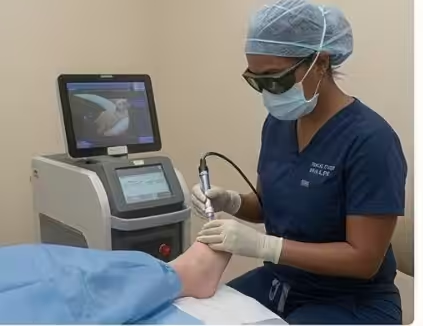
Onychomycosis is a fungal infection of the toenails causing discoloration, thickening, and deterioration of the nail structure. It’s contagious and can spread to other nails or skin if untreated. Advanced treatment options at Balance Foot & Ankle include laser therapy and prescription topical treatments. Learn more at our toenail fungus treatment page.
Hammertoe
A hammertoe is a permanent bend in the middle joint of a toe, causing it to resemble a hammer. This deformity typically affects the second through fifth toes and often develops alongside bunions. Early intervention with custom orthotics can slow progression, while advanced cases may require surgical correction to restore normal toe alignment.
Plantar Fasciitis
Plantar fasciitis is inflammation of the plantar fascia caused by repetitive strain, overuse, or biomechanical dysfunction. It’s one of the most common causes of heel pain. Symptoms include intense heel pain upon first steps in the morning and pain that intensifies after standing. Explore our comprehensive approach to plantar fasciitis treatment for personalized solutions.
Neuropathy (Peripheral/Diabetic)
Neuropathy is nerve damage causing weakness, numbness, or pain, most often in the feet and hands. Diabetic neuropathy requires specialized preventive care and early intervention. Symptoms include numbness, tingling or burning in the feet, loss of balance, and slow-healing wounds. Balance Foot & Ankle specializes in comprehensive diabetic foot care including regular monitoring and preventive education.
Need Expert Foot Care? We’re Here to Help
Understanding your foot condition is the first step toward lasting relief. Whether you recognize your symptoms in this glossary or simply want to discuss foot health with a specialist, Balance Foot & Ankle is ready to provide personalized care at both our Howell and Bloomfield Township locations.
Call us today: (810) 206-1402
Howell Office: 4330 E Grand River Ave, Howell, MI 48843
Bloomfield Township Office: 43494 Woodward Ave #208, Bloomfield Township, MI 48302
Podiatrist-Recommended Products
Understanding your diagnosis is the first step. The next step is getting the right support. These are the products our podiatrists most frequently recommend to patients managing foot and ankle conditions:
Amazon Affiliate Disclosure: As an Amazon Associate, Balance Foot & Ankle earns from qualifying purchases at no additional cost to you.
No products found.
No products found.
See our complete Podiatrist-Recommended Products Guide for footwear, orthotics, braces, and pain relief products selected by our doctors.
Have Questions About Your Diagnosis?
Our board-certified podiatrists in Howell & Bloomfield Township, MI can explain your condition and create a plan tailored to your foot type.
4.9★ | 1,123 Reviews | 3,000+ Surgeries
Or call: (810) 206-1402
Frequently Asked Questions
When should I see a podiatrist?
If symptoms persist past 2 weeks, affect your normal activity, or are accompanied by red-flag symptoms (warmth, redness, swelling, inability to bear weight).
What does treatment cost?
Most diagnostic visits and conservative treatments are covered by Medicare and major insurers. Out-of-pocket costs vary by your specific plan.
How quickly can I get an appointment?
Most non-urgent cases see us within 5 business days. Urgent cases (sudden pain, possible fracture) typically same or next business day.