Expert Foot & Ankle Treatment from Michigan’s #1 Podiatrist - Balance Foot & Ankle Specialist
As Seen on YouTube
Trusted by 1M+ Social Media Followers
Expert Foot & Ankle Treatment from Michigan’s #1 Podiatrist - Balance Foot & Ankle Specialist
Trusted by 1M+ Social Media Followers
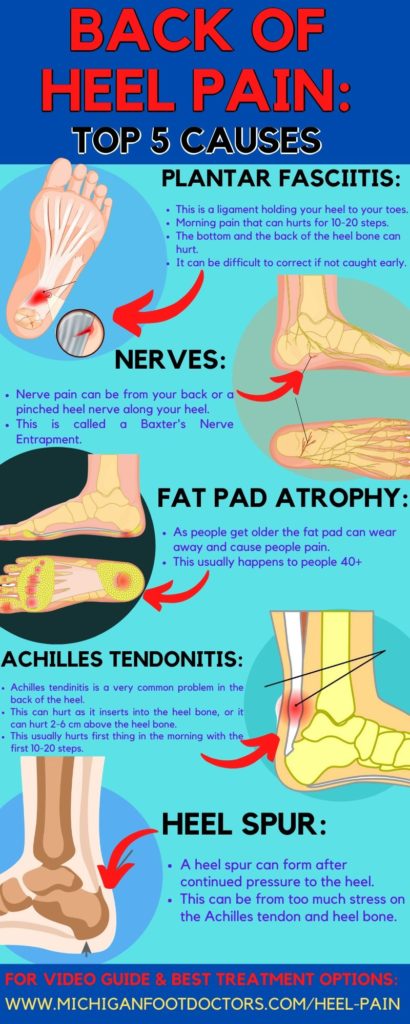
Posterior Heel Pain: 95% of the time, this is Achilles tendinitis, retrocalcaneal bursitis, or a back of the heel spur. Fix it FAST!
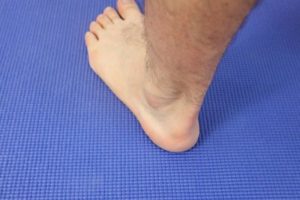
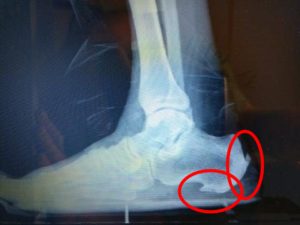
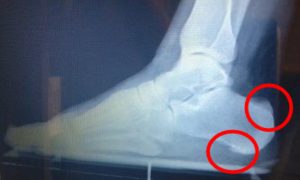
Back of the heel pain is most commonly caused by the Achilles tendon and back of the calcaneus damage.
The most common causes of back heel pain are:


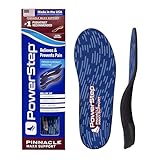
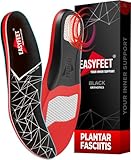
Best Full Length Orthotics:


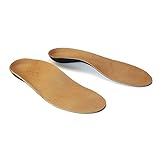
Best Dress Shoe Orthotics:


Best 3/4 Length Orthotics:


Posterior heel pain refers to discomfort or soreness at the back of the heel, where the Achilles tendon attaches to the heel bone. It can result from overuse, inflammation, or structural issues.
Common causes include Achilles tendinitis, retrocalcaneal bursitis, Haglund’s deformity, calcaneal apophysitis (in children), or even poorly fitting shoes that rub against the heel.
Symptoms often include swelling, tenderness at the back of the heel, stiffness, and pain that worsens with activity, especially after periods of rest or when wearing certain types of shoes.
A doctor or podiatrist will perform a physical exam, ask about your symptoms and activity level, and may order X-rays, ultrasound, or MRI to identify inflammation, bony spurs, or tendon damage.
Achilles tendinitis involves inflammation of the Achilles tendon, while retrocalcaneal bursitis is inflammation of the bursa (fluid-filled sac) between the tendon and the heel bone. Both can cause posterior heel pain but may require slightly different treatments.
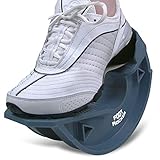
Treatment may include rest, ice, anti-inflammatory medications, heel lifts, proper footwear, stretching exercises, and sometimes physical therapy. Severe cases may require immobilization or even surgery.
Yes. High-heeled shoes, tight shoes, or stiff-backed footwear can increase pressure and irritation at the heel, contributing to or worsening the condition. Supportive, cushioned shoes are recommended.
Recovery depends on the cause and severity, but mild to moderate cases typically improve within a few weeks with proper care. Chronic or more severe cases may take several months and require a combination of therapies.