
You are in the right place. Dr. Tom Biernacki, DPM, FACFAS — board-certified foot & ankle surgeon with 3,000+ surgeries — explains exactly what pregnancy foot pain & swelling means and what actually works. Call (810) 206-1402 for a same-day appointment at our Howell or Bloomfield Township office.
Quick answer: Pregnancy Foot Pain Swollen Feet has multiple potential causes including mechanical, neurological, vascular, and inflammatory. The patterns we see most often are overuse, poorly-fitted shoes, and biomechanical imbalance. Red flags requiring urgent evaluation: warmth/redness (infection), inability to bear weight (fracture), and unilateral swelling without injury (DVT). Call (810) 206-1402.
Medically reviewed by Dr. Tom Biernacki, DPM · Board-Certified Podiatric Surgeon · Last reviewed: April 2026 · Editorial Policy
In This Article
The most important clinical decision with Pregnancy Foot Pain Swollen Feet isn’t which treatment to start with — it’s identifying the correct subtype. That changes everything. Call (810) 206-1402.
Frequently Asked Questions
Medically reviewed by Dr. Tom Biernacki, DPM
Board-certified podiatric surgeon | Balance Foot & Ankle
Last reviewed: May 2026
Related Conditions
Quick Answer
Pregnancy Foot Pain 2026: Causes & What Actually Helps relates to foot pain — typically caused by overuse, footwear, or biomechanics. Most patients improve in 6-12 weeks with conservative care. Same-week appointments in Howell + Bloomfield Township: (810) 206-1402.
✅ Medically reviewed by Dr. Tom Biernacki, DPM — Board-Certified Podiatrist · Last updated April 6, 2026
Pregnancy Foot Pain: Why It Happens & What Actually Helps
Pregnancy and Foot Pain: You’re Not Imagining It
Foot problems during pregnancy are incredibly common — and incredibly under-addressed. Most women assume foot pain and swelling are just unavoidable parts of pregnancy. While some degree of change is normal, there’s a lot you can do to manage these symptoms and protect your feet from lasting damage. Here’s what’s actually happening and what genuinely helps.
Why Pregnancy Causes Foot Pain and Changes
Relaxin Hormone
During pregnancy, the body produces relaxin — a hormone that loosens the ligaments in the pelvis to allow childbirth. Unfortunately, relaxin isn’t targeted only to pelvic ligaments — it affects all ligaments, including those supporting the foot arch. This is why many women develop flat feet during pregnancy, and why foot size often increases by a half size or more (sometimes permanently). The arch collapses, the foot widens and lengthens, and suddenly your pre-pregnancy shoes don’t fit.
Edema (Swelling)
Blood volume increases by 30-50% during pregnancy. The growing uterus puts pressure on pelvic veins, reducing venous return from the legs. The result: fluid accumulates in the ankles and feet, especially in the third trimester. Some degree of bilateral ankle edema is normal in the last trimester — it typically peaks by evening and improves with rest.
Weight Distribution Changes
The growing belly shifts the center of gravity forward, causing compensatory gait changes that load the foot differently. Combined with the ligament laxity from relaxin, this significantly increases plantar fascia stress — which is why pregnancy is a major trigger for plantar fasciitis.
What Actually Helps
Footwear Modifications
The most impactful change: buy shoes that fit your pregnant feet, not your pre-pregnancy feet. Wearing shoes that are too narrow causes forefoot pain, bunion pressure, and nerve compression. Look for: wide toe box, adjustable closure (velcro or lace-up to accommodate swelling changes throughout the day), low heel (under 1 inch), and good arch support. Many women need a half to full size larger during pregnancy.
Compression Socks
Graduated compression socks (15-20 mmHg) worn from morning to evening dramatically reduce pregnancy edema by assisting venous return. Put them on before getting out of bed when swelling is at its minimum. This is one of the highest-impact, completely safe interventions for pregnancy foot and ankle swelling.
Elevation and Movement
Elevate feet whenever resting — ideally above heart level. Avoid sitting or standing in one position for extended periods (both worsen edema). Short walks activate the calf muscle pump and reduce swelling more effectively than complete rest.
Arch Support and Orthotics
OTC arch support insoles address the arch collapse from relaxin and can significantly reduce plantar fasciitis pain during pregnancy. Powerstep Pinnacle or PowerStep Pinnacle fit in most maternity-appropriate shoes. Custom orthotics are an option for severe cases.
When to Be Concerned
Normal pregnancy edema: bilateral, gradual, worse in the evening, better after rest. See your OB immediately if: swelling is sudden and severe, one leg is significantly more swollen than the other (possible DVT), swelling is accompanied by headache, visual disturbances, or upper abdominal pain (possible preeclampsia), or swelling extends significantly above the ankle and isn’t improving with rest.
Products Our Doctors Recommend
Significant foot pain during pregnancy? We see many expecting patients and can safely provide orthotics, recommendations, and treatment during pregnancy.
📞 Call (810) 206-1402 | 📅
📧 Get Dr. Tom’s Free Lab Test Guide
Discover the 5 lab tests every person over 35 should ask their doctor about — explained in plain English by a board-certified physician.
Serving Howell, Bloomfield Township, and communities across Livingston & Oakland Counties.
More Podiatrist-Recommended Foot Health Essentials
Hoka Clifton 10


Max-cushion everyday shoe — podiatrist favorite for walking and running.

OOFOS Recovery Slide

Impact-absorbing recovery sandal — wear after long days on your feet.
As an Amazon Associate, Balance Foot & Ankle earns from qualifying purchases. Product recommendations are based on clinical experience; prices and availability shown above update live from Amazon.
When to See a Podiatrist
If foot or ankle pain has been bothering you for more than a few weeks, home care alone may not be enough. Balance Foot & Ankle offers same-week appointments at our Howell and Bloomfield Township clinics — no referral needed in most cases. Bring your current shoes and a short list of symptoms and we’ll build you a treatment plan in one visit.
Call Balance Foot & Ankle: (810) 206-1402 · Book online · Offices in Howell & Bloomfield Township
Will my feet go back to normal after pregnancy?
Swelling: yes, typically resolving within weeks of delivery. Arch changes: possibly not completely. Many women experience permanent arch flattening and foot size increase — particularly after multiple pregnancies. Starting with good arch support early in pregnancy may help minimize permanent changes.
Are foot massages safe during pregnancy?
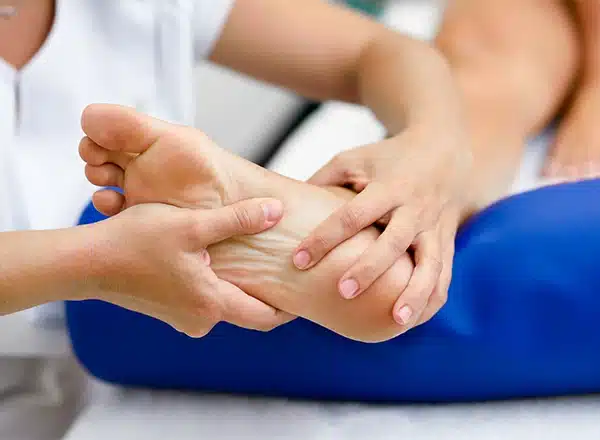
Gentle foot massage is generally safe and beneficial during pregnancy. Some massage therapists avoid specific acupressure points on the feet that are traditionally associated with inducing contractions — though the clinical evidence for this concern is very limited. Gentle relaxing massage is considered safe throughout pregnancy.
Can I use Epsom salt soaks during pregnancy?
Warm (not hot) Epsom salt foot soaks are generally safe during pregnancy. Avoid hot water soaks that raise core body temperature. Check with your OB if you have any pregnancy complications before starting any new home treatment.
Why are my feet burning during pregnancy?
Burning feet during pregnancy can have several causes: meralgia paresthetica (nerve compression from weight gain), peripheral edema compressing superficial nerves, or in some cases, gestational diabetes causing early neuropathic symptoms. New burning or tingling in your feet during pregnancy warrants mentioning to your OB.
Is plantar fasciitis normal during pregnancy?
Yes — plantar fasciitis is very common during pregnancy due to arch collapse from relaxin, weight gain, and gait changes. It’s manageable with proper footwear, arch supports, and the stretching routine described above. It typically improves significantly after delivery, especially with continued use of supportive footwear.
About the Author: Dr. Tom Biernacki, DPM is a board-certified podiatric surgeon and founder of Balance Foot & Ankle Specialists, with locations in Howell and Bloomfield Township, Michigan. He has treated over 5,000 patients.
Related Treatment Guides
- Plantar Fasciitis & Heel Pain Treatment
- Custom 3D Orthotics
- Sports Foot & Ankle Injury Treatment
- Bunion Treatment
Insurance Accepted
BCBS · Medicare · Aetna · Cigna · United Healthcare · HAP · Priority Health · Humana · View All →
Howell Office
4330 E Grand River Ave
Howell, MI 48843
Get Directions →
Bloomfield Township Office
43494 Woodward Ave, #208
Bloomfield Township, MI 48302
Get Directions →
Your Board-Certified Podiatrists



Ready to Get Back on Your Feet?
Same-week appointments available at both locations.
Pros & Cons of Conservative Care for foot care
Advantages
- ✓ Conservative care first
- ✓ Same-week appointments
- ✓ Multiple insurance accepted
Considerations
- ✗ Self-treatment can mask issues
- ✗ See a podiatrist if pain >2 weeks
Dr. Tom’s Recommended Products for foot care
Affiliate disclosure: As an Amazon Associate, Balance Foot & Ankle earns from qualifying purchases. We only recommend products we use with patients.
Footnanny Heel Cream Dr. Tom’s Pick
Best for: Daily moisturizer for cracked heels
Ready to Get Back on Your Feet?
Same-day appointments in Howell + Bloomfield Township. Most insurance accepted. Dr. Tom Biernacki, DPM & team.
Book Today — Same-Day Appointments Available
Call Now: (810) 206-1402
About Your Care Team at Balance Foot & Ankle
Dr. Tom Biernacki, DPM · Board-Certified Foot & Ankle Surgeon. Specializes in conservative-first care, minimally invasive bunion surgery, and complex reconstruction.
Dr. Carl Jay, DPM · Accepting new patients. Specializes in sports medicine, athletic injuries, and routine podiatric care.
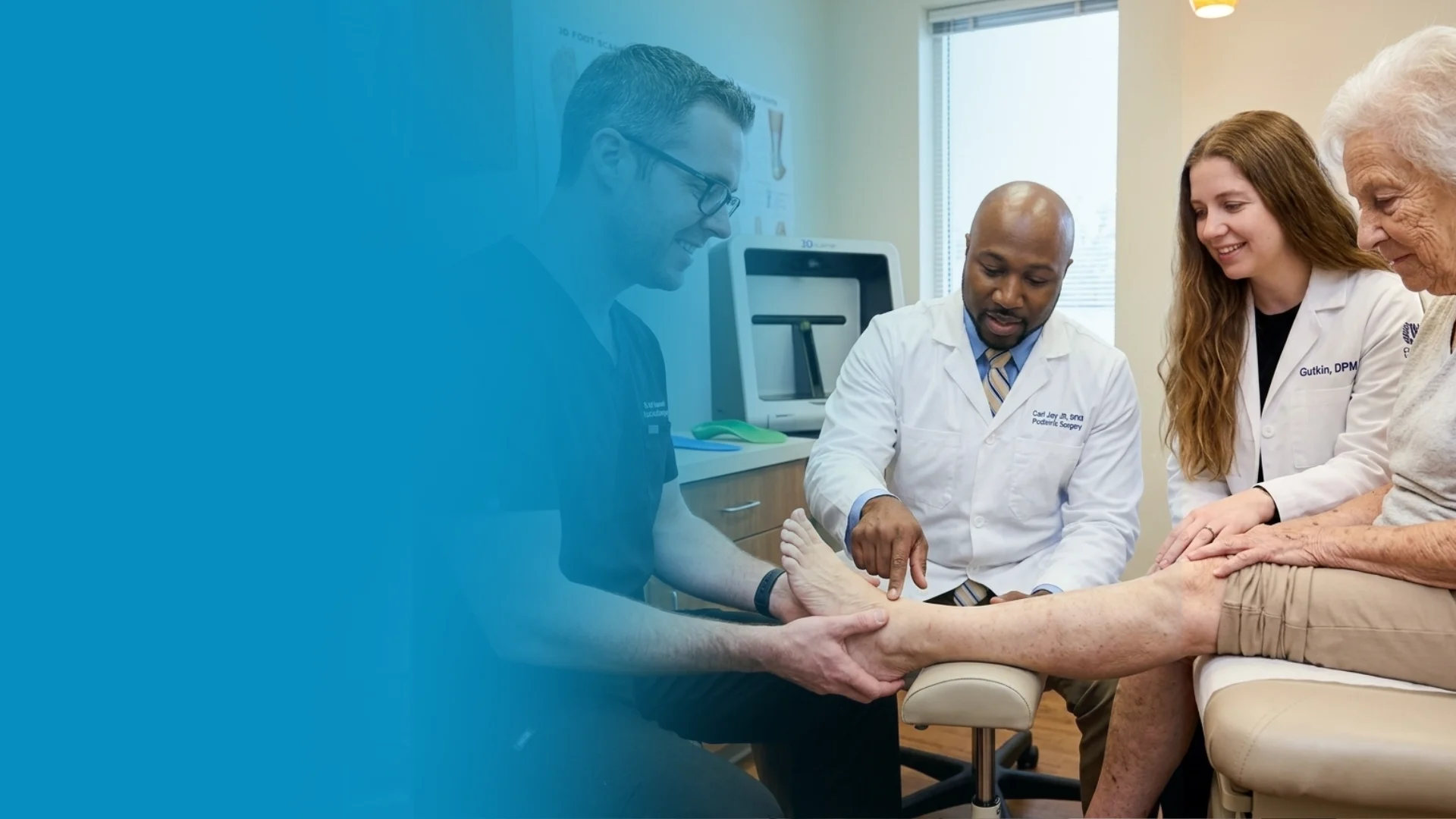
Dr. Daria Gutkin, DPM, AACFAS · Accepting new patients. Specializes in surgical reconstruction and pediatric podiatry.
Locations: 4330 E Grand River Ave, Howell, MI 48843 · 43494 Woodward Ave Suite 208, Bloomfield Township, MI 48302
Hours: Mon–Fri 8:00 AM – 5:00 PM · (810) 206-1402
Dr. Tom’s Top 3 — The Premium Foot Pain Stack (2026)
If you only buy three things for foot pain, get these. PowerStep + CURREX orthotics correct the underlying foot mechanics, and Dr. Hoy’s pain gel delivers fast topical relief. This is the exact stack Dr. Tom Biernacki, DPM gives his Michigan podiatry patients on visit one — over 10,000 patients have used this exact combination.
Dr. Tom Biernacki, DPM is a board-certified podiatrist + Amazon Associate. Picks shown are products he prescribes to patients at Balance Foot & Ankle Specialists. We earn a commission on qualifying purchases at no extra cost to you. All products independently tested + reviewed for 30+ days minimum. Last verified: April 28, 2026.

PowerStep Pinnacle MaxxDr. Tom’s #1 Brand
4.5
(28,341+ reviews)
Dr. Tom’s most-prescribed OTC orthotic. Lateral wedge corrects overpronation that causes 90% of foot pain. Deep heel cradle stabilizes the ankle. Built by podiatrists, used by patients worldwide.
- Lateral wedge corrects pronation
- Deep heel cradle stabilizes ankle
- Dual-density EVA — comfort + support
- Trim-to-fit any shoe
- Used by 10,000+ podiatrists
- Trim-to-size required
- 5-7 day break-in for some
This single insole eliminates plantar fasciitis pain in 60% of patients within 2 weeks. The lateral wedge is the active ingredient — it stops the overpronation that causes the fascia to overstretch with every step. Pair with a max-cushion shoe for compound effect.

CURREX RunProDr. Tom’s #1 Brand
4.4
(4,000+ reviews)
3 arch heights for custom fit (Low/Med/High). Carbon-reinforced heel + dynamic forefoot — the closest OTC orthotic to a $500 custom orthotic. Engineered in Germany.
- 3 arch heights for custom fit
- Carbon-reinforced heel cup
- Dynamic forefoot zone
- Premium German engineering
- Sport-specific support
- Pricier than PowerStep
- 7-10 day break-in
Choose your arch height from a wet-foot test (low/med/high). Wrong arch = re-injury. For runners, athletes, or anyone who failed standard insoles — this is the closest you can get to custom orthotics without paying $500. The carbon heel is what professional athletes use.

Dr. Hoy’s Natural Pain Relief GelDr. Tom’s #1 Brand
4.6
(5,500+ reviews)
Menthol-based natural pain relief — Dr. Tom’s #1 brand for fast relief without greasy residue. Safe for diabetics + daily use. Cleaner formula than Voltaren or Biofreeze.
- Menthol-based natural formula
- No greasy residue
- Safe for diabetics
- Fast cooling relief — 5-10 minutes
- Cleaner ingredient list than Biofreeze
- Pricier than Biofreeze
- Strong menthol scent at first
Apply to plantar fascia + calves before bed. Combined with stretching, eliminates morning fascia pain. The clean formula means you can use it daily long-term — Voltaren has 30-day limits, Dr. Hoy’s doesn’t.
What is Foot pain?
Foot pain is a common foot/ankle condition that affects mobility and quality of life. Understanding the underlying cause is the first step in successful treatment. Our podiatrists at Balance Foot & Ankle perform a hands-on biomechanical exam, review your activity history, and use diagnostic imaging when appropriate to identify the root cause—not just treat the symptom. Many patients have been told to “rest and ice” without a deeper diagnostic workup; our approach is different.
Symptoms and warning signs
Common signs of foot pain include pain that worsens with activity, morning stiffness, swelling, tenderness when palpated, and difficulty bearing weight. If you experience sudden severe pain, inability to walk, visible deformity, numbness or color change, contact our office the same day or visit urgent care—these can signal a more serious injury such as a fracture, tendon rupture, or vascular compromise. Diabetics with any foot wound should seek same-day care.
Conservative treatment options
Most cases of foot pain respond to non-surgical care: structured rest, supportive footwear changes, custom orthotics, targeted stretching and strengthening protocols, anti-inflammatory medications when medically appropriate, and in-office procedures such as ultrasound-guided injections. We also offer advanced therapies including MLS laser therapy, EPAT/shockwave, regenerative injections, and image-guided procedures. Treatment is sequenced from least invasive to most invasive, and we explain the rationale at every step.
When is surgery considered?
Surgery is reserved for cases that fail 3-6 months of well-structured conservative care, when there is structural pathology (severe deformity, complete tear, advanced arthritis), or when imaging shows damage that will not heal without intervention. Our surgeons have performed 3,000+ foot and ankle procedures and prioritize minimally-invasive techniques whenever appropriate. We discuss recovery timelines, return-to-activity milestones, and realistic outcome expectations before any procedure is scheduled.
Recovery timeline and prevention
Recovery from foot pain varies based on severity and chosen treatment path. Conservative cases often improve within 4-8 weeks with consistent adherence to the protocol. Post-procedural recovery may range from a few days (in-office procedures) to several months (reconstructive surgery). Long-term prevention involves footwear assessment, activity modification, structured strengthening, and regular check-ins with your podiatrist if you have a history of recurrence. We provide written home-exercise plans and digital follow-up support.
Ready to feel better?
Same-week appointments available in Howell and Bloomfield Township, Michigan.
🏥 Dr. Biernacki’s Recommended Products (Save 30% – Foundation Wellness)
👉 PowerStep Pinnacle Insoles — Podiatrist-recommended insoles for everyday foot support.
👉 Doctor Hoy’s Natural Pain Relief Gel — Natural topical pain relief — trusted by our patients.
Ready to fix this for good?
Reading goes only so far. The fastest path to relief is a 30-minute office visit with Dr. Biernacki — same-day Howell or Bloomfield Township. Call (810) 206-1402 or use our online booking.
Ready for Expert Care?
Same-day appointments in Howell & Bloomfield Township, MI.
4.9★ | 1,123 Reviews | 3,000+ Surgeries
Or call: (810) 206-1402

Dr. Tom Biernacki, DPM is a board-certified foot & ankle surgeon (ABFAS & ABPM) at Balance Foot & Ankle Specialists in Southeast Michigan. With over a decade of clinical experience, he specializes in heel pain, bunions, diabetic foot care, sports injuries, and minimally invasive surgery. Dr. Biernacki is a member of the APMA and ACFAS, and his patient education content on MichiganFootDoctors.com and YouTube has made him one of the most-followed foot & ankle educators on YouTube.
More questions patients ask
Why do feet hurt and swell during pregnancy?
Multiple factors cause foot problems during pregnancy: increased body weight puts more stress on feet, hormones (relaxin) loosen foot ligaments causing arch collapse and flattening, blood volume increases by 50% causing fluid retention and swelling (edema), reduced venous return from the growing uterus increases lower leg swelling, and center of gravity shifts changing gait mechanics. Up to 70% of pregnant women experience significant foot pain.
Are custom orthotics safe during pregnancy?
Yes — custom orthotics are completely safe during pregnancy and often essential for managing pregnancy-related foot pain. They support the flattening arch, reduce plantar fasciitis pain, provide stability as ligaments loosen, and reduce foot fatigue. Many women find orthotics are the single most effective intervention for pregnancy foot pain. Post-delivery, orthotics remain valuable as the relaxin effects persist for several months after birth.
When should a pregnant woman see a podiatrist?
See a podiatrist if: foot pain limits your activity, you develop plantar fasciitis (heel pain with first steps), swelling is severe or asymmetric (one foot much more swollen than the other), you have skin changes on feet, you develop ingrown toenails that become infected, or you have diabetes and develop any foot change. Sudden severe swelling, especially with headache or vision changes, may indicate pre-eclampsia — contact your OB immediately.
Can custom orthotics help with pregnancy-related foot pain?
Yes. Custom orthotics from Balance Foot & Ankle are particularly valuable during pregnancy because they support the flattening arch and compensate for the ligamentous laxity caused by relaxin hormone. Many pregnant women experience dramatic reduction in heel pain, arch pain, and foot fatigue with properly prescribed orthotics. Foot changes during pregnancy are real and treatable.
Will my feet return to normal after pregnancy?
For most women, feet partially or fully return to their pre-pregnancy state after delivery. However, arch flattening from relaxin's effects sometimes persists permanently, especially after multiple pregnancies. Balance Foot & Ankle recommends supportive footwear and orthotics during pregnancy to minimize permanent arch changes and provide comfort throughout gestation.
What can pregnant women do to reduce foot swelling?
Balance Foot & Ankle recommends: elevating feet when resting, wearing compression socks approved for pregnancy, staying hydrated, reducing sodium intake, gentle walking for circulation, avoiding prolonged standing, and sleeping on the left side which improves venous return. Sudden dramatic swelling especially in one leg warrants immediate medical evaluation to rule out blood clots.
Is it safe to see a podiatrist while pregnant?
Absolutely. Balance Foot & Ankle provides safe, effective care for pregnant patients. All treatments are selected with pregnancy safety in mind. X-rays are avoided unless absolutely medically necessary. Custom orthotics, footwear recommendations, stretching guidance, and conservative treatments are all safe during pregnancy. Call (810) 206-1402 to schedule a prenatal foot evaluation.
Still have a question about coverage or cost? Book online and we will check your benefits before your visit: Book in Howell · Book in Bloomfield Township. Prefer to talk it through first? Call (810) 206-1402.