

Sausage-shaped toes and heel-back tenderness together signal psoriatic arthritis — we treat the foot side.
You are in the right place. Dr. Tom Biernacki, DPM, FACFAS — board-certified foot & ankle surgeon with 3,000+ surgeries — explains exactly what psoriatic arthritis — dactylitis, enthesitis, joint pain means and what works. Call (810) 206-1402 to book at Howell or Bloomfield Township.
Quick answer: Psoriatic Arthritis Foot Dactylitis Enthesitis Joint Pain has multiple potential causes including mechanical, neurological, vascular, and inflammatory. The most common causes we identify are overuse, ill-fitting shoes, and biomechanical imbalance. Red flags requiring urgent evaluation: warmth/redness (infection), inability to bear weight (fracture), and unilateral swelling without injury (DVT). Call (810) 206-1402.
Medically reviewed by Dr. Tom Biernacki, DPM — Board-Certified Podiatric Surgeon — Balance Foot & Ankle, Howell & Bloomfield Township, MI. Last updated April 2026.
▶ Watch

Medically Reviewed by Dr. Tom Biernacki, DPM — Board-Certified Podiatrist, Balance Foot & Ankle Specialists, Michigan. Last updated April 2026.
What Is Psoriatic Arthritis?
Psoriatic arthritis (PsA) is a chronic inflammatory arthritis that develops in association with psoriasis — a skin condition causing red, scaly plaques. Approximately 30 percent of people with psoriasis develop psoriatic arthritis. Unlike rheumatoid arthritis, which typically causes symmetric small joint involvement, PsA has a distinctive predilection for the entheses — the points where tendons and ligaments attach to bone — as well as the axial skeleton and distal interphalangeal joints. The feet are among the most commonly and significantly affected regions in PsA.
Characteristic Foot Manifestations of Psoriatic Arthritis
Dactylitis: The Sausage Toe
Dactylitis — diffuse swelling of an entire digit — is highly characteristic of psoriatic arthritis and helps distinguish it from other inflammatory arthritides. When it affects the toes, dactylitis produces the classic “sausage toe” appearance in which the entire toe from base to tip is uniformly swollen and erythematous. The swelling reflects concurrent tenosynovitis, joint synovitis, and soft tissue inflammation throughout the digit. Dactylitis can affect one or multiple toes simultaneously and may be acutely painful or relatively painless.
Enthesitis of the Achilles Tendon
Enthesitis — inflammation at the tendon-to-bone attachment — is a defining feature of psoriatic arthritis that distinguishes it from RA. The Achilles tendon insertion at the calcaneus is one of the most common enthesitis sites. Patients experience posterior heel pain and swelling identical in location to insertional Achilles tendinopathy, but the etiology is inflammatory rather than degenerative. Standard treatments for mechanical tendinopathy — eccentric exercises, cortisone injection — may be less effective or transiently worsening in enthesitis-driven Achilles pain. Correct diagnosis changes treatment to include systemic anti-inflammatory therapy.
Plantar Fascia Enthesitis
The plantar fascial attachment to the calcaneus is another classic enthesitis site in PsA. Plantar heel pain from PsA enthesitis can be clinically indistinguishable from mechanical plantar fasciitis — both cause medial plantar heel pain worst with the first steps in the morning. Distinguishing features that suggest an inflammatory cause include bilateral heel pain, involvement of other typical PsA sites (Achilles, fingers, nails, skin), and poor response to standard plantar fasciitis treatment. When PsA is suspected, rheumatologic evaluation and systemic treatment dramatically improve outcomes.
Nail Disease in PsA
Psoriatic nail disease — manifesting as pitting, onycholysis (nail separation), subungual hyperkeratosis, and oil drop discoloration — is present in up to 80 percent of PsA patients and may affect toenails before or independently of fingernails. Toenail psoriasis can be confused with fungal nail infection. Podiatric nail care, trimming, and appropriate antifungal treatment when concurrent fungal infection is present improves comfort and reduces nail complications.
Podiatric Management of PsA Foot Disease
Effective management requires coordination between podiatry and rheumatology. Biologic DMARD therapy — including TNF inhibitors, IL-17 inhibitors, and IL-23 inhibitors — targets the underlying inflammatory pathways and significantly reduces enthesitis and joint damage progression. Podiatric care addresses local mechanical and structural aspects: custom orthotics with heel cushioning and forefoot accommodation, therapeutic footwear for dactylitic toes, corticosteroid injection for isolated enthesitis flares, and nail care for psoriatic toenail disease. Surgery is rarely required for PsA foot disease when systemic disease is well-controlled, but may be considered for fixed joint deformity or severe mechanical problems that persist despite optimal medical management.
Getting the Right Diagnosis
Many patients with psoriatic arthritis foot disease are initially treated for mechanical conditions — plantar fasciitis, Achilles tendinopathy, gout — and do not receive the systemic therapy that would most effectively control their symptoms. If you have psoriasis or a family history of psoriasis and are experiencing foot or ankle inflammation, tell your podiatrist. Appropriate evaluation and rheumatology referral leads to better outcomes than symptomatic treatment alone. Contact Balance Foot & Ankle for evaluation of inflammatory foot conditions.
Ready to Relieve Your Foot Pain?
Board-certified podiatrists serving Southeast Michigan. Book online 24/7.
Psoriatic Arthritis Foot Treatment in Michigan
Psoriatic arthritis can cause painful swelling, stiffness, and deformity in the feet and toes. Dr. Tom Biernacki provides hands-on exam plus imaging when needed and treatment for psoriatic arthritis affecting the feet, including custom orthotics, joint injections, and surgical options when needed.
Explore Our Arthritis Treatment Options | Book Your Appointment | Call (810) 206-1402
Clinical References
- Gladman DD, et al. “Psoriatic arthritis: epidemiology, clinical features, course, and outcome.” Ann Rheum Dis. 2005;64(Suppl 2):ii14-ii17.
- Galluzzo E, et al. “Sonographic analysis of the ankle in patients with psoriatic arthritis.” Scand J Rheumatol. 2000;29(1):52-55.
- Turner DE, et al. “Biomechanics of the foot in rheumatoid arthritis: identifying abnormal function and the factors associated with localised disease impact.” Clin Biomech. 2008;23(1):93-100.
Insurance Accepted
BCBS · Medicare · Aetna · Cigna · United Healthcare · HAP · Priority Health · Humana · View All →
Howell Office
4330 E Grand River Ave
Howell, MI 48843
Get Directions →
Bloomfield Township Office
43494 Woodward Ave, Suite 208
Bloomfield Township, MI 48302
Get Directions →
More Podiatrist-Recommended Arthritis Essentials
Cushioned Running Shoe


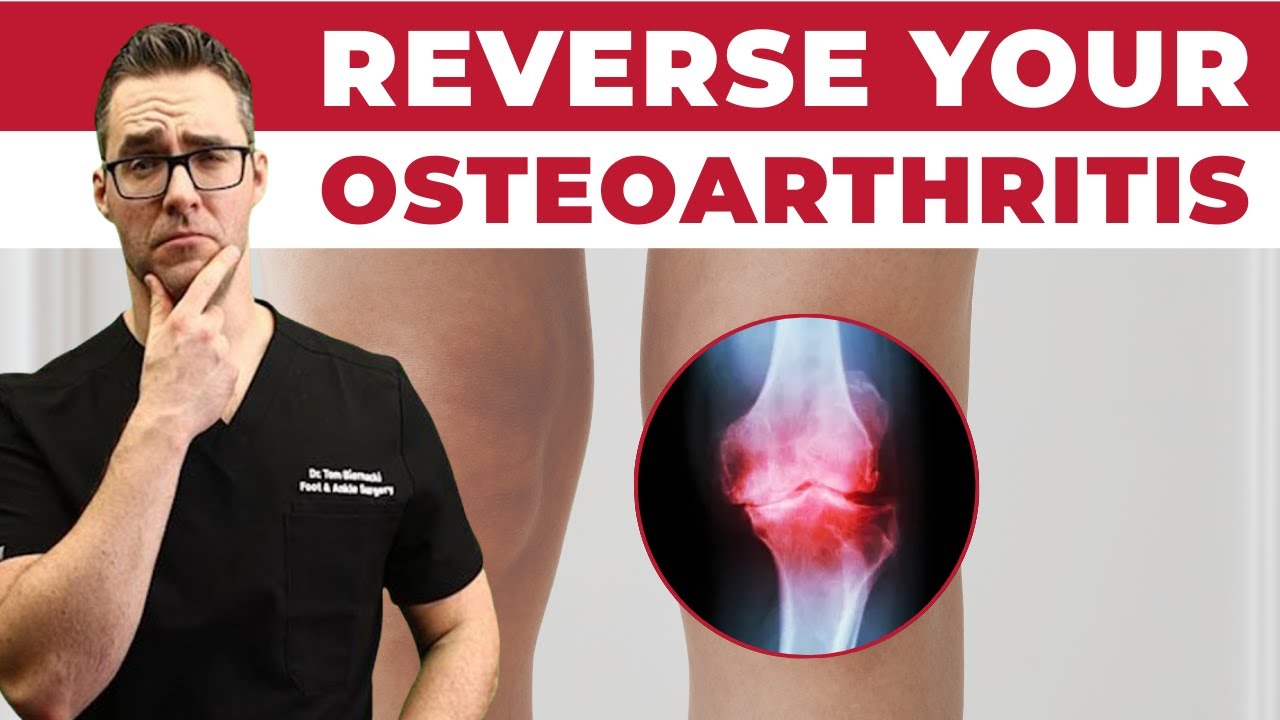
Watch: How to Regrow Cartilage & Reverse OsteoArthritis? [Can We Do It?] — MichiganFootDoctors YouTube
Hoka Clifton 10 — max cushioning reduces joint impact for arthritic feet.
Wide Walking Shoe
New Balance 990v6 — wide toe box accommodates arthritic first-MTP (hallux rigidus).

As an Amazon Associate, Balance Foot & Ankle earns from qualifying purchases. Product recommendations are based on clinical experience; prices and availability shown above update live from Amazon.

When to See a Podiatrist
Foot and ankle arthritis progresses silently — cartilage doesn’t regrow, but joint fusion, cheilectomy, and biologic injections can restore function at every stage. Balance Foot & Ankle offers the full arthritis spectrum: bracing, injections, and reconstructive surgery. Start with a consult so we can image the joint and give you a realistic 5-year outlook.
Call Balance Foot & Ankle: (810) 206-1402 · Book online · Offices in Howell & Bloomfield Township
In-Office Treatment at Balance Foot & Ankle
If home treatment isn’t providing relief for your foot arthritis, our podiatry team at Balance Foot & Ankle can help with expert evaluations and advanced in-office care.
Book online 24/7. (810) 206-1402
Learn about our arthritis and gout treatment → | Book online →
VitaMedica Arnica Gel
Arnica gel plus 15 plant compounds for sore feet, plantar fasciitis flares and post-activity soreness. Apply a thin layer to the sore area.
Shop VitaMedica Arnica Gel →Frequently Asked Questions
When should I see a doctor?
See a podiatrist if pain persists past 2 weeks, prevents normal activity, or is accompanied by red-flag symptoms (warmth, swelling, numbness, inability to bear weight).
Can I treat this at home?
Mild cases respond to RICE protocol (rest, ice, compression, elevation), supportive shoes, and OTC anti-inflammatories. Persistent symptoms need professional evaluation.
How long does it take to heal?
Most soft tissue injuries resolve in 2-6 weeks with appropriate care. Bone injuries take 6-12 weeks. Chronic conditions need longer-term management.

Dr. Tom Biernacki, DPM is a board-certified foot & ankle surgeon (ABFAS & ABPM) at Balance Foot & Ankle Specialists in Southeast Michigan. With over a decade of clinical experience, he specializes in heel pain, bunions, diabetic foot care, sports injuries, and minimally invasive surgery. Dr. Biernacki is a member of the APMA and ACFAS, and his patient education content on MichiganFootDoctors.com and YouTube has made him one of the most-followed foot & ankle educators on YouTube.