
Medically reviewed by Dr. Tom Biernacki, DPM
Board-certified podiatric surgeon | Balance Foot & Ankle, Howell & Bloomfield Township, MI
Last reviewed: May 2026

Quick answer: Red Toes is a common foot/ankle topic that affects many patients. The 2026 evidence-based approach combines proper diagnosis, conservative-first treatment, and escalation only when needed. We treat this regularly at our Howell and Bloomfield Township practices. Call (810) 206-1402.
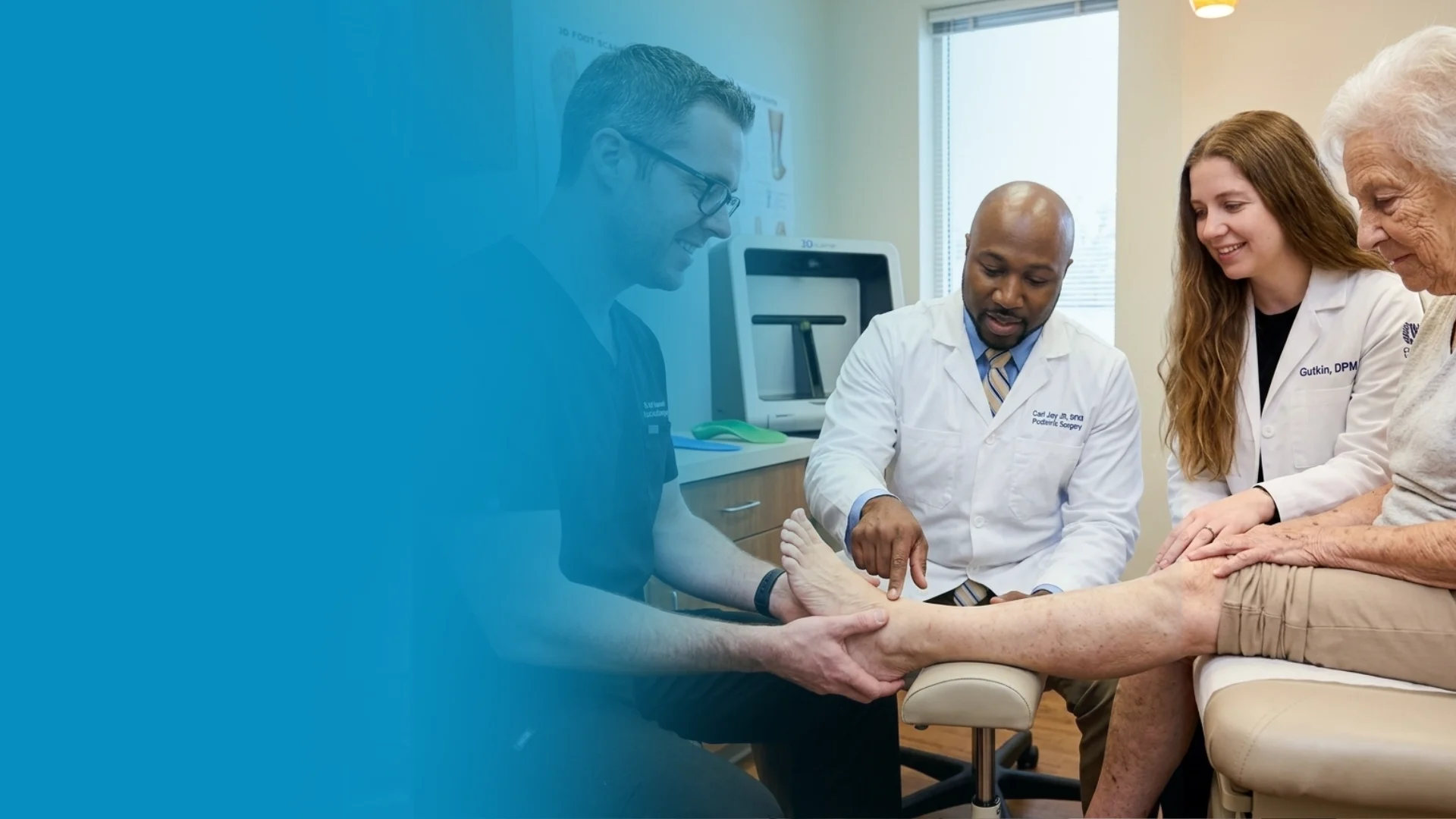
The most important clinical decision with Red Toes isn’t which treatment to start with — it’s identifying the correct subtype. That changes everything. Call (810) 206-1402.
Red Toes: Quick Answer
Red toes most commonly indicate chilblains (cold-induced inflammation), Raynaud’s phenomenon (color changes from cold or stress), erythromelalgia (paroxysmal red-hot painful toes), gout (acute crystal arthritis especially of the big toe), cellulitis (bacterial skin infection), septic arthritis, frostbite recovery, peripheral artery disease (PAD), or simply post-exertion vasodilation. The pattern matters: bilateral red toes after cold exposure with itching = chilblains; sudden severe red painful big toe = gout; spreading red hot tender = cellulitis (needs immediate antibiotics); symmetric color changes (white→blue→red) with cold = Raynaud’s. See a doctor immediately for fever, severe pain, or rapid spreading redness.
When Red Toes Are an Emergency
Get to the ER if: rapidly spreading redness with severe pain (cellulitis or necrotizing fasciitis); fever with red toe (bacterial infection); sudden severe red, hot, painful single toe with high fever (septic arthritis); pale or blue toe followed by red — could indicate ischemia-reperfusion or compartment syndrome.
Same-day evaluation if: severe pain (especially big toe — could be gout); spreading redness; signs of infection (warmth, swelling, drainage); diabetes with any new red toe; recent injury with progressive worsening.
Cause #1: Chilblains (Pernio) — Most Common in Cold Climates
Chilblains is an inflammatory reaction to repeated cold exposure (not freezing — chilblains occur at temperatures above freezing but cold enough to cause vasoconstriction).
Symptoms: Symmetric red or purple patches on the toes, fingers, ears, or nose; itching, burning, or tenderness; can develop blisters or ulcers in severe cases; appears within 12-24 hours of cold exposure.
Risk factors: Female sex, low body weight, peripheral vascular disease, smoking, certain autoimmune conditions (lupus). Common in Michigan winters.
Treatment: Avoid cold exposure (warm gloves, socks, and footwear); gradual rewarming (NOT rapid hot water — causes worse damage); topical corticosteroid cream (hydrocortisone 1%) for itching/inflammation; nifedipine 20-30mg/day for severe recurrent cases (vasodilator). Same-week podiatrist evaluation if symptoms persist or develop ulcers.
Cause #2: Raynaud’s Phenomenon
Raynaud’s is a vasospastic disorder where small arteries in the fingers and toes constrict abnormally in response to cold or stress, causing characteristic color changes.
The classic triphasic color change: Pale white (vasoconstriction) → blue (deoxygenation) → red (reperfusion). The red phase is often associated with throbbing, tingling, and numbness as blood flow returns.
Primary Raynaud’s: Idiopathic, more common in young women, no underlying disease. Treatment: cold avoidance, hand/foot warmers, calcium channel blockers (nifedipine 30-60mg/day) for severe cases.
Secondary Raynaud’s: Associated with autoimmune disease (scleroderma, lupus, mixed connective tissue disease). Workup: ANA, ESR, capillaroscopy. May indicate serious underlying condition.
Cause #3: Gout (Acute Crystal Arthritis)
Gout is monosodium urate crystal deposition in joints causing acute inflammation. The 1st MTP joint of the big toe is the classic location (“podagra”).
Symptoms: Sudden onset (often overnight) of severe pain, redness, warmth, swelling in the big toe joint. The skin may look shiny and tense. Patients often describe being unable to tolerate even a bedsheet touching the toe.
Diagnosis: Serum uric acid (often >7 mg/dL during attack but can be normal); joint fluid aspiration showing negatively birefringent needle-shaped crystals (gold standard).
Acute treatment: NSAIDs (indomethacin or ibuprofen 800mg every 8 hours), colchicine (1.2mg, then 0.6mg one hour later), or oral steroids (prednisone 30-40mg/day x 5 days). Treatment within 24 hours of onset works best.
Long-term: Allopurinol 100-300mg/day to lower uric acid; lifestyle changes (low purine diet, alcohol avoidance, hydration).
Cause #4: Cellulitis (Spreading Bacterial Infection)
Cellulitis is a bacterial skin infection (usually Staph or Strep) that can spread rapidly. ANY spreading redness on the foot with warmth and pain warrants urgent evaluation, especially in diabetics.
Symptoms: Spreading red area, warm to touch, tender, often with red streaks (lymphangitis) extending up the leg. Fever, chills, or rigors = systemic infection.
Treatment: Oral antibiotics for mild cases (cephalexin 500mg 4x/day for 7-10 days). Hospitalization for IV antibiotics if febrile, immunocompromised, or rapidly progressing. Mark the border of redness with a marker — if it expands beyond the line in hours, get to ER immediately.
Cause #5: Erythromelalgia
Erythromelalgia is a rare condition of paroxysmal red, hot, burning, painful toes. Episodes triggered by warmth or activity, relieved by cold.
Causes: Primary (genetic), or secondary to myeloproliferative disorders, autoimmune disease, or medications.
Treatment: Cooling during episodes, aspirin (especially helpful for myeloproliferative-related cases), gabapentin or amitriptyline for chronic pain.
Causes #6-9: PAD, Frostbite, Septic Arthritis, Post-Exertion
Peripheral artery disease: Can cause cold pale feet at rest with red color when feet are dependent (positional rubor). Risk factors: smoking, diabetes, hypertension. Workup: ABI, vascular ultrasound, possibly angiography.
Frostbite recovery: Toes that were frostbitten can have prolonged red-purple discoloration during the healing phase. Avoid further cold exposure. May develop chronic neuropathy.
Septic arthritis: Bacterial infection in a joint. Severe pain, redness, swelling, fever. Joint aspiration is diagnostic. Requires IV antibiotics plus often surgical washout.
Post-exercise vasodilation: Normal — feet become pink-red after running due to increased blood flow. Resolves within 30 minutes of stopping.
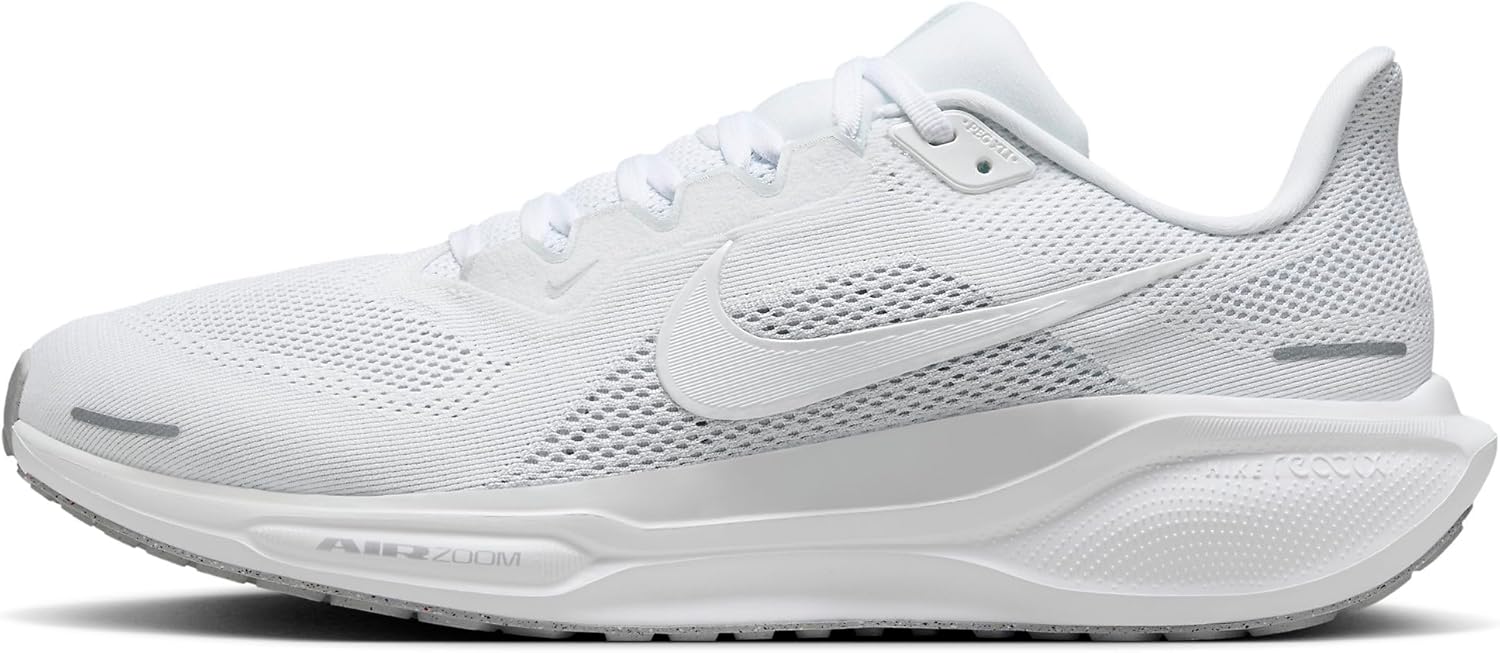
When Shoes Aren’t Enough — Dr. Tom’s Top 9 Orthotics
About 30% of patients I see for foot pain need MORE than a great shoe — they need a structured insole. Below: my complete 2026 orthotic ranking with pros, cons, and the specific patient I’d give each one to.




When to See a Podiatrist
Same-week appointment for: chilblains that don’t resolve in 2 weeks; recurrent Raynaud’s episodes; suspected gout (especially first episode); any spreading red area; diabetic patients with any new toe redness. Balance Foot & Ankle offers same-week evaluation including vascular workup, joint aspiration if needed, and integrated rheumatology referral.
In-Office Treatment at Balance Foot & Ankle
If home treatment isn’t providing relief for your foot and ankle conditions, our podiatry team at Balance Foot & Ankle can help with same-day evaluations and advanced in-office care.
Frequently Asked Questions About Red Toes
What does it mean when your toes turn red?
Most commonly chilblains (cold exposure), Raynaud’s phenomenon (vasospastic), or gout (acute crystal arthritis). Less commonly cellulitis, erythromelalgia, or PAD with positional rubor.
Are red toes from cold dangerous?
Chilblains are usually self-limiting but can develop blisters or ulcers if severe. Frostbite (a more serious cold injury) can cause permanent tissue damage. See a doctor for cold-related symptoms that persist beyond rewarming.
How do you treat chilblains?
Avoid cold exposure (warm socks, gloves), gradual rewarming (NEVER hot water), topical corticosteroid for itching, nifedipine for severe recurrent cases.
What is the difference between chilblains and Raynaud’s?
Chilblains: red/purple patches that develop AFTER cold exposure, often itchy. Raynaud’s: triphasic color change (white → blue → red) DURING and AFTER cold or stress, often painful.
Can gout cause your big toe to turn red?
Yes — gout most commonly affects the 1st MTP joint of the big toe (called “podagra”). Sudden severe pain, redness, swelling, and exquisite tenderness are characteristic.
When should I see a doctor for red toes?
Same-day if: spreading redness, fever, severe pain, signs of infection. Same-week if: recurrent symptoms, persistent more than 2 weeks, diabetic patient.
Can stress cause red toes?
Yes — emotional stress can trigger Raynaud’s phenomenon (cold-like vasospastic episodes) in susceptible individuals.
Related Resources from Balance Foot & Ankle
- Peripheral Artery Disease
- Diabetic Foot Care
- Big Toe Numb – 8 Causes
- Swollen Feet & Ankles Causes
- Red Dots on Feet – 9 Causes
- MLS Laser for Neuropathy
Frequently Asked Questions
When should I see a podiatrist?
If symptoms persist past 2 weeks, affect your normal activity, or are accompanied by red-flag symptoms (warmth, redness, swelling, inability to bear weight).
What does treatment cost?
Most diagnostic visits and conservative treatments are covered by Medicare and major insurers. Out-of-pocket costs vary by your specific plan.
How quickly can I get an appointment?
Most non-urgent cases see us within 5 business days. Urgent cases (sudden pain, possible fracture) typically same or next business day.
APMA: Red Toes — Common Causes and Treatment
Ready to Get Relief?
Same-day appointments available in Howell & Bloomfield Township, MI
4.9★ | 1,123 Reviews | 3,000+ Surgeries
Or call: (810) 206-1402

Dr. Tom Biernacki, DPM is a board-certified foot & ankle surgeon (ABFAS & ABPM) at Balance Foot & Ankle Specialists in Southeast Michigan. With over a decade of clinical experience, he specializes in heel pain, bunions, diabetic foot care, sports injuries, and minimally invasive surgery. Dr. Biernacki is a member of the APMA and ACFAS, and his patient education content on MichiganFootDoctors.com and YouTube has made him one of the most-followed foot & ankle educators on YouTube.