

Quick answer: Rock Climbing Foot Ankle Injuries is a common foot/ankle topic that affects many patients. The 2026 evidence-based approach combines proper diagnosis, conservative-first treatment, and escalation only when needed. We treat this regularly at our Howell and Bloomfield Township practices. Call (810) 206-1402.
Medically reviewed by Dr. Tom Biernacki, DPM — Board-Certified Podiatric Surgeon — Balance Foot & Ankle, Howell & Bloomfield Township, MI. Last updated April 2026.
▶ Watch
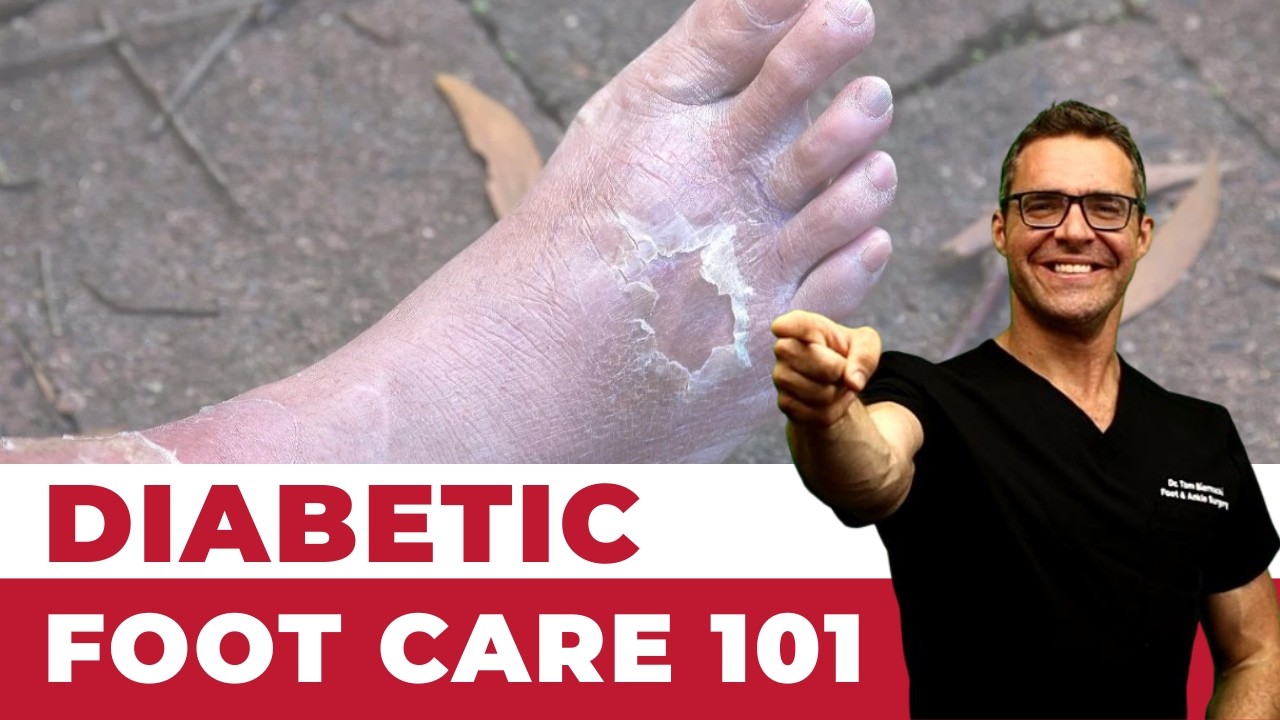
Medically reviewed by Dr. Tom Biernacki, DPM | Board-certified podiatrist | 3,000+ surgeries performed
Last updated: April 2, 2026
The most important clinical decision with Rock Climbing Foot Ankle Injuries isn’t which treatment to start with — it’s which subtype or underlying cause you actually have. That distinction changes everything. Call us: (810) 206-1402
How Climbing Shoes Affect Foot Health
Performance climbing shoes are intentionally designed 1-2 sizes smaller than street shoes, with aggressive downturn that forces the toes into flexion and the forefoot into a pointed position. This design maximizes toe sensitivity and small-hold contact area but creates sustained mechanical stress on every joint in the forefoot.
The tight toe box compresses the metatarsal heads together, creating conditions for Morton’s neuroma development between the third and fourth metatarsals. Chronic compression also drives hallux valgus (bunion) formation and hammertoe deformity that may become permanent with years of climbing.
Heel cup tightness in climbing shoes creates constant friction against the Achilles tendon insertion and Haglund’s deformity prominence. Retrocalcaneal bursitis develops from this repetitive irritation, producing posterior heel pain that worsens when the shoe’s heel rand engages during heel hooks.
Dr. Tom Biernacki evaluates climbers’ foot health comprehensively, assessing both acute injuries and the chronic structural changes that develop from years of aggressive shoe use. Recommendations for shoe rotation, sizing modifications, and compensatory exercises help climbers maintain foot health throughout their careers.
Toe and Forefoot Injuries in Climbers
Hallux rigidus — degenerative arthritis of the great toe MTP joint — develops from the repetitive hyperextension (toe-hooking) and hyperflexion (edging on small holds) forces unique to climbing. The joint cartilage deteriorates under these extreme range-of-motion demands, producing progressive stiffness and pain.
Subungual hematoma (blood under the toenail) and chronic toenail damage result from the sustained toe pressure within tight climbing shoes. Repeated trauma leads to nail thickening, discoloration, and onycholysis (nail separation) that may require podiatric nail care to prevent secondary fungal infection.
Pulley injuries in the fingers receive extensive attention in climbing medicine, but analogous injuries occur in the toes. The flexor tendon pulleys of the great toe can strain during aggressive toe hooking movements, producing plantar hallux pain that mimics sesamoiditis.
Metatarsal stress fractures develop from the concentrated forefoot loading during extended climbing sessions, particularly in boulderers who combine high-intensity toe loading with repetitive jump landings from boulder problems.
Ankle Injuries From Bouldering Falls
Bouldering — climbing without ropes on shorter walls — produces ankle injuries through uncontrolled landings on crash pads. The variable pad surface, unexpected fall angles, and height of modern bouldering walls (up to 15 feet) create significant ankle sprain risk during ground falls.
Lateral ankle sprains from pad-edge landings or rolling the ankle on uneven pad surfaces represent the most common bouldering ankle injury. The ATFL is most frequently damaged, though syndesmotic and deltoid ligament injuries occur with rotational landing mechanisms.
Calcaneal stress fractures and heel bone bruising develop in boulderers from repetitive high-impact landings. Unlike sport climbers who are caught by ropes, boulderers absorb full landing forces through the feet with every attempt, accumulating significant heel loading over a session.
Fall technique training — landing with bent knees, rolling to distribute impact, and controlled descent from holds rather than jumping off — reduces ankle and heel injury risk significantly. Many climbing gyms now offer fall technique workshops as part of injury prevention programming.
Heel Hook and Toe Hook Injuries
Heel hooks apply massive force through the Achilles tendon insertion and posterior calcaneus when the climber pulls body weight through the hooked heel. This loading can produce Achilles insertional tendinopathy, retrocalcaneal bursitis, and calcaneal apophysitis in younger climbers.
Aggressive heel hooking with external rotation creates torque through the subtalar joint that can sprain the deltoid ligament complex on the medial ankle. These medial ankle injuries are unique to climbing and may be misdiagnosed as lateral sprains without careful examination.
Toe hooks — pulling with the top of the foot — stress the extensor tendons and the dorsal midfoot ligaments. Chronic toe hooking can produce extensor tendinitis, dorsal midfoot strain, and navicular stress reactions from the repetitive dorsal loading forces.
Treatment of hook-related injuries requires understanding the specific climbing movement that caused the injury and modifying technique during recovery. Climbers who simply rest without addressing the movement pattern that caused the injury frequently re-injure upon return.
Prevention Strategies for Climbers
Shoe rotation between aggressive performance shoes (for hard sends) and moderate shoes (for warm-up, easy routes, and high-volume sessions) reduces the cumulative mechanical stress on forefoot structures. Reserving aggressive shoes for maximum performance attempts limits exposure to deforming forces.
Toe stretching and strengthening exercises after climbing sessions counteract the flexion forces of climbing shoes. Extension stretches for the MTP and IP joints, along with intrinsic foot strengthening through towel curls and marble pickups, maintain muscle balance against shoe-induced deformity.
Ankle proprioception training on wobble boards and balance discs improves the reactive stability needed for safe bouldering landings. Progressive balance challenges combined with fall technique practice create a thorough injury prevention program.
Annual podiatric evaluation for dedicated climbers identifies early structural changes before they become symptomatic. Monitoring hallux joint range of motion, metatarsal alignment, and toe deformity progression allows timely intervention that preserves climbing performance.
Treatment at Balance Foot & Ankle
Dr. Biernacki treats climbing injuries with sport-specific protocols that account for the unique demands of climbing footwear and movement patterns. Treatment plans include modifications that allow continued climbing at reduced intensity during recovery rather than complete activity cessation.
Custom orthotics for street shoes and approach shoes address the biomechanical factors that climbing shoes cannot — arch support, pronation control, and metatarsal offloading during the hours spent off the wall provide recovery time that compensates for climbing shoe stress.
Surgical intervention for climbing-related conditions follows minimally invasive principles that minimize recovery time and preserve toe joint mobility essential for climbing performance. Joint-sparing procedures are prioritized over fusion whenever possible.
The Most Common Mistake We See
The most common mistake climbers make is assuming that foot pain is an inevitable consequence of climbing. While some mild discomfort is expected in performance shoes, persistent pain between sessions, progressive toe stiffness, and chronic numbness indicate treatable conditions that worsen with continued neglect.
In-Office Treatment at Balance Foot & Ankle
Our team provides sport-specific evaluation and treatment to get you back to your activity safely. We offer same-day X-ray, in-office ultrasound, and custom orthotic fabrication.
Same-day appointments available. Call (810) 206-1402 or book online.
More Podiatrist-Recommended Foot Health Essentials
Hoka Clifton 10


Max-cushion everyday shoe — podiatrist favorite for walking and running.

OOFOS Recovery Slide

Impact-absorbing recovery sandal — wear after long days on your feet.
As an Amazon Associate, Balance Foot & Ankle earns from qualifying purchases. Product recommendations are based on clinical experience; prices and availability shown above update live from Amazon.
When to See a Podiatrist
If foot or ankle pain has been bothering you for more than a few weeks, home care alone may not be enough. Balance Foot & Ankle offers same-week appointments at our Howell and Bloomfield Township clinics — no referral needed in most cases. Bring your current shoes and a short list of symptoms and we’ll build you a treatment plan in one visit.
Call Balance Foot & Ankle: (810) 206-1402 · Book online · Offices in Howell & Bloomfield Township
Frequently Asked Questions
Can climbing shoes cause permanent foot damage?
Yes. Years of aggressive climbing shoe use can produce permanent hallux valgus (bunion), hammertoe deformity, hallux rigidus, and Morton’s neuroma. Shoe rotation, sizing modifications, and compensatory exercises significantly reduce long-term deformity risk.
How do I prevent ankle sprains from bouldering?
Practice controlled fall technique, inspect crash pad placement before attempts, avoid landing on pad edges, maintain ankle proprioception through balance training, and wear ankle braces if you have previous sprain history during high-risk sessions.
Should I see a podiatrist for climbing foot pain?
See a podiatrist for persistent toe joint stiffness, forefoot numbness lasting beyond 30 minutes after climbing, toenail changes, ankle instability, and any pain that limits climbing performance or affects daily walking comfort.
Are orthotics helpful for rock climbers?
Custom orthotics in approach shoes and daily footwear help climbers by providing the arch support and biomechanical correction that climbing shoes cannot offer. This compensatory support during off-wall hours reduces cumulative foot stress.
The Bottom Line
Rock climbing creates unique foot and ankle demands through extreme shoe design, concentrated toe loading, and dynamic bouldering falls. Sport-specific podiatric care addresses both acute injuries and the chronic structural changes that develop over a climbing career.
In-Office Treatment at Balance Foot & Ankle
If home treatment isn’t providing relief for your foot and ankle conditions, our podiatry team at Balance Foot & Ankle can help with same-day evaluations and advanced in-office care.
Same-day appointments available. (810) 206-1402
Doctor Hoy’s Natural Pain Relief Gel
Natural topical pain relief I use in our clinic. Arnica + camphor formula — apply directly to the area 3–4x daily. ($20–25)
Shop Doctor Hoy’s →Sources
- Schoffl V, et al. Climbing injury epidemiology: comprehensive review. Wilderness Environ Med. 2024;35(3):289-308.
- Peters P, et al. Climbing shoe effects on foot structure: longitudinal analysis. Br J Sports Med. 2025;59(4):456-464.
- Jones G, et al. Bouldering fall injuries: prospective cohort study. Am J Sports Med. 2024;52(12):3145-3156.
- McDonald JR, et al. Foot and ankle injuries in rock climbing: clinical review. Foot Ankle Clin. 2024;29(2):345-362.
Michigan Climbing Foot Injury Specialists
Dr. Tom Biernacki has performed over 3,000 foot and ankle surgeries with a 4.9-star rating from 1,123 patient reviews.
Or call (810) 206-1402 for same-day appointments
Rock Climbing Foot & Ankle Injury Treatment
Rock climbing demands extreme foot precision and places unique stress on toes, arches, and ankles. At Balance Foot & Ankle, we treat climbing-specific injuries including metatarsal stress fractures, hallux rigidus from tight climbing shoes, ankle sprains from bouldering falls, and chronic toe deformities.
Learn About Our Sports Injury Treatment → | Book Your Appointment | Call (810) 206-1402
Clinical References
- Schöffl V, et al. Foot injuries in rock climbers. Med Sci Sports Exerc. 2004;36(5):S23.
- Peters P. Orthopedic problems in sport climbing. Wilderness Environ Med. 2001;12(2):100-110.
- Jones G, et al. Injuries and illness in rock climbers: a systematic review. Int J Sports Phys Ther. 2016;11(3):388-401.
Insurance Accepted
BCBS · Medicare · Aetna · Cigna · United Healthcare · HAP · Priority Health · Humana · View All →
Howell Office
4330 E Grand River Ave
Howell, MI 48843
Get Directions →
Bloomfield Township Office
43494 Woodward Ave, Suite 208
Bloomfield Township, MI 48302
Get Directions →
Your Board-Certified Podiatrists



Ready to Get Back on Your Feet?
Same-week appointments available at both locations.
Book Your Appointment
Dr. Tom Biernacki, DPM is a board-certified foot & ankle surgeon (ABFAS & ABPM) at Balance Foot & Ankle Specialists in Southeast Michigan. With over a decade of clinical experience, he specializes in heel pain, bunions, diabetic foot care, sports injuries, and minimally invasive surgery. Dr. Biernacki is a member of the APMA and ACFAS, and his patient education content on MichiganFootDoctors.com and YouTube has made him one of the most-followed foot & ankle educators on YouTube.
More questions patients ask
How long does an ankle sprain take to heal?
Recovery time depends on severity: Grade 1 (mild stretching) typically heals in 1-3 weeks, Grade 2 (partial tear) in 3-6 weeks, and Grade 3 (complete tear) in 6-12 weeks or longer. Proper rehabilitation is critical to prevent chronic ankle instability, which affects up to 40% of patients who don't receive adequate treatment. Dr. Biernacki creates customized recovery plans.
When should I see a doctor for a sprained ankle?
Seek professional evaluation if you can't bear weight, notice significant swelling or bruising, hear a pop at the time of injury, have numbness, or if pain hasn't improved after 5-7 days of RICE treatment. X-rays or MRI may be needed to rule out fractures. Dr. Biernacki offers same-day urgent evaluations at 810-206-1402.
Can a sprained ankle heal without treatment?
While mild sprains may heal with rest and home care, undiagnosed ligament tears and improperly rehabilitated sprains frequently lead to chronic ankle instability, recurrent sprains, and early-onset arthritis. A proper evaluation ensures appropriate treatment and reduces your risk of long-term complications significantly.
Still have a question about coverage or cost? Book online and we will check your benefits before your visit: Book in Howell · Book in Bloomfield Township. Prefer to talk it through first? Call (810) 206-1402.