
![[QUARANTINED] Rickroll — do not use](https://www.michiganfootdoctors.com/uploads/2026/03/best-shoes-for-plantar-fasciitis-a-podiatrist-s-2026-picks.avif)
Medically reviewed by Dr. Tom Biernacki, DPM · Board-Certified Podiatric Surgeon · Last reviewed: April 2026 · Editorial Policy
Medically reviewed by Dr. Tom Biernacki, DPM — Board-certified foot & ankle surgeon, 3,000+ surgeries performed. Updated April 2026 with current clinical evidence. This article reflects real practice experience from Balance Foot & Ankle Specialists in Howell and Bloomfield Township, Michigan.
Quick Answer
Most foot and ankle problems respond to conservative care — proper footwear, supportive inserts, activity modification, and targeted stretching — within 4-8 weeks. Persistent pain beyond that window, or any symptom that prevents walking, warrants a podiatric evaluation to rule out fracture, tendon tear, or systemic cause.
Watch: Dr. Tom Biernacki, DPM
Medically reviewed by Dr. Tom Biernacki, DPM — Board-Certified Podiatric Surgeon — Balance Foot & Ankle, Howell & Bloomfield Township, MI. Last updated April 2026.
▶ Watch
📋 Dr. Tom Also Recommends
Podiatrist Recommended Orthotics 2026: Dr. Tom’s Top 10 Insoles & Arch Supports
A podiatrist’s complete clinical guide to the best insoles — custom orthotics, OTC picks, and what actually works for plantar fasciitis, flat feet, neuropathy & more.
Read the Full Guide →Medically Reviewed by Dr. Tom Biernacki, DPM — Board-Certified Podiatrist, Balance Foot & Ankle Specialists, Michigan. Last updated April 2026.
Shoe selection for runners is one of the most frequently asked and least rigorously addressed questions in sports medicine. The explosion of minimalist, maximalist, motion control, stability, and neutral shoe categories — all marketed with biomechanical claims of varying validity — has created genuine confusion for runners trying to make evidence-informed choices. A podiatric evaluation provides objective, personalized guidance based on foot structure and biomechanics rather than marketing claims.
The Foundational Assessment: Foot Type and Arch Behavior
The static arch height (high, neutral, or low) provides a starting framework but is insufficient alone. Dynamic assessment — observing gait and running form on a treadmill — reveals how the arch and hindfoot actually behave during the propulsive cycle. A low-arched foot that shows excessive pronation during running (hindfoot valgus collapses beyond the neutral loading position) benefits from stability features: medial post, firmer midsole materials on the medial side, and structured heel counter. A neutral arch that pronates appropriately can perform well in a wider range of shoe categories. A high-arched, rigid cavus foot supinates excessively and needs maximal cushioning and flexibility rather than motion control, which would amplify the supination force. Static arch height and dynamic arch behavior frequently diverge — this is why podiatric gait analysis rather than wet foot print testing provides more useful guidance.
Drop (Heel-to-Toe Offset)
Heel-to-toe drop — the difference in midsole thickness between the heel and forefoot — affects the strike pattern and load distribution. Traditional running shoes used 10–12mm drop; minimalist designs use 0–4mm. Higher drop encourages heel striking and shifts load toward the heel and Achilles. Lower drop encourages midfoot/forefoot striking and shifts load toward the forefoot and calf. Neither is universally superior — the appropriate choice depends on strike pattern, injury history, and training volume. Abrupt transitions from high to low drop are a well-documented injury risk factor for Achilles tendinopathy and metatarsal stress fractures; any drop change should be gradual over months.
Midsole Cushioning: Stack Height and Stiffness
Maximalist running shoes (high stack height, very soft foam) offer cushioning advantages for high-mileage runners and those with metabolic bone disease, plantar fat pad atrophy, or inflammatory conditions. However, excessively soft midsoles reduce proprioceptive feedback and may increase energy return variability. Carbon fiber plate technology in performance racing shoes enhances energy return and reduces metatarsal loading — legitimate advantages for competitive runners — but these shoes are not appropriate for daily training volumes.
Custom Orthotics with Running Shoes
Custom orthotics prescribed by Dr. Biernacki at Balance Foot & Ankle are compatible with most running shoes and add a corrective element that over-the-counter insoles cannot provide. Orthotics for runners are typically fabricated in semi-rigid materials that provide correction without rigidity-induced discomfort during high repetition loading. Call (810) 206-1402 for a running-specific podiatric evaluation at our Bloomfield Township or Howell office.
📍 Located in Michigan?
Our board-certified podiatrists treat this condition at two convenient locations. Book online 24/7 at either office.
How to Choose the Right Footwear
As podiatrists, footwear is one of the most common topics we discuss with patients. The right shoe can prevent or resolve many common foot problems; the wrong shoe can cause or worsen them.
Key Footwear Features for Foot Health
- Toe box width: Should allow all toes to lie flat without compression; wiggle room of about 1cm beyond the longest toe
- Arch support: Appropriate for your foot type — flat feet need more support, high arches may need cushioning more than support
- Heel counter: Should be firm enough to control heel motion without rigid discomfort
- Cushioning: Extra cushioning benefits those with neuropathy, arthritis, or who walk/stand on hard surfaces
- Break-in period: Quality shoes should not require a painful break-in period — mild initial firmness is normal, but pain is not
For personalized footwear recommendations, see our podiatrist-recommended shoes guide or book a consultation at Balance Foot & Ankle.
Related Conditions & Resources
Ready to Get Relief? We’re Here to Help.
Board-certified podiatrists Dr. Tom Biernacki, Dr. Carl Jay, and Dr. Daria Gutkin see patients daily at our Howell and Bloomfield Township, MI offices.
📅 Book Online
📞 (810) 206-1402
Insurance Accepted
BCBS · Medicare · Aetna · Cigna · United Healthcare · HAP · Priority Health · Humana · View All →
Howell Office
4330 E Grand River Ave
Howell, MI 48843
Get Directions →
Bloomfield Township Office
43494 Woodward Ave, #208
Bloomfield Township, MI 48302
Get Directions →
In-Office Treatment at Balance Foot & Ankle
If home care isn’t resolving your your foot or ankle concern, a visit with a board-certified podiatrist is the fastest path to accurate diagnosis and a personalized plan. At Balance Foot & Ankle Specialists, Dr. Tom Biernacki, Dr. Carl Jay, and Dr. Daria Gutkin offer appointments at both our Howell and Bloomfield Township offices. We perform on-site diagnostic ultrasound, digital X-ray, conservative care, advanced regenerative treatments, and minimally invasive surgery when indicated.
Call (810) 206-1402 or request an appointment online. Most insurance plans accepted, including Medicare, Blue Cross Blue Shield, Aetna, Cigna, and United Healthcare.
Most Common Mistake We See
The most common mistake we see is: Waiting too long before seeking care. Fix: any foot pain lasting more than 4 weeks, or any sudden severe symptom, deserves a professional evaluation rather than more rest.
Warning Signs That Need Same-Day Care
Seek immediate evaluation at Balance Foot & Ankle if you experience any of the following:
- Unable to bear weight
- Severe swelling with skin colour change
- Fever with foot pain (possible infection)
- Diabetes plus any new foot symptom
Call (810) 206-1402 — appointments at our Howell and Bloomfield Township offices.
More Podiatrist-Recommended Shoes Essentials
Hoka Clifton 10

- JACQUARD KNIT UPPER
- Lining Textile
Max-cushion neutral runner — podiatrist favorite for all-day comfort.
Brooks Adrenaline GTS 25
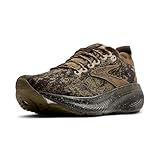
- THIS MEN’S SHOE IS FOR: The Adrenaline GTS 25 is perfect for runners and walkers seeking reliable support and a smooth ride. Featuring holistic GuideRails for Go-To Support and soft, dynamic premium nitrogen-infused DNA LOFT v3 cushioning, it delivers distraction-free comfort mile after mile. This Brooks Adrenaline GTS 25 is a certified PDAC A5500 Diabetic shoe and has been granted the APMA Seal of Acceptance. Predecessor: Adrenaline GTS 24.
- GUIDERAILS HOLISTIC SUPPORT SYSTEM: Our innovative technology – known as “GTS” for “Go-To Support” – supports your body in its natural motion path while keeping excess movement in check.
- SOFT & DYNAMIC CUSHIONING: Even more premium nitrogen-infused DNA Loft v3 cushioning delivers lightweight softness, and feel-good comfort mile after mile.
- TRUSTED FIT: The breathable engineered mesh upper and flat-knit collar offer a secure, comfortable fit, providing both structure and flexibility to accommodate natural movement during active use.
- SMOOTH TRANSITIONS: The specially designed outsole and midsole work together to promote seamless transitions, ensuring comfort and support for every step, so you can stay active longer.
Stability runner for overpronators — great for flat feet and bunions.
New Balance 990v6

- FuelCell foam delivers a propulsive feel to help drive you forward
- ENCAP midsole cushioning combines lightweight foam with a durable polyurethane rim to deliver all-day support
- Reflective accents designed to catch the light
- TPU back tab
- New Balance MADE contains a domestic value of 70% or more. MADE makes up a limited portion of New Balance’s US sales.
Premium walking shoe with wide toe box — bunion and flat-foot friendly.
As an Amazon Associate, Balance Foot & Ankle earns from qualifying purchases. Product recommendations are based on clinical experience; prices and availability shown above update live from Amazon.

When to See a Podiatrist
The right shoe shape, last, and stability category is more important than brand. Balance Foot & Ankle evaluates your foot type (neutral, pronator, supinator, high-arched) and recommends specific shoe models that match. Bringing in your current pair lets us spot wear patterns that reveal gait issues — a free 5-minute assessment that can prevent years of foot pain.
Call Balance Foot & Ankle: (810) 206-1402 · Book online · Offices in Howell & Bloomfield Township
Pros & Cons of Conservative Care for footwear
Advantages
- ✓ Right shoe = pain reduction
- ✓ Multiple price points
- ✓ Fast adjustment
Considerations
- ✗ Trial-and-error
- ✗ Replace every 400 miles
- ✗ Custom orthotics often needed
Dr. Tom’s Recommended Products for footwear
Affiliate disclosure: As an Amazon Associate, Balance Foot & Ankle earns from qualifying purchases. We only recommend products we use with patients.
Brooks Ghost 17 Dr. Tom’s Pick
Best for: Neutral runner
Check Price on Amazon
Brooks Adrenaline GTS 23 Dr. Tom’s Pick
Best for: Stability for flat feet
Check Price on Amazon
Altra Torin 8 Dr. Tom’s Pick
Best for: Zero-drop wide toe box
Check Price on Amazon
Ready to Get Back on Your Feet?
Appointments in Howell + Bloomfield Township. Most insurance accepted. Dr. Tom Biernacki, DPM & team.
Call Now: (810) 206-1402
VitaMedica Arnica Gel
Arnica gel plus 15 plant compounds for sore feet, plantar fasciitis flares and post-activity soreness. Apply a thin layer to the sore area.
Shop VitaMedica Arnica Gel →Ready for Expert Care?
Appointments in Howell & Bloomfield Township, MI.
4.9★ | 1,200+ Reviews | 3,000+ Surgeries
Or call: (810) 206-1402

Dr. Tom Biernacki, DPM is a board-certified foot & ankle surgeon (ABFAS & ABPM) at Balance Foot & Ankle Specialists in Southeast Michigan. With over a decade of clinical experience, he specializes in heel pain, bunions, diabetic foot care, sports injuries, and minimally invasive surgery. Dr. Biernacki is a member of the APMA and ACFAS, and his patient education content on MichiganFootDoctors.com and YouTube has made him one of the most-followed foot & ankle educators on YouTube.