
Medically reviewed by Dr. Tom Biernacki, DPM
Board-certified podiatric surgeon | Balance Foot & Ankle, Howell & Bloomfield Township, MI
Last reviewed: May 2026

Quick answer: Sesamoid Bone is a common foot/ankle topic that affects many patients. The 2026 evidence-based approach combines proper diagnosis, conservative-first treatment, and escalation only when needed. We treat this regularly at our Howell and Bloomfield Township practices. Call (810) 206-1402.
If you’re experiencing a sharp, grinding, or aching pain directly under your big toe — especially when you push off to walk or run — the sesamoid bones may be to blame. These tiny bones are frequently overlooked in foot evaluations because they’re not well known, but in our clinic they’re a surprisingly common source of forefoot pain, especially in runners, dancers, and people who wear high heels regularly.
The most important clinical decision with Sesamoid Bone isn’t which treatment to start with — it’s identifying the correct subtype. That changes everything. Call (810) 206-1402.
What Are the Sesamoid Bones?
The sesamoid bones are two small, rounded bones embedded within the flexor hallucis brevis tendon — the tendon that runs under the big toe joint. They’re called sesamoid bones (from the Latin for ‘sesame seed’) because of their size and shape. Most people have two: the tibial sesamoid (on the inner side) and the fibular sesamoid (on the outer side).
Unlike most bones, sesamoids don’t articulate directly with other bones in a typical joint — they glide within the groove on the underside of the first metatarsal head. Their functions include: acting as a pulley for the flexor tendon (amplifying the force of toe push-off), absorbing up to 3x body weight during push-off in running, and protecting the flexor hallucis longus tendon from friction.
Common Sesamoid Bone Problems
Sesamoiditis
Sesamoiditis is inflammation of the sesamoid bones and the surrounding tendon tissue — the most common sesamoid problem. It develops from repetitive loading and causes a dull, persistent aching pain under the big toe that gradually worsens with activity. It’s particularly common in runners, ballet dancers, and anyone who wears high-heeled shoes regularly.
Sesamoid Stress Fracture
The tibial sesamoid (inner) is the most commonly fractured. A stress fracture develops from repetitive loading without adequate recovery time. On X-ray, it can appear similar to a bipartite sesamoid (a normal variant where the sesamoid is divided into two pieces from birth) — distinguishing them requires an MRI or bone scan.
Sesamoid Fracture (Acute)
Acute fractures occur from direct impact (landing from a jump, stumble with forced toe hyperextension). The pain is immediate and severe, located precisely under the big toe.
Avascular Necrosis (AVN) of the Sesamoid
Following fracture or severe sesamoiditis, the blood supply to the sesamoid can be compromised, leading to AVN — the bone tissue dies. This is more common in the tibial sesamoid and often requires surgical excision when conservative treatment fails.
Symptoms of Sesamoid Problems
- Pain directly under the big toe joint — precisely at the ball of the foot, toward the inner side
- Pain that worsens with push-off activities — running, jumping, wearing heels
- Tenderness when pressing upward on the sesamoid through the sole of the foot
- Swelling or bruising under the first metatarsal head
- Difficulty bending the big toe upward (dorsiflexion) — the sesamoid slides with this motion
- In AVN or chronic sesamoiditis: constant aching even with minimal activity
Key takeaway: The push-off pain test: if pain under the big toe is specifically worse when you push off your toes during walking (not when you press down), sesamoid involvement is highly likely. This distinguishes sesamoid pain from plantar fasciitis, which hurts most with the first morning steps.
How to Treat Sesamoid Problems
Conservative Treatment (Sesamoiditis)
- Activity modification — reduce or eliminate push-off activities; switch to swimming or cycling temporarily
- Padding and offloading — dancer’s pad (a J-shaped pad that cups around the sesamoid without pressing on it) or a metatarsal pad placed just behind the sesamoid
- Stiff-soled footwear or carbon fiber insole — prevents big toe extension, reducing sesamoid loading
- CAM walker boot — for more significant sesamoiditis or stress fractures
- Corticosteroid injection — targeted injection around the sesamoid for persistent inflammation
Surgical Treatment
Surgery is reserved for cases that fail 3–6 months of comprehensive conservative treatment. Options include:
- Sesamoidectomy — surgical removal of the affected sesamoid; effective for AVN, non-healing fractures, and intractable sesamoiditis
- Note: only one sesamoid should be removed at a time — removing both causes progressive hallux valgus and cock-up toe deformity
⚠️ Seek Evaluation Promptly If:
- Pain is severe and developed suddenly after a jump or stumble (acute fracture)
- Pain has persisted more than 6 weeks despite rest and padding
- You have diabetes or poor circulation — sesamoid problems can progress to ulceration
- You’re a dancer, runner, or athlete with recurrent pain in this area
In-Office Treatment at Balance Foot & Ankle
If home treatment isn’t providing relief for your sesamoid bone, our podiatry team at Balance Foot & Ankle can help with same-day evaluations and advanced in-office care.
Frequently Asked Questions
How long does sesamoiditis take to heal?
Mild sesamoiditis with early treatment may resolve in 4–8 weeks. More significant sesamoiditis or sesamoid stress fractures often require 3–6 months of conservative treatment. AVN or non-healing fractures may ultimately require surgical excision. Patience is critical — rushing return to activity is the most common cause of prolonged recovery.
What is a bipartite sesamoid?
A bipartite sesamoid is a normal anatomical variant where the sesamoid bone develops as two separate pieces rather than one. Present from birth, it’s found in about 10–15% of people (usually the tibial sesamoid). It can be mistaken for a stress fracture on X-ray — the distinction is important because a bipartite sesamoid doesn’t need treatment unless it becomes symptomatic.
Can sesamoid problems be prevented?
Yes — proper footwear with good forefoot cushioning, avoiding prolonged barefoot activity on hard surfaces, and addressing flat feet or bunion deformities with orthotics all reduce sesamoid loading. Dancers and runners should be especially attentive to early symptoms rather than training through pain.
Sources
- Bichara DA, et al. The sesamoid complex of the foot: injuries and management. Foot Ankle Clin. 2014.
- Boike A, Schnirring-Judge M, McMillin S. Sesamoid disorders of the first metatarsophalangeal joint. Clin Podiatr Med Surg. 2011.
- Fleischli J, Cheleuitte E. Avascular necrosis of the hallucal sesamoids. J Foot Ankle Surg. 1995.
- American Orthopaedic Foot & Ankle Society. Sesamoiditis. aofas.org. 2025.
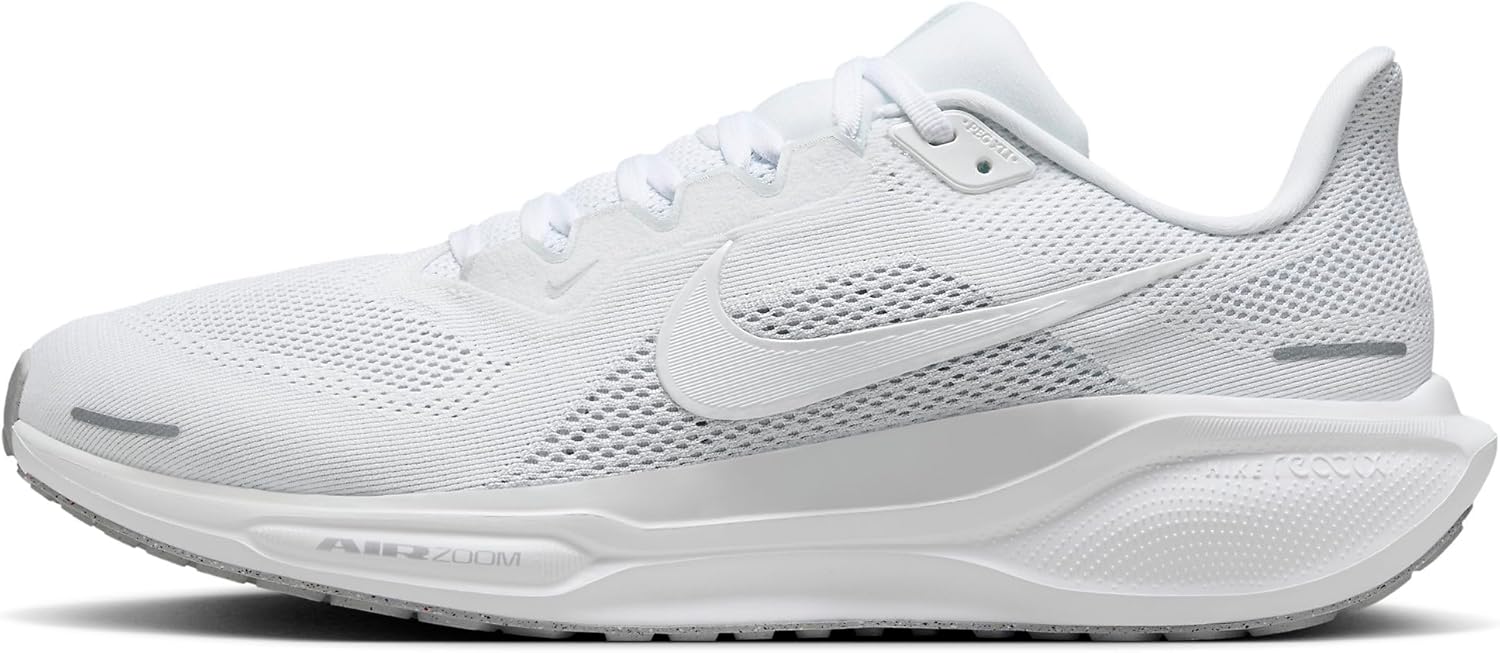
When Shoes Aren’t Enough — Dr. Tom’s Top 9 Orthotics
About 30% of patients I see for foot pain need MORE than a great shoe — they need a structured insole. Below: my complete 2026 orthotic ranking with pros, cons, and the specific patient I’d give each one to.




Ready to Get Relief?
Same-day appointments available in Howell & Bloomfield Township, MI
4.9★ | 1,123 Reviews | 3,000+ Surgeries
Or call: (810) 206-1402

Dr. Tom Biernacki, DPM is a board-certified foot & ankle surgeon (ABFAS & ABPM) at Balance Foot & Ankle Specialists in Southeast Michigan. With over a decade of clinical experience, he specializes in heel pain, bunions, diabetic foot care, sports injuries, and minimally invasive surgery. Dr. Biernacki is a member of the APMA and ACFAS, and his patient education content on MichiganFootDoctors.com and YouTube has made him one of the most-followed foot & ankle educators on YouTube.