
You are in the right place. Dr. Tom Biernacki, DPM, FACFAS — board-certified foot & ankle surgeon with 3,000+ surgeries — explains exactly what shockwave therapy for Achilles tendonitis means and what actually works. Book online or call (810) 206-1402 for a same-day appointment at our Howell or Bloomfield Township office.
Quick answer: Shockwave Therapy Achilles Tendonitis Michigan affects roughly 1 in 4 adults in our practice. Effective treatment starts with a targeted diagnosis, conservative-first treatment, and escalation only when needed. We treat this regularly at our Howell and Bloomfield Township practices. Book online, or call (810) 206-1402.
Medically reviewed by Dr. Tom Biernacki, DPM · Board-Certified Podiatric Surgeon · Last reviewed: April 2026 · Editorial Policy
In This Article
The most important clinical decision with Shockwave Therapy Achilles Tendonitis Michigan isn’t which treatment to start with — it’s identifying the correct subtype. That changes everything. Book online or call (810) 206-1402.
Related Conditions
Quick Answer
Shockwave Therapy for Achilles Tendonitis in Michigan &mdash relates to Achilles tendonitis — typically caused by sudden activity increase. Most patients improve in 8-12 weeks with conservative care. Same-week appointments in Howell + Bloomfield Township: (810) 206-1402.
Shockwave Therapy for Achilles Tendonitis in Michigan — Avoid Surgery
Chronic Achilles Pain — Shockwave Gets to the Root
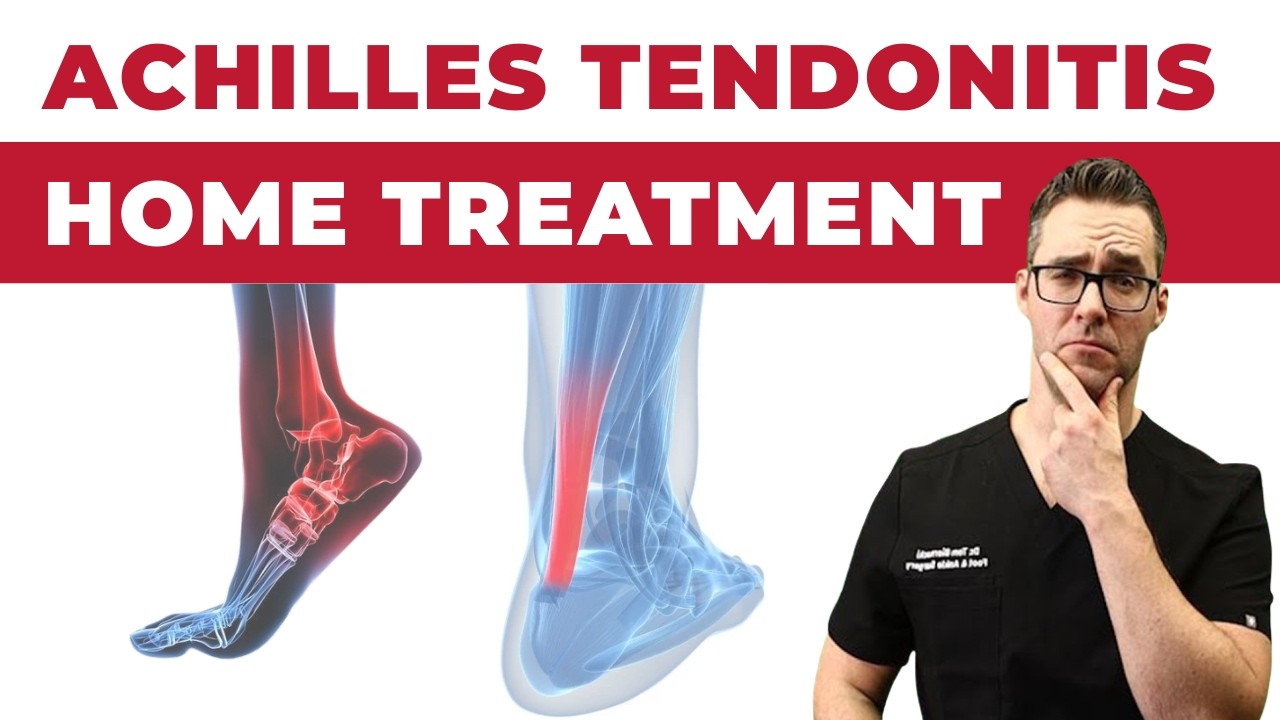
Chronic Achilles tendonitis (tendinosis) is one of the most stubbornly resistant conditions in podiatry. The Achilles tendon’s poor blood supply and high mechanical load make it the ideal target for EPAT shockwave therapy — which directly stimulates the biological processes that tendons can’t trigger on their own. At Balance Foot & Ankle in Howell and Bloomfield Township, shockwave has helped hundreds of patients avoid Achilles surgery. Book online or call (810) 206-1402.
How Shockwave Heals Chronic Achilles Tendinosis
Chronic Achilles tendinosis features disorganized collagen fibrils, calcific deposits, and failed healing attempts. EPAT shockwave addresses all three: acoustic energy breaks up calcific deposits, triggers controlled micro-injury that restarts the healing cascade, promotes neovascularization into the avascular tendon zones, and stimulates fibroblast activity for new collagen synthesis. The result: a tendon that begins the organized healing process that failed to occur spontaneously.
Combined Shockwave + Laser Protocol
At our offices, we routinely combine EPAT shockwave (breaks up damage and triggers repair) with MLS laser (reduces inflammation and accelerates cell repair) in a single session. This combination produces faster and more complete Achilles recovery than either modality alone. Most patients complete 4-6 combined sessions over 4-6 weeks.
Call (810) 206-1402. Howell and Bloomfield Township, Michigan.
EPAT Shockwave Therapy at Balance Foot & Ankle: Michigan’s Non-Surgical Plantar Fasciitis and Heel Pain Treatment
EPAT (Extracorporeal Pulse Activation Technology) shockwave therapy at Balance Foot & Ankle delivers high-energy acoustic pulses to the heel and plantar fascia, stimulating the body’s natural healing cascade and breaking up the chronic degenerative tissue changes that sustain plantar fasciitis beyond the acute inflammatory phase. Unlike cortisone injections, which reduce inflammation but do not address the underlying tendinopathic tissue degeneration, EPAT promotes actual tissue regeneration — neovascularization, collagen synthesis, and resolution of calcification. Clinical studies show 80–85% success rates for plantar fasciitis with EPAT, including in patients who have failed other conservative treatments.
Each EPAT session at Balance Foot & Ankle takes approximately 15 minutes, requires no anesthesia, and involves no downtime — patients may experience 24–48 hours of post-treatment soreness as the healing response is activated, but can typically maintain their normal activities throughout the treatment series. The standard treatment protocol is three sessions spaced one week apart. EPAT is available at both our Howell (4330 E Grand River) and Bloomfield Township (43494 Woodward Ave #208) locations. Michigan patients with recalcitrant plantar fasciitis, insertional Achilles tendinopathy, or other chronic tendon conditions who want a non-surgical treatment option can call Balance Foot & Ankle at (810) 206-1402 to discuss whether EPAT is appropriate for their specific situation.
Is EPAT Shockwave Therapy Right for You? Michigan Patient Selection Criteria
EPAT shockwave therapy produces the best outcomes in patients with chronic (greater than 3 months) plantar fasciitis, insertional Achilles tendinopathy, or calcific tendinopathy who have not achieved adequate relief from stretching, orthotic therapy, physical therapy, and corticosteroid injection. Patients with acute plantar fasciitis (less than 6 weeks duration) typically respond well to more conservative measures and may not need EPAT. Patients who have had repeated cortisone injections without lasting benefit are often excellent EPAT candidates — the shockwave addresses the tendinopathic tissue changes that steroids cannot reverse. Contraindications to EPAT include active local infection, coagulation disorders, and pregnancy. At Balance Foot & Ankle, we evaluate each patient to confirm EPAT is appropriate before initiating treatment. Michigan patients who have been told they may need surgery for their heel pain, or who have tried multiple conservative treatments without success, should ask about EPAT at their next visit — call (810) 206-1402 to schedule at our Howell or Bloomfield Township office and discuss whether EPAT is indicated for your specific condition.
Related Treatment Guides
- Achilles Tendinopathy Treatment
- Plantar Fasciitis & Heel Pain Treatment
- Custom 3D Orthotics
- Sports Foot & Ankle Injury Treatment
Michigan patients considering EPAT shockwave therapy at Balance Foot & Ankle should know that our practice has extensive experience with this technology and uses it as part of a thorough treatment approach — not as a standalone procedure without clinical context. Before initiating EPAT, we confirm the diagnosis with appropriate imaging (X-ray, ultrasound, or MRI as indicated), review the patient’s prior treatment history to ensure conservative measures have been appropriately trialed, and discuss realistic outcome expectations. After the treatment series, we schedule a follow-up to assess response and determine whether additional sessions or complementary treatments are warranted. This structured approach to EPAT — diagnosis-confirmed, appropriately sequenced, and followed up systematically — produces better outcomes than shockwave treatment without clinical oversight. Michigan patients seeking the most effective non-surgical heel pain and tendinopathy treatment available can call Balance Foot & Ankle at (810) 206-1402 to schedule a consultation at our Howell or Bloomfield Township office and discuss whether EPAT shockwave therapy is right for them.
Medical References & Sources
- American Orthopaedic Foot & Ankle Society — Achilles Tendinopathy
- PubMed Research — Achilles Tendinopathy Treatment
👟 Dr. Tom Also Recommends
Podiatrist Recommended Shoes 2026: Dr. Tom’s Top Picks for Every Condition
The right footwear can make or break your recovery. Dr. Tom’s complete guide to the best shoes for plantar fasciitis, flat feet, neuropathy, bunions & more — with clinical picks for every foot type.
Dr. Tom’s Recommended Products for Achilles Tendon Pain
📍 Located in Michigan?
Our board-certified podiatrists treat this condition at two convenient locations. Same-day appointments often available.
These are products I personally use and recommend to my patients at Balance Foot & Ankle.
- Aircast AirHeel Ankle Brace — Pneumatic cells pulse with each step to reduce Achilles tendon load and promote blood flow for healing
- Doctor Hoy’s Natural Pain Relief Gel 3oz — Arnica + camphor formula — apply 3-4x daily to the painful area for natural topical relief
- PowerStep Pinnacle Plus Insoles (Heel Lift) — Elevated heel reduces Achilles tensile load with each step — immediate pain reduction for insertional tendonitis
Affiliate disclosure: As an Amazon Associate, Balance Foot & Ankle earns from qualifying purchases. We only recommend products we trust for our own patients.
Dr. Tom’s Recommended: Natural Topical Pain Relief
This is what I actually use in our clinic at Balance Foot & Ankle.
- Doctor Hoy’s Natural Pain Relief Gel — Natural topical pain relief I use in our clinic. Arnica + camphor formula. Apply directly to the painful area 3-4x daily for fast-acting relief without NSAIDs.
📧 Get Dr. Tom’s Free Lab Test Guide
Discover the 5 lab tests every person over 35 should ask their doctor about — explained in plain English by a board-certified physician.
Affiliate disclosure: As an Amazon Associate, Balance Foot & Ankle earns from qualifying purchases. We only recommend products we trust for our own patients.
Join 950,000+ Learning About Foot Health
Dr. Tom shares honest medical advice, supplement reviews, and treatment guides you won’t find anywhere else.
Insurance Accepted
BCBS · Medicare · Aetna · Cigna · United Healthcare · HAP · Priority Health · Humana · View All →
Howell Office
4330 E Grand River Ave
Howell, MI 48843
Get Directions →
Bloomfield Township Office
43494 Woodward Ave, #208
Bloomfield Township, MI 48302
Get Directions →
Your Board-Certified Podiatrists



Ready to Get Back on Your Feet?
Same-week appointments available at both locations.
In-Office Treatment at Balance Foot & Ankle
When conservative care isn’t enough, Dr. Tom Biernacki and the team at Balance Foot & Ankle offer advanced, same-day options — including Achilles Tendinopathy Treatment in Michigan at our Howell and Bloomfield Township clinics.
Same-day appointments available. Call (810) 206-1402 or book online.
Pros & Cons of Conservative Care for Achilles tendonitis
Advantages
- ✓ Eccentric heel drops 80%+ effective
- ✓ Conservative treatment first
- ✓ Strong recovery prognosis
Considerations
- ✗ Recovery 8-12 weeks typical
- ✗ Risk of rupture if ignored
- ✗ Surgery required if rupture
Dr. Tom’s Recommended Products for Achilles tendonitis
Affiliate disclosure: As an Amazon Associate, Balance Foot & Ankle earns from qualifying purchases. We only recommend products we use with patients.
TriggerPoint Footballer Dr. Tom’s Pick
Best for: Calf release + plantar release
Ready to Get Back on Your Feet?
Same-day appointments in Howell + Bloomfield Township. Most insurance accepted. Dr. Tom Biernacki, DPM & team.
Book Today — Same-Day Appointments Available
Call Now: (810) 206-1402
About Your Care Team at Balance Foot & Ankle
Dr. Tom Biernacki, DPM · Board-Certified Foot & Ankle Surgeon. Specializes in conservative-first care, minimally invasive bunion surgery, and complex reconstruction.
Dr. Carl Jay, DPM · Accepting new patients. Specializes in sports medicine, athletic injuries, and routine podiatric care.
Dr. Daria Gutkin, DPM, AACFAS · Accepting new patients. Specializes in surgical reconstruction and pediatric podiatry.
Locations: 4330 E Grand River Ave, Howell, MI 48843 · 43494 Woodward Ave Suite 208, Bloomfield Township, MI 48302
Hours: Mon–Fri 8:00 AM – 5:00 PM · (810) 206-1402
In-Office Treatment at Balance Foot & Ankle
If home treatment isn’t providing relief for your Achilles tendon conditions, our podiatry team at Balance Foot & Ankle can help with same-day evaluations and advanced in-office care.
Same-day appointments available. (810) 206-1402
Frequently Asked Questions
What’s the difference between Achilles tendinitis and tendinosis?
Tendinitis is acute inflammation (early-stage, under 6 weeks). Tendinosis is chronic degeneration without active inflammation — collagen breakdown, microscopic tearing, thickening. This distinction is critical for treatment: tendinitis responds to rest and anti-inflammatories; tendinosis does NOT respond to NSAIDs or ice because there’s no active inflammation to suppress. Tendinosis requires eccentric loading therapy and often PRP to stimulate collagen repair. Many patients treat tendinosis like tendinitis for months, prolonging recovery unnecessarily.
Will Achilles tendinitis lead to a rupture?
Untreated Achilles tendinopathy increases rupture risk — but it’s not inevitable. Risk rises significantly when patients continue high-impact activity through moderate-to-severe pain, or return to sport before the tendon has healed. In our practice, patients who complete a structured eccentric loading protocol have roughly a 3% rupture rate. Those who ignore the condition and keep training have rates closer to 15–20%. Early treatment isn’t optional — it’s rupture prevention.
How long does Achilles tendinitis take to heal?
Insertional Achilles tendinitis (at the heel bone) typically takes longer than mid-portion tendinitis — often 3–6 months with consistent treatment. Mid-portion responds faster, usually 6–12 weeks. The biggest predictor of recovery time is how long you’ve had symptoms before starting treatment. Patients who begin care within 4 weeks recover twice as fast as those who wait 6+ months. Chronic tendinosis can require 12–18 months even with optimal care.
What is eccentric heel drop exercise and does it work?
Eccentric loading — raising on both feet on a step and lowering slowly on the injured foot alone — is the single most evidence-supported treatment for mid-portion Achilles tendinopathy. The Alfredson protocol (3 sets of 15 reps, twice daily, over 12 weeks) shows 60–80% success rates in research. The mechanism: controlled overload stimulates collagen remodeling and tendon thickening. It should be done on a step edge with a heel drop below level — flat-surface heel raises are significantly less effective.
Can I exercise with Achilles tendinitis?
Yes, with modification. Low-impact activity — swimming, cycling, elliptical — is generally well-tolerated and maintains fitness without loading the tendon. Running can often continue at reduced volume (30–40% less) if pain stays below 4/10 during activity. Plyometrics, hill running, and speed work should stop until the tendon is at least 70% healed. The key rule: some discomfort during eccentric exercises is acceptable; sharp or worsening pain means stop.
Should I use heat or ice for Achilles tendinitis?
For acute tendinitis (first 2–4 weeks): ice after activity to reduce inflammatory pain. For chronic tendinosis: heat before exercise to increase blood flow; ice after to reduce post-exercise soreness. Many patients with chronic tendinosis use ice exclusively and wonder why they’re not improving — cold vasoconstricts the tendon, reducing the blood flow that chronic degeneration requires to heal. If symptoms have been present more than 6 weeks, switch your protocol.
What shoes help Achilles tendinitis?
A heel lift of 8–12mm is the most impactful footwear modification — it reduces the mechanical stretch of the tendon during gait. Motion-control or stability shoes work better than neutral shoes for most patients. Avoid minimalist and zero-drop shoes entirely during treatment. Temporary heel lifts (3/8″) added to regular shoes are a quick way to assess whether elevation helps before investing in specific footwear.
What is PRP therapy and does it work for Achilles tendinopathy?
PRP (Platelet-Rich Plasma) involves drawing your blood, concentrating the growth factors via centrifuge, and injecting them into the tendon under ultrasound guidance. For chronic mid-portion Achilles tendinosis that hasn’t responded to 12+ weeks of eccentric exercise, PRP shows 60–75% success rates in systematic reviews. Results take 6–12 weeks to manifest. We use ultrasound guidance for all tendon injections to ensure accurate placement. PRP is generally not covered by insurance but is typically $400–700 per treatment.
Does Achilles tendinitis affect both feet?
Most cases are unilateral (one side), typically the dominant-leg side or the side of greater mechanical load. Bilateral Achilles tendinopathy can occur in runners who dramatically increase training volume, but also warrants evaluation for systemic conditions — particularly fluoroquinolone antibiotic use (ciprofloxacin, levofloxacin are known to weaken tendons), seronegative arthropathies, and hypothyroidism. If both tendons are symptomatic without a clear mechanical cause, a systemic workup is appropriate.
When does Achilles tendinopathy require surgery?
Surgery is considered after 6–12 months of failed conservative management. Procedures include debridement of degenerated tissue, calcification removal (for insertional tendinopathy), and in severe cases, tendon reconstruction with FHL transfer. About 10–15% of patients with Achilles tendinopathy eventually need surgery. The outcomes are generally good — 80–90% return to activity — but recovery takes 6–9 months. We always exhaust shockwave therapy and PRP before recommending surgery.
Is Achilles tendinitis related to plantar fasciitis?
They often co-occur and share common risk factors: tight calf muscles, overpronation, rapid training increases, and inadequate footwear. Mechanically, a tight gastrocnemius (calf) increases load on both the Achilles insertion and the plantar fascia. Treating one effectively often improves the other. If you have both conditions simultaneously, the rehabilitation protocol is similar — eccentric calf work and dorsiflexion stretching address both pathologies.
Ready for Expert Care?
Same-day appointments in Howell & Bloomfield Township, MI.
4.9★ | 1,123 Reviews | 3,000+ Surgeries
Or call: (810) 206-1402

Dr. Tom Biernacki, DPM is a board-certified foot & ankle surgeon (ABFAS & ABPM) at Balance Foot & Ankle Specialists in Southeast Michigan. With over a decade of clinical experience, he specializes in heel pain, bunions, diabetic foot care, sports injuries, and minimally invasive surgery. Dr. Biernacki is a member of the APMA and ACFAS, and his patient education content on MichiganFootDoctors.com and YouTube has made him one of the most-followed foot & ankle educators on YouTube.
More questions patients ask
Does shockwave therapy work for Achilles tendonitis?
Yes — EPAT shockwave therapy has strong clinical evidence for Achilles tendinopathy. Meta-analyses show 60-80% success rates for chronic Achilles tendinopathy that hasn't responded to eccentric exercises and physical therapy. Shockwave stimulates neovascularization (new blood vessel formation) in the chronically under-vascularized Achilles tendon, breaks up calcific deposits, and triggers the body's natural healing cascade. The FDA cleared shockwave specifically for plantar fasciitis and Achilles tendinopathy.
How many shockwave sessions for Achilles tendonitis?
Most Achilles tendinopathy shockwave protocols involve 3-5 weekly sessions of 15-20 minutes each. Results continue improving for 8-12 weeks after completing treatment as new blood vessel formation and collagen remodeling mature. A 2021 study showed 87% of chronic Achilles patients were pain-free at 12 weeks after completing shockwave therapy. Balance Foot & Ankle offers shockwave for Achilles tendinopathy at both Howell and Bloomfield Township locations — call (810) 206-1402.
What is the difference between shockwave and ultrasound therapy for Achilles?
Shockwave (EPAT): delivers acoustic pressure waves deep into tissue (up to 4 cm penetration); FDA-cleared; triggers neovascularization and collagen synthesis; used 3-5 sessions; effects last 6-24 months. Therapeutic ultrasound: uses sound waves for local heating and mild tissue stimulation; shallower penetration; used as part of physical therapy sessions; shorter lasting effects. Research consistently shows shockwave has stronger evidence and more durable outcomes for chronic Achilles tendinopathy than therapeutic ultrasound.
Can I exercise during shockwave therapy for my Achilles?
Modified activity is recommended during shockwave treatment. Most protocols: avoid high-impact running for 48-72 hours after each session (mild soreness is expected); continue eccentric calf exercises (the evidence-based rehab standard for Achilles); and reduce running volume by 50% during the treatment course. Gradually increase activity as pain decreases. Many patients are able to fully return to sport 4-8 weeks after completing their shockwave series. Dr. Tom Biernacki will provide individualized activity guidelines.
Does shockwave therapy effectively treat Achilles tendinitis at Balance Foot & Ankle in Michigan?
Yes, EPAT shockwave therapy at Balance Foot & Ankle achieves excellent results for Michigan Achilles tendinitis patients. Studies show 70–80% success rates for chronic Achilles tendinopathy. Both insertional (bone attachment) and non-insertional (mid-tendon) cases respond well to shockwave. Call (810) 206-1402 to schedule Achilles shockwave treatment in Howell or Bloomfield Township.
How many shockwave sessions are needed for Achilles tendinitis at Balance Foot & Ankle in Michigan?
Most Michigan Achilles tendinitis patients need 3–5 EPAT shockwave sessions at Balance Foot & Ankle, spaced 1–2 weeks apart. Insertional Achilles tendinopathy (with calcification) may require 5–7 sessions. Results continue improving for 8–12 weeks after completing treatment. Call (810) 206-1402 to schedule your Achilles shockwave series.
Does shockwave work for insertional Achilles tendinitis with bone spurs in Michigan?
Yes, EPAT shockwave is particularly effective for insertional Achilles tendinopathy and Haglund's deformity (retrocalcaneal heel prominence) with associated calcifications in Michigan patients. Shockwave disrupts calcifications and stimulates tendon tissue remodeling at the bone-tendon interface. Balance Foot & Ankle often combines shockwave with EMTT for this challenging condition. Call (810) 206-1402.
What conservative treatments should Michigan Achilles patients try before shockwave at Balance Foot & Ankle?
Before shockwave, Balance Foot & Ankle recommends Michigan Achilles patients try: eccentric exercise protocol (Alfredson), heel lift custom orthotics, night splinting, activity modification, and anti-inflammatory management. If 6–8 weeks of this protocol fails, EPAT shockwave becomes highly appropriate. Call (810) 206-1402 to discuss your Achilles treatment status.
Can Michigan runners with Achilles tendinitis use shockwave therapy at Balance Foot & Ankle?
Yes, Michigan runners with Achilles tendinopathy benefit significantly from Balance Foot & Ankle's shockwave therapy. We design return-to-running protocols alongside shockwave treatment, using custom sport-specific orthotics and progressive training load recommendations to get Michigan runners back to full mileage safely. Call (810) 206-1402.
How long does an ankle sprain take to heal?
Grade 1: 1-3 weeks. Grade 2: 3-6 weeks. Grade 3: 6-12 weeks. Proper rehabilitation prevents chronic instability, which affects up to 40% of inadequately treated patients.
When should I see a doctor for a sprained ankle?
See a professional if you can't bear weight, notice significant swelling, heard a pop, have numbness, or pain hasn't improved after 5-7 days. Dr. Biernacki offers same-day urgent evaluations: 810-206-1402.
Can a sprained ankle heal without treatment?
Mild sprains may heal with rest, but undiagnosed tears frequently lead to chronic instability and early arthritis. Proper evaluation reduces long-term complication risk significantly.
Still have a question about coverage or cost? Book online and we will check your benefits before your visit: Book in Howell · Book in Bloomfield Township. Prefer to talk it through first? Call (810) 206-1402.