

Quick answer: Shoe Fitting Guide Difficult Feet is a common foot/ankle topic that affects many patients. The 2026 evidence-based approach combines proper diagnosis, conservative-first treatment, and escalation only when needed. We treat this regularly at our Howell and Bloomfield Township practices. Call (810) 206-1402.
Medically Reviewed by Dr. Tom Biernacki, DPM, FACFAS — Board-certified podiatrist & foot surgeon | Balance Foot & Ankle | Last updated: May 2026
⚡ Quick Answer: Shoe Fitting for Difficult Feet
Finding shoes for difficult feet — wide feet, bunions, hammertoes, high arches, diabetic feet, or orthotics users — requires knowing exactly what to look for. Key principles: always measure both feet and fit the larger one, shop in the afternoon when feet are at their largest, prioritize a wide toe box and removable insole, and never assume your size from 10 years ago is still correct. Most foot pain from shoes is entirely preventable with proper fitting.
I estimate that 70% of Americans are wearing shoes that don’t fit correctly — and a significant portion of the foot problems I treat in Howell and Bloomfield Township, Michigan are directly caused or worsened by poor footwear. Bunion progression, hammertoe development, plantar fasciitis flares, and neuromas are all aggravated by shoes that are too narrow, too short, or too flat.
This guide explains how to find shoes that actually fit difficult feet, what specifications matter for specific conditions, and which features are non-negotiable.
Measuring Your Feet Correctly
Most adults have never had their feet properly measured as an adult. Feet change significantly over decades — pregnancy, weight gain, aging, and prior injuries all affect size and width. Always measure both feet standing, at the end of the day when feet are at their largest. Use a Brannock device at a shoe store, or measure length and width at home. Fit the larger foot; if one is significantly larger, consider buying different sizes for each foot from brands that offer this service.
Shoe Specifications by Foot Condition
| Foot Condition | Must-Have Features | Avoid |
|---|---|---|
| Bunions | Wide/extra-wide toe box; soft upper; no seams over bunion | Pointed toe, narrow fashion shoes, rigid leather |
| Hammertoes | Extra depth (5/8″ more than standard); high toe box | Low toe box; rigid toe cap |
| Flat feet / overpronation | Firm midsole; motion control or stability category; removable insole | Flexible soles; unsupported flats; slip-ons |
| High arches | Neutral category; cushioned insole; flexible forefoot | Motion control; rigid arch support that doesn’t contact the arch |
| Diabetic feet | Extra depth; seamless interior; Medicare diabetic shoe eligible; wide toe box | Any shoe that creates pressure points; open-toed styles outdoors |
| Plantar fasciitis | 8–12mm heel drop; firm arch support; cushioned heel; removable insole for orthotics | Zero drop; flat sandals; worn-out shoes with collapsed heel counter |
| Orthotic users | Removable factory insole; extra depth; lace closure for adjustability | Non-removable insoles; slip-ons; fashion shoes without depth |
The 5-Point Fit Check
Before buying any shoe, perform this check: 1. Thumb-width test: there should be one thumb-width between your longest toe and the end of the shoe. 2. Width check: the widest part of your foot should align with the widest part of the shoe — no pinching or overflow. 3. Heel security: the heel should not slip when walking. 4. Toe box height: toes should not press against the top of the shoe. 5. Flex point alignment: the shoe’s flex point should be at the ball of the foot, not the arch.
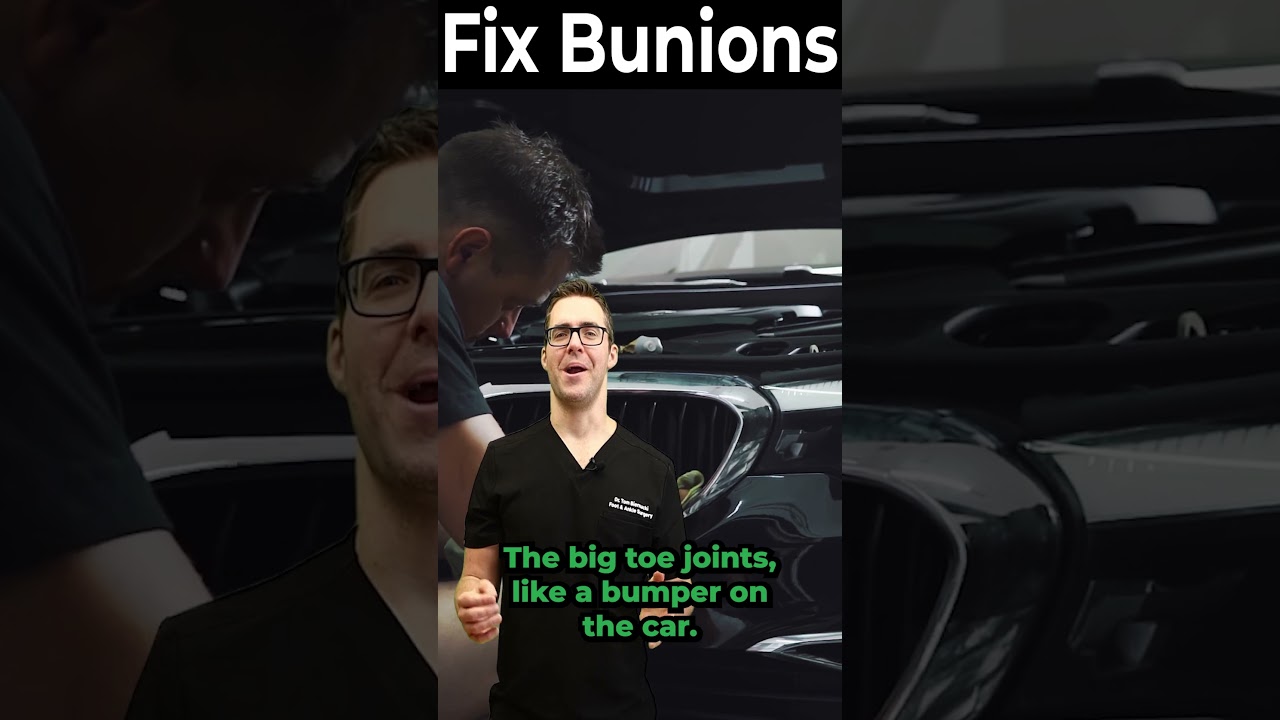
Watch: Best Shoes for Bunions — Podiatrist Guide
Dr. Tom explains exactly what to look for when shopping for shoes with bunions, and which features actually make a difference:
Recommended Brands for Difficult Feet
Certain brands consistently produce shoes that fit difficult feet well. For wide feet and bunions: New Balance (wide/extra-wide widths), Brooks, Altra, Hoka (wide toe box). For extra depth: Apex, Drew, SAS, Propet — these brands offer clinical-grade depth and are Medicare-approved diabetic shoe lines. For dress shoes with orthotics: Ecco, Clarks, Vionic (wider lasts with removable insoles). For athletic use with flat feet: Brooks Adrenaline GTS, ASICS Gel-Kayano (stability category).
Frequently Asked Questions
How do I know if my shoes are too narrow?
Signs of too-narrow shoes include: corns forming on the outer sides of the toes, calluses under the metatarsal heads, skin rubbing raw on the outside of the little toe, bunion pain after wearing, and toe blisters or nail bruising. If you see any of these, try the next width up (B→D for women, D→2E for men) before increasing length.
Can shoes cause bunions?
Shoes do not cause bunions — bunions have a strong genetic component — but narrow, pointed shoes accelerate bunion progression by forcing the big toe into valgus deviation under constant pressure. If you have bunion genetics, wearing wide shoes significantly slows deformity development over decades.
What shoes work best with custom orthotics?
The ideal orthotic shoe has a removable factory insole (so the orthotic can fully seat in the shoe), adequate depth to accommodate the added volume, and a lace or strap closure for adjustability. Running shoes and extra-depth clinical shoes accommodate orthotics best. Fashion shoes with non-removable insoles typically cannot accommodate a proper custom orthotic.
Should I buy a half-size up for wide feet?
No — going up a half-size adds length but not width, and results in a shoe that is too long with the same width problem. Always request a wider width: EE/2E for men, D/E for women. Many major athletic brands offer these widths. If width isn’t available in your preferred style, the style isn’t appropriate for your foot.
How often should I replace my shoes?
Athletic shoes should be replaced every 300–500 miles or 6–12 months of regular use — whichever comes first. The midsole cushioning compresses and loses function before the upper shows visible wear. Dress and casual shoes: when the heel counter loses its firmness or the outsole wear becomes uneven. A worn shoe provides no support regardless of how good it looks.
Footwear Fitting & Orthotic Consultation
Dr. Tom provides personalized footwear recommendations at both Howell and Bloomfield Township locations. Same-day appointments available.
Book an Appointment →📞 (810) 206-1402 | Howell & Bloomfield Township, MI
Related Resources


Dr. Tom Biernacki, DPM is a board-certified foot & ankle surgeon (ABFAS & ABPM) at Balance Foot & Ankle Specialists in Southeast Michigan. With over a decade of clinical experience, he specializes in heel pain, bunions, diabetic foot care, sports injuries, and minimally invasive surgery. Dr. Biernacki is a member of the APMA and ACFAS, and his patient education content on MichiganFootDoctors.com and YouTube has made him one of the most-followed foot & ankle educators on YouTube.