


Quick answer: Skateboarding Foot Ankle Injuries Board Strikes Ankle Fractures is a common foot/ankle topic that affects many patients. The 2026 evidence-based approach combines proper diagnosis, conservative-first treatment, and escalation only when needed. We treat this regularly at our Howell and Bloomfield Township practices. Call (810) 206-1402.
Medically reviewed by Dr. Tom Biernacki, DPM — Board-Certified Podiatric Surgeon — Balance Foot & Ankle, Howell & Bloomfield Township, MI. Last updated April 2026.
⚕️ Podiatrist Reviewed — Dr. Tom Biernacki, DPM
Clinical Summary: Skateboarding generates unique foot and ankle injuries distinct from other action sports. Board strikes, failed landings, and ankle rolls account for the majority of presentations we see in our Southeast Michigan practice. Ankle fractures, fifth metatarsal fractures, heel bruises, and chronic ankle instability are the most common diagnoses. This guide covers every major skateboarding foot injury, when to skate through discomfort versus when to stop immediately, and how to protect your feet for long-term riding.
Quick Answer: What Are the Most Common Skateboarding Foot Injuries?
Ankle sprains and fractures are the most common skateboarding foot and ankle injuries, accounting for over 50% of skate-related lower extremity presentations. The combination of impact landings, board strikes to the shin and ankle, and the twisting forces of failed tricks creates a unique injury profile. Fifth metatarsal fractures (especially Jones fractures), heel bruises from flat landings, toe fractures from board strikes, and chronic ankle instability from repeated sprains round out the most frequent diagnoses. Most skateboarding injuries are preventable with proper technique progression, appropriate footwear, and knowing when to stop a session before fatigue compromises landing mechanics.
In This Complete Skateboarding Foot Injury Guide
- Skateboarding Biomechanics and Foot Stress
- Ankle Sprains: The Most Common Skate Injury
- Ankle Fractures From Failed Landings
- Fifth Metatarsal and Jones Fractures in Skaters
- Heel Bruises From Flat Landings and Stair Sets
- Board Strike Injuries: Shins, Toes, and Ankles
- Chronic Ankle Instability in Skateboarders
- Plantar Fasciitis in Skateboarders
- Turf Toe and Big Toe Hyperextension
- Skate Shoe Selection for Injury Prevention
- Best Insoles for Skateboarding: PowerStep
- Topical Pain Relief for Skate Injuries: Doctor Hoy’s
- Compression for Skating Recovery: DASS
- Barefoot Training for Skaters: FLAT SOCKS
- Complete Skater Foot Care Kit
- Most Common Mistake: Skating on an Unhealed Sprain
- Warning Signs: When to Stop Skating and See a Doctor
- Frequently Asked Questions
- Medical Sources & References
- Watch: Skateboarding Foot Injury Prevention
- Book Your Evaluation
Skateboarding puts your feet and ankles through forces that few other sports replicate — the combination of high-impact landings, rotational tricks, and the ever-present risk of board strikes creates a unique injury environment. If you’re a street skater, transition rider, or just learning to push, understanding these injuries helps you stay on your board longer and recover faster when injuries happen.
Skateboarding Biomechanics: Why Your Feet Take Such a Beating
Skateboarding subjects the foot and ankle to forces fundamentally different from running or ball sports. During a standard ollie, your front foot slides up the grip tape (creating friction burns and toe box compression), while your back foot slams the tail with plantarflexion force equivalent to 3-4 times body weight. Landing generates impact forces of 5-8 times body weight through both feet — comparable to gymnastics dismounts but on an unstable platform that can roll away.
The flat-soled skate shoe design that maximizes board feel simultaneously minimizes shock absorption. Unlike running shoes with 20-30mm of cushioned midsole, skate shoes typically have 8-12mm of relatively firm vulcanized rubber or thin cupsole — enough to feel the board but not enough to attenuate repeated impact forces. This design trade-off makes skate shoes excellent for control but poor for joint protection, which is why supplemental insole support becomes critical for skaters who ride frequently.
Ankle Sprains: The Most Common Skateboarding Injury
Ankle sprains account for approximately 25-30% of all skateboarding injuries and the majority of foot and ankle presentations specifically. The mechanism is almost always inversion — the foot rolls inward as the skater steps off the board, lands unevenly, or catches an edge during a trick. The anterior talofibular ligament (ATFL) is the most commonly injured structure, followed by the calcaneofibular ligament (CFL) in more severe sprains.
What makes skateboarding ankle sprains particularly problematic is the frequency of re-injury. The culture of “skating through it” and the inherent instability of standing on a moving platform mean that many skaters return to riding before their ligaments have fully healed. This creates a cycle of re-injury that leads to chronic ankle instability — a condition that affects an estimated 30-40% of regular skateboarders.
Treatment protocol: Grade I sprains (mild stretching) require 1-2 weeks of relative rest with bracing. Grade II sprains (partial tear) need 3-6 weeks of structured rehabilitation. Grade III sprains (complete ligament rupture) require 6-12 weeks and possible surgical consultation. During recovery, apply Doctor Hoy’s Pain Relief Gel to the lateral ankle for cooling relief and wear DASS compression socks to manage swelling.
Ankle Fractures From Failed Landings and Stair Sets
Ankle fractures in skateboarding typically occur from two mechanisms: high-energy impact from landing stair sets, gaps, or large drops, and rotational forces when the foot catches the board during a failed trick while the body continues rotating. The lateral malleolus (fibula) is most commonly fractured, but bimalleolar fractures (both sides of the ankle) and trimalleolar fractures occur with higher-energy mechanisms.
The distinguishing feature between a bad sprain and a fracture is often the ability to bear weight. If you can’t take four steps on the injured ankle after the initial pain subsides (5-10 minutes), the Ottawa Ankle Rules suggest an X-ray is warranted. Skaters should never assume a severely swollen, bruised ankle is “just a sprain” — fractures missed in the first 48 hours become significantly more complex to treat.
Fifth Metatarsal and Jones Fractures in Skateboarders
The fifth metatarsal — the long bone on the outside of the foot — is vulnerable to two distinct fracture patterns in skateboarders. Avulsion fractures at the base occur when the foot inverts (rolls inward) and the peroneus brevis tendon pulls a chip of bone off the tuberosity. These are painful but typically heal well with protected weight-bearing in a boot.
Jones fractures — transverse fractures at the metaphyseal-diaphyseal junction — are far more concerning. They occur in a watershed vascular zone with poor blood supply, giving them a notorious tendency toward delayed healing and nonunion. In skateboarders, Jones fractures develop both acutely from inversion landings and as stress fractures from repetitive loading. Because of the healing challenges, many active skaters with Jones fractures are treated surgically with intramedullary screw fixation rather than prolonged immobilization.
Heel Bruises From Flat Landings and Stair Sets
Heel bruises (calcaneal fat pad contusions) occur when skaters land flat-footed from height — particularly common when learning stair sets, gaps, or dropping in from tall ramps. The calcaneal fat pad — a specialized cushioning structure under the heel bone — absorbs tremendous force but can become bruised and inflamed when overwhelmed. The pain is a deep, throbbing ache directly under the heel that worsens with every step.
Board Strike Injuries: Shins, Toes, and Ankles
Board strikes are the quintessential skateboarding injury — the board flips, rotates, or shoots out and impacts the lower extremity with surprising force. The edge of a skateboard traveling at speed concentrates force into a narrow line, creating injuries that range from painful bruises to fractures.
Toe fractures from board strikes: When the board lands on or strikes the toes, the thin bone structure of the phalanges is vulnerable to fracture. The fifth toe is most commonly affected. Signs include immediate sharp pain, rapid swelling, and bruising that develops within hours. Most toe fractures heal with buddy taping and stiff-soled shoes over 4-6 weeks, but displaced fractures or fractures involving the joint surface may require reduction.
Medial ankle bone strikes: The medial malleolus is particularly exposed during kickflip and heelflip attempts. Repeated strikes to this bony prominence can cause periosteal bruising (bone bruises at the surface) that produces deep, aching pain lasting weeks. In severe cases, hairline fractures can develop at the malleolus from cumulative impact.
Shin strikes (shinners): While technically above the foot, shin strikes from the board edge are among the most painful skateboarding injuries. The tibial crest has minimal soft tissue protection, and repeated strikes can cause periosteal reactions that take months to resolve.
Chronic Ankle Instability in Skateboarders
Chronic ankle instability (CAI) develops when repeated ankle sprains stretch the lateral ligaments beyond their ability to recover normal tension. The ankle feels loose, gives way unpredictably, and sprains with progressively less force. For skateboarders, CAI is particularly dangerous because standing on a moving board requires constant dynamic ankle stabilization — an unstable ankle on a skateboard is a recipe for progressive injury.
Treatment of CAI in skaters requires a dual approach: rehabilitate the proprioceptive and neuromuscular deficits that allow the ankle to give way, and provide external support during skating to prevent re-injury while the rehabilitation takes effect. Proprioceptive training — single-leg balance exercises, wobble board work, and progressive dynamic drills using FLAT SOCKS for enhanced ground feel — rebuilds the ankle’s awareness of position and loading. Lace-up ankle braces or high-top skate shoes provide external support during sessions. If instability persists despite 12 weeks of dedicated rehabilitation, surgical ligament repair or reconstruction may be warranted.
Plantar Fasciitis in Skateboarders
The flat, thin soles of skate shoes offer minimal arch support, and the repetitive impact of ollies, kickflips, and stair landings loads the plantar fascia with every session. Skaters who ride multiple hours daily — particularly on hard surfaces like concrete parks and street spots — develop plantar fasciitis from the cumulative combination of impact loading and inadequate arch support.
Turf Toe and Big Toe Hyperextension in Skateboarders
Turf toe — hyperextension injury of the first metatarsophalangeal joint — occurs in skateboarding when the big toe catches the ground during a fall or when the front foot pushes forcefully against the nose of the board during a failed trick. The plantar plate and capsule of the big toe joint are stretched or torn, causing pain with push-off and difficulty bending the toe.
Mild turf toe (Grade I) responds to 1-2 weeks of taping and stiff-soled shoes. Moderate injuries (Grade II) require 3-6 weeks of protection with a rigid insole or walking boot. Severe injuries (Grade III) with complete plantar plate rupture may need surgical repair, especially in skaters who depend on toe push-off for trick execution. Taping the big toe to limit dorsiflexion during skating helps prevent recurrence once you return to the board.
Skate Shoe Selection for Injury Prevention
Skate shoe design directly impacts injury risk. The two main construction types — vulcanized and cupsole — offer different protection profiles:
Vulcanized shoes (thinner sole, more board feel) are preferred by technical street skaters but offer minimal impact protection. They’re appropriate for flat-ground tricks and low-impact skating. Skaters using vulcanized shoes should prioritize aftermarket insoles for additional cushioning.
Cupsole shoes (thicker midsole, more structure) provide significantly better impact absorption and ankle support. They’re recommended for stair skating, gap jumping, transition riding, and any high-impact skating. The trade-off is slightly less board feel, which most skaters adapt to quickly.
High-top vs. low-top: High-top skate shoes provide additional ankle collar support that reduces lateral ankle sprain risk. Skaters with a history of ankle sprains should strongly consider high-tops. Replace skate shoes when the midsole becomes compressed and loses its bounce — typically every 2-4 months of regular skating.
Best Insoles for Skateboarding: PowerStep Pinnacle Maxx & Pinnacle
PowerStep Pinnacle Maxx — Maximum Impact Protection for Skaters
The PowerStep Pinnacle Maxx replaces the flat, minimal stock insole in skate shoes with structured arch support and dual-layer heel cushioning that dramatically reduces impact forces during landings. The firm arch support prevents the arch collapse that contributes to plantar fasciitis in frequent skaters, while the reinforced heel cup protects the calcaneal fat pad from bruising. The motion control features stabilize the hindfoot during the lateral forces of board control. This is our primary recommendation for skaters who ride 3+ times per week.
PowerStep Pinnacle — Board Feel With Meaningful Support
The PowerStep Pinnacle offers a slightly thinner profile that preserves more board feel while still providing significant arch and heel support. Technical street skaters who need maximum board sensitivity often prefer this model. The semi-rigid shell supports without adding bulk, and the cushioning layer absorbs landing forces effectively. Many of our skating patients use the Pinnacle for flat-ground sessions and the Pinnacle Maxx for stair and transition sessions.
Topical Pain Relief for Skate Injuries: Doctor Hoy’s
Doctor Hoy’s Natural Pain Relief Gel
Doctor Hoy’s Natural Pain Relief Gel is the ideal rink-side (or park-side) topical for skaters. Apply immediately after a session to the ankles, heels, and any impact areas for rapid menthol cooling relief. The non-greasy formula won’t affect grip tape adhesion if it gets on your hands, and the natural plant-based ingredients are safe for multiple daily applications. Keep a tube in your skate bag for post-session recovery — consistent use prevents the accumulation of low-grade inflammation that leads to chronic problems.
Doctor Hoy’s Natural Arnica Boost Recovery Cream
Skateboarding produces deep tissue impacts — board strikes, heel bruises, and shin hits — that benefit from the concentrated anti-inflammatory action of Doctor Hoy’s Arnica Boost Recovery Cream. Apply at night to bruised shins, sore ankles, and impacted heels. Arnica accelerates bruise resolution and reduces the deep tissue swelling that makes the next day’s session painful. The botanical formula works overnight while you rest, supporting recovery between skating days.
Compression for Skating Recovery: DASS
After a hard session — especially one involving stair sets, gaps, or heavy ankle roll exposure — your feet and ankles accumulate inflammatory fluid that causes overnight stiffness and next-day soreness. DASS premium compression socks provide graduated 20-30 mmHg compression that drives this fluid out of the dependent lower extremities and back into circulation. Wear them for 2-4 hours after skating or overnight for maximum recovery effect. Skaters who use compression consistently between sessions report significantly less ankle puffiness and morning stiffness.
Barefoot Training for Skaters: FLAT SOCKS for Proprioceptive Development
Board feel and ankle proprioception are the foundation of skateboarding skill. FLAT SOCKS allow barefoot-style training that enhances the neural pathways between your feet and your balance system. Use them during off-board warm-up drills: single-leg balance holds, wobble board exercises, towel scrunches for intrinsic foot strength, and ankle alphabet movements. This proprioceptive foundation translates directly to better board control and faster reaction times when your ankle starts to roll — the improved neuromuscular response can be the difference between catching a sprain and riding away clean.
Complete Skater Foot Care Kit
🏆 Skater Foot Protection & Recovery Kit
Our recommended combination for skateboarders who want to protect their feet and recover faster between sessions:
- PowerStep Pinnacle Maxx — Impact-absorbing insoles that replace flat stock insoles
- Doctor Hoy’s Pain Relief Gel — Post-session topical relief for ankles and heels
- Doctor Hoy’s Arnica Boost — Overnight recovery for board strikes and bruises
- DASS Compression Socks — Post-session compression for swelling recovery
- FLAT SOCKS — Barefoot proprioceptive training for ankle stability
This combination covers every phase of skate foot care: impact protection (insoles), acute relief (topical gel), deep recovery (arnica + compression), and injury prevention (proprioceptive training).
Most Common Mistake: Skating on an Unhealed Ankle Sprain
🔑 Key Takeaway From Our Clinic
A 19-year-old skater from Pontiac came to our office after his fourth ankle sprain in eight months. Each time he rolled his ankle, he would ice it for a day or two and get back on his board within a week. By the fourth sprain, his ankle was giving way just walking across parking lots — not even on a skateboard. The ligaments had stretched so repeatedly without healing that he had developed Grade III chronic lateral ankle instability requiring surgical ligament reconstruction (a modified Broström procedure). His recovery kept him off the board for four months. Had he properly rehabilitated the first sprain — two to three weeks of rest followed by four weeks of progressive proprioceptive training — the entire cascade of re-injury could have been prevented. For skaters: every sprain you skate through makes the next one easier to get and harder to fix.
Warning Signs: When to Stop Skating and See a Podiatrist
⚠️ Stop Skating Immediately If You Experience:
- Inability to bear weight after an ankle roll or landing — possible fracture requiring X-ray
- Visible deformity or angulation of the ankle, foot, or toes — fracture or dislocation needing urgent care
- Rapid swelling with deep bruising appearing within 30 minutes — significant structural damage
- Popping or snapping sound at the time of injury — possible ligament rupture or tendon tear
- Numbness or tingling in the foot that doesn’t resolve after removing shoes — potential nerve injury
- Ankle giving way more than twice per month — chronic instability that will worsen without treatment
- Pain on the outside of the foot worsening with push-off — possible Jones fracture or stress reaction
- Heel pain lasting more than 3 weeks despite rest — calcaneal stress fracture or chronic fat pad damage
Skateboarding injuries respond best to early treatment. What takes two weeks to fix acutely often takes two months to fix chronically. Call (810) 206-1402 — we see skaters of all ages and understand the sport.
More Podiatrist-Recommended Foot Health Essentials
Hoka Clifton 10

Max-cushion everyday shoe — podiatrist favorite for walking and running.

OOFOS Recovery Slide

Impact-absorbing recovery sandal — wear after long days on your feet.
As an Amazon Associate, Balance Foot & Ankle earns from qualifying purchases. Product recommendations are based on clinical experience; prices and availability shown above update live from Amazon.
When to See a Podiatrist
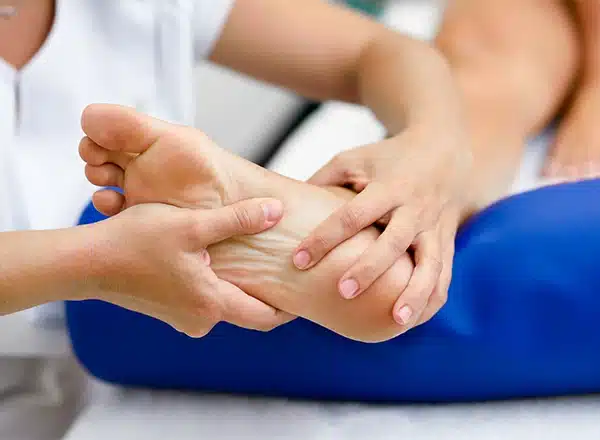
If foot or ankle pain has been bothering you for more than a few weeks, home care alone may not be enough. Balance Foot & Ankle offers same-week appointments at our Howell and Bloomfield Township clinics — no referral needed in most cases. Bring your current shoes and a short list of symptoms and we’ll build you a treatment plan in one visit.
Call Balance Foot & Ankle: (810) 206-1402 · Book online · Offices in Howell & Bloomfield Township
Frequently Asked Questions About Skateboarding Foot Injuries
What is the most common skateboarding foot injury?
Ankle sprains are the most common skateboarding foot and ankle injury, accounting for approximately 25-30% of all skate-related lower extremity injuries. The inversion mechanism — the foot rolling inward when stepping off the board or landing unevenly — stretches or tears the lateral ankle ligaments. Wearing supportive skate shoes (preferably high-tops for skaters with sprain history), using quality insoles like PowerStep Pinnacle Maxx, and performing regular ankle proprioception exercises with FLAT SOCKS significantly reduce sprain risk.
How long should I stay off my skateboard after an ankle sprain?
Grade I sprains require minimum 1-2 weeks off the board, Grade II sprains need 3-6 weeks, and Grade III sprains require 6-12 weeks. Before returning, you should be able to perform a single-leg heel raise without pain, balance on the injured foot for 30 seconds with eyes closed, and complete lateral shuffling drills without discomfort. Returning too early is the primary cause of chronic ankle instability in skaters — the two weeks you save now can cost you four months of surgical recovery later.
Do insoles help with skateboarding foot pain?
Yes — replacing the flat, minimal stock insole in skate shoes with a structured aftermarket insole is one of the most effective interventions for skate-related foot pain. Stock skate shoe insoles offer almost no arch support or heel cushioning, which is why plantar fasciitis, heel bruises, and general foot fatigue are so common in frequent skaters. The PowerStep Pinnacle Maxx provides structured arch support and impact-absorbing cushioning while maintaining a profile thin enough to fit in most skate shoes without changing the fit.
Should I skate with a fractured toe?
No. Skating with a fractured toe risks displacing the fracture fragments, extending the fracture into the joint surface (which can cause permanent arthritis), and significantly prolonging healing time. Most simple toe fractures heal in 4-6 weeks with buddy taping and stiff-soled shoes. You can typically return to light skating at 3-4 weeks if the fracture is non-displaced, but avoid flip tricks and impact landings until the full healing period is complete and you have no pain with push-off.
Are high-top skate shoes better for preventing ankle injuries?
High-top skate shoes provide measurable additional ankle support compared to low-tops, and research in similar sports shows reduced ankle sprain incidence with higher collar heights. However, they are not a substitute for strong ankle ligaments and proprioception. The ideal approach is high-top shoes for skating sessions plus dedicated ankle strengthening and proprioceptive training off the board. Skaters with a history of ankle sprains should strongly consider high-tops, while those without injury history can choose based on comfort and preference.
Medical Sources & References
- Shuman KM, Meyers MC. Skateboarding injuries: an updated review. Phys Sportsmed. 2015;43(3):317-323. doi:10.1080/00913847.2015.1050953
- Forsman L, Eriksson A. Skateboarding injuries of today. Br J Sports Med. 2001;35(5):325-328. doi:10.1136/bjsm.35.5.325
- Everett WW. Skatepark injuries and the influence of skatepark design: a one year consecutive case series. J Emerg Med. 2002;23(3):269-274. doi:10.1016/s0736-4679(02)00529-9
- McKay GD, Goldie PA, Payne WR, Oakes BW. Ankle injuries in basketball: injury rate and risk factors. Br J Sports Med. 2001;35(2):103-108. doi:10.1136/bjsm.35.2.103
- Torg JS, Balduini FC, Zelko RR, et al. Fractures of the base of the fifth metatarsal distal to the tuberosity. J Bone Joint Surg Am. 1984;66(2):209-214.
Watch: Skateboarding Foot Injury Prevention Tips
Dr. Biernacki discusses common skateboarding foot injuries and prevention strategies:
Hurt Skating? Get Back on Your Board Faster
If you’re dealing with a fresh ankle sprain, chronic instability, or persistent heel pain from skating, Dr. Biernacki and the team at Balance Foot & Ankle understand skate-specific injuries and get you back on your board with a treatment plan designed for active riders throughout Southeast Michigan.
Related Sports Injury Resources
- Complete Ankle Sprain Treatment Guide
- Stress Fractures of the Foot
- Best Shoes for Plantar Fasciitis 2026
- Podiatrist Recommended Foot Care Products 2026
- BMX & Mountain Biking Foot Injuries
- Court Sport Foot Injuries
Affiliate Disclosure: This page contains affiliate links to products we recommend. Balance Foot & Ankle may earn a small commission at no additional cost to you. We only recommend products Dr. Biernacki uses with patients in clinical practice.
Dr. Tom’s Recommended Products: See our clinically tested product recommendations for this condition. View Dr. Tom’s recommended products →
When to See a Podiatrist for Skateboarding Injuries
If you’ve sustained an ankle sprain, fracture, or chronic foot pain from skateboarding, a board-certified podiatrist can provide accurate diagnosis and a treatment plan to get you back on your board safely. At Balance Foot & Ankle, we treat sports injuries at our Howell and Bloomfield Township offices.
Learn About Our Ankle & Foot Injury Treatment | Book Your Appointment | Call (810) 206-1402
Clinical References
- Sloan A, Hussain I, Maqsood M, et al. “The effects of smoking on fracture healing.” Surgeon. 2010;8(2):111-116.
- Fernandez WG, Yard EE, Comstock RD. “Epidemiology of lower extremity injuries among U.S. high school athletes.” Academic Emergency Medicine. 2007;14(7):641-645.
- McKay GD, Goldie PA, Payne WR, Oakes BW. “Ankle injuries in basketball: injury rate and risk factors.” British Journal of Sports Medicine. 2001;35(2):103-108.
Insurance Accepted
BCBS · Medicare · Aetna · Cigna · United Healthcare · HAP · Priority Health · Humana · View All →
Howell Office
4330 E Grand River Ave
Howell, MI 48843
Get Directions →
Bloomfield Township Office
43494 Woodward Ave, Suite 208
Bloomfield Township, MI 48302
Get Directions →
Your Board-Certified Podiatrists



Ready to Get Back on Your Feet?
Same-week appointments available at both locations.
Book Your AppointmentWatch: Skateboarding Foot & Ankle Injuries
Dr. Tom on skate injuries — heelbone (calcaneus) impact fractures, Achilles strains on ollies, ankle sprains, board strikes, deck foot care.

Skate Recovery Kit
Heal smart, roll again. Dr. Tom’s kit:
As an Amazon Associate, Balance Foot & Ankle earns from qualifying purchases. This supports our free patient education content.
Sprain + instability support.
Heel-impact cushioning.
Post-slam inflammation.
Topical impact-pain relief.
Related: Ankle Sprain · Calcaneus Fracture · Book Same-Week Appointment
In-Office Treatment at Balance Foot & Ankle
If home treatment isn’t providing relief for your foot and ankle conditions, our podiatry team at Balance Foot & Ankle can help with same-day evaluations and advanced in-office care.
Same-day appointments available. (810) 206-1402
Frequently Asked Questions
When should I see a podiatrist?
If symptoms persist past 2 weeks, affect your normal activity, or are accompanied by red-flag symptoms (warmth, redness, swelling, inability to bear weight).
What does treatment cost?
Most diagnostic visits and conservative treatments are covered by Medicare and major insurers. Out-of-pocket costs vary by your specific plan.
How quickly can I get an appointment?
Most non-urgent cases see us within 5 business days. Urgent cases (sudden pain, possible fracture) typically same or next business day.
What is Stress fracture?
Stress fracture is a common foot/ankle condition that affects mobility and quality of life. Understanding the underlying cause is the first step in successful treatment. Our podiatrists at Balance Foot & Ankle perform a hands-on biomechanical exam, review your activity history, and use diagnostic imaging when appropriate to identify the root cause—not just treat the symptom. Many patients have been told to “rest and ice” without a deeper diagnostic workup; our approach is different.
Symptoms and warning signs
Common signs of stress fracture include pain that worsens with activity, morning stiffness, swelling, tenderness when palpated, and difficulty bearing weight. If you experience sudden severe pain, inability to walk, visible deformity, numbness or color change, contact our office the same day or visit urgent care—these can signal a more serious injury such as a fracture, tendon rupture, or vascular compromise. Diabetics with any foot wound should seek same-day care.
Conservative treatment options
Most cases of stress fracture respond to non-surgical care: structured rest, supportive footwear changes, custom orthotics, targeted stretching and strengthening protocols, anti-inflammatory medications when medically appropriate, and in-office procedures such as ultrasound-guided injections. We also offer advanced therapies including MLS laser therapy, EPAT/shockwave, regenerative injections, and image-guided procedures. Treatment is sequenced from least invasive to most invasive, and we explain the rationale at every step.
When is surgery considered?
Surgery is reserved for cases that fail 3-6 months of well-structured conservative care, when there is structural pathology (severe deformity, complete tear, advanced arthritis), or when imaging shows damage that will not heal without intervention. Our surgeons have performed 3,000+ foot and ankle procedures and prioritize minimally-invasive techniques whenever appropriate. We discuss recovery timelines, return-to-activity milestones, and realistic outcome expectations before any procedure is scheduled.
AAOS: Ankle Fractures (Broken Ankle)
Recovery timeline and prevention
Recovery from stress fracture varies based on severity and chosen treatment path. Conservative cases often improve within 4-8 weeks with consistent adherence to the protocol. Post-procedural recovery may range from a few days (in-office procedures) to several months (reconstructive surgery). Long-term prevention involves footwear assessment, activity modification, structured strengthening, and regular check-ins with your podiatrist if you have a history of recurrence. We provide written home-exercise plans and digital follow-up support.
Ready to feel better?
Same-week appointments available in Howell and Bloomfield Township, Michigan.
Book Your VisitGet Expert Care at Balance Foot & Ankle
Same-week appointments at our Howell and Bloomfield Township offices. Board-certified podiatric surgeons. Most insurance accepted.

Dr. Tom Biernacki, DPM is a board-certified foot & ankle surgeon (ABFAS & ABPM) at Balance Foot & Ankle Specialists in Southeast Michigan. With over a decade of clinical experience, he specializes in heel pain, bunions, diabetic foot care, sports injuries, and minimally invasive surgery. Dr. Biernacki is a member of the APMA and ACFAS, and his patient education content on MichiganFootDoctors.com and YouTube has made him one of the most-followed foot & ankle educators on YouTube.
More questions patients ask
How long does an ankle sprain take to heal?
Recovery time depends on severity: Grade 1 (mild stretching) typically heals in 1-3 weeks, Grade 2 (partial tear) in 3-6 weeks, and Grade 3 (complete tear) in 6-12 weeks or longer. Proper rehabilitation is critical to prevent chronic ankle instability, which affects up to 40% of patients who don't receive adequate treatment. Dr. Biernacki creates customized recovery plans.
When should I see a doctor for a sprained ankle?
Seek professional evaluation if you can't bear weight, notice significant swelling or bruising, hear a pop at the time of injury, have numbness, or if pain hasn't improved after 5-7 days of RICE treatment. X-rays or MRI may be needed to rule out fractures. Dr. Biernacki offers same-day urgent evaluations at 810-206-1402.
Can a sprained ankle heal without treatment?
While mild sprains may heal with rest and home care, undiagnosed ligament tears and improperly rehabilitated sprains frequently lead to chronic ankle instability, recurrent sprains, and early-onset arthritis. A proper evaluation ensures appropriate treatment and reduces your risk of long-term complications significantly.
Still have a question about coverage or cost? Book online and we will check your benefits before your visit: Book in Howell · Book in Bloomfield Township. Prefer to talk it through first? Call (810) 206-1402.