Expert Foot & Ankle Treatment from Michigan’s #1 Podiatrist - Balance Foot & Ankle Specialist
As Seen on YouTube
Trusted by 1M+ Social Media Followers
Expert Foot & Ankle Treatment from Michigan’s #1 Podiatrist - Balance Foot & Ankle Specialist
Trusted by 1M+ Social Media Followers
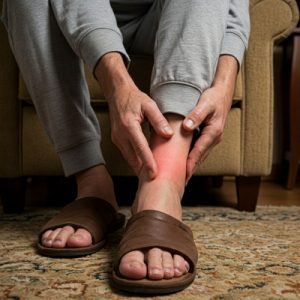
Big Toe Pain? It Might Be a Sprain.
A sprained big toe joint might seem minor at first, but it can lead to significant pain and mobility issues if left untreated. Whether it happened during sports, a misstep, or overuse, toe sprains often affect your ability to walk or stand comfortably. In this guide, we’ll explain what causes a sprained big toe joint, how to recognize it, and the fastest ways to treat and recover.
The big toe joint, also known as the first metatarsophalangeal (MTP) joint, plays a critical role in balance and forward motion. A sprain occurs when the ligaments around this joint are overstretched or torn, often due to sudden trauma or repetitive stress. Left unmanaged, it can lead to stiffness, arthritis, or chronic joint instability. Understanding the symptoms and getting the right care can speed up recovery and prevent long-term complications.
Big Toe Joint, Hammer Toe & Bunionette Problems
If you’re dealing with toe pain, swelling, or trouble walking, a sprained big toe joint may be to blame. Our foot specialists can diagnose the severity and help you get back on your feet quickly—with proven treatment plans that work. Schedule your appointment today and take the first step toward healing.
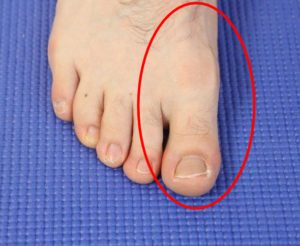
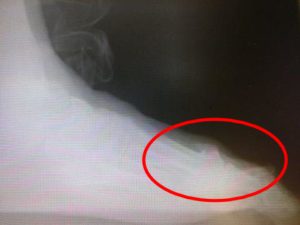
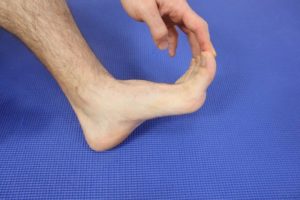
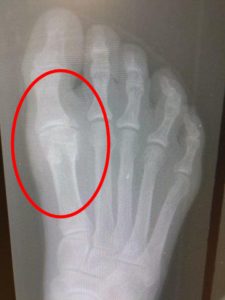
Sprained Big Toe Joint Treatment: There are 3 stages of a sprained big toe joint. It can take 1-2 weeks or up to 3+ months in stage 3 to get better.
Look:
So, let’s GO!
Do you have Sprained Big Toe Joint or Turf Toe Injury? Use the NEW Sprained Big Toe Joint Treatments & Turf Toe Treatments!
00:00 Turf Toe Home Treatment
0:44 What is Turf Toe & Turf Toe Causes
0:56 Turf Toe Symptoms & Turf Toe Anatomy
1:00 Turf Toe Sprain, Turf Toe Rupture, Turf Toe Dislocation (dislocated toe or dislocated big toe joint)
1:50 Turf Toe Recovery Time
2:15 Turf Toe Diagnosis
3:09 Turf Toe Pain Relief
3:28 Turf Toe Medication & Sprained Big Toe Joint Medications
4:37 Turf Toe Massage
4:42 Turf Toe Injection
4:49 Turf Toe Cast & Turf Toe Boot
5:12 Turf Toe Taping & Sprained Big Toe Joint Taping
10:00 Best Turf Toe Shoes
11:00 Best Turf Toe Orthotics
11:50 Turf Toe Exercises & Turf Toe Stretches
12:10 Turf Toe Rehab
Look:
So, check out the big toe diseases by clicking on the photo gallery for descriptions!


Think broken toe if:
A) Ice The Big Toe:
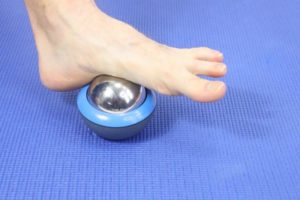
B)Elevation of the Big Toe Joint To Prevent Swelling.:
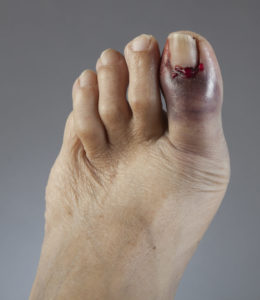
C)Compression:
D)Topical Anti-Inflammatory Medications:
E)Oral NSAIDs:
F)Use taping to keep pressure off of this site:
G)Get yourself a good supportive shoe:
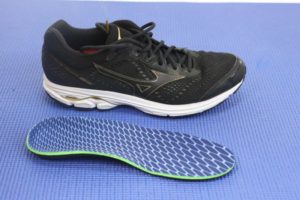
H)Get a Turf Toe Gait Plate for the Big Toe Joint:


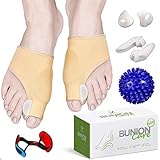

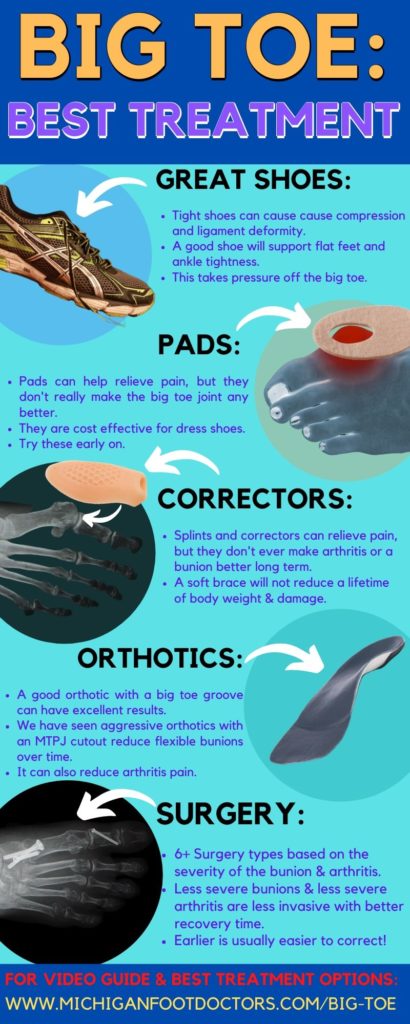

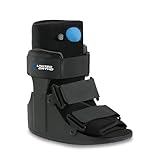






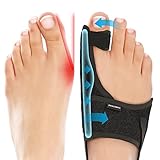



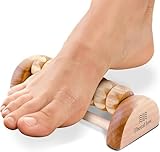











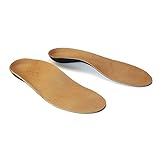

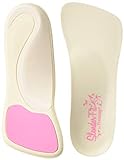

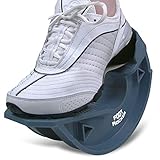

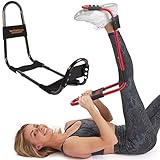


Click this link for the best podiatrist recommended orthotics!


Big Toe Joint, Hammer Toe & Bunionette Problems
A sprain in the big toe joint means the ligaments have been overstretched or torn, usually due to sudden force or overuse.
You may feel pain, swelling, bruising, and difficulty bending or walking on your toe. A “pop” at the time of injury can also indicate a sprain.
Common causes include sports injuries (especially turf toe), stubbed toes, jumping, and repetitive strain.
Mild sprains may heal in 1–2 weeks, while moderate to severe sprains can take 4–6 weeks or longer with proper treatment.
Turf toe is a type of big toe joint sprain caused by hyperextension—typically from pushing off on a hard surface like artificial turf.
Yes, especially if pain persists or walking becomes difficult. A podiatrist can assess if it’s a sprain, fracture, or dislocation.
It’s best to limit activity early on. Walking may worsen the injury if not properly supported or treated.
Treatment includes rest, ice, compression, elevation (RICE), taping, wearing stiff-soled shoes, or using orthotics. Severe cases may require physical therapy or a boot.
Yes, untreated sprains can damage cartilage over time, increasing your risk of arthritis in the joint.