

Quick answer: The best podiatrist-recommended women’s shoes pair firm arch support, a structured heel, and a roomy toe box with cushioning — Brooks, HOKA, New Balance, and Vionic lead across walking, work, and dress styles. Match the shoe to your need: stability for flat feet and overpronation, cushioning for heel and ball-of-foot pain.

Most women’s shoes are designed for fashion first and feet second — but a small handful of brands hit both at once. The 8 we recommend are the ones our patients actually wear without complaint.
You’ve come to the right podiatry team. Dr. Tom Biernacki, DPM, FACFAS — board-certified foot & ankle surgeon with 3,000+ surgeries — explains exactly what podiatrist-recommended women’s shoes means and what works. Call (810) 206-1402 for same-day appointment at Howell or Bloomfield Township.
Quick answer: Podiatrist Recommended Womens Shoes comes up often in our clinics. Effective treatment starts with a targeted diagnosis, conservative-first treatment, and escalation only when needed. We treat this regularly at our Howell and Bloomfield Township practices. Call (810) 206-1402.

Hoka Bondi 8 Women’s
#1 podiatrist-recommended max-cushion shoe — proven on plantar fasciitis, heel pain, and Achilles.
- Max EVA cushion
- Wide forefoot fits orthotics
- Available in 4E for swollen feet
- Runs slightly long
- Pricier than budget shoes

Vionic Walker Women’s Walking Shoe
Built-in podiatrist-designed arch — for women who need arch support without buying separate insoles.
- Built-in orthotic
- APMA-accepted
- Versatile for daily wear
- Less plush than Hoka
- No 4E width
Walk Smart. Feel Great. Women’s Shoes Backed by Podiatrists.
Podiatrist Recommended Women’s Shoes Best Arch Support!
Women’s footwear comes in endless styles—from casual sneakers and supportive sandals to elegant dress shoes and sturdy work boots. But not all are created with your foot health in mind. Ill-fitting or unsupportive shoes can contribute to chronic issues like plantar fasciitis, bunions, or heel pain.
Make 100% sure you are getting the absolutely best supportive shoes!
https://youtu.be/Ipun4K4-Xcs BOOK AN APPOINTMENT
Shoes are more than just fashion accessories—they’re the foundation of our movement, balance, and overall posture. Yet, for many women, the allure of stylish heels or trendy flats often outweighs why we comfort and foot health. This oversight can lead to serious foot problems over time. In fact, ignoring the health aspect of women’s shoes can have long-term effects not only on the feet but also on knees, hips, and the back.
The Reality Behind Women’s Footwear Choices
Each year, women purchase an average of three pairs of shoes and spend approximately $49 on each pair. While variety is fun and style is personal, many of these purchases prioritize looks over structure and support. Pointy toes, flat soles, and high heels may look great, but they often lack the essential elements needed for healthy foot function.
The Hidden Impact of Uncomfortable Shoes
Wearing unsupportive or ill-fitting shoes can contribute to:
-
Plantar fasciitis
-
Bunions and hammertoes
-
Arch pain or collapse
-
Heel spurs
-
Poor posture and back pain
Over time, the cumulative effect of wearing uncomfortable shoes can limit mobility and cause chronic pain that affects daily activities.
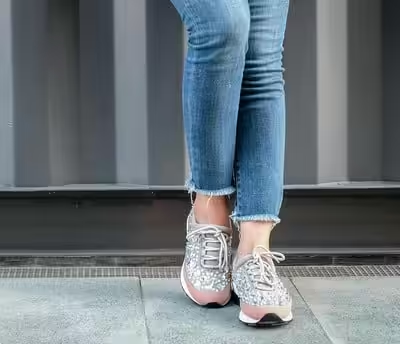
Comfort and Style: A Healthy Compromise
Thankfully, comfort doesn’t mean compromising on style. Today’s footwear market is full of podiatrist-recommended shoes that blend orthopedic support with elegant design. From arch-supporting sneakers to cushioned ballet flats and breathable sandals, women have more healthy options than ever before.
When shopping for shoes, consider:
-
Arch support and cushioning
-
Breathable materials
-
Proper fit (including width)
-
Shock-absorbing soles
-
Low or moderate heel height
Why It Matters at Every Age
From young professionals to active moms and seniors, every woman benefits from supportive shoes. Whether you’re standing all day at work, chasing kids, or enjoying a daily walk, your feet carry the weight—literally—of your lifestyle. Keeping them healthy with the right shoes can prevent a cascade of health issues down the line.
Best Women’s Shoes:

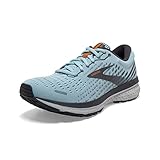
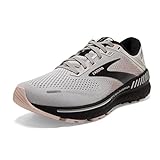
Best Women’s Racing Shoes:


Best Women’s Maximalist Shoes:
Hoka: https://amzn.to/2y3J7z6
Brooks: https://amzn.to/2UvZzzO
Altra: https://amzn.to/39mJHVE
Moisture Wicking Socks:
- These are some great choices for moisture wicking socks.
- Not only do these prevent blisters, and skin problems while running and walking, but they will reduce foot fungus and nail fungus.
- The cost is generally not very expensive, but these are great options to further reduce your foot pain.
- We highly recommend a great moisture wicking sock when you get a pair of good shoes.


Final Thoughts from Dr. Tom Biernacki
As a podiatrist, I see the impact poorly designed footwear can have on women every day. That’s why I always recommend choosing shoes that support your lifestyle, comfort, and foot structure. Don’t settle for cute but painful shoes—your feet deserve better.
At Balance Foot & Ankle Specialist, we help women find the perfect shoe that meets both medical and aesthetic needs.
More Podiatrist-Recommended Shoes Essentials
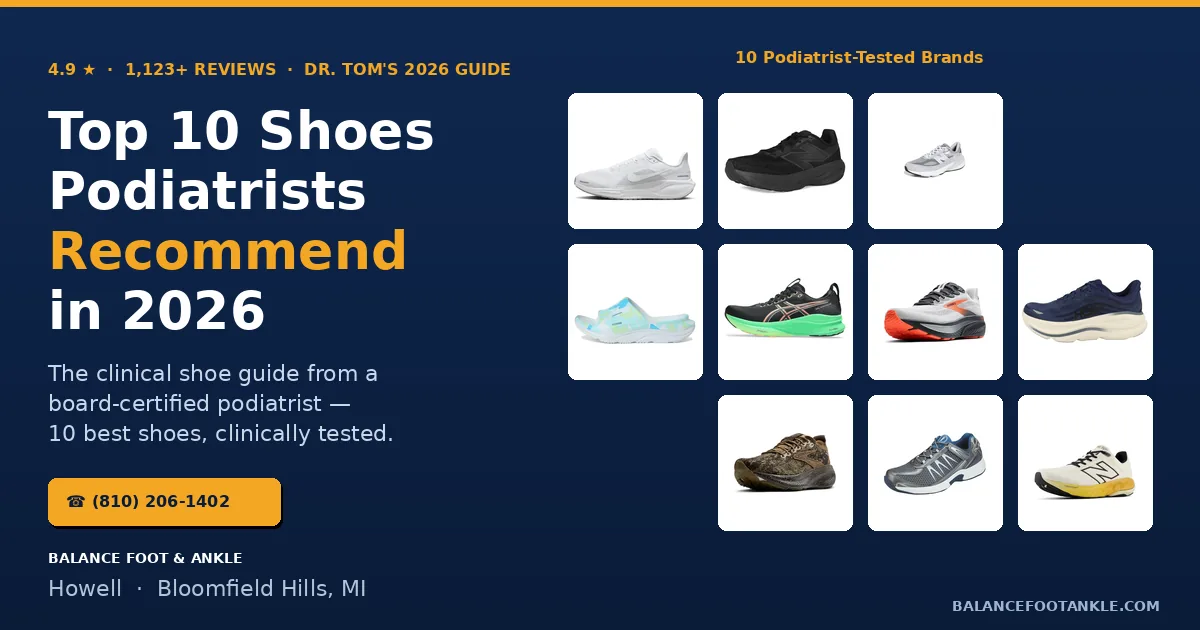
Hoka Clifton 10

Max-cushion neutral runner — podiatrist favorite for all-day comfort.
Brooks Adrenaline GTS 25
Stability runner for overpronators — great for flat feet and bunions.
New Balance 990v6
Premium walking shoe with wide toe box — bunion and flat-foot friendly.
As an Amazon Associate, Balance Foot & Ankle earns from qualifying purchases. Product recommendations are based on clinical experience; prices and availability shown above update live from Amazon.
When to See a Podiatrist
The right shoe shape, last, and stability category is more important than brand. Balance Foot & Ankle evaluates your foot type (neutral, pronator, supinator, high-arched) and recommends specific shoe models that match. Bringing in your current pair lets us spot wear patterns that reveal gait issues — a free 5-minute assessment that can prevent years of foot pain.
Call Balance Foot & Ankle: (810) 206-1402 · Book online · Offices in Howell & Bloomfield Township
Frequently Asked Questions About Women’s Shoes & Foot Health
What are the best shoes for everyday use for women?
Supportive walking shoes or casual sneakers with arch support and cushioning are best for daily wear.
Can wearing the wrong shoes cause foot problems?
Yes, ill-fitting shoes can lead to plantar fasciitis, bunions, hammertoes, and even knee or back pain.
Are there stylish shoes that are also podiatrist-recommended?
Absolutely. Many brands now combine orthopedic design with fashionable looks. Dr. Biernacki recommends several that do both.
What should I look for in a women’s shoe for work?
Look for shock-absorbing soles, good arch support, and a comfortable toe box if you’re on your feet all day.
Do I need orthotics if my shoes are already supportive?
Not always, but for chronic pain or structural issues, orthotics may enhance support even in great shoes.
How often should I replace my shoes?
Every 6 to 12 months depending on usage, especially if they show signs of wear or loss of cushioning.
Related Treatment Guides
Want Personalized Shoe Recommendations?
Our podiatrists evaluate your foot structure and gait to recommend the ideal women’s shoes for your specific needs.
Clinical References
- Frey C, Thompson F, Smith J, Sanders M, Horstman H. American Orthopaedic Foot and Ankle Society women’s shoe survey. Foot Ankle. 1993;14(2):78-81.
- Buldt AK, Menz HB. Incorrectly fitted footwear, foot pain and foot disorders: a systematic search and narrative review. J Foot Ankle Res. 2018;11:43.
- Menz HB, Morris ME. Footwear characteristics and foot problems in older people. Gerontology. 2005;51(5):346-351.
Insurance Accepted
BCBS · Medicare · Aetna · Cigna · United Healthcare · HAP · Priority Health · Humana · View All →
📋 Dr. Tom Also Recommends
Podiatrist Recommended Orthotics 2026: Dr. Tom’s Top 10 Insoles & Arch Supports
A podiatrist’s complete clinical guide to the best insoles — custom orthotics, OTC picks, and what actually works for plantar fasciitis, flat feet, neuropathy & more.
Read the Full Guide →Howell Office
4330 E Grand River Ave
Howell, MI 48843
Get Directions →
Bloomfield Township Office
43494 Woodward Ave, #208
Bloomfield Township, MI 48302
Get Directions →
Your Board-Certified Podiatrists



Ready to Get Back on Your Feet?
Same-week appointments available at both locations.
Book Your Appointment👟 Dr. Tom’s Complete Footwear Library
Podiatrist-Approved Guides for Every Foot Type & Condition
Clinically reviewed by Dr. Tom Biernacki, DPM — Board-Certified Podiatrist
All guides are written and reviewed by licensed podiatrists. Schedule an appointment →
Podiatrist-Recommended Products to Pair With Supportive Women’s Shoes
- PowerStep Pinnacle — upgrade any women’s shoe with a podiatrist-grade arch support insole
- FLAT SOCKS No-Sock Insoles — ultra-thin no-sock insoles that make any women’s shoe more comfortable without bulk
- Doctor Hoy’s Natural Pain Relief Gel — topical relief for foot pain during the break-in period of new supportive footwear
These are the same products Dr. Biernacki recommends in clinic. Available through our partner Foundation Wellness.
Visit Balance Foot & Ankle — Same-Day Appointments Available
Our podiatry team serves patients throughout Michigan including Howell, Brighton, and Bloomfield Township. If you’re dealing with heel pain, ingrown toenails, or a foot injury, we have same-day appointment availability.
Same-day appointments available. (810) 206-1402
Frequently Asked Questions
When should I see a podiatrist?
If symptoms persist past 2 weeks, affect your normal activity, or are accompanied by red-flag symptoms (warmth, redness, swelling, inability to bear weight).
What does treatment cost?
Most diagnostic visits and conservative treatments are covered by Medicare and major insurers. Out-of-pocket costs vary by your specific plan.
How quickly can I get an appointment?
Most non-urgent cases see us within 5 business days. Urgent cases (sudden pain, possible fracture) typically same or next business day.

Dr. Tom Biernacki, DPM is a board-certified foot & ankle surgeon (ABFAS & ABPM) at Balance Foot & Ankle Specialists in Southeast Michigan. With over a decade of clinical experience, he specializes in heel pain, bunions, diabetic foot care, sports injuries, and minimally invasive surgery. Dr. Biernacki is a member of the APMA and ACFAS, and his patient education content on MichiganFootDoctors.com and YouTube has made him one of the most-followed foot & ankle educators on YouTube.
More questions patients ask
What women shoes do podiatrists most recommend?
Top podiatrist-recommended women shoes: HOKA Bondi 8 (max cushion), Brooks Ghost 15 (versatile), New Balance 928v3 (max stability), ASICS Gel-Kayano 30 (overpronation), Vionic Walker (built-in arch), Mephisto Match. Match shoe type to foot type: stability for flat feet, neutral cushioning for high arches, max cushion for sensitive feet.
What features should women podiatrist-approved shoes have?
Key features: firm heel counter (controls heel motion), supportive arch matching foot type, deep heel cup, removable insole for orthotic, wide toe box (avoids forefoot compression), breathable upper, durable rubber outsole. Avoid: pointed toes, high heels, completely flat shoes, narrow widths. Replace every 6-12 months for daily wear.
How do you find good women shoes with arch support?
Strategies: shop at specialty running stores with gait analysis, look for shoes with removable insoles (allows orthotic insertion), choose brands known for arch support (Brooks, ASICS, New Balance, Vionic, HOKA), wear-test before commit. Avoid pure fashion shoes for daily wear. For severe foot pain, custom orthotics in supportive sneakers work best.
Still have a question about coverage or cost? Book online and we will check your benefits before your visit: Book in Howell · Book in Bloomfield Township. Prefer to talk it through first? Call (810) 206-1402.