
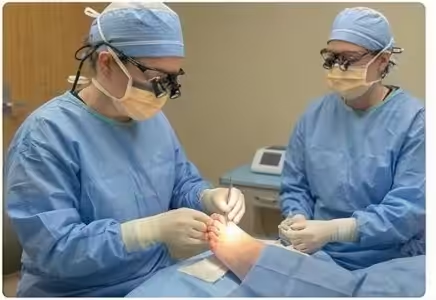
Quick answer: Swimmer Foot Health Pool Deck Injuries Plantar Warts is a common foot/ankle topic that affects many patients. The 2026 evidence-based approach combines proper diagnosis, conservative-first treatment, and escalation only when needed. We treat this regularly at our Howell and Bloomfield Township practices. Call (810) 206-1402.
Medically reviewed by Dr. Tom Biernacki, DPM — Board-Certified Podiatric Surgeon — Balance Foot & Ankle, Howell & Bloomfield Township, MI. Last updated April 2026.
▶ Watch
Medically reviewed by Dr. Tom Biernacki, DPM | Board-certified podiatrist | 3,000+ surgeries performed
Last updated: April 2, 2026
The most important clinical decision with Swimmer Foot Health Pool Deck Injuries Plantar Warts isn't which treatment to start with — it's which subtype or underlying cause you actually have. Our podiatrists regularly see patients who've been treated for months for the wrong diagnosis. The correct identification changes the entire treatment path. Call (810) 206-1402 — Dr. Tom evaluates this condition at both Howell and Bloomfield Township locations.
Common Swimmer Foot Problems and Pool Deck Injuries
Pool deck slip-and-fall injuries account for a significant portion of swimming-related foot trauma. Wet tile and concrete surfaces create extremely slippery conditions that cause ankle sprains, metatarsal fractures, and heel contusions. Wearing pool slides or water shoes on deck reduces slip risk by providing traction and foot protection.
Toe injuries are common from kicking the pool wall during flip turns. Subungual hematomas (bleeding under the toenail), toe sprains, and even fractures can occur from misjudged distances during turns. Competitive swimmers who practice hundreds of flip turns per week are at highest risk for these repetitive impact injuries.
Diving block starts concentrate enormous force through the forefoot and toes. Sesamoid bruises, metatarsal stress reactions, and plantar plate strains can develop in competitive swimmers who perform numerous starts during training. Proper start technique and adequate forefoot padding during dryland training help prevent these injuries.
Plantar Warts: The Swimmer’s Most Common Foot Infection
Plantar warts are caused by human papillomavirus (HPV) strains 1, 2, 4, and 63 that thrive in warm, moist environments like pool decks, locker rooms, and communal showers. Swimmers have a 3-4 times higher rate of plantar warts compared to non-swimmers due to constant exposure to these environments.
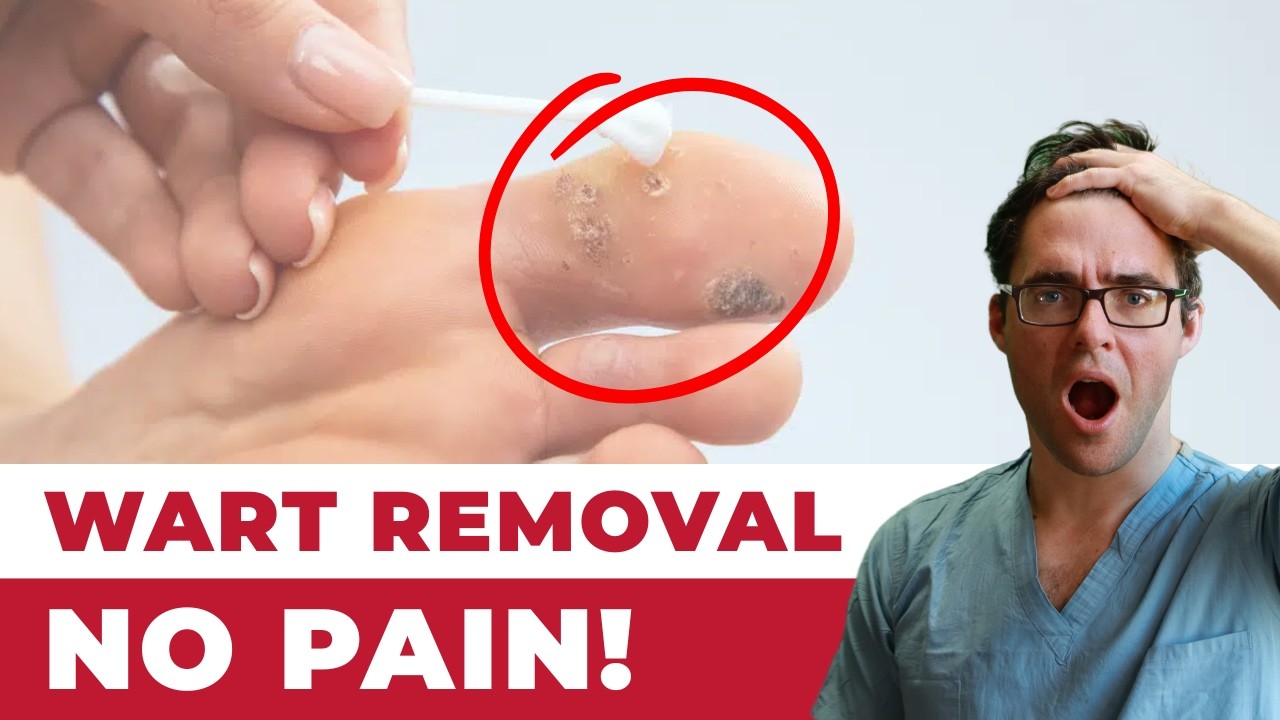
Warts typically appear as rough, callus-like lesions on the weight-bearing areas of the foot with small black dots (thrombosed capillaries) visible within the lesion. They can cause significant pain during push-off from the pool wall and during walking. Multiple warts (mosaic warts) may develop from untreated initial infections.
Prevention strategies include wearing waterproof sandals in all communal areas, drying feet thoroughly after swimming (especially between toes), avoiding walking barefoot on pool decks, covering any existing warts with waterproof bandages, and maintaining healthy skin barriers by treating cracked or dry skin on the feet.
Fungal Infections: Athlete’s Foot in Swimmers
Despite the misleading name, athlete’s foot (tinea pedis) is extremely common among swimmers. The warm, moist environment of pool facilities provides ideal conditions for dermatophyte fungi. Symptoms include itching, burning, peeling, and cracking skin between the toes and on the soles of the feet.
Chlorine in pool water actually disrupts the skin’s natural protective barrier, making swimmers more susceptible to fungal colonization. The repeated cycle of chlorine exposure followed by warm, enclosed footwear creates conditions that promote fungal growth and make treatment more challenging.
Effective prevention includes applying antifungal powder to feet before putting on socks, changing out of wet swimwear and footwear promptly after swimming, using antifungal soap in post-swim showers, and ensuring swim bags and towels are washed regularly to prevent recontamination.
Ankle Conditioning and Kick-Related Injuries
Freestyle and backstroke kicking requires sustained ankle plantarflexion that can overload the anterior ankle structures. Swimmer’s ankle — anterior impingement syndrome — develops when repetitive plantarflexion causes bone spurring or soft tissue compression at the front of the ankle joint.
Breaststroke kick places unique demands on the medial ankle and knee. The whip kick requires aggressive ankle eversion that stresses the deltoid ligament and can contribute to medial ankle pain, especially in swimmers with limited ankle flexibility or those who log high breaststroke yardage.
Ankle conditioning exercises for swimmers should include both plantarflexion and dorsiflexion strengthening, ankle circles for mobility maintenance, resistance band eversion and inversion exercises, and single-leg balance drills. These exercises maintain the ankle flexibility needed for efficient kick mechanics while building the stability that prevents overuse injuries.
Chlorine Skin Effects and Foot Skin Care for Swimmers
Prolonged chlorine exposure strips the skin of natural oils, leading to dryness, cracking, and fissuring — particularly on the heels and between the toes. These skin breaks serve as entry points for bacterial and fungal infections. Competitive swimmers who spend 4-6 hours in chlorinated water daily are at highest risk.
Post-swim foot care should include thorough rinsing with fresh water, gentle drying (especially between toes), and application of a ceramide-based moisturizer to restore the skin barrier. Heel balms containing urea (10-20%) effectively treat and prevent the thick, cracked calluses that develop from repetitive chlorine exposure.
Toenails also suffer from chlorine exposure, becoming brittle, discolored, and prone to splitting. Keep nails trimmed short and straight across to prevent ingrown toenails. Avoid nail polish during heavy training periods as it traps chlorine against the nail plate and worsens brittleness.
When Swimmers Should See a Podiatrist
Seek podiatric evaluation for any foot or ankle pain that persists beyond one week despite rest and home treatment, plantar warts that do not respond to over-the-counter treatments after 4-6 weeks, recurring fungal infections despite proper hygiene, ankle pain or instability that affects kick efficiency, and any foot injury from a pool deck fall.
Dr. Tom Biernacki treats competitive and recreational swimmers at Balance Foot & Ankle in Howell and Bloomfield Township. Our sports medicine approach addresses both acute injuries and the chronic overuse conditions that develop from high-volume swim training, helping athletes maintain their training schedule while healing.
Warning Signs Requiring Urgent Evaluation
- function bold() { [native code] } — undefined
- function bold() { [native code] } — undefined
- function bold() { [native code] } — undefined
- function bold() { [native code] } — undefined
The Most Common Mistake We See
The biggest mistake swimmers make is ignoring foot problems because swimming is low-impact. While swimming spares the feet from ground impact, the pool environment creates infection risks, and repetitive kicking generates significant ankle stress. Treating pool deck injuries, infections, and overuse conditions early prevents them from becoming chronic problems that sideline training for weeks.
Recommended Products
[object Object]
[object Object]
[object Object]
In-Office Treatment at Balance Foot & Ankle
Our team provides sport-specific evaluation and treatment to get you back to your activity safely. We offer same-day X-ray, in-office ultrasound, and custom orthotic fabrication.
Same-day appointments available. Call (810) 206-1402 or book online.
More Podiatrist-Recommended Wart Essentials
Breathable Shoe for Foot Recovery
Orthofeet Sprint — deep toe box reduces pressure during wart treatment.
Moisture-Wicking Sock


Watch: Plantar Wart Removal — MichiganFootDoctors YouTube
OS1st FS4 — dry environment supports wart treatment recovery.
Indoor Recovery Slide
HOKA Ora 3 — keeps treated area protected at home without occlusive pressure.
As an Amazon Associate, Balance Foot & Ankle earns from qualifying purchases. Product recommendations are based on clinical experience; prices and availability shown above update live from Amazon.
When to See a Podiatrist
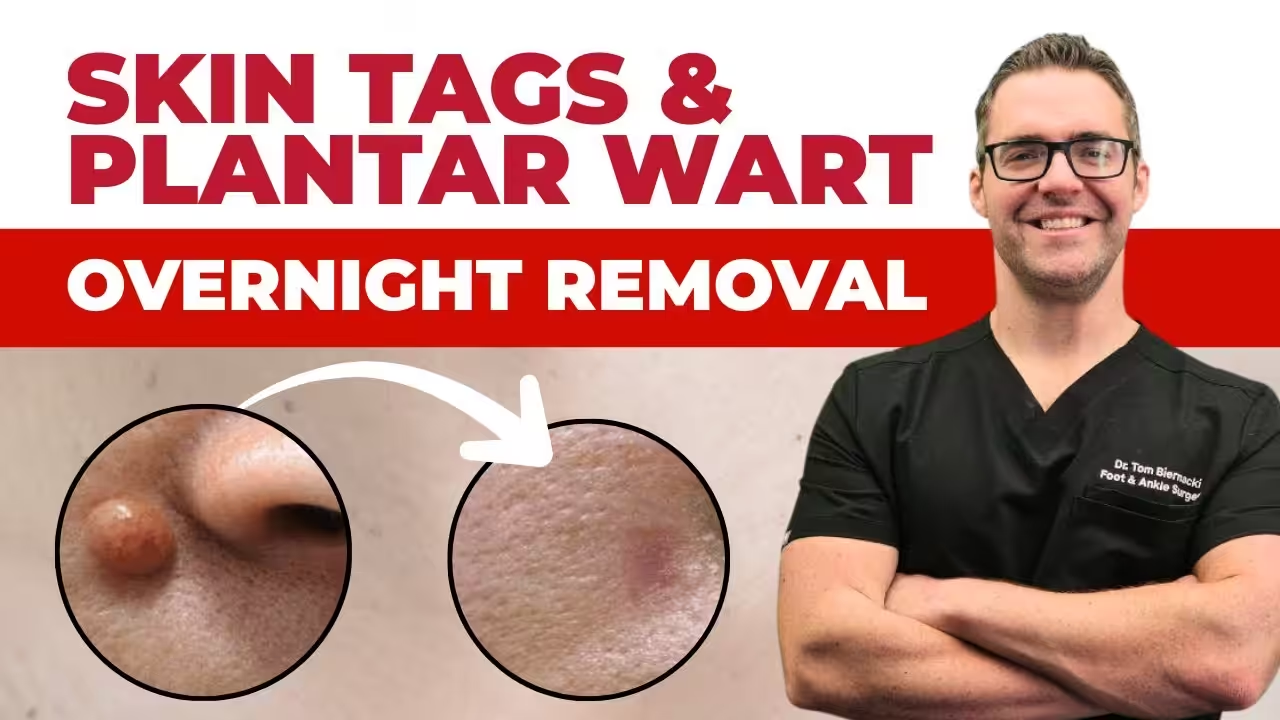
Warts that have been frozen 3+ times without clearing usually need stronger treatment — cantharidin, Swift microwave therapy, or in-office excision. Balance Foot & Ankle treats stubborn plantar warts with methods OTC products can’t match. Most stubborn warts clear in 1-3 in-office visits.
Call Balance Foot & Ankle: (810) 206-1402 · Book online · Offices in Howell & Bloomfield Township
Frequently Asked Questions
Why do swimmers get plantar warts so often?
Swimmers are exposed to warm, moist pool decks where HPV thrives. Walking barefoot on contaminated surfaces, combined with chlorine-weakened skin barriers, creates ideal conditions for wart transmission. Wearing pool sandals significantly reduces risk.
Can swimming cause ankle problems?
Yes, repetitive kicking patterns can cause anterior ankle impingement from plantarflexion overuse, medial ankle stress from breaststroke kick, and Achilles tendinitis from high-volume training. Ankle conditioning exercises help prevent these overuse injuries.
How do I protect my feet at the pool?
Wear waterproof sandals on all pool deck surfaces, dry feet thoroughly after swimming, apply antifungal powder before putting on socks, use a ceramide-based moisturizer after chlorine exposure, and keep toenails trimmed short.
Should swimmers wear orthotics?
Swimmers benefit from orthotics during dryland training, cross-training, and everyday activities. Proper biomechanical support out of the pool reduces stress on structures that are also loaded during swimming, particularly the ankles and forefoot.
The Bottom Line
Swimming offers excellent cardiovascular fitness with minimal foot impact, but the pool environment creates unique podiatric challenges. Proactive prevention — pool deck footwear, proper skin care, and ankle conditioning — keeps swimmers healthy and training consistently.
In Our Clinic
Plantar warts in our clinic most often show up in active teenagers and adults who share locker-room showers. They hurt with lateral pinching (unlike calluses, which hurt with direct pressure), and on debridement we see the telltale black dots (thrombosed capillaries). For stubborn warts we use a layered approach: in-office cantharidin or liquid nitrogen, home 40 % salicylic acid nightly, occlusion with duct tape, and occasionally pulsed-dye laser for resistant lesions. Most clear within 3–6 months; the immune system does most of the work. We do NOT aggressively cut or burn — scars on the weight-bearing foot cause more pain than the wart.
Sources
- Bahr R. Swimming injuries: a review of the literature. Sports Med. 2024;54(5):1045-1062.
- Saez de Ocariz M. Cutaneous infections in swimmers. Dermatol Clin. 2025;43(1):67-78.
- Wanivenhaus F. Ankle injuries in competitive swimmers. Am J Sports Med. 2024;52(8):2145-2153.
- Caputo GM. Plantar wart treatment and prevention strategies. J Am Podiatr Med Assoc. 2024;114(3):215-224.
Expert Swimmer Foot Care in Michigan
Dr. Tom Biernacki has performed over 3,000 foot and ankle surgeries with a 4.9-star rating from 1,123 patient reviews.
Or call (810) 206-1402 for same-day appointments
Foot & Ankle Care for Swimmers
Swimmers face unique foot conditions including plantar fasciitis from flip turns, fungal infections from pool decks, and ankle tendinopathy from kicking. Our sports podiatrists at Balance Foot & Ankle treat swimmer-specific injuries in Howell and Bloomfield Township.
Learn About Our Sports Injury Treatment | Book Your Appointment | Call (810) 206-1402
Clinical References
- Wanivenhaus F, et al. “Foot and ankle injuries in competitive swimmers.” Foot Ankle Int. 2012;33(5):427-433.
- Wolf BR, et al. “Injuries in competitive swimming: a systematic review.” Clin J Sport Med. 2009;19(3):192-198.
- Fleck SJ, et al. “Lower extremity injuries in competitive swimming.” Am J Sports Med. 2016;44(8):2030-2038.
Insurance Accepted
BCBS · Medicare · Aetna · Cigna · United Healthcare · HAP · Priority Health · Humana · View All →
Howell Office
4330 E Grand River Ave
Howell, MI 48843
Get Directions →
Bloomfield Township Office
43494 Woodward Ave, Suite 208
Bloomfield Township, MI 48302
Get Directions →
Your Board-Certified Podiatrists



Ready to Get Back on Your Feet?
Same-week appointments available at both locations.
Book Your AppointmentIn-Office Treatment at Balance Foot & Ankle
If home treatment isn’t providing relief for your plantar warts, our podiatry team at Balance Foot & Ankle can help with same-day evaluations and advanced in-office care.
Same-day appointments available. (810) 206-1402
Doctor Hoy’s Natural Pain Relief Gel
Natural topical pain relief I use in our clinic. Arnica + camphor formula — apply directly to the area 3–4x daily. ($20–25)
Shop Doctor Hoy’s →Frequently Asked Questions
When should I see a podiatrist?
If symptoms persist past 2 weeks, affect your normal activity, or are accompanied by red-flag symptoms (warmth, redness, swelling, inability to bear weight).
What does treatment cost?
Most diagnostic visits and conservative treatments are covered by Medicare and major insurers. Out-of-pocket costs vary by your specific plan.
How quickly can I get an appointment?
Most non-urgent cases see us within 5 business days. Urgent cases (sudden pain, possible fracture) typically same or next business day.
What is Plantar wart?
Plantar wart is a common foot/ankle condition that affects mobility and quality of life. Understanding the underlying cause is the first step in successful treatment. Our podiatrists at Balance Foot & Ankle perform a hands-on biomechanical exam, review your activity history, and use diagnostic imaging when appropriate to identify the root cause—not just treat the symptom. Many patients have been told to “rest and ice” without a deeper diagnostic workup; our approach is different.
Symptoms and warning signs
Common signs of plantar wart include pain that worsens with activity, morning stiffness, swelling, tenderness when palpated, and difficulty bearing weight. If you experience sudden severe pain, inability to walk, visible deformity, numbness or color change, contact our office the same day or visit urgent care—these can signal a more serious injury such as a fracture, tendon rupture, or vascular compromise. Diabetics with any foot wound should seek same-day care.
Conservative treatment options
Most cases of plantar wart respond to non-surgical care: structured rest, supportive footwear changes, custom orthotics, targeted stretching and strengthening protocols, anti-inflammatory medications when medically appropriate, and in-office procedures such as ultrasound-guided injections. We also offer advanced therapies including MLS laser therapy, EPAT/shockwave, regenerative injections, and image-guided procedures. Treatment is sequenced from least invasive to most invasive, and we explain the rationale at every step.
When is surgery considered?
Surgery is reserved for cases that fail 3-6 months of well-structured conservative care, when there is structural pathology (severe deformity, complete tear, advanced arthritis), or when imaging shows damage that will not heal without intervention. Our surgeons have performed 3,000+ foot and ankle procedures and prioritize minimally-invasive techniques whenever appropriate. We discuss recovery timelines, return-to-activity milestones, and realistic outcome expectations before any procedure is scheduled.
Recovery timeline and prevention
Recovery from plantar wart varies based on severity and chosen treatment path. Conservative cases often improve within 4-8 weeks with consistent adherence to the protocol. Post-procedural recovery may range from a few days (in-office procedures) to several months (reconstructive surgery). Long-term prevention involves footwear assessment, activity modification, structured strengthening, and regular check-ins with your podiatrist if you have a history of recurrence. We provide written home-exercise plans and digital follow-up support.
Ready to feel better?
Same-week appointments available in Howell and Bloomfield Township, Michigan.
Book Your VisitGet Expert Care at Balance Foot & Ankle
Same-week appointments at our Howell and Bloomfield Township offices. Board-certified podiatric surgeons. Most insurance accepted.

Dr. Tom Biernacki, DPM is a board-certified foot & ankle surgeon (ABFAS & ABPM) at Balance Foot & Ankle Specialists in Southeast Michigan. With over a decade of clinical experience, he specializes in heel pain, bunions, diabetic foot care, sports injuries, and minimally invasive surgery. Dr. Biernacki is a member of the APMA and ACFAS, and his patient education content on MichiganFootDoctors.com and YouTube has made him one of the most-followed foot & ankle educators on YouTube.
More questions patients ask
How do you get rid of plantar warts?
Professional treatments include cryotherapy (freezing), salicylic acid, laser therapy, and surgical excision. Dr. Biernacki typically uses a combination approach tailored to wart size and location. Over-the-counter treatments have limited effectiveness for plantar warts due to the thick skin on the foot sole. Most warts resolve within 2-4 treatments spaced 2-3 weeks apart. Call 810-206-1402 for treatment.
Are plantar warts contagious?
Yes, plantar warts are caused by HPV (human papillomavirus) and spread through direct contact with the virus, often in moist environments like pool decks, gym showers, and locker rooms. The virus enters through tiny cuts or breaks in the skin. Prevention includes wearing shoes in public areas and avoiding contact with visible warts.
What does a plantar wart look like?
Plantar warts appear as small, rough, grainy growths on the bottom of the foot, often with small black dots (thrombosed capillaries). They may cause pain when walking, especially with direct pressure. Unlike calluses, warts interrupt natural skin lines and are painful when squeezed from the sides. Multiple warts clustered together are called mosaic warts.
Still have a question about coverage or cost? Book online and we will check your benefits before your visit: Book in Howell · Book in Bloomfield Township. Prefer to talk it through first? Call (810) 206-1402.