
Medically reviewed by Dr. Tom Biernacki, DPM
Board-certified podiatric surgeon | Balance Foot & Ankle, Howell & Bloomfield Township, MI
Last reviewed: May 2026

Quick answer:Nothing truly kills toenail fungus “instantly” — it lives inside the nail, so clearing it takes weeks to months. The fastest effective options are prescription oral antifungals and in-office laser therapy; a podiatrist can tell you which will work quickest for your nail. Call (810) 206-1402.
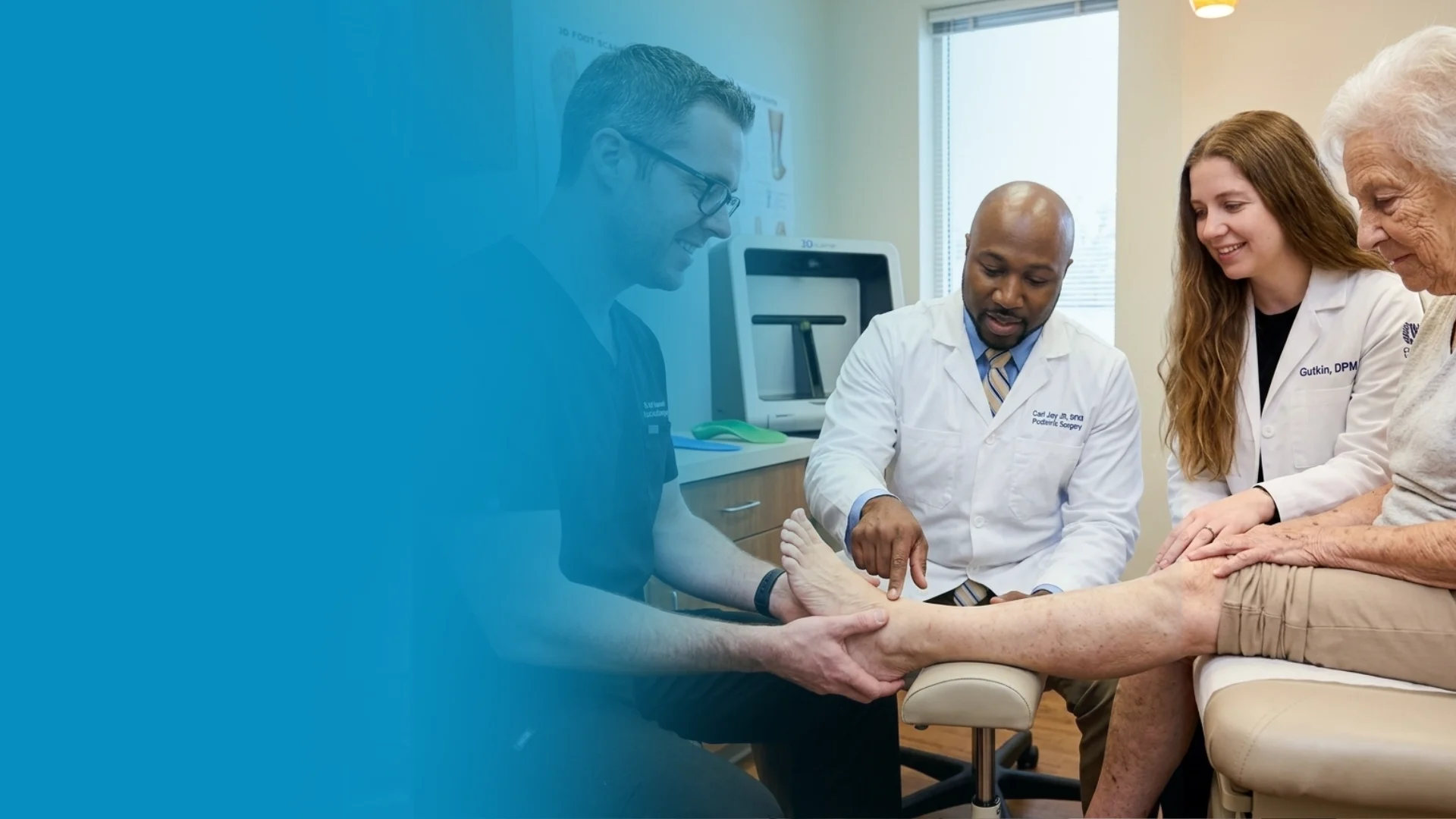
What Kills Toenail Fungus Instantly: Quick Answer
The honest truth: nothing kills toenail fungus “instantly.” Toenail fungus lives inside the nail plate where topical and oral antifungals must penetrate to kill it. The fastest evidence-based options are: (1) oral terbinafine 250mg daily — kills fungus within weeks but the visible nail takes 6-12 months to grow out clean; (2) laser therapy — 3-6 sessions, 60-80% improvement; (3) topical efinaconazole 10% — slow but no systemic risks, 17-18% complete cure at 48 weeks. Vinegar soaks, Vicks VapoRub, tea tree oil, and bleach are popular home remedies but have weak evidence. The real answer: see a podiatrist, get a confirmatory diagnosis (PAS biopsy), and start the right treatment for your fungus type — there is no shortcut.
The Marketing Lie: “Kills Fungus Instantly”
Almost every internet ad for toenail fungus treatment promises “instant” results. The truth is biological: the antifungal medication must penetrate the dense keratin of the nail plate to reach the fungus living in the nail bed below. Even the most powerful agents take weeks to kill the fungus, and your visible nail takes 6-12 months to grow out clean (toenails grow about 1 mm per month).
Anyone selling “instant” results is selling either a placebo, a cosmetic cover-up (nail polish that hides discoloration), or a temporary debulking that returns within months. Set realistic expectations: even with the best treatment, you should expect 6-12 months for visible improvement and 12+ months for full nail regrowth.
Fastest Proven Options (Ranked by Speed of Cure)
1. Oral terbinafine (Lamisil) 250mg daily for 12 weeks. The gold standard. Mycological cure (the fungus is killed) typically within 6-8 weeks of starting; complete clinical cure (clean-looking nail) takes 9-12 months. Cure rate 60-70%. Requires baseline LFTs and possibly repeat at 6 weeks. Side effects: rare hepatotoxicity (1 in 50,000-120,000), taste disturbance, GI upset.
2. Swift microwave therapy. In-office treatment using focused microwave energy to kill fungal cells. 3-4 sessions spaced 4 weeks apart. Cure rate 95% at 12 months in published series. No medications required, no side effects. Typical cost $200-400 per session.
3. Laser therapy (Nd:YAG or 1064nm). In-office. 3-6 sessions over 6 months. Cure rates 60-80%. Painless. Typical cost $200-500 per session, usually not covered by insurance.
4. Topical efinaconazole 10% (Jublia). Daily for 48 weeks. Complete cure 17-18% (efficacy is modest). No systemic side effects. Best for mild-moderate DSO or WSO. Cost: $400-700/month without insurance.
5. Topical ciclopirox 8% lacquer (Penlac). Daily for 48 weeks with weekly file-down. Complete cure 8-9%. Older agent, less effective than efinaconazole.
Home Remedies — What Actually Works (And What Doesn’t)
Vicks VapoRub. One small 2011 study showed 56% improvement at 48 weeks (no complete cures). Active ingredients (camphor, menthol, eucalyptus oil) have mild antifungal properties. Worth trying as adjunct, not primary therapy.
Tea tree oil (Melaleuca alternifolia). A 1994 study showed 100% concentration tea tree oil twice daily for 6 months had similar cure rates to clotrimazole 1% solution (~20%). Skin irritation common. Not a strong choice in 2026.
Vinegar soaks. 1:1 vinegar-water soaks for 15-30 minutes daily. Lowers pH. Some patients report softening of thickened nails which makes mechanical debridement easier. No randomized trials show fungal cure.
Hydrogen peroxide soaks. Often promoted but limited evidence. May help with mild surface fungi (WSO) but cannot penetrate the nail to reach DSO. See our deep-dive on hydrogen peroxide for fungus.
Bleach soaks. Diluted bleach (1 tsp per gallon) is sometimes recommended. Effective at killing fungus on surfaces. Skin irritation risk. Limited penetration into nail.
Listerine soaks (gold standard for placebo studies). Some patients swear by it. Active ingredients (thymol, eucalyptol, methyl salicylate) have mild antifungal properties. No high-quality trials.
What Podiatrists Actually Recommend (Step by Step)
Step 1: Confirm the diagnosis. Visual inspection alone is 50-70% accurate. PAS biopsy or KOH microscopy in office takes 5 minutes and avoids 12 months of treating the wrong condition.
Step 2: Identify the type. DSO vs WSO vs PSO vs Candida — different treatments. See our types of toenail fungus guide.
Step 3: Match treatment to severity. Mild (1-2 nails, <50% involvement): topical efinaconazole. Moderate (multiple nails or 50-75% involvement): oral terbinafine. Severe (matrix involvement, total dystrophic): nail avulsion + oral terbinafine for 4-6 months.
Step 4: Address co-existing athletes foot. Athletes foot frequently coexists with toenail fungus. Treat both simultaneously or you’ll get reinfection. Terbinafine 1% cream applied to the entire foot daily for 4 weeks.
Step 5: Prevent recurrence. Cotton socks (changed daily), alternate shoes (give each pair 24 hours to dry), UV shoe sanitizer in your most-worn pair, antifungal foot powder (Zeasorb-AF) daily, dry thoroughly between toes after showering.
Realistic Timeline Expectations
Week 1-2: Start treatment. No visible change yet.
Month 1-2: Mycological cure begins (fungus is being killed at the nail bed level). Discolored nail still visible because the diseased tissue hasn’t grown out.
Month 3-6: New healthy nail visible at the cuticle. Discoloration grows toward the tip as the nail grows out.
Month 9-12: Visible improvement of most of the nail. Final 1-2 mm at the tip may take longer.
Month 12+: Complete nail replacement. Anyone promising results faster than this for a moderate-severe case is misleading you.
When Shoes Aren’t Enough — Dr. Tom’s Top 9 Orthotics
About 30% of patients I see for foot pain need MORE than a great shoe — they need a structured insole. Below: my complete 2026 orthotic ranking with pros, cons, and the specific patient I’d give each one to.




In-Office Treatment at Balance Foot & Ankle
If home treatment isn’t providing relief for your toenail condition, our podiatry team at Balance Foot & Ankle can help with same-week evaluations and advanced in-office care.
Frequently Asked Questions About What Kills Toenail Fungus Instantly
What kills toenail fungus the fastest?
Oral terbinafine 250mg daily for 12 weeks has the fastest mycological cure (6-8 weeks). Laser is the main in-office option for patients who cannot take pills. But complete visible cure always takes 9-12 months because the nail must grow out.
Can you kill toenail fungus in one day?
No. The fungus lives inside the nail plate; even the strongest treatments take weeks to kill it and 9-12 months for the visible nail to grow out clean.
What is the strongest treatment for toenail fungus?
Oral terbinafine 250mg daily for 12 weeks is the most effective single treatment with 60-70% mycological cure. Combination therapy (oral + topical + UV shoe sanitizer) has the highest overall cure rates.
Will Vicks VapoRub kill toenail fungus?
Possibly help, not cure. Small studies show ~56% improvement, no complete cures. Use as an inexpensive adjunct to proper antifungal therapy, not a substitute.
Is there an over-the-counter treatment that kills toenail fungus?
Topical antifungals like clotrimazole 1% or tolnaftate 1% can help mild WSO (white superficial onychomycosis). For DSO (the common type), OTC topicals rarely cure because they cannot penetrate the nail.
How fast does toenail fungus spread?
Slowly — typically 1-2 mm per month as the fungus grows along with the nail. From a single small lesion, total nail involvement usually takes 6-18 months without treatment.
Can I cut off toenail fungus?
Trimming the discolored portion helps cosmetically but does not cure the infection — the fungus extends into the nail bed below. Nail avulsion (surgical removal of the entire nail) combined with oral antifungals is sometimes used for severe TDO.
Related Resources from Balance Foot & Ankle
- Complete Toenail Fungus Treatment Guide
- 5 Types of Toenail Fungus Identification
- Laser Toenail Fungus Treatment
- UV Shoe Sanitizers (Prevent Reinfection)
- Severe Athletes Foot Treatment
- Best Antifungal Socks
Frequently Asked Questions
How long does it take a toenail to grow back?
6-12 months for a full big toenail. Smaller toenails 4-6 months. Speed varies with age, circulation, and nutrition.
Will this affect other nails?
Trauma affects only the injured nail. Fungal infection can spread without treatment. Systemic causes affect multiple nails simultaneously.
Should I cover the nail or leave it open?
Cover with a breathable bandage during work or activity. Leave open at night for healing. Keep dry and clean.
What is Toenail fungus?
Toenail fungus is a common foot/ankle condition that affects mobility and quality of life. Understanding the underlying cause is the first step in successful treatment. Our podiatrists at Balance Foot & Ankle perform a hands-on biomechanical exam, review your activity history, and use diagnostic imaging when appropriate to identify the root cause—not just treat the symptom. Many patients have been told to “rest and ice” without a deeper diagnostic workup; our approach is different.
Symptoms and warning signs
Common signs of toenail fungus include pain that worsens with activity, morning stiffness, swelling, tenderness when palpated, and difficulty bearing weight. If you experience sudden severe pain, inability to walk, visible deformity, numbness or color change, contact our office the same day or visit urgent care—these can signal a more serious injury such as a fracture, tendon rupture, or vascular compromise. Diabetics with any foot wound should seek same-day care.
Conservative treatment options
Most cases of toenail fungus respond to non-surgical care: structured rest, supportive footwear changes, custom orthotics, targeted stretching and strengthening protocols, anti-inflammatory medications when medically appropriate, and in-office procedures such as ultrasound-guided injections. We also offer advanced therapies including laser therapy, EPAT/shockwave, regenerative injections, and image-guided procedures. Treatment is sequenced from least invasive to most invasive, and we explain the rationale at every step.
When is surgery considered?
Surgery is reserved for cases that fail 3-6 months of well-structured conservative care, when there is structural pathology (severe deformity, complete tear, advanced arthritis), or when imaging shows damage that will not heal without intervention. Our surgeons have performed 3,000+ foot and ankle procedures and prioritize minimally-invasive techniques whenever appropriate. We discuss recovery timelines, return-to-activity milestones, and realistic outcome expectations before any procedure is scheduled.
Recovery timeline and prevention
Recovery from toenail fungus varies based on severity and chosen treatment path. Conservative cases often improve within 4-8 weeks with consistent adherence to the protocol. Post-procedural recovery may range from a few days (in-office procedures) to several months (reconstructive surgery). Long-term prevention involves footwear assessment, activity modification, structured strengthening, and regular check-ins with your podiatrist if you have a history of recurrence. We provide written home-exercise plans and digital follow-up support.
American Academy of Dermatology: Nail Fungus
Ready to Get Relief?
Same-week appointments available in Howell & Bloomfield Township, MI
4.9★ | 1,123 Reviews | 3,000+ Surgeries
Or call: (810) 206-1402

Dr. Tom Biernacki, DPM is a board-certified foot & ankle surgeon (ABFAS & ABPM) at Balance Foot & Ankle Specialists in Southeast Michigan. With over a decade of clinical experience, he specializes in heel pain, bunions, diabetic foot care, sports injuries, and minimally invasive surgery. Dr. Biernacki is a member of the APMA and ACFAS, and his patient education content on MichiganFootDoctors.com and YouTube has made him one of the most-followed foot & ankle educators on YouTube.